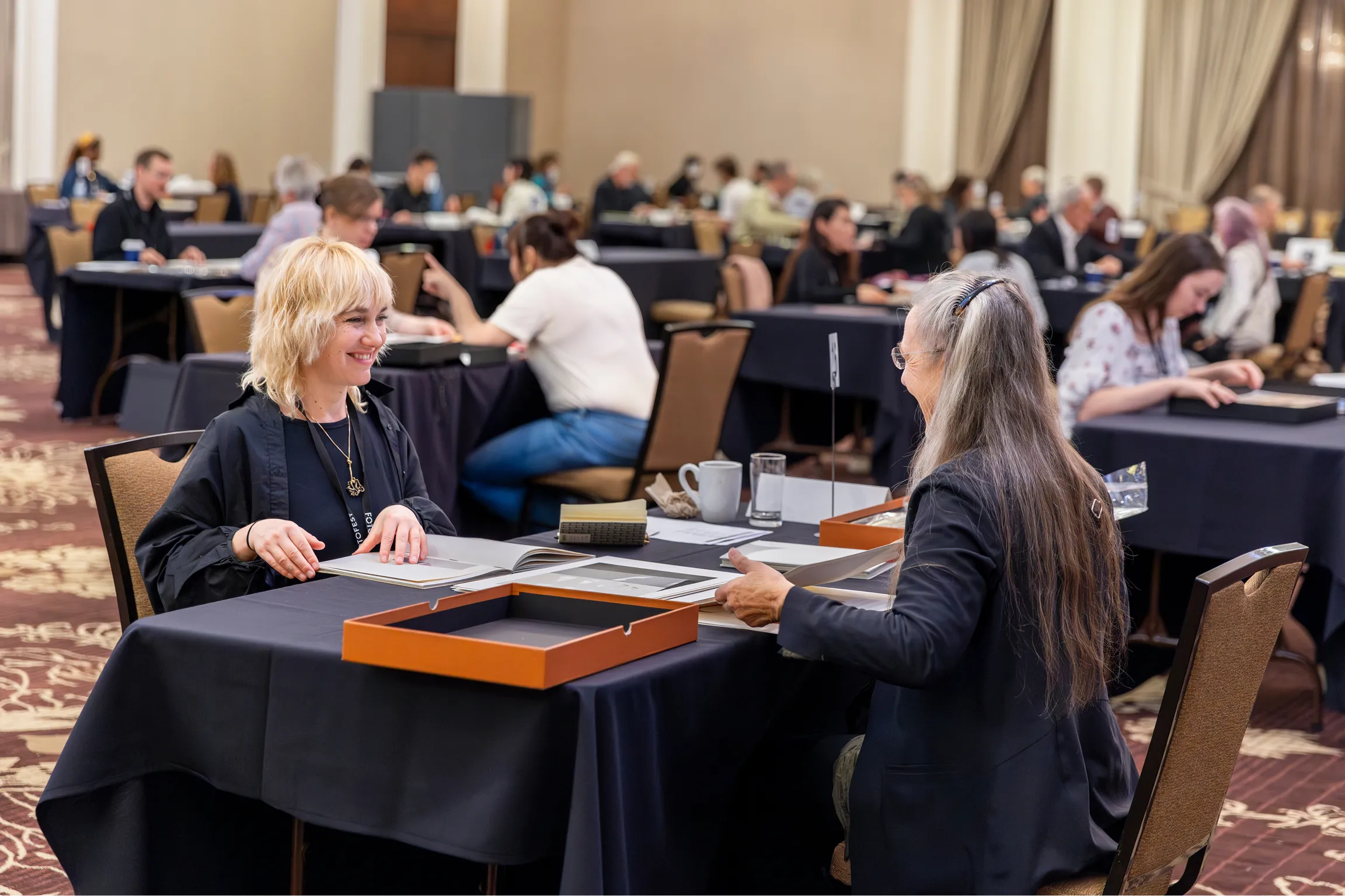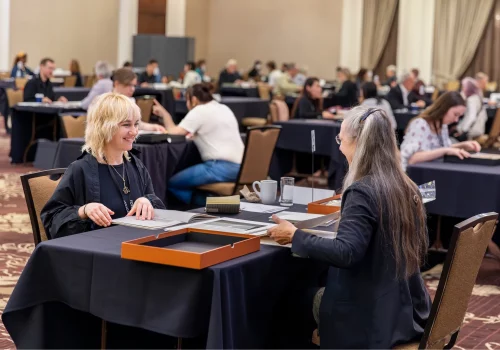







The MIA Photo Fair BNP Paribas in Milan opened its doors this Wednesday and will run through Sunday, March 22. This 15th edition, directed by Francesca Malgara and organized by Fiere di Parma, brings together 76 galleries, including 27 international ones and 24 first-time participants. Here is the last and final part of our selection.
- Leila Erdman Tabukashvili at A Pick Gallery, Turin
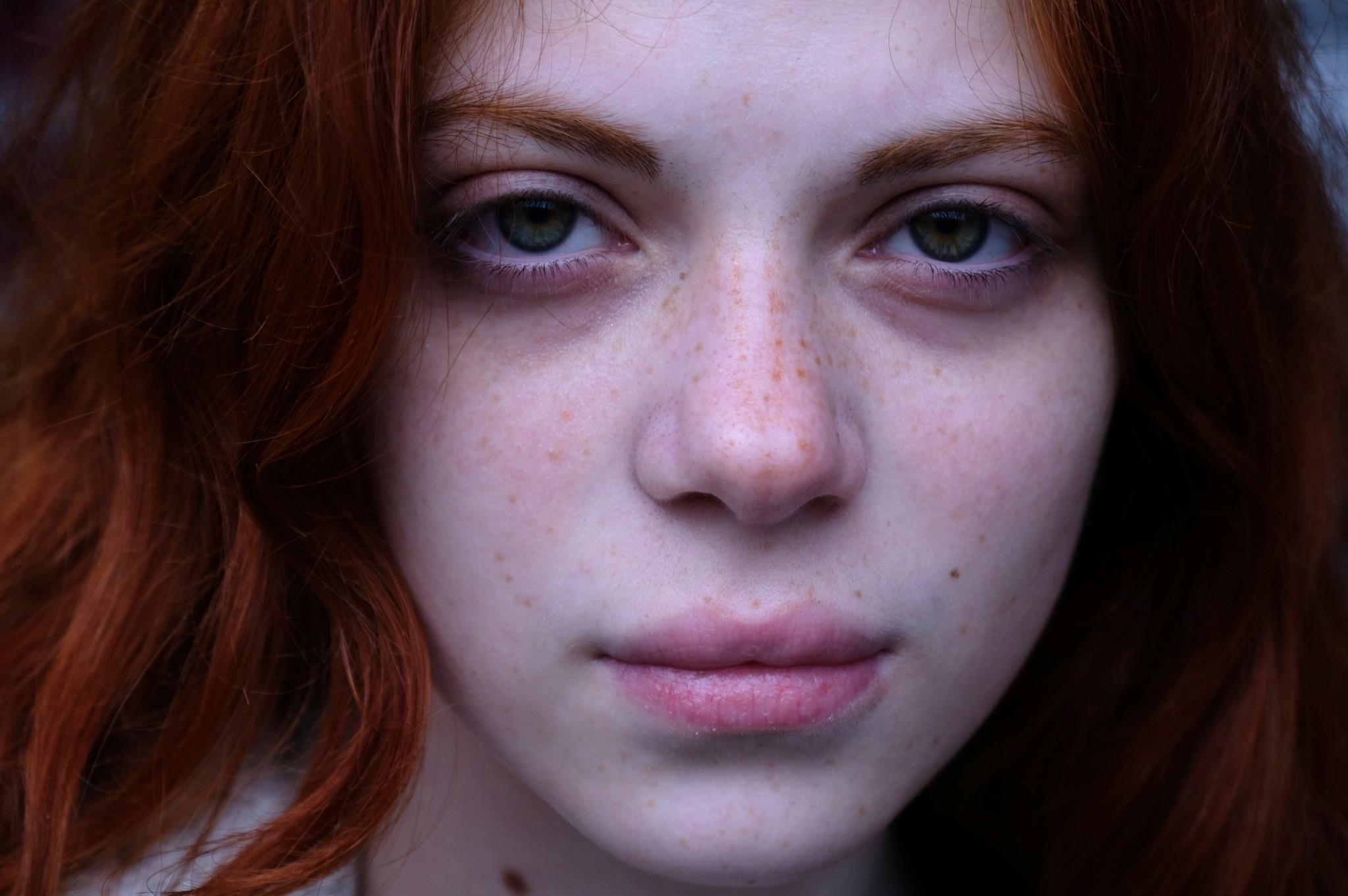
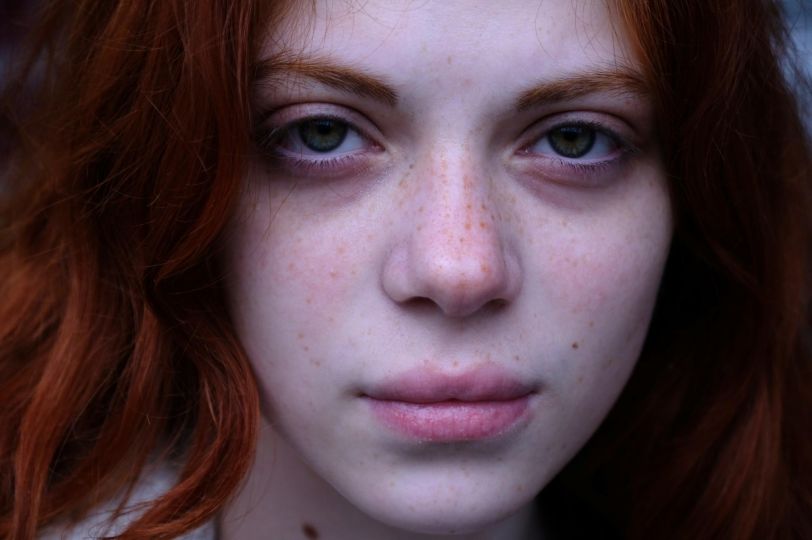
Leila Erdman Tabukashvili was born in 1995 in Siberia. She most recently lived in Tel Aviv, carrying with her the shadow of two wars, travels and fragments of life in conflict zones, chance friendships and relationships formed and broken. In her works, she seeks to express through photographic fragments and poetic writing a life filled with emotions, shaped by encounters and moments of intensity.
“I think about fundamental desires: to love and to be loved, to live,” she told Olga Gambari. This idea drives her toward a form of poetic documentation of youth across the world, somewhere between diary and documentary, between the activism of difference and a lyrical subjectivity centered on the body. Through small fragments of images and words, the whole opens a wide window onto a life lived fully.
- Giulia Parlato at Cartacea, Bergamo
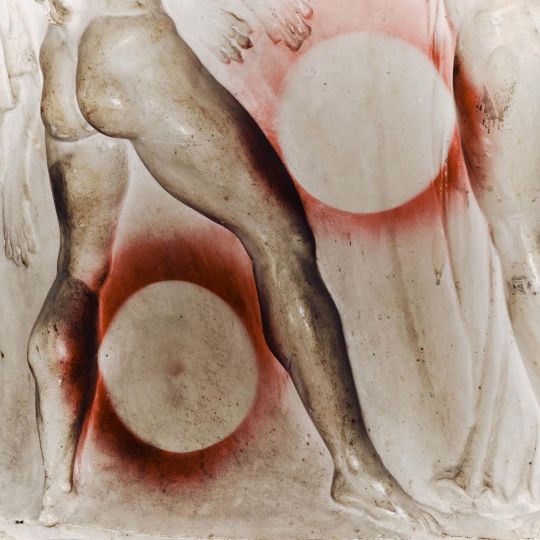
In her series Diachronicles, Giulia Parlato examines sculptures up close. She captures their details and, beyond the sculpted forms, the marks left by visitors: scratches, scribbles, cross-outs, grids, and graffiti. Fragment no. 3 recalls Paul Klee’s work Arrow in the Garden, with the arrow in the photograph pointing to what is already visible, carrying within it the mark of sacrilege (or humor, depending on one’s view). In other images, it is the rust of the stone, its yellowing tones and browns that capture the photographer’s attention. One sees the erosion of the stones, the fading of their patinas; and in a broader gesture, words and images, gestures devoid of meaning layered one upon another.
- Roger Ballen at Building, Milan
Among the many solo shows that punctuate the fifteenth edition of the fair, the American photographer has been given the entire space of the Building gallery, opposite the fair’s main entrance. On a small back wall, the Milan gallery presents very recent painted Polaroids, somewhere between photography and graphic work, recalling Saul Leiter’s experiments with painted photographs. These Polaroids continue the spirit of his most recent series, in which Ballen’s staged scenes take on a more fantastical dimension, punctuated by formless creatures.
- Todd Hido at Galeria Alta, Anyos
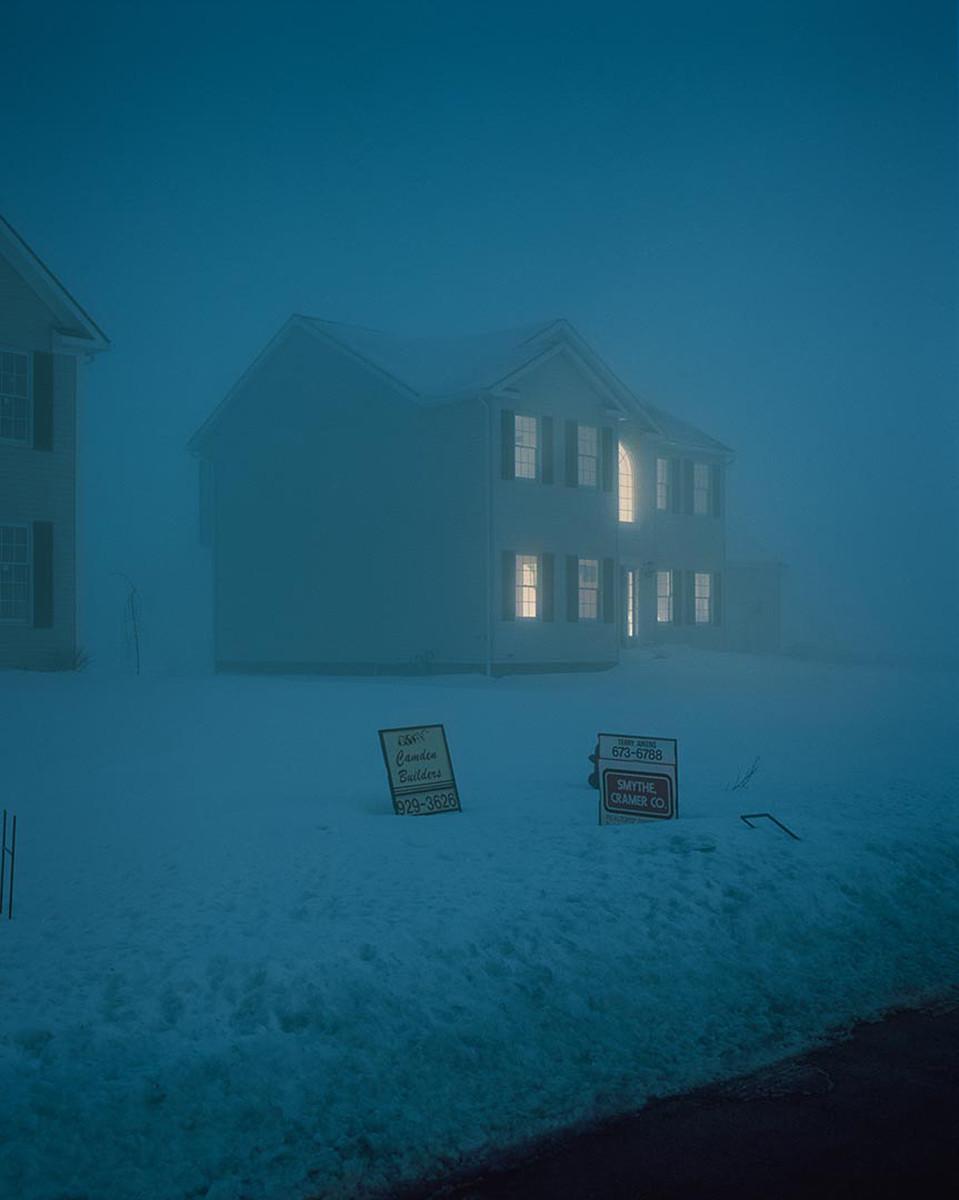
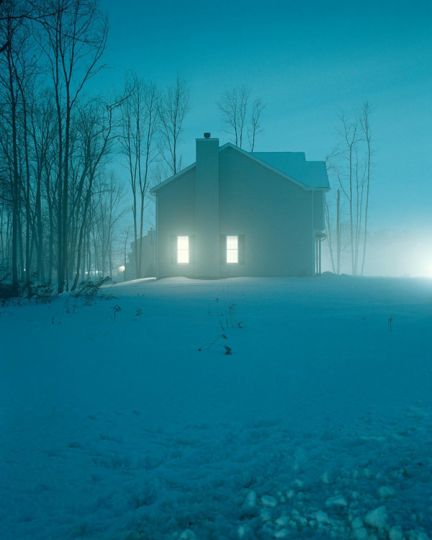
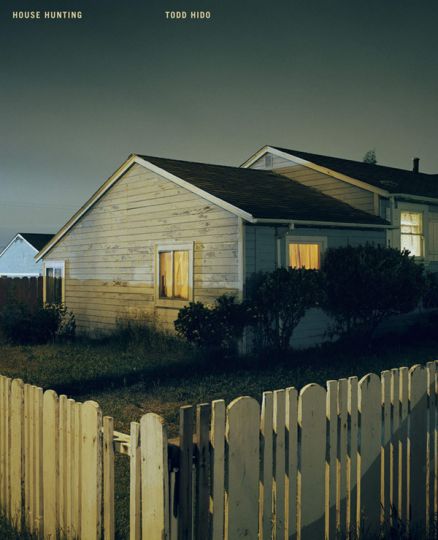
Todd Hido was already prominently featured at the Rencontres d’Arles, and here he appears at the heart of a nocturnal America, in wide, lifeless streets lined with pastel houses, in a world that seems to be running out of breath, decaying, or simply existing outside of time. Photographed in 1998, House Hunting focuses on the American suburbs, their urban uniformity, and the similarities that, over time, create a kind of dissonance through their strange conformity.
Another remarkable monographic presentation at the fair, the booth stands out for its particularly careful and linear display, showing how Alta succeeds in conveying, through just a few works, the distinctive atmospheres of the artists it represents, despite the commercial context of an art fair.
- Roya Khadjavi Projects
Named after its founder, Roya Khadjavi Projects is a platform dedicated to supporting Iranian artists on the international scene. Both gallerist and curator, and more broadly a philanthropist, Roya Khadjavi founded the artistic support platform The Institute of International Education’s Iran Opportunities Fund in 2009 and has enabled the acquisition of numerous artists, beyond photography, into American collections.
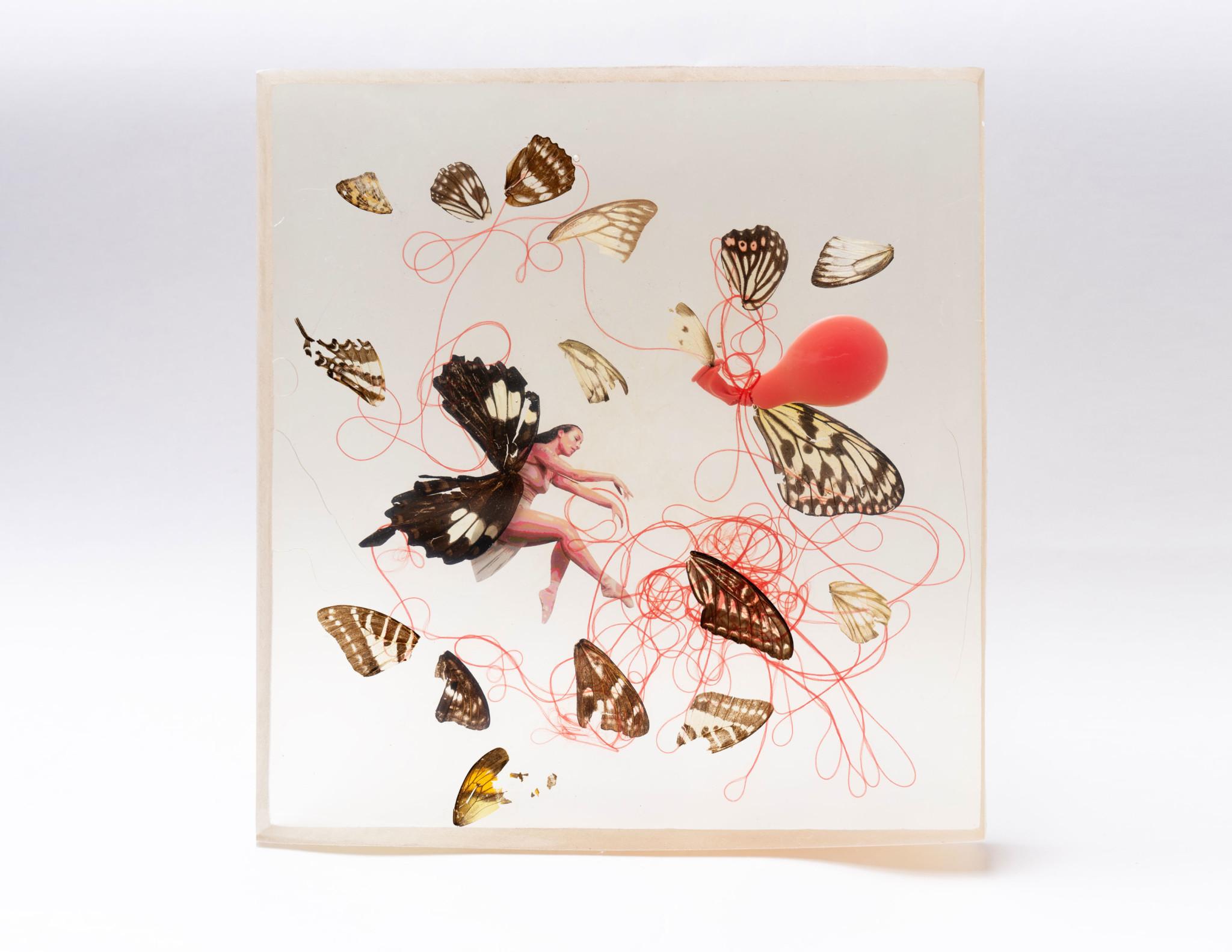
Invited to the fair, she presents works by Eugenie Flochel, Arman Molavi, Tahmineh Monzavi, and Farzaneh Ghadyanloo. The latter presents photographic sculptures showing, once again, fragments of bodies, explosions of joy, and forms of elevation and fall. All of this evokes a metamorphosis, the central theme of the fair. She describes this ongoing series with this closing reflection:
“To flourish, one must also dance. To flourish, one must also fall.”
More information