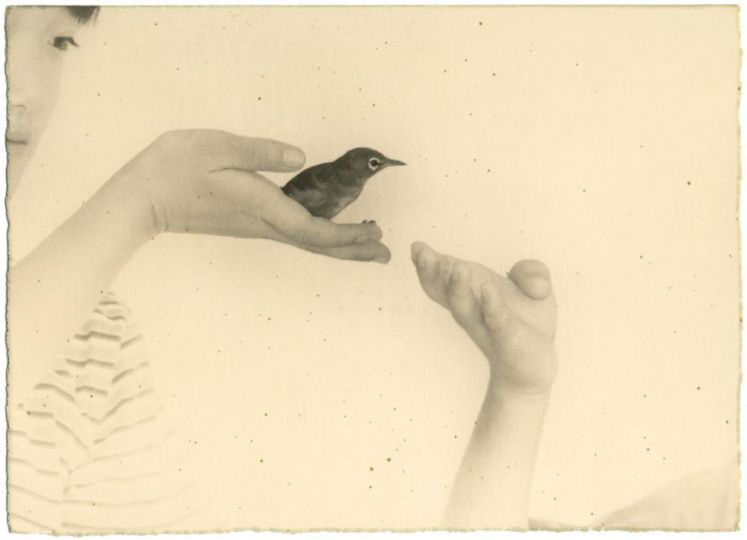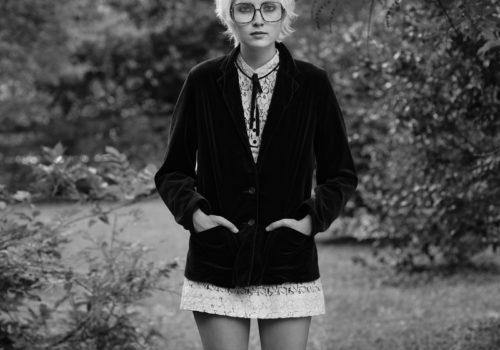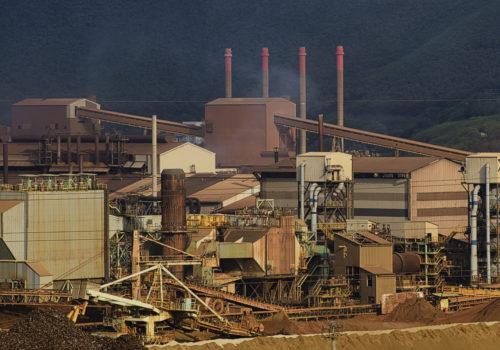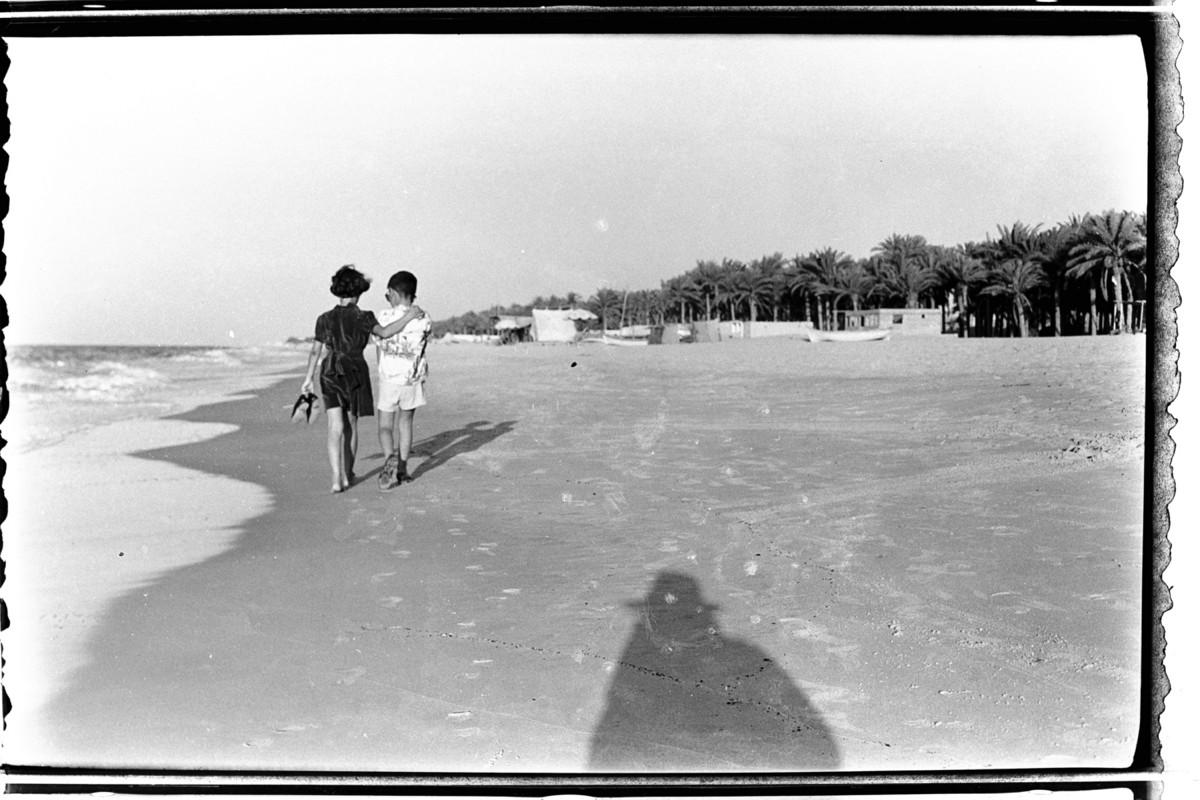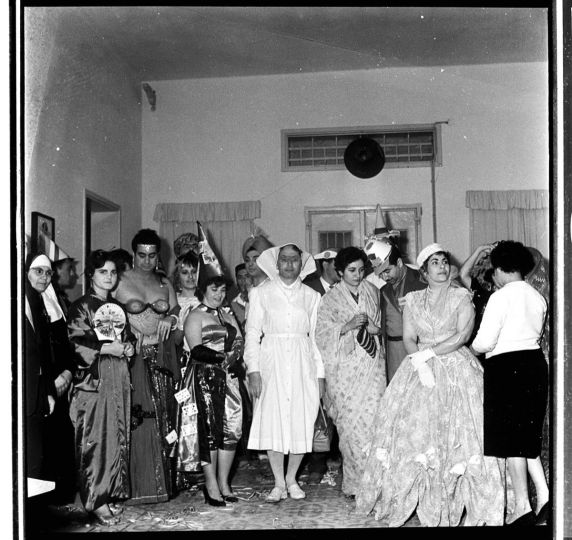
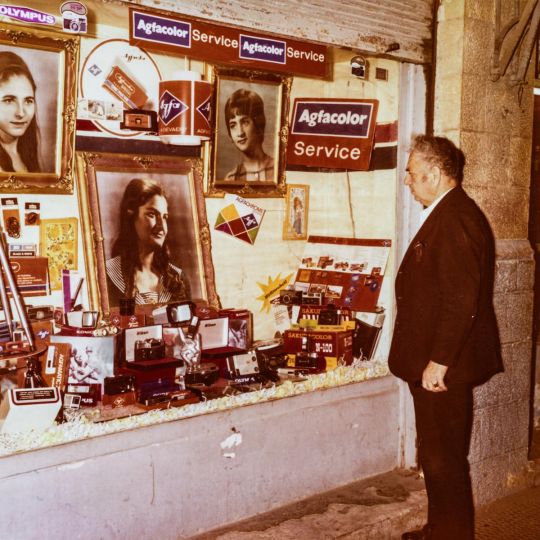

A leading figure in Gaza’s photography scene in the mid-20th century, Kegham Djeghalian Senior (1915–1981) documented the city and its inhabitants for nearly 40 years. A survivor of the Armenian Genocide, he founded Gaza’s first professional photography studio, Photo Kegham, in 1944.
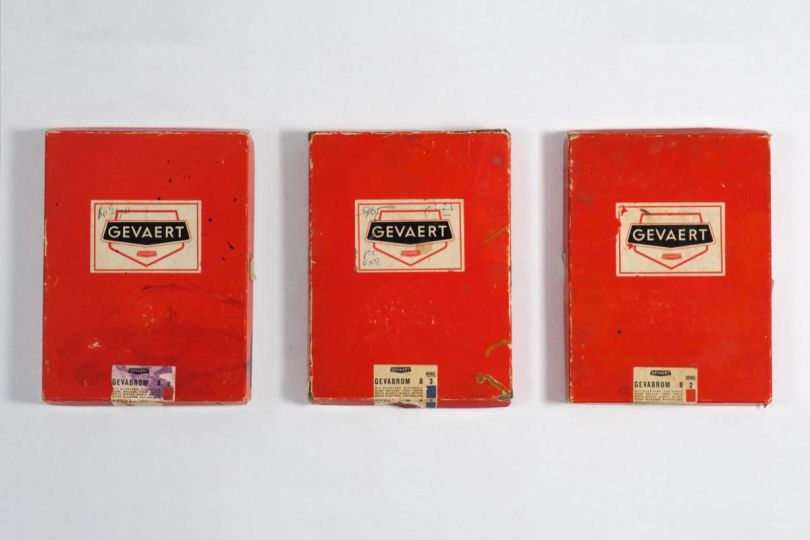
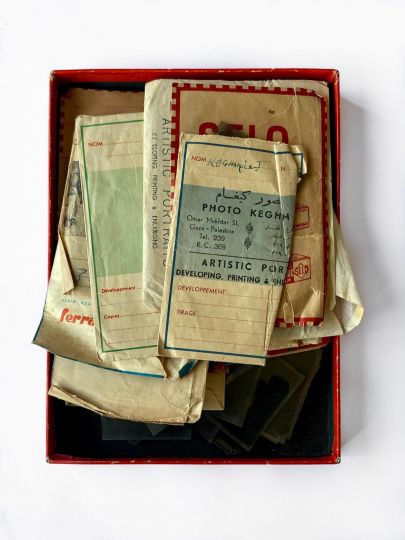
The discovery in 2018 of three red boxes filled with negatives, photographs and documents marked the starting point of the project. This exhibition has been curated by his grandson, Kegham Djeghalian Junior, an artist and teacher who here revives this legacy whilst exploring the notion of ‘interrupted histories’.
The work undertaken using these materials does not follow a conventional archival approach, but resembles a form of “para-archaeology”. It prioritises fragmentation over continuity, focusing on the materiality of the artefacts to reveal what they activate or make audible. This work explores several dimensions: the photographic objects themselves, the identities and narratives they carry,
the way in which they construct or disrupt history, as well as the traces of displacement, loss and trauma they contain.
Initially centred on the figure of Kegham Djeghalian Senior, the research gradually shifted towards a more open interpretation of Gaza. Rather than presenting a fixed archive, the exhibition embraces an unfinished form, leaving room for a multitude of interpretations. The absence of dates and captions is part of this aim to disrupt traditional frameworks and facilitate a direct encounter with the images.
The exhibition thus favours a typological approach, organised into four themes:
• The Studio, which explores the photographic practice of Studio Photo Kegham as a space for social interaction and integration
• Gaza Memento, which brings together scenes from the social, political and daily lives of Gazans
• Family Album, which links personal memory and collective history
• Zoom Call, which examines the circulation, loss and mediation of images.
Through this approach, the exhibition offers a sensitive interpretation of Gaza’s visual memory. It sketches out an alternative history, in which images, freed from their strict context, allow narratives to be rehumanised and subjective stories to emerge.
The exhibition is being presented for the first time in France as part of the Saison Méditerranée, in partnership with Photopia and Cairo Photo Week. It forms part of the satellite programme of the Rencontres d’Arles as part of the Grand Arles Express and is being presented as part of the Printemps de l’Art Contemporain.
Opening on May 16 from 3pm
Exhibition on view from May 16 to September 12 2026
Marseille Photography Centre
74 rue de la Joliette, 13002 Marseille