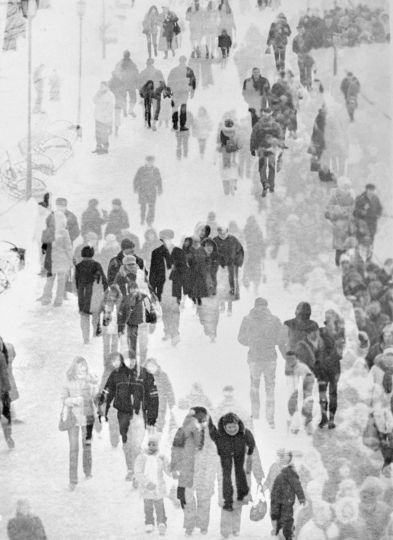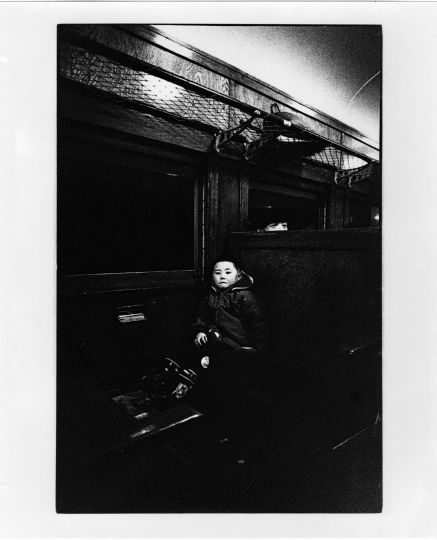
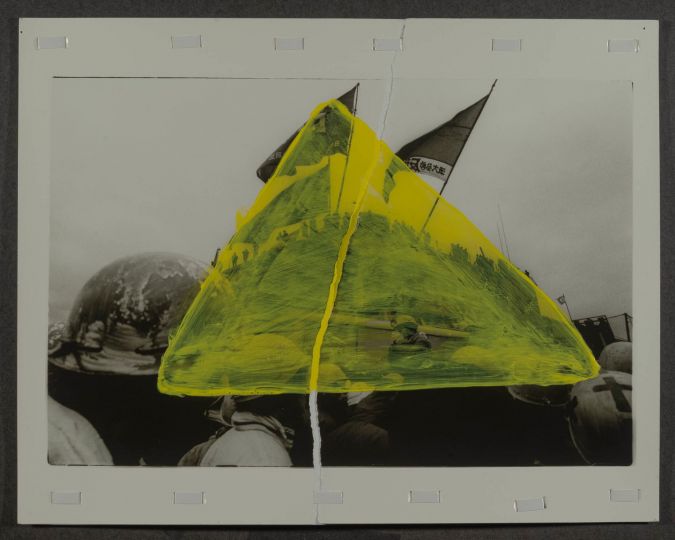

“Failed” photographs. That is how Kazuo Kitai describes his earliest images. Blurry, grainy, they run counter to everything the photography manuals of the time held up as exemplary. It is the mid-1960s, Japan is going through a period of political ferment, student revolts are shaking university campuses, and the young photographer finds himself documenting a demonstration against the docking of an American submarine in Yokosuka. He discovers that movement, grain and imperfection are not flaws to be corrected but a material to be explored. “Since I was a child, I had always been a rebel, and I found that these images suited me perfectly. At twenty, for the first time, I had found my path.”
Some of his contemporaries would theorise this aesthetic a few years later in the magazine Provoke. Kazuo Kitai was already practising it, without a manifesto. But what truly sets his work apart is the way he consistently trains his eye just beside the great events rather than on them. In his first self-published book, Resistance, images of the student movement sit alongside the ordinary life of the Yokosuka neighbourhood. Later, during the Sanrizuka peasant revolts — in which farmers resisted for three years the expropriation of their land to build an airport — it is still the everyday he pursues, on the margins of the clashes.
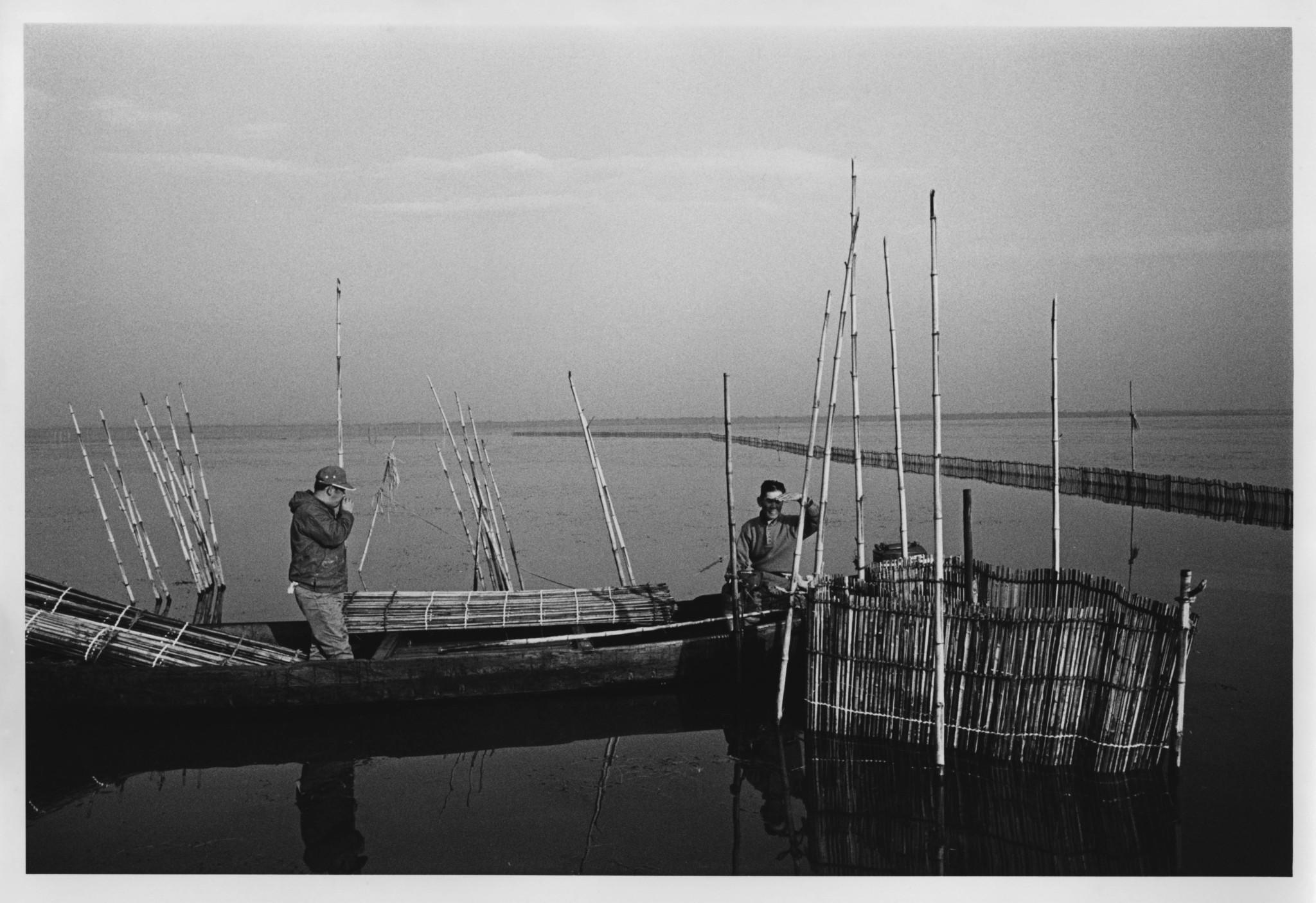
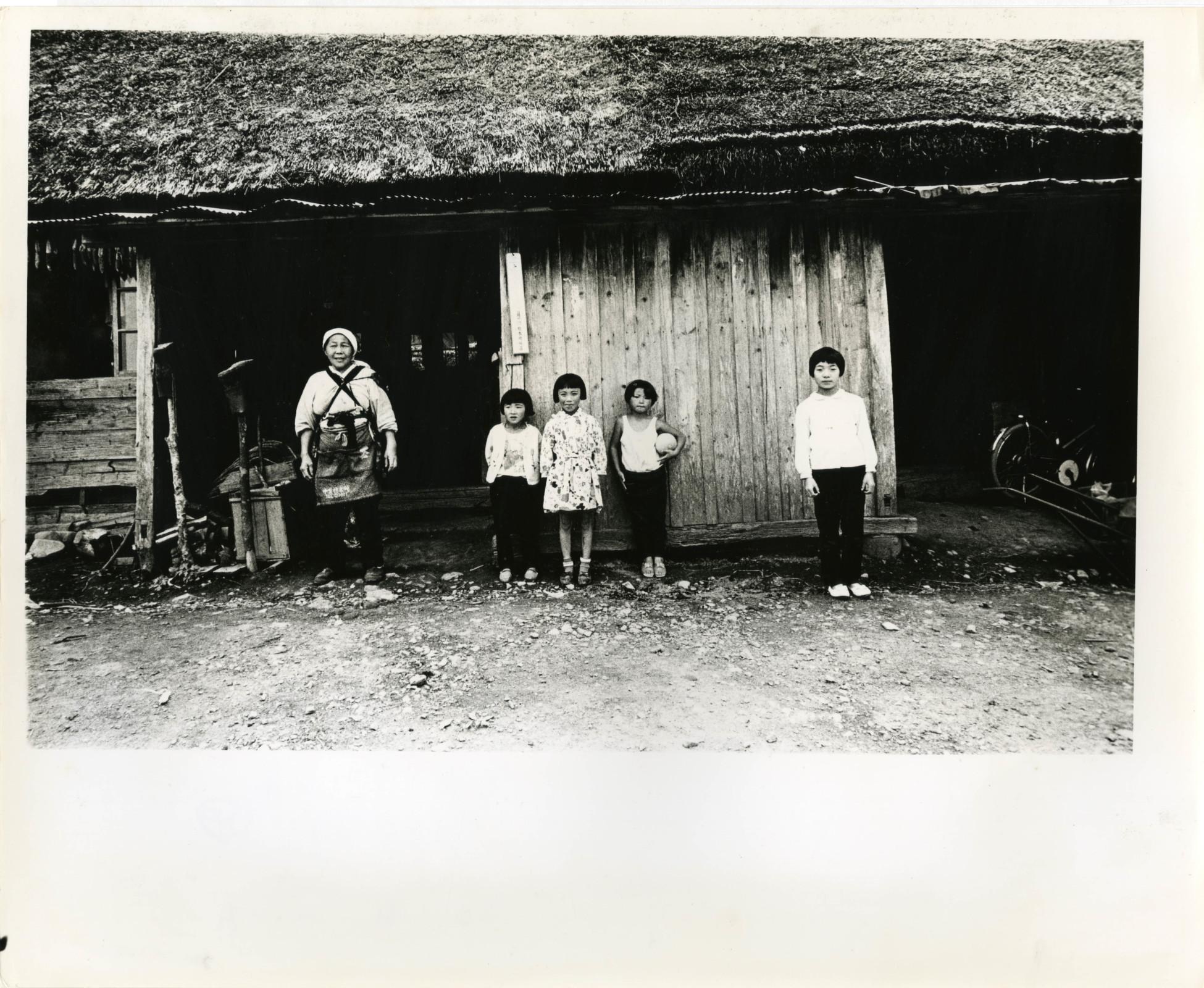
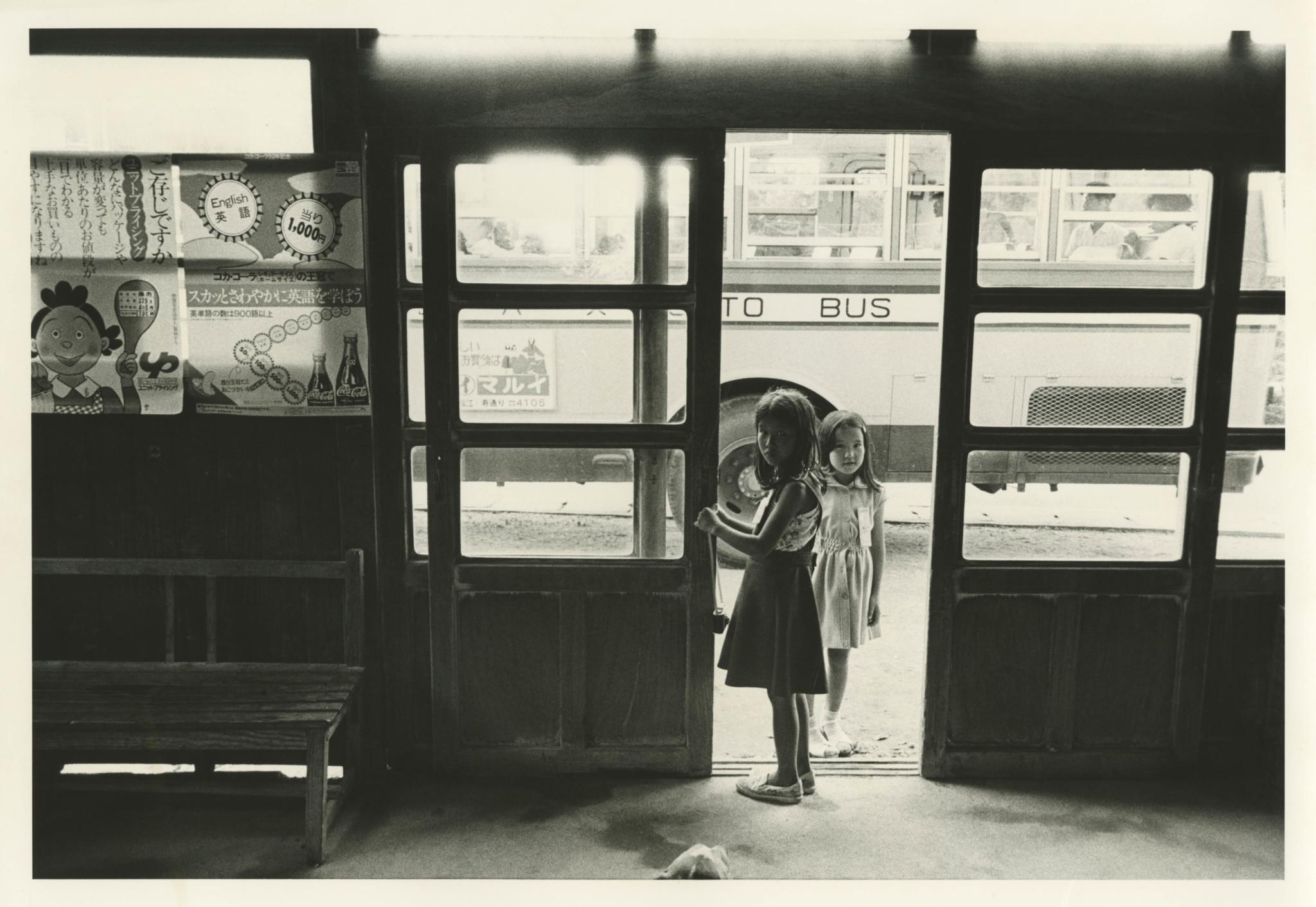
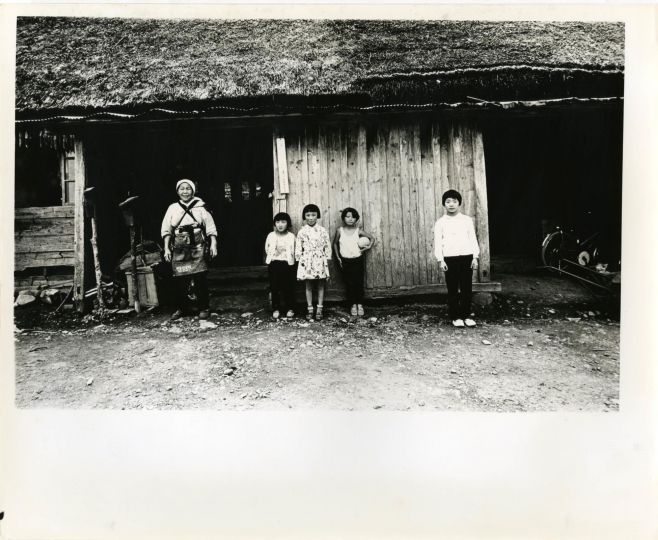
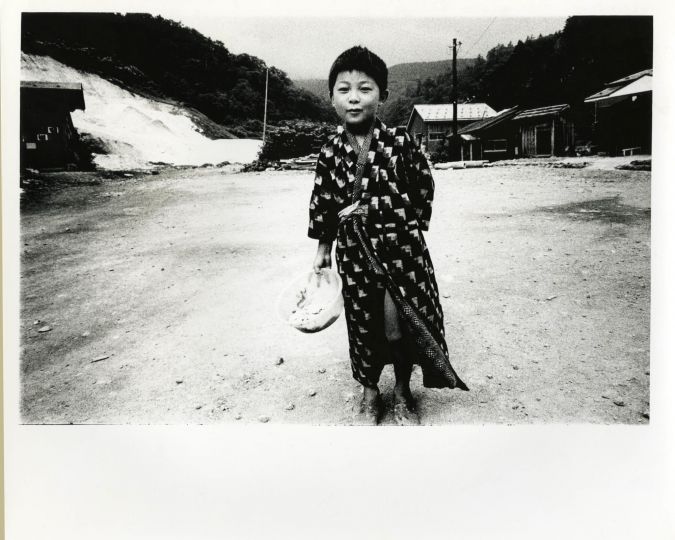
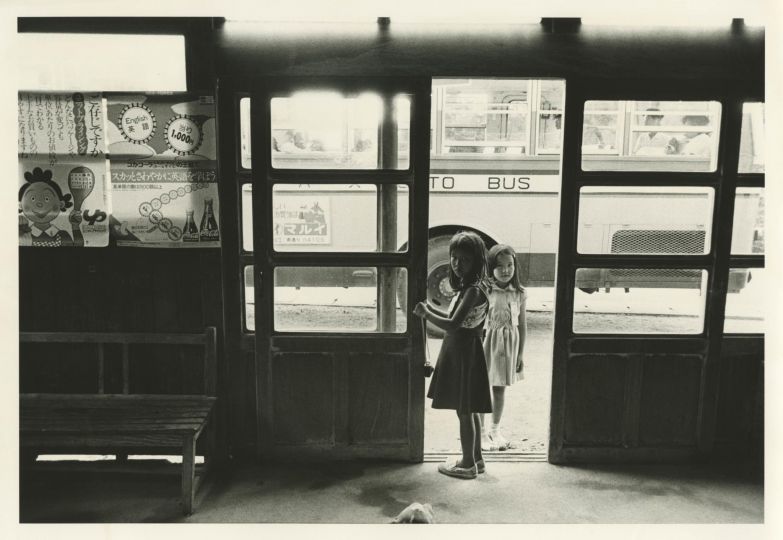
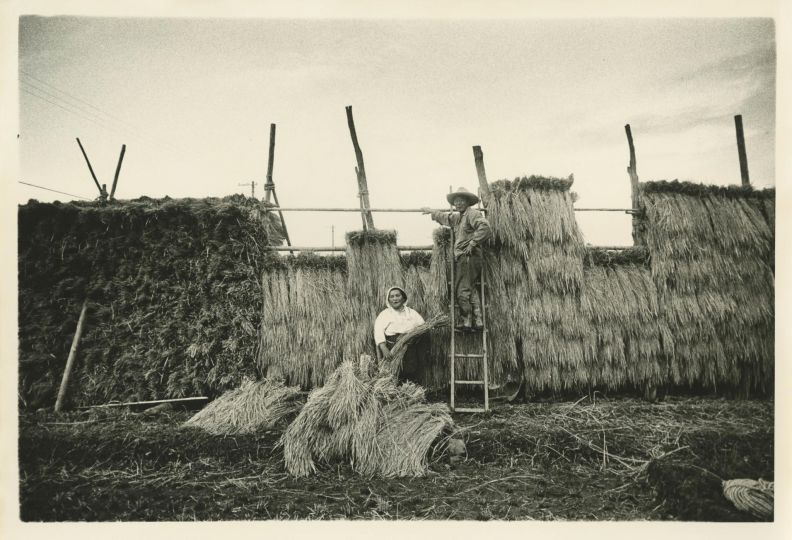
It is this sideways gaze that has defined his entire trajectory. While Japanese photography in the 1970s turns towards Tokyo, sprawling and frenetic, Kazuo Kitai heads in the opposite direction to produce the series Towards the Villages, published over three years in the specialist magazine Asahi Camera. He travels the countryside to document “the other side of rapid post-war economic growth: a rural world left behind.” At the entrance of the exhibition, curated by Satomi Fujimura, a map of Japan illustrates the breadth of his wanderings: six decades crossing the country in search of its daily life and its traditions, which he set out to preserve before they vanished — the ama divers, provincial kabuki, evenings gathered around the kotatsu.
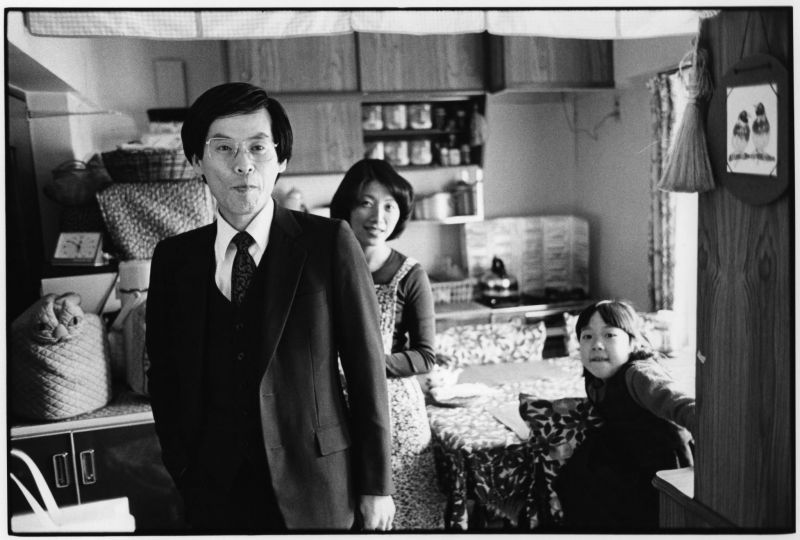
This body of work earned him the inaugural Kimura Ihei Award in 1975, yet the photographer then changed course entirely. Afraid of repeating himself, he returned to the city where, once again, his eye settled on the apparent ordinariness of everyday life. In the working-class neighbourhood of Shinsekai in Osaka, and then in Funabashi, a dormitory town on the outskirts of the Tokyo megalopolis, Kazuo Kitai documents an unspectacular urban life: families settled in standardised apartment blocks, popular theatre, games of pachinko. Yet these images carry a certain lightness, drawn from the energy of these new city-dwellers, that stands in sharp contrast to the darker photographs of the countryside gradually emptied for the city.
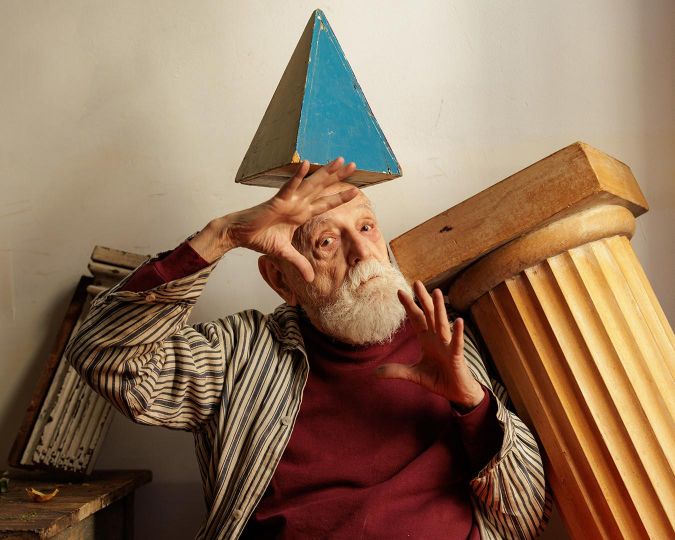
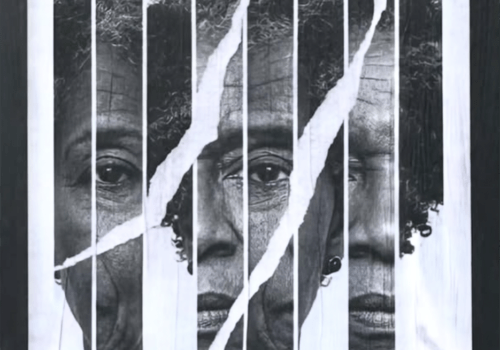
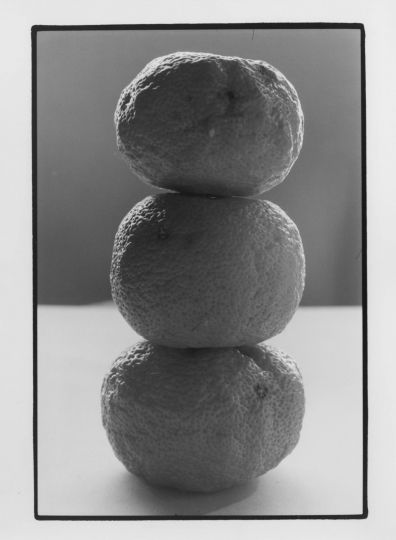
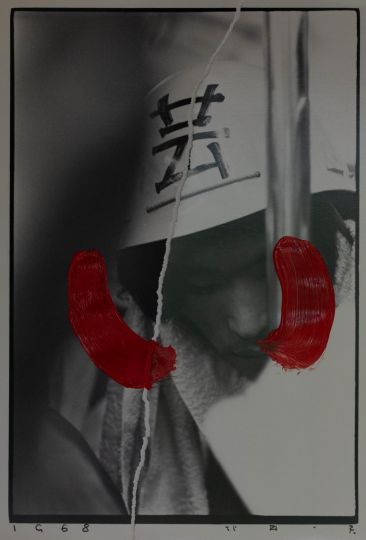
Now in his eighties, having lost none of his rebellious spirit or his desire to create, Kazuo Kitai has turned towards a more introspective vision. After exploring his immediate surroundings in still lifes full of quiet poetry, he recently returned to his earliest photographs of student revolts, tearing them apart before covering them with painted signs. Titled Iroha — the Japanese equivalent of the alphabet — this series, in which destruction becomes creation, may well stand as one of his finest achievements. The man who had wanted to be a painter before photography became his way of capturing the essence of a society thus comes full circle, a reminder that six decades of work have amounted to nothing more than one long variation on the same gesture: looking at what others do not see.
Zoé Isle de Beauchaine
Kazuo Kitai, l’éloge du quotidien
April 30 – July 25, 2026
The Japanese Culture House of Paris
101 bis Quai Jacques Chirac
75015 Paris, France
https://www.mcjp.fr/