




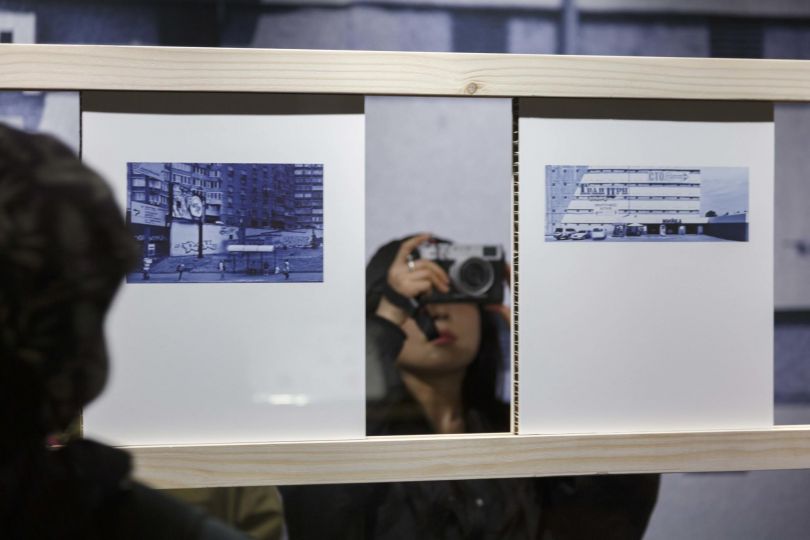


This year, Penninghen, sponsor of KG+, a satellite of the international Kyotographie festival, presents the exhibition “Contre-Courant” by Kostia Hornain Debain.
The school, which is showcasing in Kyoto for the sixth time during this high season of photography, had up until now favored group exhibitions featuring graduating student cohorts. But 2025 marks a turning point with a more focused approach: this time, only one final-year project is being exhibited, with increased investment. In fact, Penninghen has become a sponsor of KG+, highlighting the school’s deep commitment to the discipline and its desire to elevate photographic imagery.
This year, the chosen work is by Kostia Hornain Debain. A selection made “both for his sensitive, authorial approach and his well-mastered technical experimentation — namely, conducting an intimate and introspective journey through digital tools and search engines,” explains Gilles Poplin, Director of Penninghen.
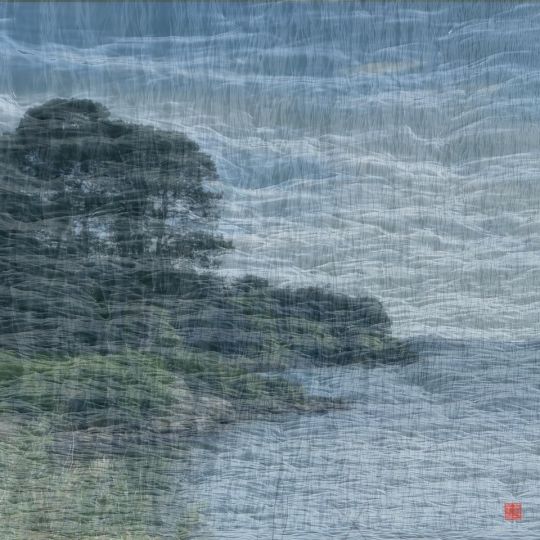
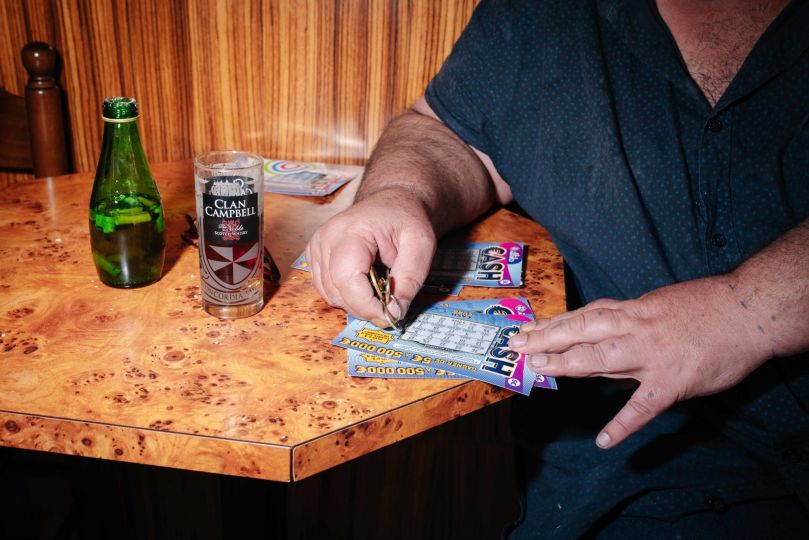
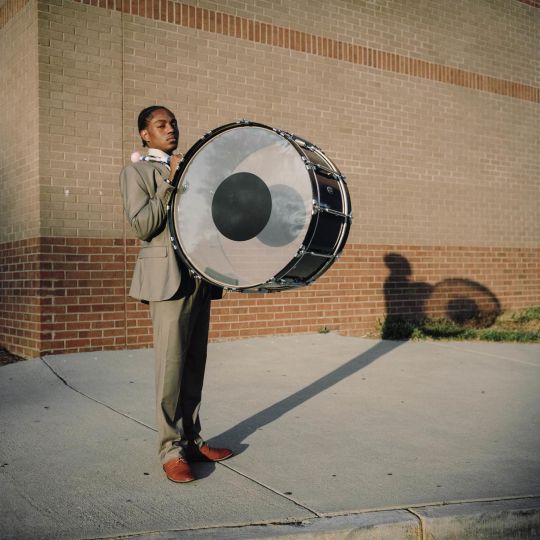
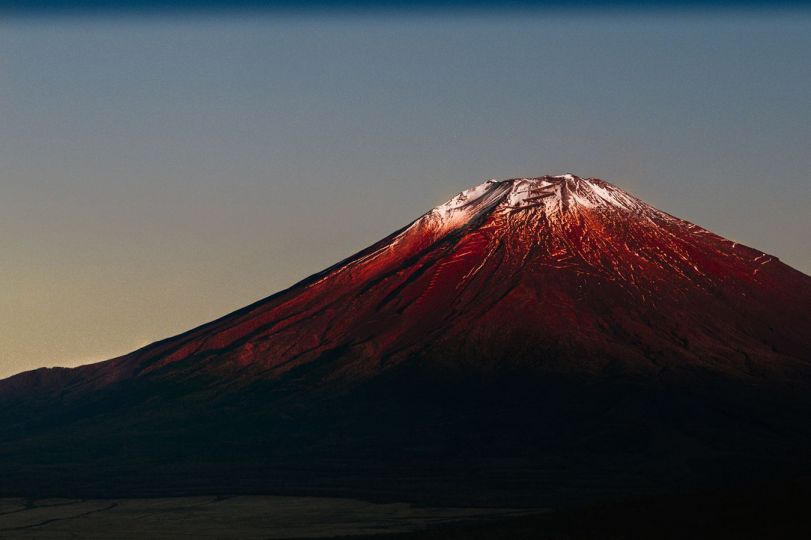
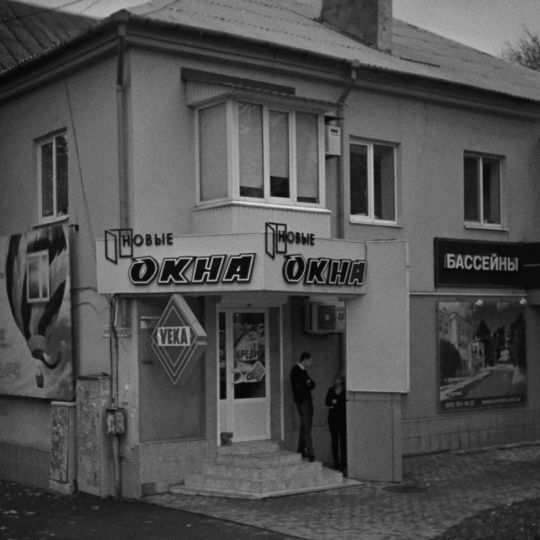
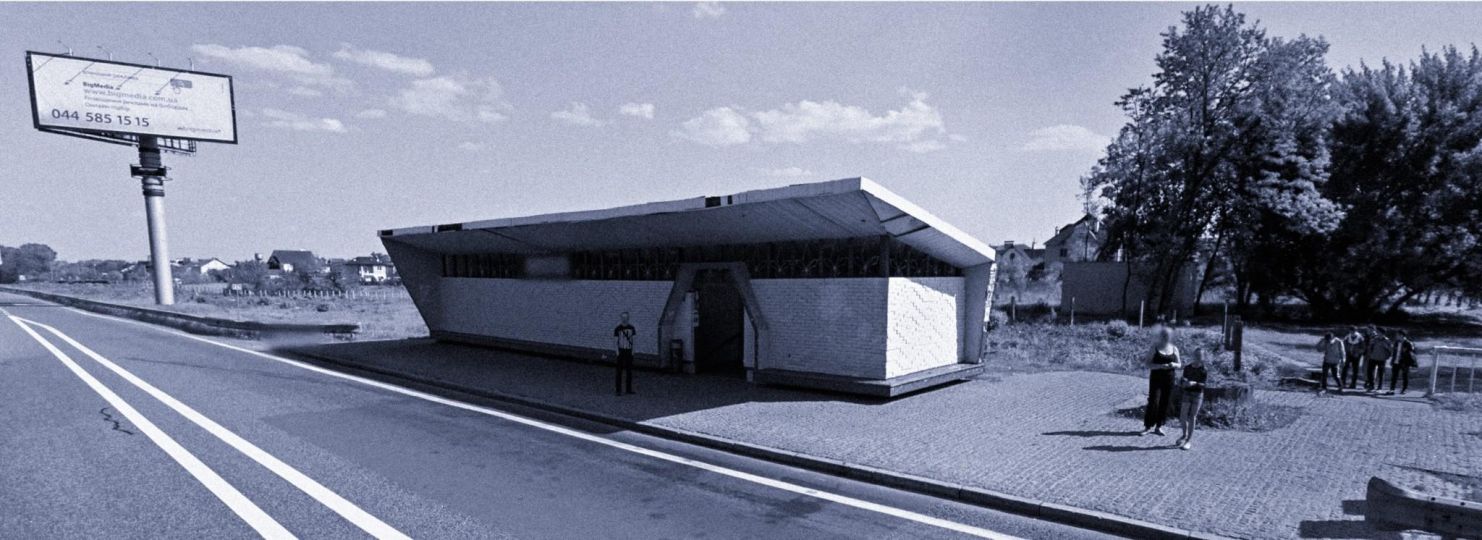
Two key words here: intimate and digital. For this project, Kostia Hornain Debain traveled across Ukraine, his birth country, but not in the “classical” way, walking through the streets with a camera in hand. He did it from behind his screen, using Google Earth and Street View. He explains:
“I was born in Ukraine and spent a year in an orphanage in the city of Donetsk before being adopted by my French parents. I grew up in Paris. At the age of 20, I felt a deep need to return to my country of birth, to reconnect with my roots. But very shortly after, in February 2022, the war in Ukraine changed everything. Today, I feel like I’m going against the current.”
That feeling took shape as a project — first a book, and now an exhibition. “Contre-Courant, récit d’un retour aux sources” (“Against the Current, a Story of a Return to the Roots”) — a title and subtitle that encapsulate his approach, as he decided to make the journey anyway, tracing the path in reverse from the one he took more than twenty years ago. The trip begins in Kyiv, the city he departed from to go to France, passes through Donetsk, where the orphanage was, and ends in Sejnoia, his birthplace.
It’s a spatial wandering, but also a temporal one, since the images he sees on his screen — which allow him to discover these cities — are of uncertain dates. This temporal blur appeals to him: he navigates between fiction and reality — his own imagined narrative projected onto these still-unknown places, and a tangible reality made accessible through the precision of geolocation tools.
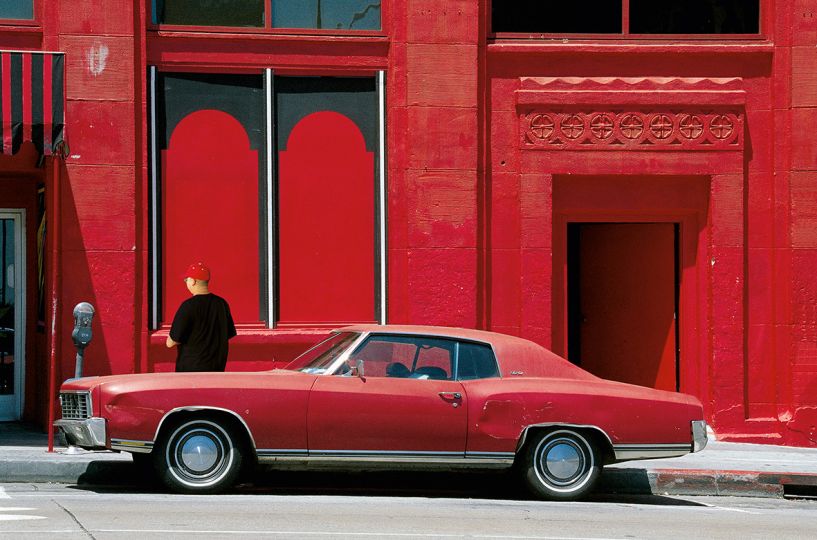
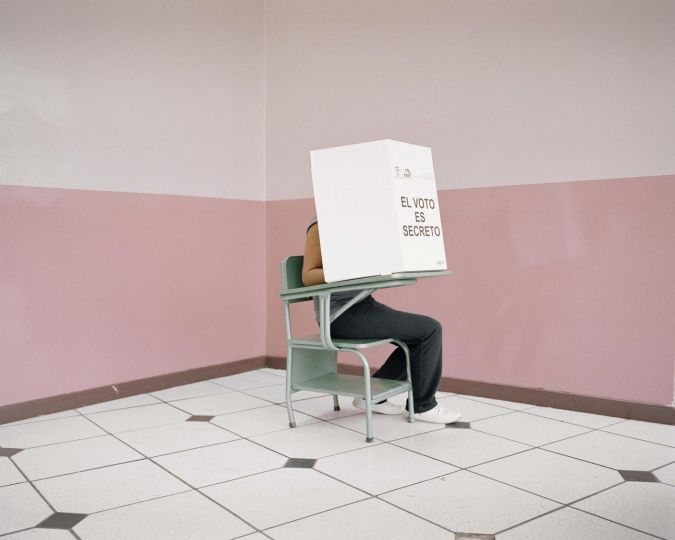
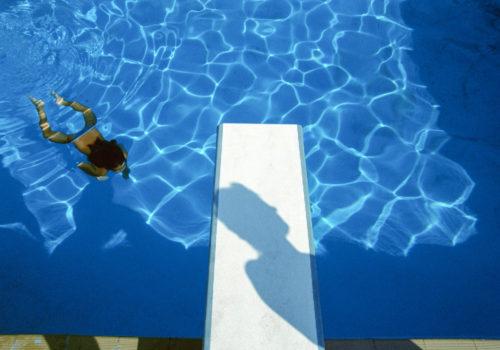
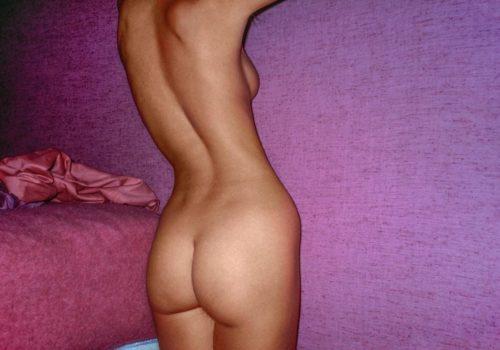
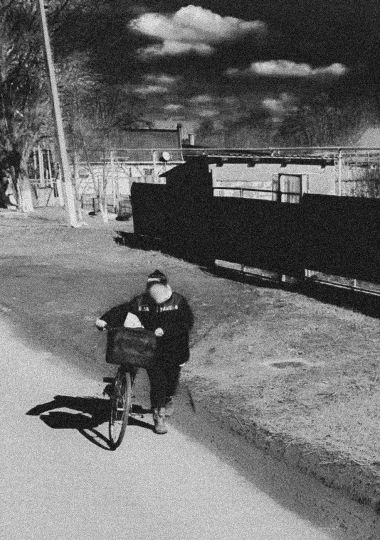
To these images, he adds poignant accounts from Ukrainian refugees in France. These testimonies act as interludes — sudden returns to the present, as if this intimate quest also ran counter to the stream of current world events. Though one might come across a tank in a street, much of the imagery consists of landscapes, people in motion… almost like street photography evolving according to each city.
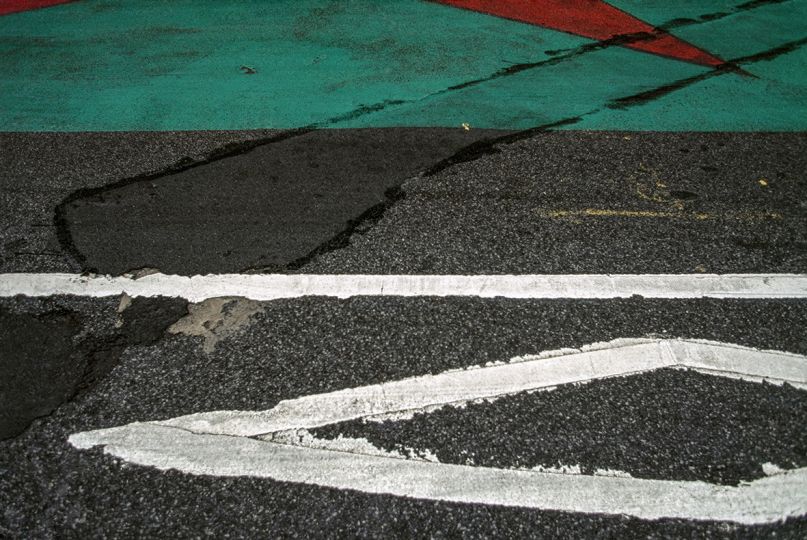
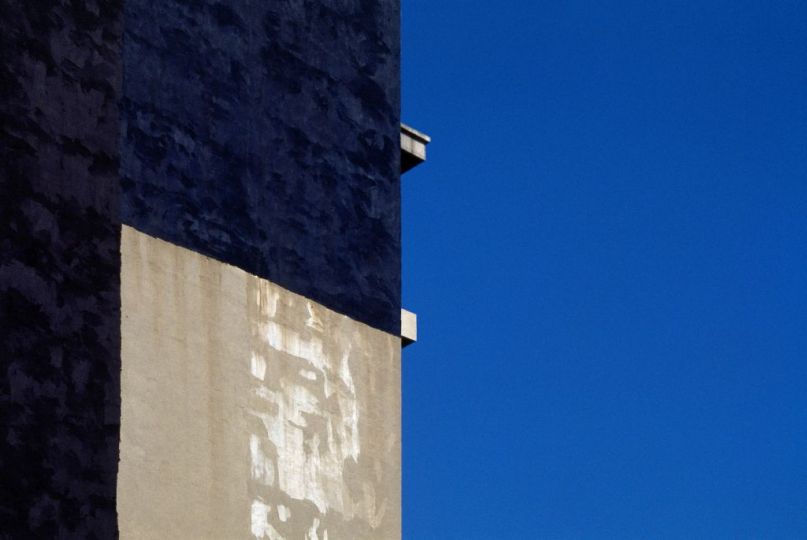
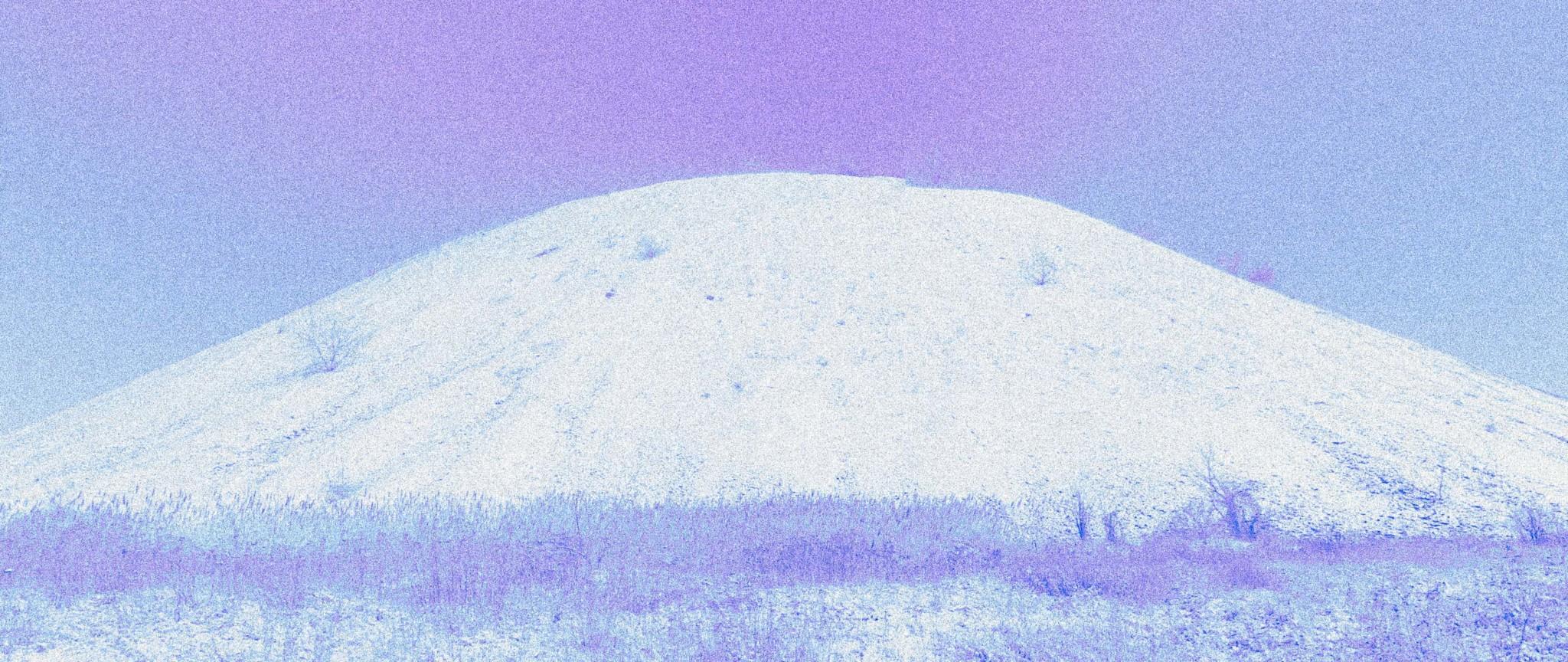
Each city receives a specific treatment, requiring lengthy post-production. “Every image was like a painting,” he tells us. An approach that echoes the words of Susan Sontag, who wrote in the last century that photography remains “as much an interpretation of the world as paintings and drawings.” The visuals range from bluish tones, to black and white, to more vivid colors at the starting point the arrival in Sejnoia. A way for the artist to suggest hope, infused with humanity.
Marine Aubenas
Plus d’informations