Spirit and Flight
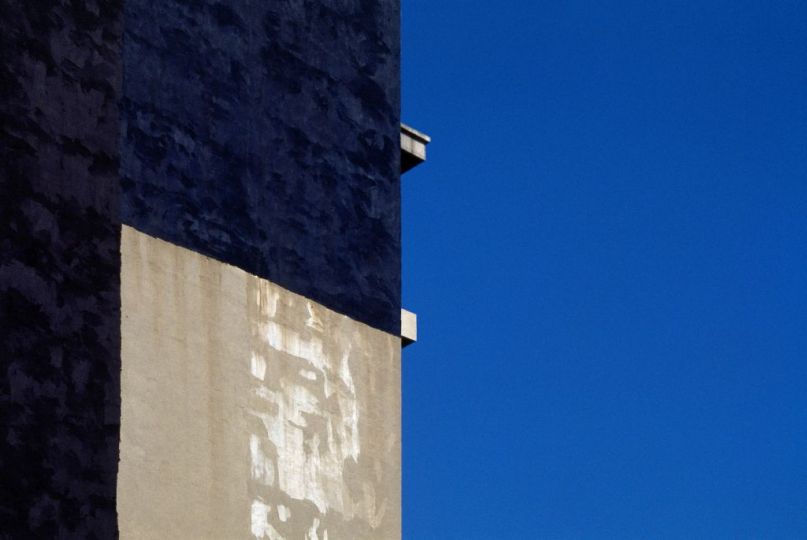
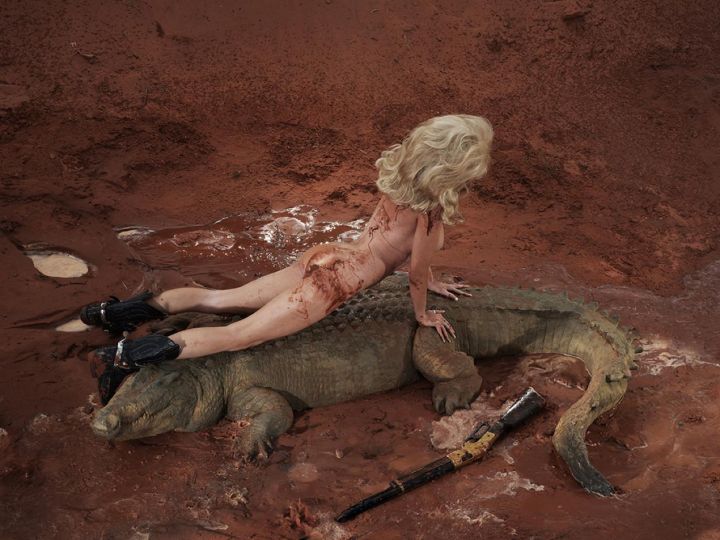
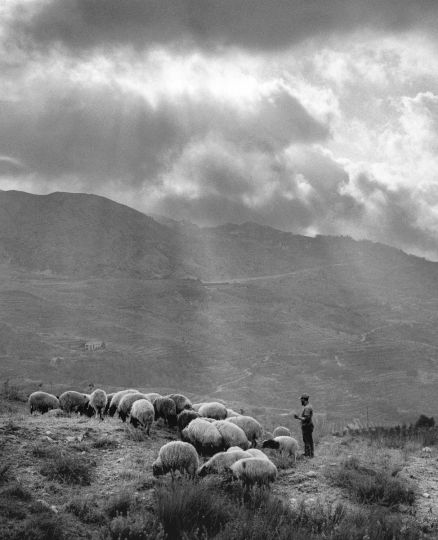
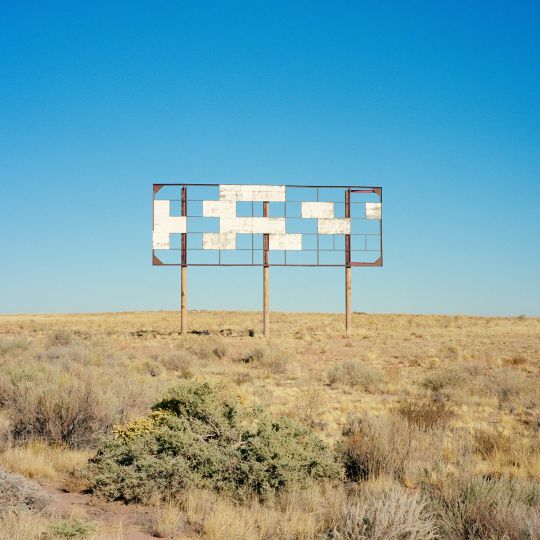
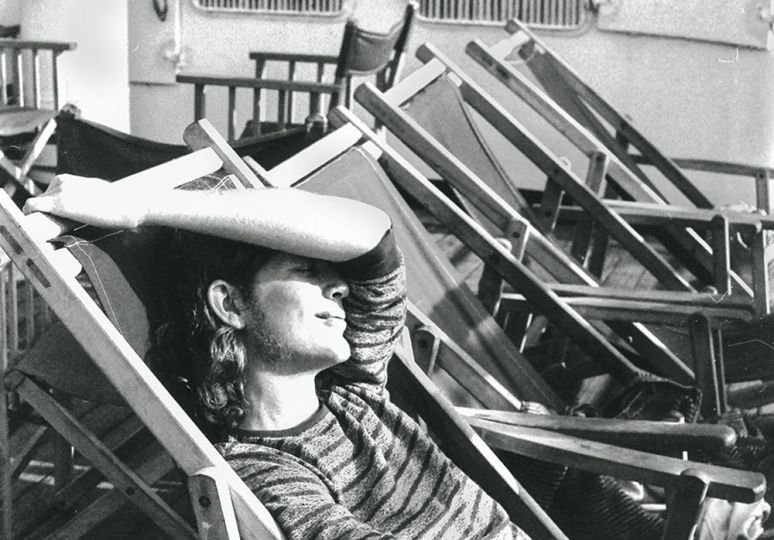
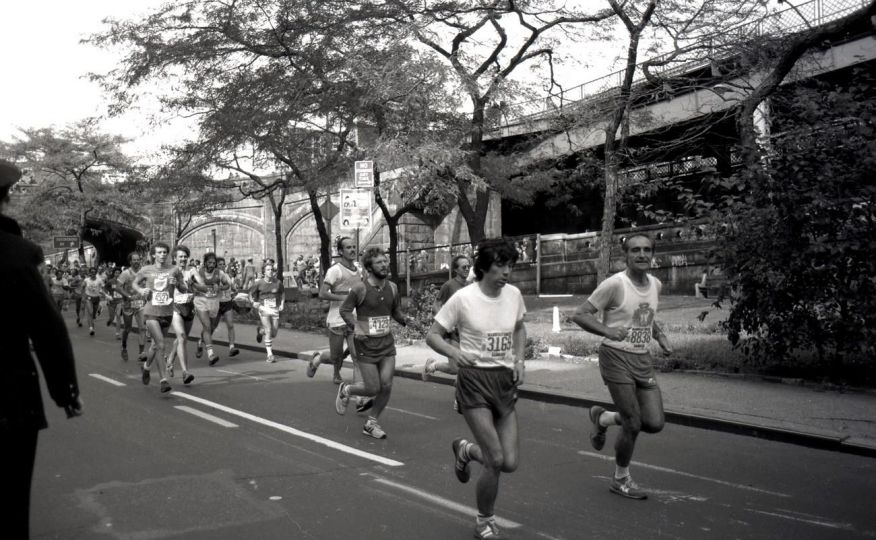
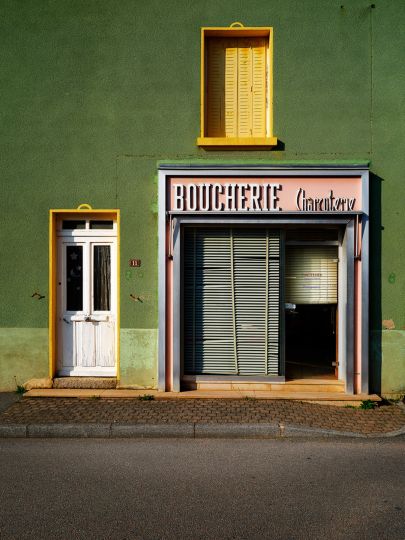
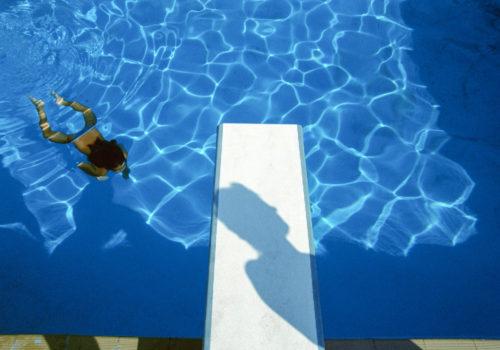
Spirit and Flight presents a visually and conceptually rich body of work in which Diamond articulates a dynamic interplay between physical navigation and psychological introspection. Through the medium of what he terms “photozographia,” the artist engages with the urban environment—specifically the cities of London, Istanbul, and Milan—not merely as geographical sites, but as spaces charged with spiritual and poetic resonance. The series is notably influenced by Orhan Pamuk’s The Museum of Innocence, particularly the novel’s museological framing of memory through intimate, self-contained narrative cabinets. This literary reference informs Diamond’s structural and thematic approach, suggesting an archival impulse within his photographic practice.
Central to Spirit and Flight is Diamond’s lifelong negotiation with a neurological and ocular condition that distorts visual perception. Rather than concealing this perceptual difference, Diamond foregrounds it as a critical aspect of his artistic methodology. The condition functions not as an impediment but as a perceptual framework—an alternate lens through which the urban world is rendered in unfamiliar, often estranging terms, however this not a metaphor, it is Diamond’s reality. The resulting imagery evokes a heightened sensory awareness and emotional intensity, suggesting a continual oscillation between disorientation and insight.
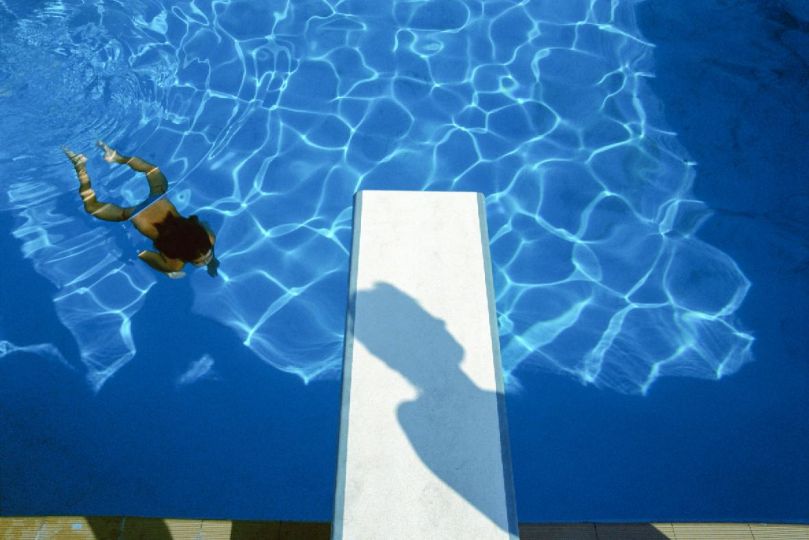
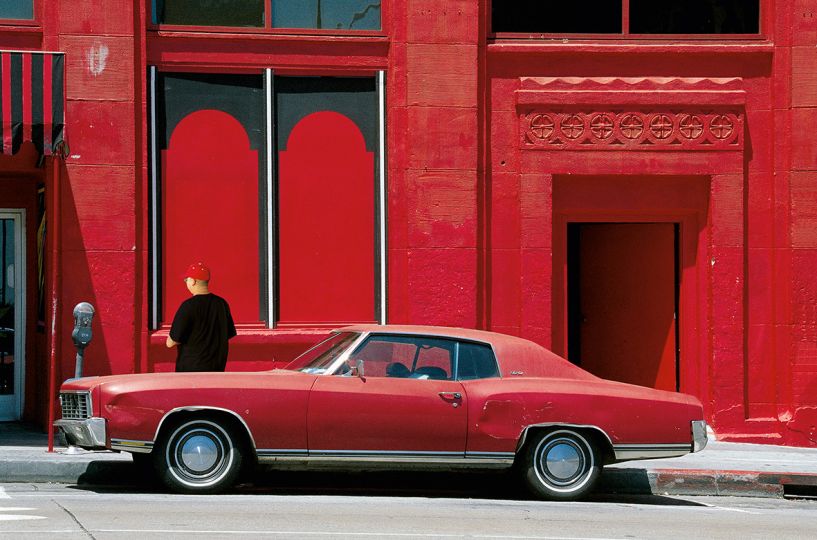
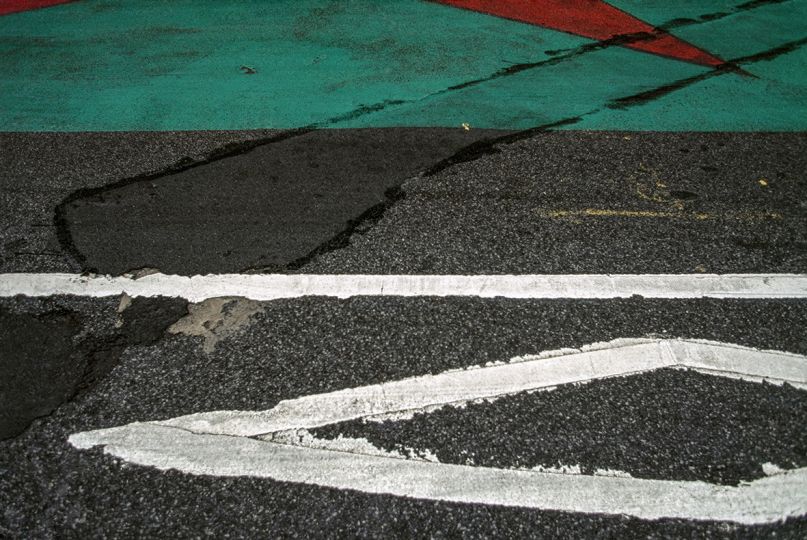
Diamond’s use of fragmented montage and triptych forms serves to underscore this perceptual fragmentation. The visual sequencing resists linearity, reflecting instead a more fluid, disrupted mode of experiencing space and time. These compositional strategies mirror the artist’s embodied experience of moving through the city, wherein sensory overload and perceptual distortion become formative rather than obstructive. The urban landscape, in this context, is not merely reimagined but represented —as simultaneously alien and intimate.
Ultimately, Spirit and Flight constitutes a deeply personal yet broadly resonant inquiry into the nature of perception, memory, and trauma. Diamond’s work reconfigures visual impairment as a generative force within artistic practice, transforming personal affliction into a distinct aesthetic vocabulary. Through this reframing, Spirit and Flight challenges normative assumptions about vision and representation, offering instead a model of seeing that is at once fractured, affective, and profoundly revealing.