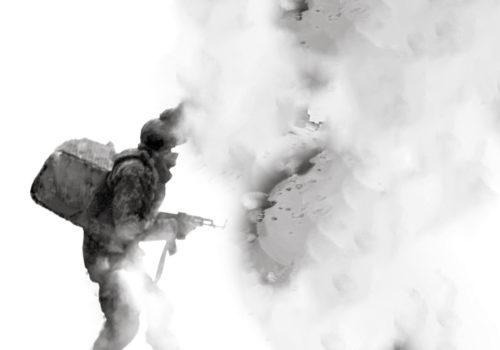
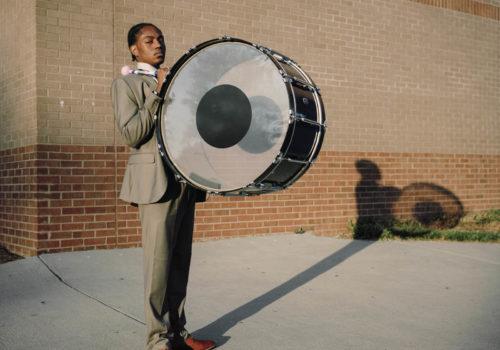
![Christian Boyer [Mes Frérots Photographes] © 2006 Thierry Maindrault [Cercle Optim'Art]](https://cdn.loeildelaphotographie.com/wp-content/uploads/2025/12/01-new-christian-boyer-mes-frerots-photographes-2006-thierry-maindrault-cercle-optimart-x540q80.jpg)
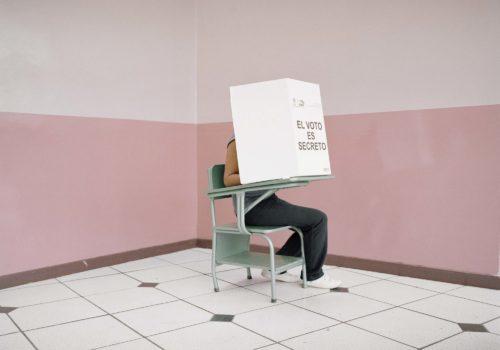
![La Classe Photographique [Mes Frérots Photographes] © 2006 Thierry Maindrault [Cercle Optim'Art]](https://cdn.loeildelaphotographie.com/wp-content/uploads/2025/12/02-la-classe-photographique-mes-frerots-photographes-2006-thierry-maindrault-cercle-optimart-x540q80.jpg)
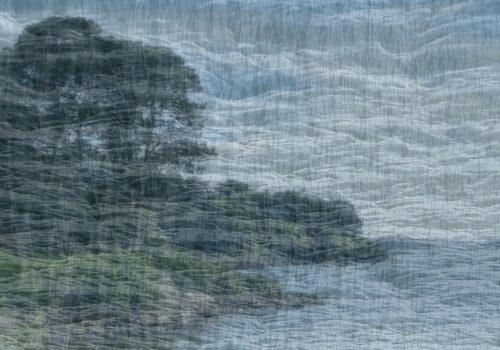
![Un Œil de Lynx [Mes Frérots Photographes] © 2006 Thierry Maindrault [Cercle Optim'Art]](https://cdn.loeildelaphotographie.com/wp-content/uploads/2025/12/03-un-oeil-de-lynx-mes-frerots-photographes-2006-thierry-maindrault-cercle-optimart-x540q80.jpg)
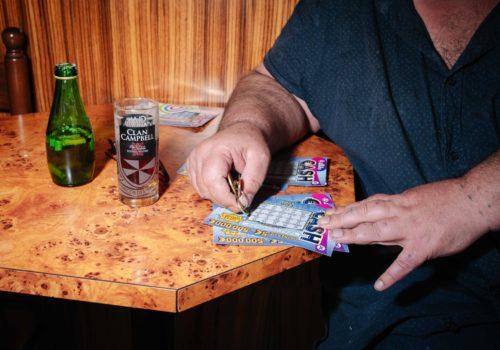
![L'Affût pour l'Image [Mes Frérots Photographes] © 2006 Thierry Maindrault [Cercle Optim'Art]](https://cdn.loeildelaphotographie.com/wp-content/uploads/2025/12/04-laffut-pour-limage-mes-frerots-photographes-2006-thierry-maindrault-cercle-optimart-x540q80.jpg)
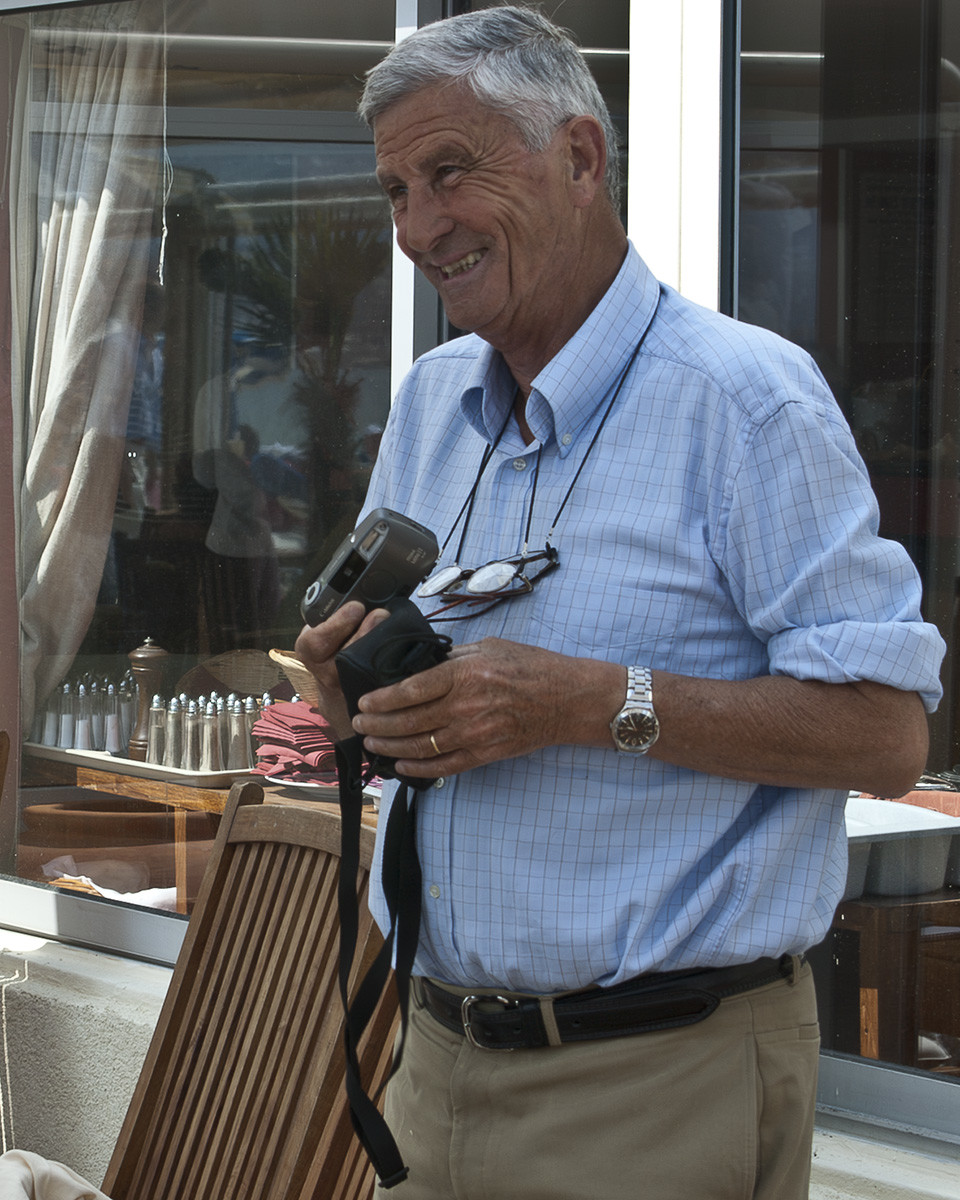
![La photo est bonne ... [Mes Frérots Photographes] © 2006 Thierry Maindrault [Cercle Optim'Art]](https://cdn.loeildelaphotographie.com/wp-content/uploads/2025/12/05-la-photo-est-bonne-mes-frerots-photographes-2006-thierry-maindrault-cercle-optimart-x540q80.jpg)

Our friend, Christian Boyer, took his final bow last Friday, with his legendary discretion. This great photojournalist had the gift of making himself invisible in order to show us an uncompromising view of the world.
Christian Boyer was born on June 4th 1941 in Gennes, in the Maine-et-Loire département, with all the character traits of that Anjou region.
At 16 he started out as an apprentice in Chemillé, then four years later took a paid job as a photographer in Montargis, the stepping stone on the way to Paris.
In 1965 he joined Jours de France, the prestigious magazine of the time, whose offices were on the Rond-Point des Champs-Élysées, as a reporter. The “kid” who ran everywhere, at all hours, day and night, to illustrate the pages of this weekly. He was talented, the boss noticed him, and a few years later he would be made a special correspondent.
He travelled all over the world. He photographed countless figures from politics, sport, the arts and literature. But his real passport was gaining accreditation with the Présidence de la République. That clearance made him the photographer of the first five presidents of the Fifth Republic. During one conversation, Line Renaud confided to him: “…you were a globalist before your time; you photographed the whole world over the years of your life.”
He was appreciated by his fellow photographers (which is rare in the photography world), and was elected secretary of the Association de la Presse Présidentielle. When they spoke of him, his colleagues called him: “president of the photographers and photographer of the presidents”. He did not dislike the phrase. Yet our friend Christian, blended into the landscape of that era and respected by all, was capable of the wildest antics, both to achieve his photographic aims and to live in accordance with his philosophy.
In 1985 he was promoted editor-in-chief of the photo department at Jours de France. In the year that followed, Jacques Chirac hired him for the photographic service at Matignon, before asking him to set up a photographic department for the City of Paris which he headed for fifteen years.
From their first chance meeting, following a long-term reportage on the Corrèze, Christian had become close to Jacques Chirac, and his friend. That straightforward friendship and mutual respect lasted until Jacques’s death Chirac had become the most country-minded of French presidents, and that countryman Christian had become the most Parisian of photographers.
As for his photographs, tens of thousands of them (on film), they were always frozen at the exact instant. As for the angle and the composition (so essential in photo-reportage), they conveyed nothing but the event itself, with its information and the emotions it aroused. No obstacle was allowed to stand in the way of the desired result, even if Christian had to kneel down, lie on the floor or climb onto a table during an official, even ceremonial event. Nothing escaped his “eagle eye”, and he made it a point of honour to share it. That is, after all, very much the principle of reportage photography, isn’t it?
Farewell, comrade and friend; you have left us, in your own way, on tiptoe. But, as with each of your photographs, your friendship and your talent will stay with us for quite some time yet.
Thierry Maindrault
The funeral is scheduled December 30th 2025, at 3 p.m., in the church of Saint-Guénolé in Batz-sur-Mer.