Tabula Rasa, a clean slate, a radical gesture which is also the title of the exhibition of Livia Melzi, Brazilian artist-researcher, currently on display at the Parisian gallery Salon H.
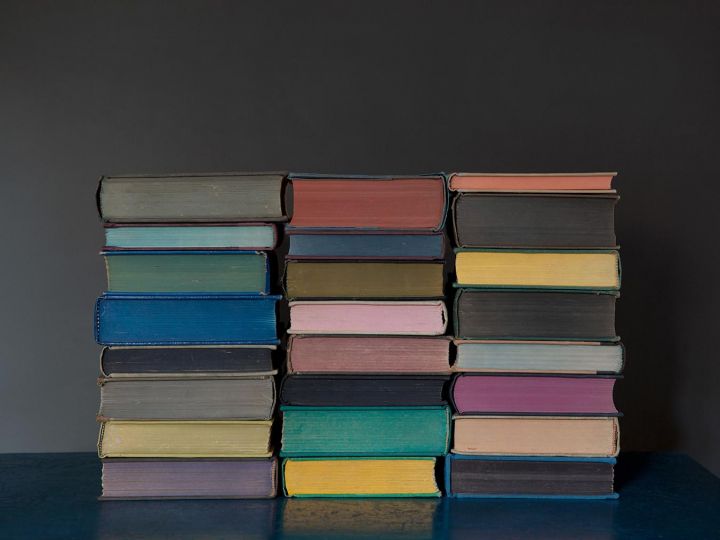
This symbolic concept took a brutal and very real form in the tragic fire at the National Museum of Rio in 2018. More than 20 million objects, from one of the richest ethnographic collections in Latin America, disappeared in the flames. A few treasures miraculously escaped destruction: the Bendegó meteorite, fragments of indigenous ceramics, photographic collections… Livia Melzi immortalized them with a view camera, in a series of more than two hundred images, some of which are exhibited here. Oscillating between museographic inventory and work of art, these photographs offer a first clue to answer the question raised by this tragedy: what will the future National Museum of Rio be filled with?
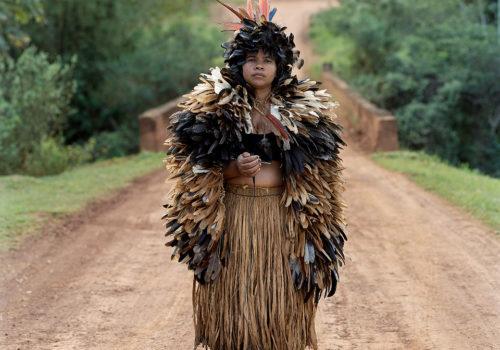
Another element of the answer can be found in the Tupinambá capes, a subject of the artist’s research for several years, presented notably in 2022 at the Palais de Tokyo. Originating from the Tupi warrior peoples of the Brazilian coast and originally used for anthropophagous rituals, these capes made of scarlet ibis feathers played a central role in the formation of European colonial imaginations from the 16th century, helping to shape the figure of the “naked cannibal,” fueling the dissemination of ambivalent and stereotypical images. Today, only eleven remain, and until the end of 2024, they were exclusively preserved in European museums. Eager to forge a direct connection with these objects, Livia Melzi went to discover them. Photography then became an essential means for her to approach them, often relegated behind glass cases or in storage. Four of these “portraits” are presented here.
This event finds an echo in the figure of Johan Maurits van Nassau-Siegen, whose image embodies the symbolic and economic violence of colonial exchanges. In an activist gesture, Livia Melzi recovered the original mold of his bust, still erected today in three cities around the world, in order to prevent any further reproduction. From it, she created a blown glass negative. Placed on the fragment of this disintegrating face, the work symbolizes both the fragmentation of looted objects and the dislocation of former figures of power.
A dislocation that gives way to other references. On the opposite wall, we can admire the self-portrait of Glicéria Tupinambá, co-created with Livia Melzi in 2022, where she wears the Tupi coat she made herself, in a powerful act of political and feminist reappropriation. An artist and activist, recently exhibited at the Venice Biennale, she is one of the representatives of indigenous communities to join the Rio Museum’s team. A major first for the institution.
The clean slate, far from being limited to destruction, embodies a promise of rebirth. By using photography as a tool for redistributing power, Melzi questions the current challenges facing museums and thus participates in the “urgent work of imagination” to reinvent cultural institutions, dear to Françoise Vergès. A subject she continues to explore, even now, by reflecting on the future of European museums after the restitutions. What will remain to be exhibited? What to do with this void? A speculative fiction, but more relevant than ever. So, keep an eye on it.
Marine Aubenas
Tabula Rasa : Livia Melzi
Until April 18, 2025
Galerie Salon H
6/8 Rue de Savoie
75006 Paris
https://salonh.fr/