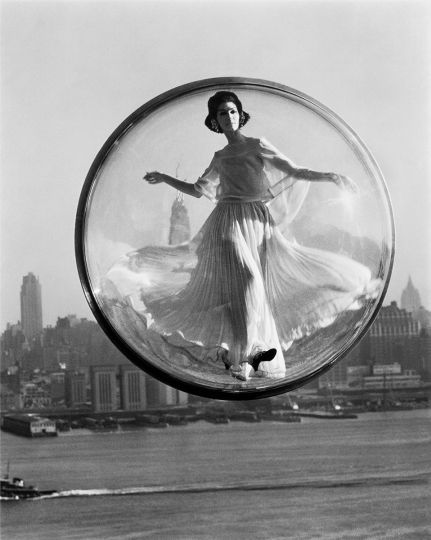
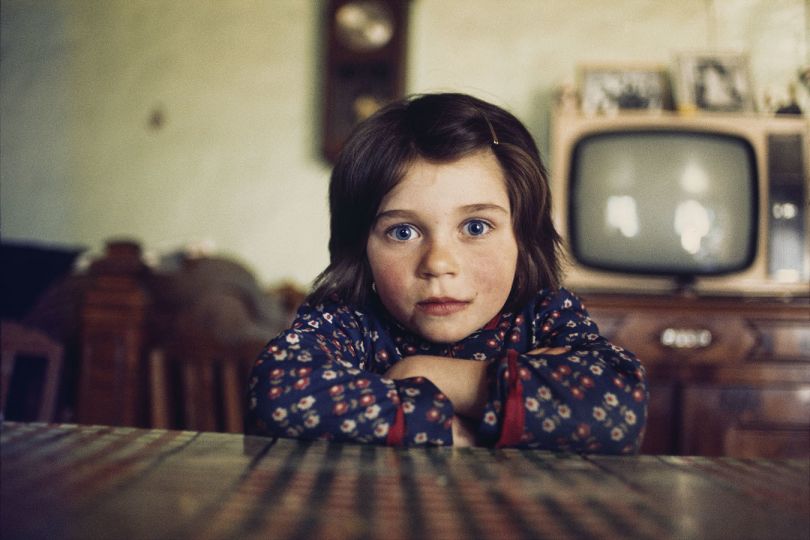
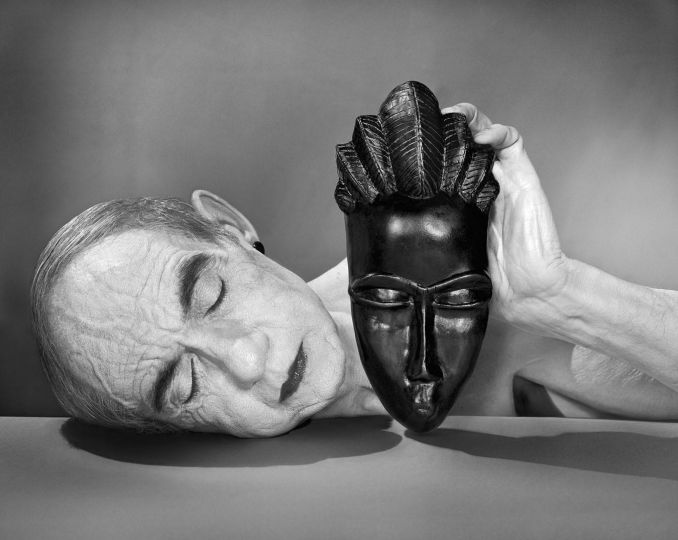
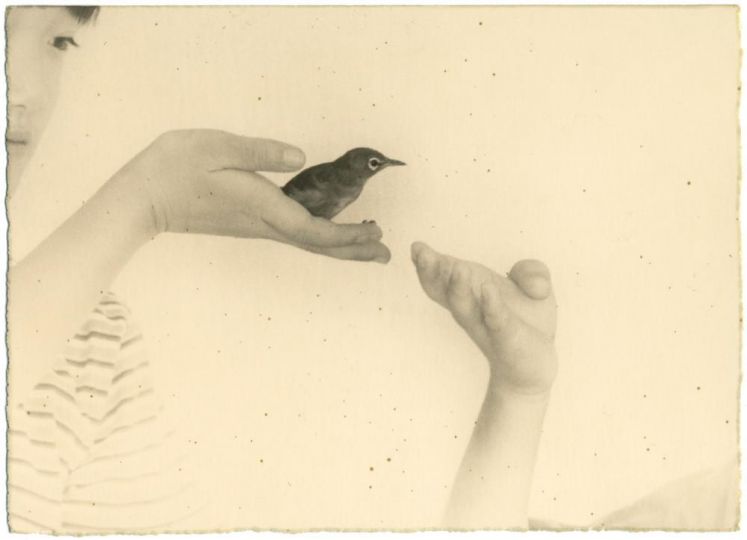
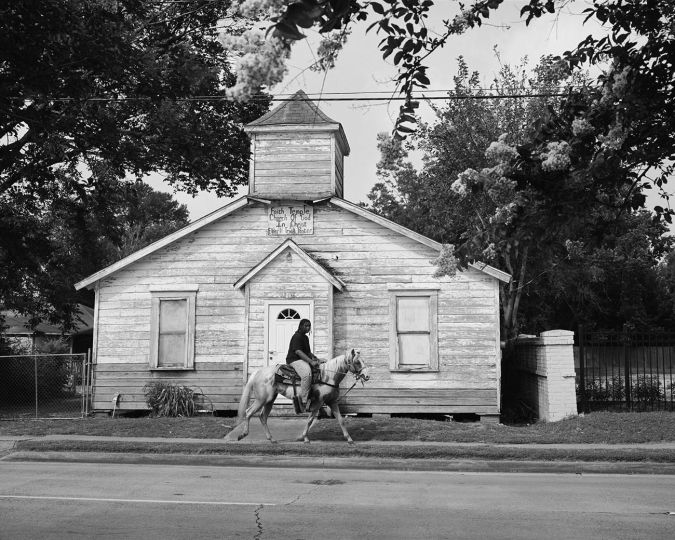
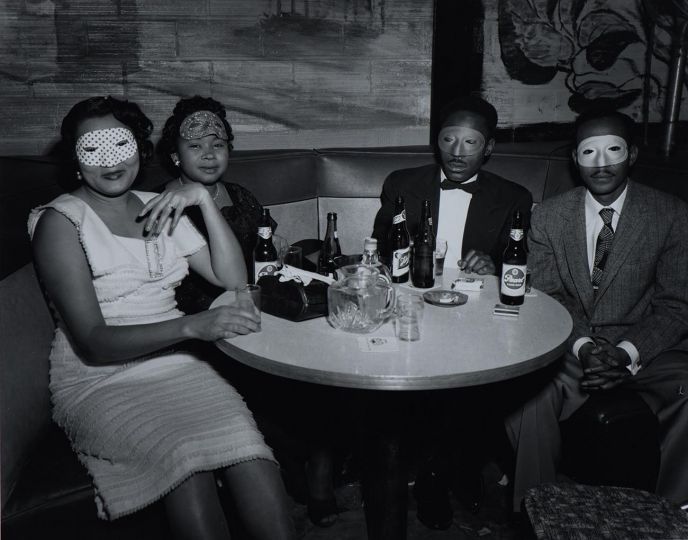
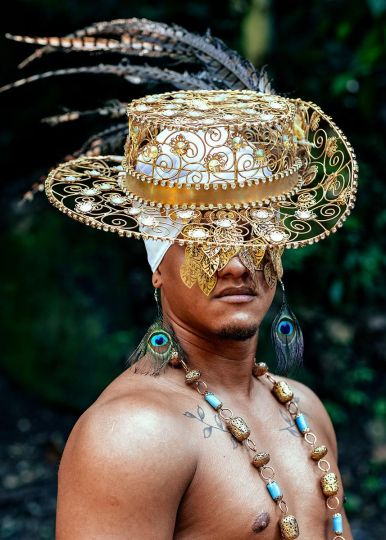
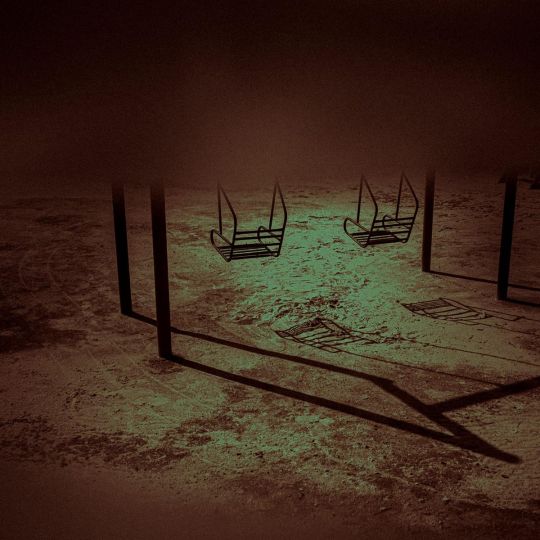
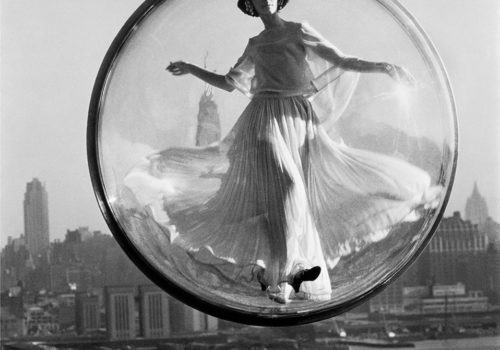
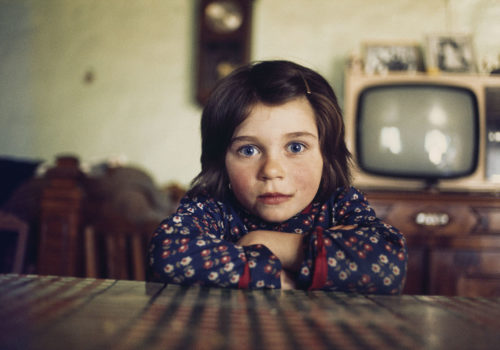
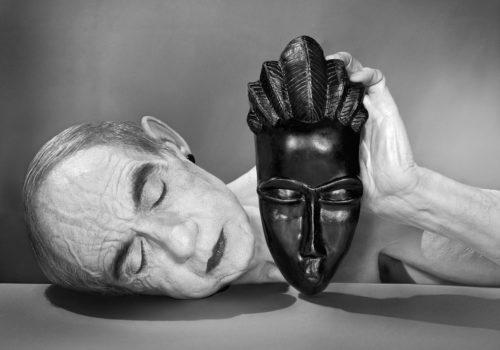
This fall, CPW in Kingston, NY, presents a program of exhibitions exploring memory, cultural identity, and everyday life in the American South. At the heart of the season is Everyday Culture: Seven Projects by Documentary Arts, surveying four decades of work by Alan Govenar and the pioneering cultural organization he founded in 1985, accompanied by a catalog published by CPW. Alongside it, Kinship & Community, curated by Nicole Fleetwood, draws from the Texas African American Photography Archive (TAAP), which Govenar co-founded in 1995, and Between a Memory and Me features Rahim Fortune’s intimate portraiture of Black Southern communities, including new color photographs created in response to the TAAP, which will also appear in the forthcoming Aperture/Documentary Arts publication Kinship & Community.
A Guggenheim Fellow with projects spanning photography, film, and theater worldwide, Govenar has long championed overlooked cultural practices—from tattooing and blues to vernacular photography and folk art. Beyond CPW, Govenar’s year includes new books on American tattoo history, the forthcoming film Quiet Voices in a Noisy World: The Struggle for Change in Jasper, Texas (premiering at NYC’s Cinema Village in November), and ongoing theater projects internationally. In this interview, he reflects on the origins of Documentary Arts, the role of folklore in America today, and the evolving meaning of “everyday culture.
Everyday Culture at CPW – Interview with Alan Govenar by Myrtille Beauvert
Myrtille Beauvert : What compelled you to found Documentary Arts in 1985, and the Texas African American Photography Archive ten years later in 1995?
Alan Govenar : I founded Documentary Arts to advance new perspectives on historical issues and diverse cultures. My definition of documentary is open-ended and is a lens for assessing what I experience. The subjects I focus on define my medium of expression, and the approaches I take result in documentary works in different forms: photographs, films, videos, sound recordings, non-fiction books, interactive multimedia, as well as in poetry, novels, and musical theatre. Stretching the boundaries of academic disciplines and conventional thinking, I look for documentary truth in the natural world, but also in journalism, literature, cinema, and visual art. Documentary Arts is an interdisciplinary, project-driven nonprofit organization that has worked to nurture a network of like-minded individuals and collaborators.
The Texas African American Photography Archive is an outgrowth of work I started in 1984 as part of “Living Texas Blues,” a book, a cassette anthology, and three short films, commissioned by the Dallas Museum of Art. I looked for images by Black photographers but discovered there were few, if any, identified in the collections of museums and cultural institutions in the state. I began researching Black business directories and found, surprisingly, some of the photographers listed, who had started their careers in the 1940s, still had the same telephone numbers.
In Houston, I met Benny Joseph, and my collaborations with him, reviewing thousands of negatives and making prints of his work, predated the founding of Documentary Arts. In 1986, Documentary Arts organized the exhibition “The Early Years of Rhythm and Blues: The Photography of Benny Joseph” that traveled to 29 cities over the next six years. The review of my book that accompanied the exhibition in The New York Times propelled the growth of the Texas African American Photography Archive. Benny Joseph introduced me to Herbert Provost, Louise Martin, Elnora Frazier, Juanita Williams, and Hiram Dotson, who all contributed prints to the Archive, as did other photographers I researched in Dallas, Lubbock, Tyler, and Lubbock.
Over the next decade, Documentary Arts’ collections of Black photography grew exponentially, and in 1995, artist Kaleta Doolin and I founded the Texas African American Photography Archive, recognizing not only the need to preserve the collections, but to also make them accessible to the public at large through exhibitions, publications, and outreach programs.
How has your experience as an anthropologist and folklorist informed your practice of photography and cultural documentation?
Alan Govenar : My experience as an anthropologist and folklorist opened ways of thinking that guided my documentary practice, helping me to better understand the subjects of my documentary work by actively involving them in the process of its creation.
Everyday Culture spans four decades of projects with Documentary Arts. What guided your choices in deciding which cultural practices and communities to document, and how do you see them resonating today?
Alan Govenar : My work with Documentary Arts has focused on areas of expressive culture that have been poorly documented and often marginalized. Each of the seven projects in the Everyday Culture book and exhibition have been enduring since inception. Sustained interaction with the subjects of my documentary work has been essential to the organization’s growth over the years.
My work on tattooing began in 1973 and continues today, not only in by my photography, films, books, and exhibitions, but in advocacy. Currently Documentary Arts is working with the Tattoo Archive and the Tattoo Historical Society to establish a Tattoo Institute with a digital archive and a repository for research materials and collections.
Documentary Arts has worked in Jasper, Texas, since 1996; first, preserving the collection of Black photographer Alonzo Jordan, but then collaborating with community leaders to organize exhibitions and publications. Documentary Arts’ newest feature-length documentary film Quiet Voices in a Noisy World: The Struggle for Change in Jasper, Texas, premiering at Cinema Village in New York City, is a tribute to the indomitable spirit of a group of African American volunteers in Jasper, Texas to overcome adversity through hard work, self-reliance, and community engagement. Plagued by a long history of virulent racial violence, these volunteers have spearheaded an unprecedented number of projects to reclaim the dignity of their community and to advance social justice. Quiet Voices in a Noisy World could not be more relevant in today’s world, at a time when attempts to rectify the injustices of history are being undermined by the politics of erasure. The African American volunteers in Jasper, Texas demonstrate a path forward against all odds.
Many of the subjects you’ve worked on—tattooing, blues, Black cowboys, folk art—were once considered marginal or “outsider” forms. How do you think perceptions of these practices have evolved over time?
Alan Govenar : Each project undertaken by Documentary Arts has had a different trajectory.
Clearly, when I began my book and film Stoney Knows How in the mid-1970s, tattooing was largely seen as a form of deviance, a rebellion against social norms. My mission was to document the ways tattooing was an art form that didn’t fit neatly into the hierarchy of expressive culture. Tattooing was not simply a folk art; it also championed iconography of popular culture and attracted the interest of fine artists and museum curators. Ironically, in today’s world, tattooing, perhaps, the most forbidden art form in the Western World, has become one of the most common, but is still not fully understood in the cultural mainstream.
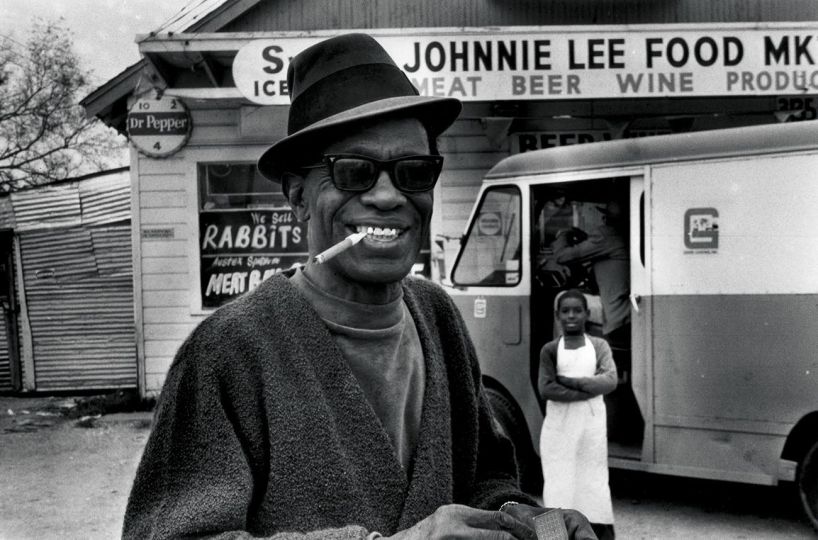
My research and documentation of Texas blues was a response to the Mississippi-centric interpretation of the origins of the blues. In my photographs and films, I worked to establish the regional distinctiveness of Texas blues as part of the larger African diaspora in America. Texas was one of the last destinations of the illegal slave trade in the 1830s and African influences are strong in the music of Black East Texas, as evidenced by the presence of African-styled fiddles and chordophone instruments (the antecedent to the American banjo). Documentary Arts focus on blues has produced photographs, films, exhibitions, books,and musical theatre productions.
Folk art has had a different arc. When collecting folklore and folk art in the 1970s, I had little understanding of its commercial value. But as the folk and outsider art market began to emerge in the 1980s, Documentary Arts worked to develop a more equitable model. When I founded Documentary Arts in 1985, I was determined to address the issues of cultural appropriation, extraction, and exploitation by bringing forth the points of view and needs of the people being documented and by working from within, collaborating with artists, community leaders, and local people who are usually not consulted or involved. As Bob Ray Sanders, one of Documentary Arts’ founding board members, points out, “Cultural appropriation implies taking something from someone in an exploitative, disrespectful, or stereotypical way, which is exactly the opposite of what Documentary Arts has done for the past four decades through its exhibitions, books, films, and Black photography archives. Indeed, this organization has highlighted individuals and cultures and brought many into prominence they had never known. Rather than ‘appropriation,’ the organization has shown ‘appreciation.’ Rather than exploitation, Documentary Arts has made it a point to provide ‘compensation’ to those artists and participants who rarely received any remuneration. Instead of ‘stereotyping,’ this group made sure to have advisors who wouldn’t dare allow such a thing.”
What is the role of vernacular photography and community studio photographers in American recent history and culture?
Alan Govenar : Vernacular photography is a means through which people validate themselves, their families, and their communities. In today’s world virtually everyone has a cell phone camera, at the very least. Trillions of photographs are generated each year. Community studio photographers have a different role; they are committed to affirming the cultural identify of those who appear in the structured compositions of the studio environment. During the years of segregation, Black community photographers worked to bolster the self-esteem of their clients, highlighting their achievements and affirming their dignity.
In your view, what is the place of folklore in today’s America, especially at a moment when debates about history, memory, and cultural identity are so charged?
Alan Govenar : The place of folklore in today’s America is under siege, a battleground where cultures clash with one another. Historically, folklore has been transmitted by word of mouth and customary example, and has reinforced, and in some instances, has challenged established cultural values. Myth, heralded for its epic truth, in the non-Western world is often disdained in common usage as synonym for all that is false.
Social media has become a voice for folklore and its nemesis fakelore that mirrors traditional forms of expression but distorts its intended meaning. What and how we believe is being challenged at every turn on the internet. Despite these obstacles, folklore endures in local communities through the vitality of time-honored traditions
In response to the unrelenting debates about history, memory, and cultural identity, Documentary Arts launched the online magazine Truth in Photography, which explores issues vital to truth in image-making that are crucial to our understanding of the world today. This website questions the concept of truth in photography by presenting multiple points of view, featuring diverse curators, photographers, critics, and historians, and integrating vernacular photography, photojournalism, and art photography. Truth in Photography interrogates the nature and intentions of the medium and examines the relationship between photographers and their subjects. Truth in Photography was developed by Documentary Arts in association with Magnum Photos, Aperture, and International Center of Photography.
Text and interview by Myrtille Beauvert
Everyday Culture: Seven Projects by Documentary Arts, Kinship & Community: Selections from the Texas African American Photography Archive, and Rahim Fortune: Between a Memory and Me run from September 20, 2025 – January 11, 2026.
Visit CPW
25 Dederick Street
Kingston, NY 12401
Gallery Hours: Thursday to Sunday 11am – 5pm
More info on www.cpw.org