The Second Writing
Dare the Second Writing
All photographers know that photo(n)-graphy is the art of writing with the grain of light, with the photon. But what is often forgotten is that light knows how to write in two fundamentally different ways. There is the first way of writing, the one that produces all the images we know: point by point, pixel by pixel. However, there also exists another form of writing, one that manifests itself stroke by stroke.
Unfortunately, nothing seems to speak in its favor.
It appears to offer only disadvantages.
It is the source of many flaws and image-quality issues.
Moreover, it is incapable of drawing a faithful copy of reality.
Thus, no one is interested in it.
Worse still, it is sometimes even portrayed as the enemy of photography itself.
And yet, whether we like it or not, these two forms of light writing exist, each as legitimate as the other. However, in the eyes of photographers, one is considered noble, while the other remains undesirable, for it has yet to prove any real graphic usefulness.
At least, until now.
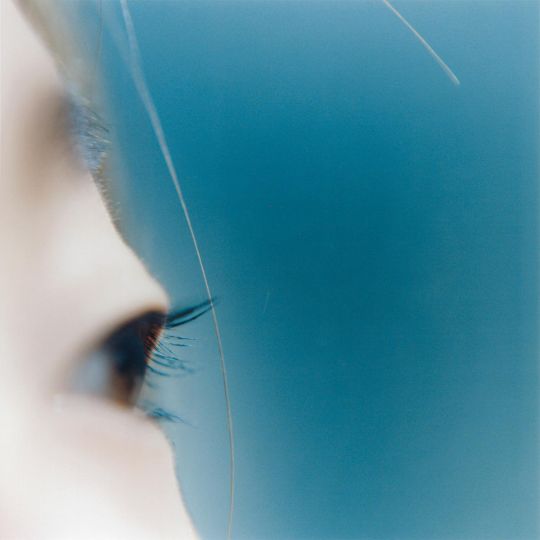
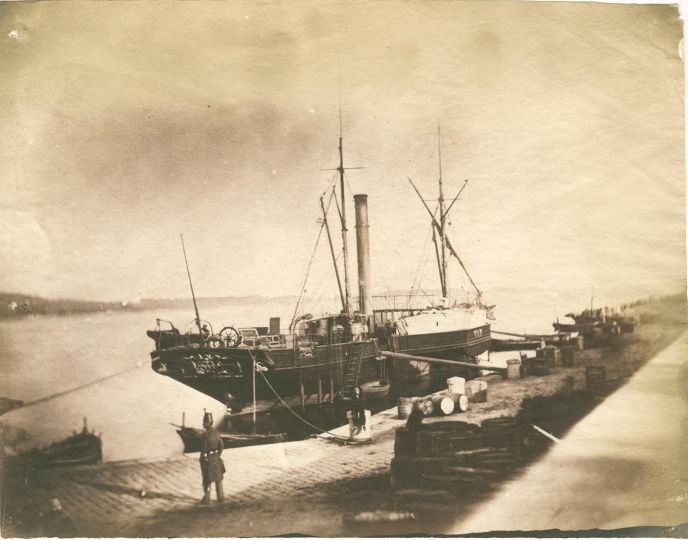
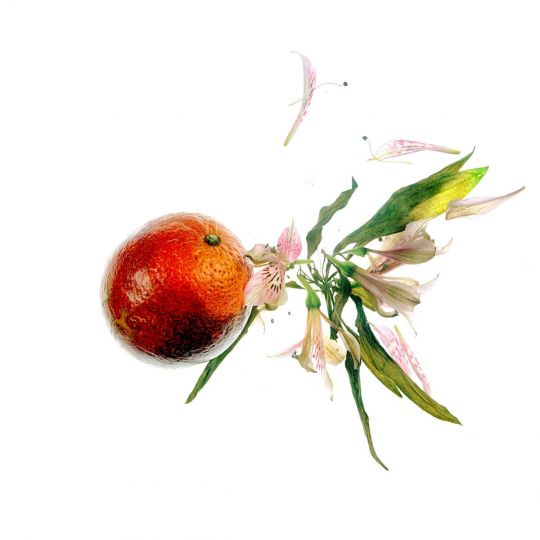
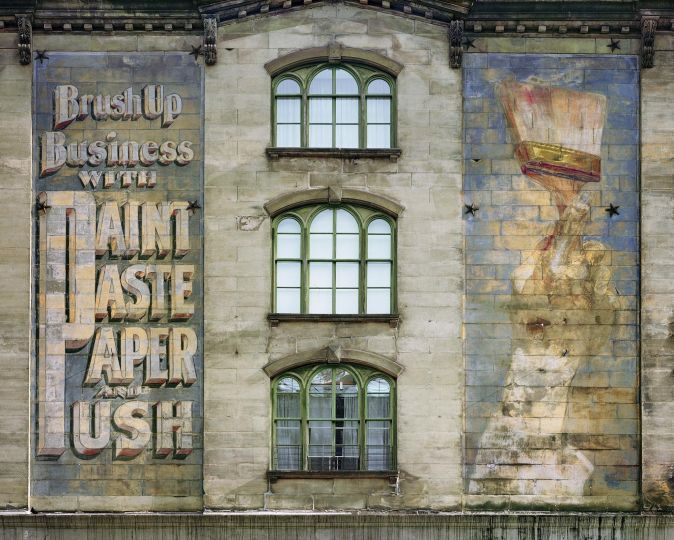
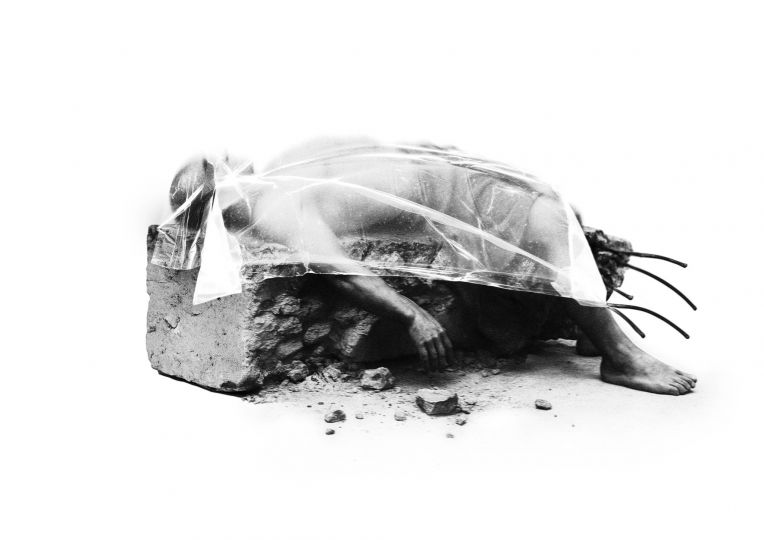
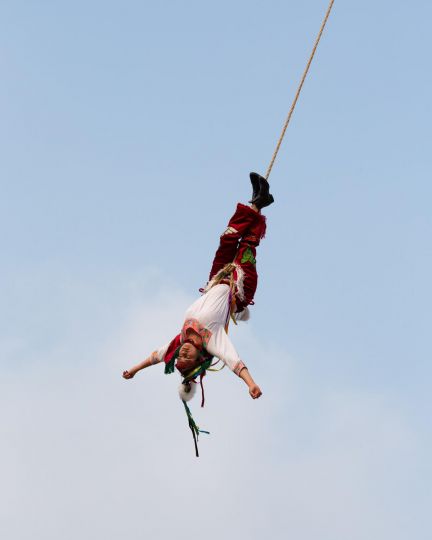
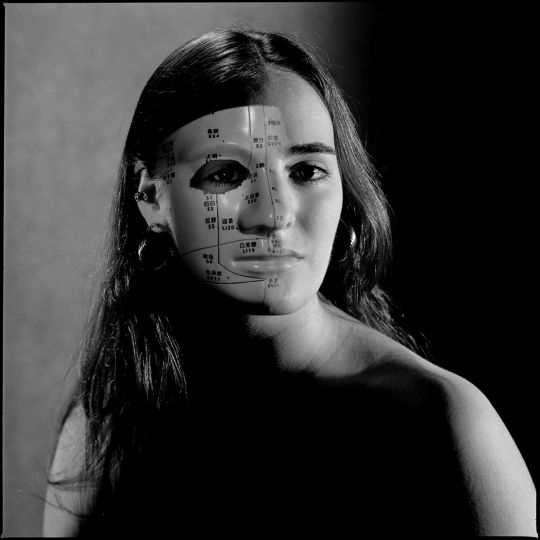
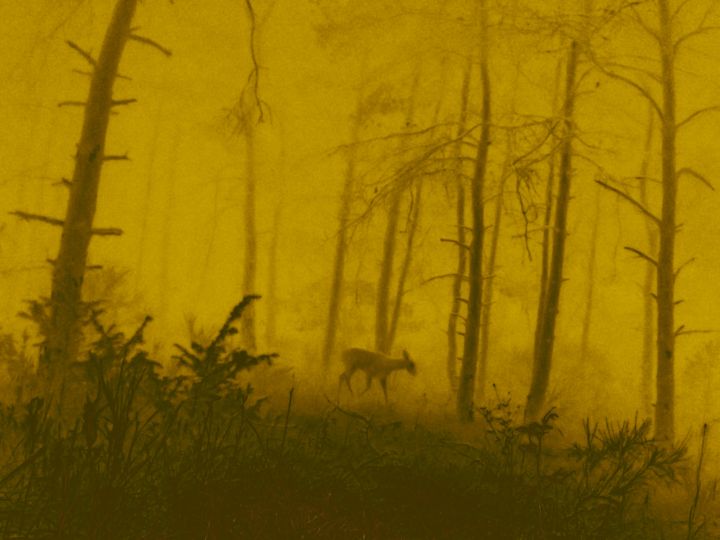
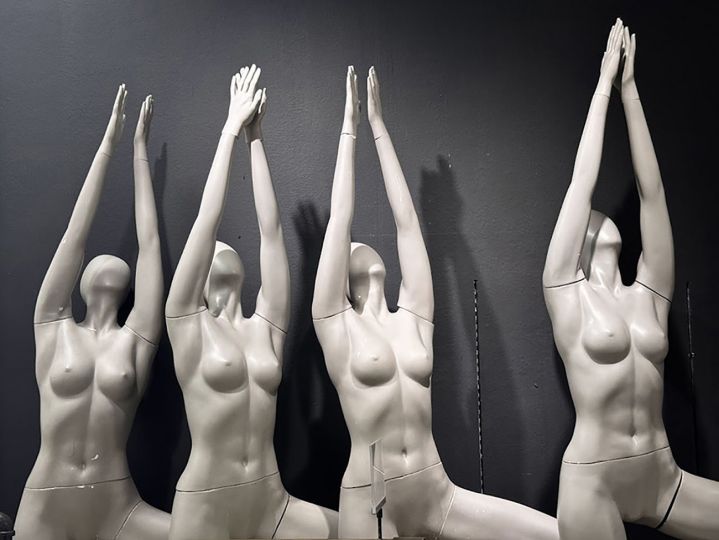
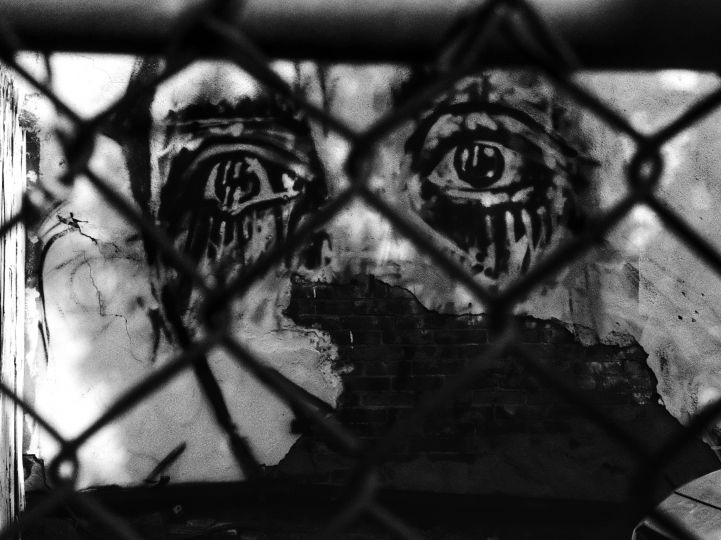
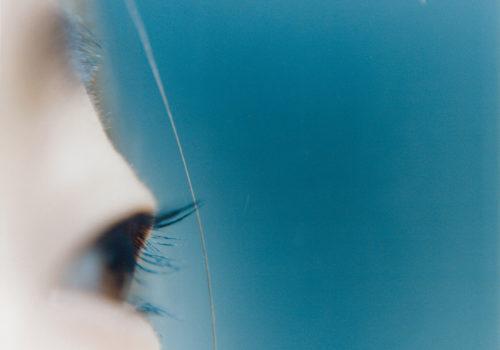
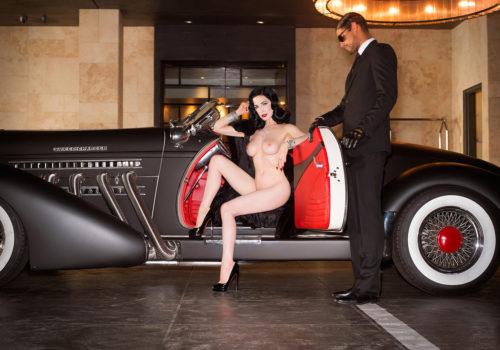
For here is the visual proof that, beyond all the reasons that justified its exclusion, the graphy of the photon’s wave unexpectedly holds remarkable qualities to serve our discipline. In these images of a completely new kind, it reveals itself as a path toward an unsuspected world, a new creative field of original and authentic photography. Moreover, it shows that it can also produce high-quality images.
Indeed, while it may be incapable of representing reality, it proves, on the other hand, that it can give form to its logical complement, what we might call “the imaginary.”
The first form of writing builds the image of reality. The second builds the image of the imaginary. And thus, original photography discovers within itself an unexpected potential, one that allows it to step off the beaten path, directly, at the moment of capture, without necessarily resorting to the artifices of digital creative tools to produce the never-before-seen.
In the end, the conclusion seems obvious. By granting ourselves more ways to write the image, photon-graphically, we open more possibilities for unexpected and innovative results.
So, after two centuries of photography, let us finally dare to use more than half of light’s graphic potential. Let us dare to use the full magic of writing with the grain of light.
Let us give ourselves the privilege of embarking on true photographic safaris between reality and imagination, or in other words, and for those inclined toward science, between what shapes the image of reality with geometric optics and what can enrich it with novelty through physical optics.