Heritages
“There are beings who justify the world, who help us live by their mere presence.”
“Yes, and they die.”
Albert Camus, the first man
From the birth of photography, the family photo took pride of place. Then came landscape and travel photos (especially by ethnologists or those claiming to be), along with colonial photography, which aimed to index and list, in an obviously arbitrary manner, through the colonial gaze, the different “races” of human beings.
From then on, photography, which presented itself as an impartial and therefore indisputable reflection of society, found itself biased.
The family photo, for its part, became more democratic. The gaze became more individualized, and our heritage presented itself as both a testimony and an interpretation.
In his essay “La chambre claire,” Roland Barthes writes: “Lineage provides a stronger, more interesting identity than civil identity… but this discovery disappoints us because, at the same time as it affirms a permanence… it reveals the mysterious difference between beings from the same family.”
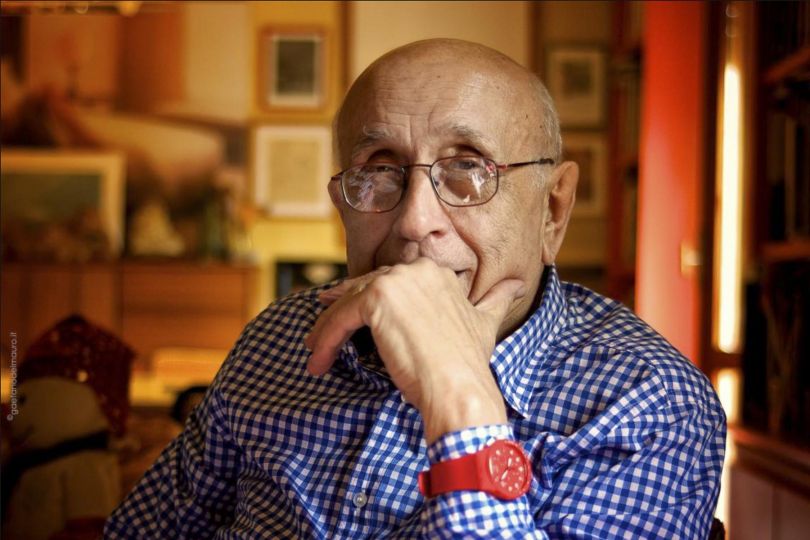
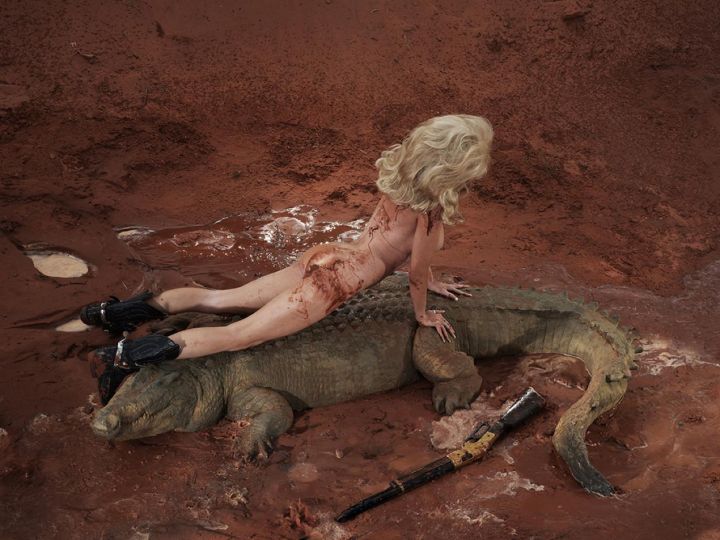
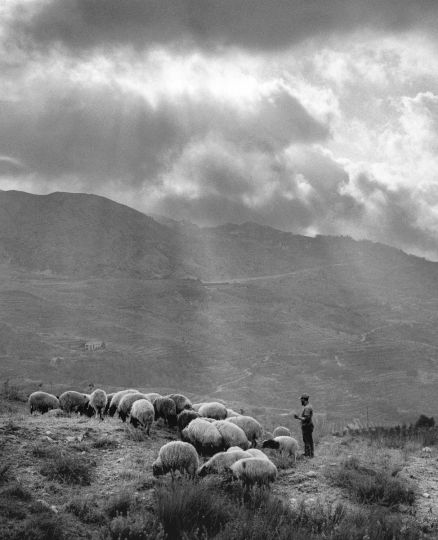
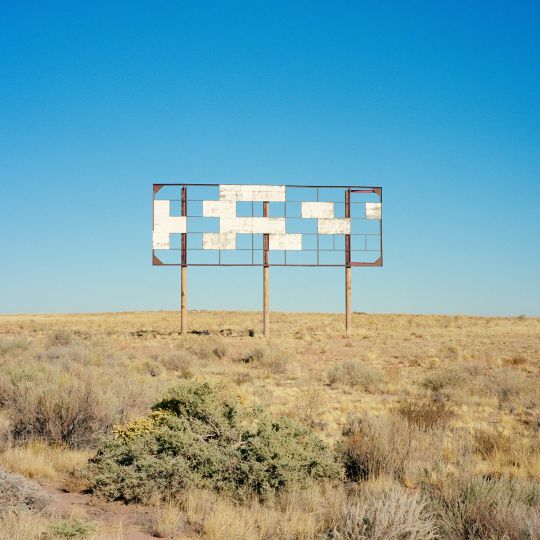
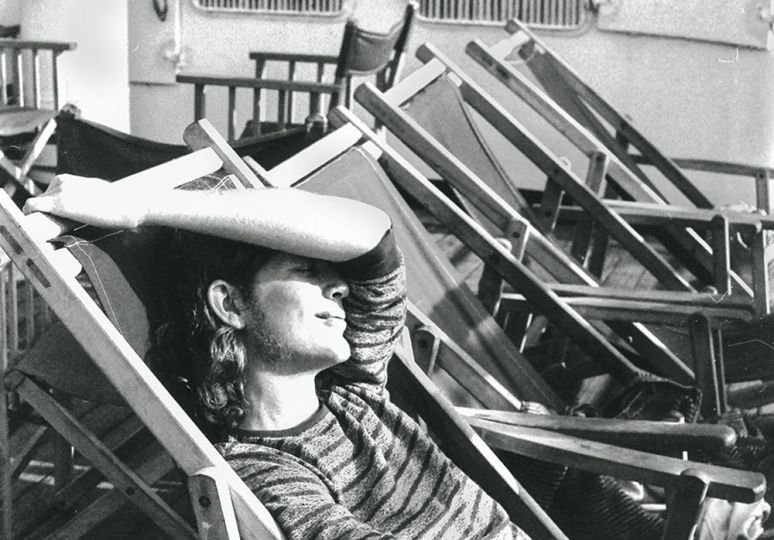
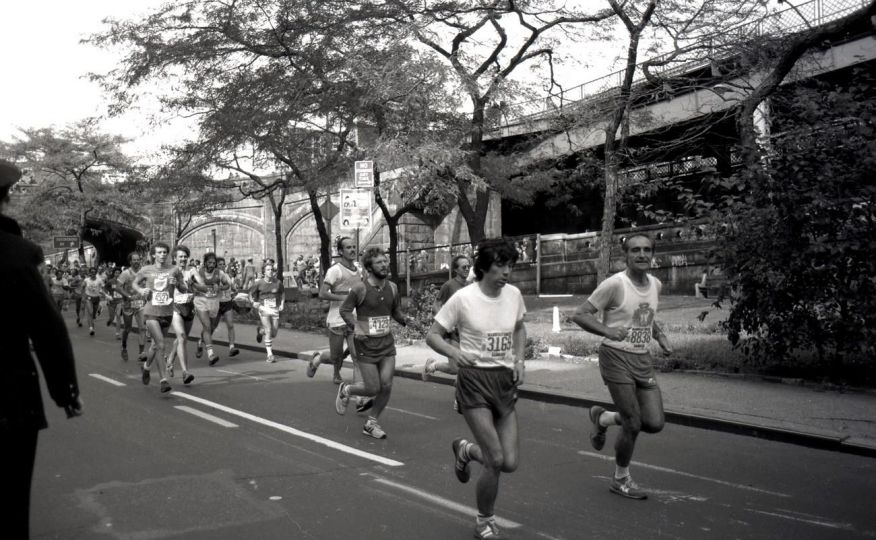
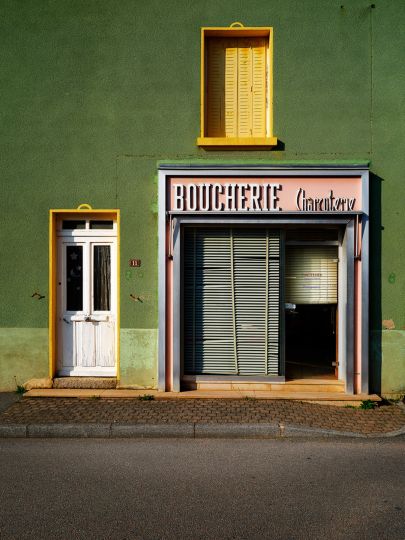
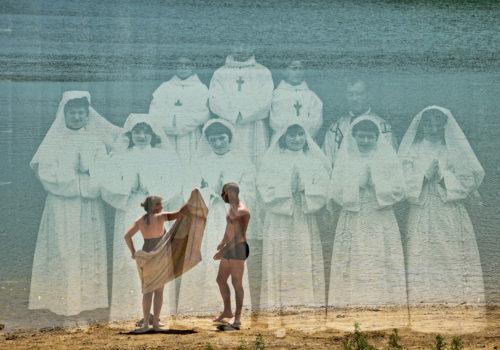
This exhibition is an exploration of the unity and fragmentation of families, whose social and geographical origins are so different, these relatives, so close, and whose strangeness continues to question me.
For each of these photographs, the family connection is real, and this direct lineage, which I valued, is there to underscore the meaning and coherence of the discourse on transmission.
Between the carefree, almost indifference of the youngest and the severe or benevolent, but most often impervious, gaze of their ancestors, the connection is not always perceptible. Yet each of these images constitutes a single universe where the stubborn brows of the elders express desire, incitement, even an injunction to continue. Paradoxically, these photographs bear witness to the vanity of images, to illusion, and to the tenuous yet infinite distance between the perception and understanding of our own narrative.
Camus can also be read in reverse. All these now-departed beings have, at the same time, imprinted our history and taught us to rewrite it.