Alexandra Mavros : l’art de photographier ce qui échappe
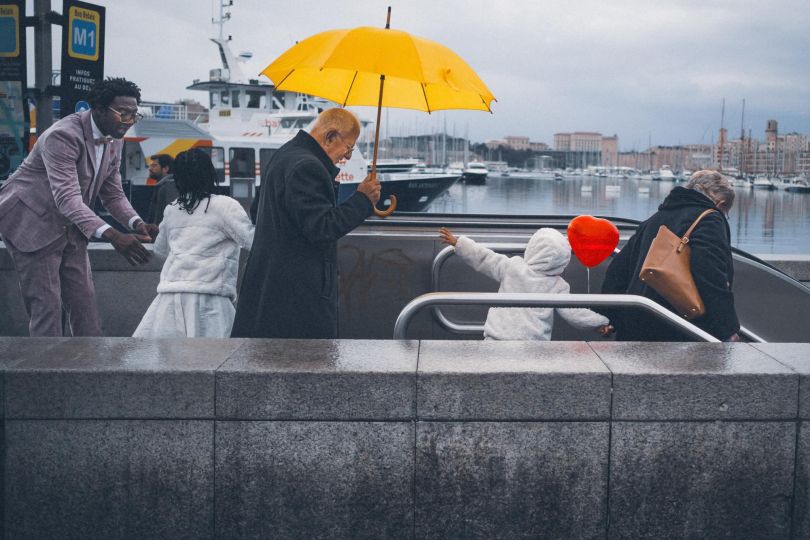
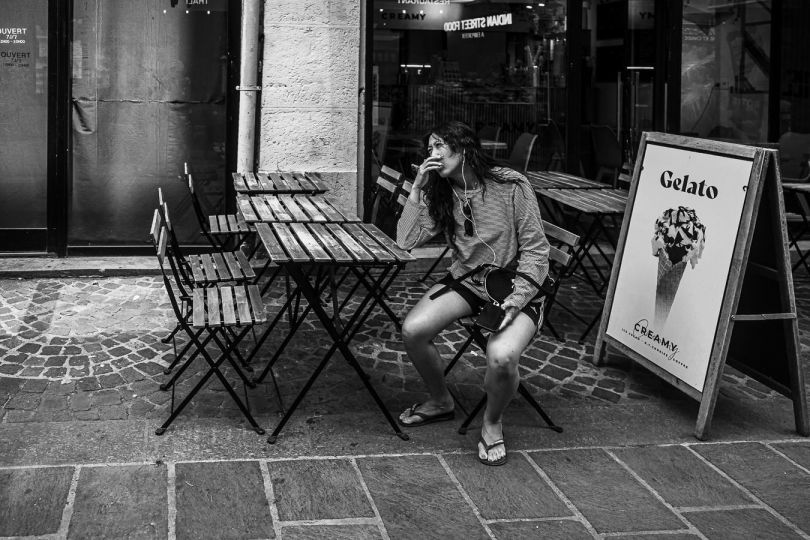
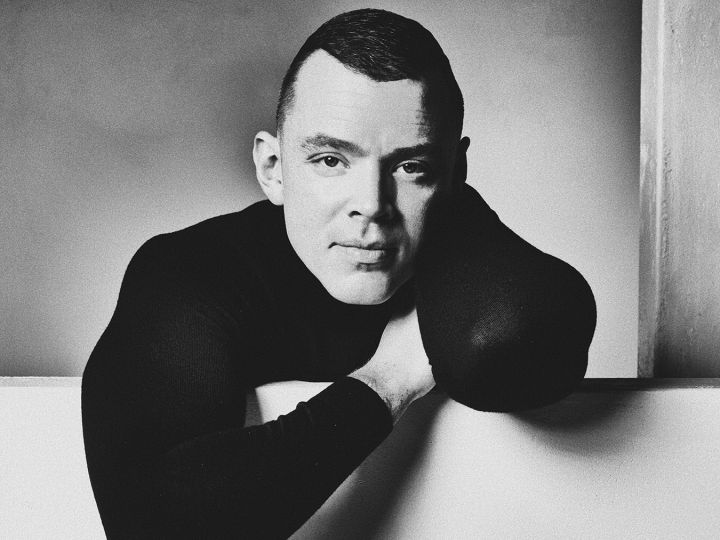
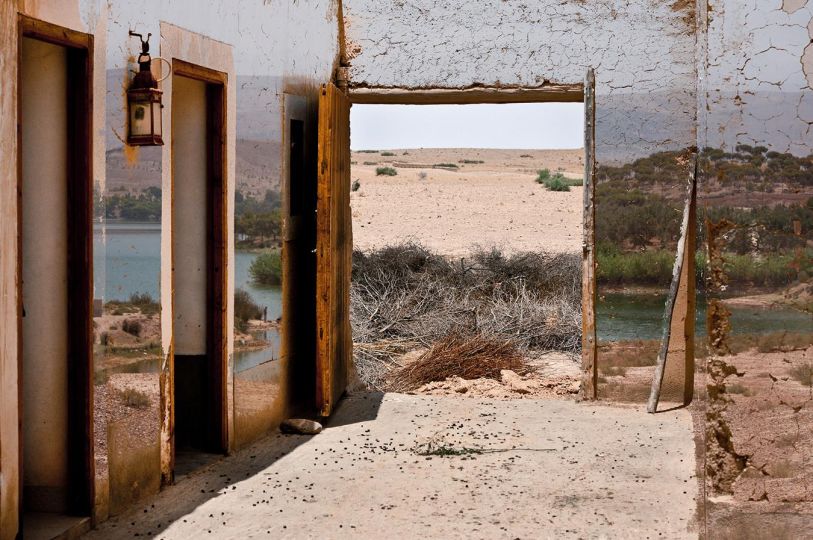
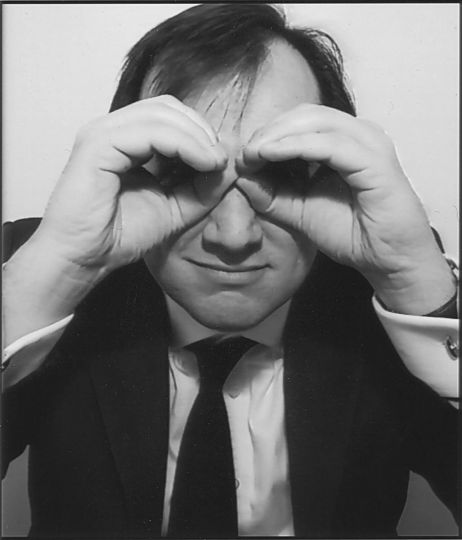
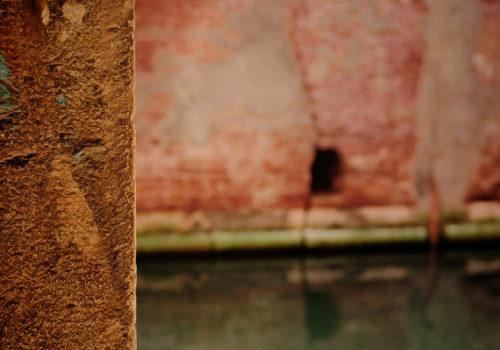
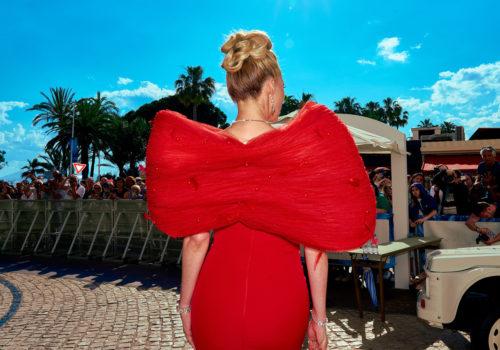
Chez Alexandra Mavros, l’image naît rarement là où on l’attend. Elle ne se construit pas dans l’instant décisif, mais dans ce qui le précède ou lui succède, dans ces quelques fractions de seconde où le réel cesse de jouer son propre rôle. C’est peut-être là que réside la singularité de son regard : photographier non pas l’événement, mais son relâchement. Photographe et réalisatrice d’origine gréco-canadienne, installée à Paris, Alexandra Mavros développe une pratique nourrie autant par le cinéma que par la photographie. Le « quatrième mur », qu’elle revendique volontiers, n’est pas seulement une référence cinématographique : il devient une manière de regarder. Son objectif se tourne naturellement vers les coulisses, les gestes involontaires, les regards distraits, ces moments où la mise en scène se fissure et où l’humain reprend discrètement possession de l’image. À rebours d’une photographie de mode souvent dominée par la démonstration, son travail privilégie l’accident, la spontanéité et l’observation. La lumière naturelle, douce et cinématographique, accompagne davantage qu’elle ne dramatise. Chaque image semble suspendue, comme un récit laissé volontairement inachevé, invitant le spectateur à prolonger mentalement ce qui échappe au cadre. Cette quête d’une beauté indissociable de la vérité — héritage assumé de Peter Lindbergh — s’enrichit chez elle d’une ironie discrète qui évoque autant Martin Parr qu’Elliott Erwitt. Son humour n’est jamais démonstratif ; il surgit dans les détails, les décalages, les coïncidences que seul un regard patient sait reconnaître. À la lecture de ce Questionnaire, une évidence s’impose : Alexandra Mavros photographie autant les images qu’elle réalise que celles qu’elle manque. Un chihuahua dans une poussette sur la Croisette, un marin fumant sa pipe dans le port de Naples, un vieil homme en speedo rouge sur une plage grecque… Ces scènes qu’elle regrette de ne pas avoir déclenchées racontent sans doute sa véritable obsession : saisir ces instants fugaces qui disparaissent avant même d’être pleinement perçus. À l’heure où les algorithmes standardisent les regards, Alexandra Mavros rappelle avec justesse que « les photographies sont à imprimer, à toucher, à feuilleter, pas à liker ». Une profession de foi qui résume une pratique exigeante, attentive à ce qui échappe à la vitesse des images. Car chez elle, la photographie ne cherche ni à impressionner ni à prouver : elle attend simplement que le réel, l’espace d’un instant, oublie qu’il est observé.
Website : mavrospictures.com
Instagram : @mavrospictures
Votre premier déclic photographique ?
Alexandra Mavros : J’avais quinze ans, mon premier appareil entre les mains, ma sœur comme sujet et mon père comme guide à mes côtés. Il m’apprenait à maîtriser la lumière et, pour illustrer la profondeur de champ, il a glissé sa main entre mon objectif et le visage de ma sœur. J’ai déclenché avant qu’il ait le temps de la retirer, et le vrai déclic a suivi. La photographie me permettait de saisir ce que l’œil nu laisse filer : une main trop rapide, une petite sœur pas encore âgée, et un instant que personne d’autre n’aurait vu passer.
L’homme ou la femme d’image qui vous inspire ?
Alexandra Mavros : J’ai du mal avec les prénoms, et encore plus avec les décisions. Il y a Peter Lindbergh, à qui j’ai consacré un mémoire, notamment sur son alliance de la beauté avec la vérité. Il y a Martin Parr et Elliott Erwitt, qui sont certainement mes humoristes préférés. Il y a Sayombhu Mukdeeprom, un des premiers directeurs de la photographie dont la vision m’a fait chercher son nom au générique. Je vais m’arrêter.
L’image que vous auriez aimé réaliser ?
Alexandra Mavros : Pas une image mais une série : Lunchtime de Charles H. Traub. Des portraits volés à l’heure du déjeuner dans les années 70. De la couleur et du culot !
Celle qui vous a le plus ému ?
Alexandra Mavros : Celle de ma mère quand elle avait mon âge.
Celle qui vous a mis en colère ?
Alexandra Mavros : Celle dépourvue d’humanité.
Une image clé de votre panthéon personnel ?
Alexandra Mavros : Lovers. Un tendre baiser devant la barrière du tapis rouge au Festival de Cannes. J’ai déclenché sans m’arrêter de marcher, j’étais là au bon moment. C’est cette image qui m’a donné envie de voir mes photos imprimées en grand. J’aimerais retrouver ces Lovers pour leur offrir un tirage.
Un souvenir photographique de votre enfance ?
Alexandra Mavros : J’avais dix ans, le caméscope de famille, et des scénarios plein les poches. Je mettais en scène ma sœur et nos cousines d’Angleterre dans la salle à manger. Je les avais habillées, briefées sur leurs personnages, et fait jouer jusqu’à ce qu’on ne puisse plus s’arrêter de rigoler. C’est un de mes meilleurs souvenirs. Vingt ans plus tard, je n’ai pas arrêté de créer en compagnie de mes amis, que ce soit en une image ou vingt-quatre par seconde.
L’image qui vous obsède ?
Alexandra Mavros : Celle que je n’ai pas osé déclencher. Un chihuahua dans une poussette pendant le Festival de Cannes sur la Croisette. Un marin en uniforme fumant sa pipe sur le port de Napoli. Un octogénaire trop bronzé, le bide encerclé par un speedo rouge sur une plage grecque.
Celle qui a changé le monde ?
Alexandra Mavros : Celle qui vient de l’autre bout du monde.
Celle qui a changé votre monde ?
Alexandra Mavros : La première que j’ai prise avec l’ancien appareil photo de mon grand-père, puis fait développer dans un labo.
Sans limite de budget, quelle serait l’œuvre que vous rêveriez d’acquérir ?
Alexandra Mavros : Mon mur est rempli d’affiches de films et de photos de famille. Quand j’aurai l’espace blanc, j’y reviendrai.
Selon vous, quelle est la qualité nécessaire pour être un bon photographe ?
Alexandra Mavros : Savoir lâcher prise, et faire la prise.
Le secret de l’image parfaite, s’il existe ?
Alexandra Mavros : La faire. L’étymologie du mot parfait, perficere en latin, veut dire « faire complètement, achever ». Une image faite est une image parfaite. Et si j’avais droit à un deuxième secret : la synchronicité.
La personne que vous aimeriez photographier ?
Alexandra Mavros : Celle en habits colorés.
Celle par qui vous aimeriez être photographiée ?
Alexandra Mavros : Mon grand-père.
Un livre de photos indispensable ?
Alexandra Mavros : Un Taschen que j’ai acheté à Paris Photo l’an dernier. Le making-of du premier James Bond, Dr. No. Cinéma, photographie, coulisses, c’est tout ce que j’aime en un seul objet.
L’appareil photo de votre enfance ?
Alexandra Mavros : Celui de mon premier téléphone : le Sony Ericsson. Celui que j’ai emprunté à mon père : le Nikon F4. Celui que j’ai adopté : le Nikon D3100.
Celui que vous utilisez aujourd’hui ?
Alexandra Mavros : Un Sony A7IV pour la flexibilité. Un Leica Q pour voyager léger. Un Canon Ixus 185 pour les souvenirs qui atterrissent dans les albums partagés.
Votre drogue préférée ?
Alexandra Mavros : La Mastika.
Le meilleur moyen de déconnecter pour vous ?
Alexandra Mavros : Danser dans les pubs irlandais avec mes amis le vendredi.
La question qui vous déstabilise le plus ?
Alexandra Mavros : « Comment ça va ? »
Quelle est votre relation avec l’image ?
Alexandra Mavros : Réciproque.
Votre plus grande qualité ?
Alexandra Mavros : La transmission, selon mon astrologue.
Votre dernière folie ?
Alexandra Mavros : Rejoindre un club de ping-pong dans le Marais.
Une image pour illustrer un nouveau billet de banque ?
Alexandra Mavros : Un des Braques de Weimar de William Wegman.
Le travail que vous n’auriez pas aimé faire ?
Alexandra Mavros : Celui qui ne me laisse pas en faire trois autres en même temps.
Votre plus grande extravagance professionnelle ?
Alexandra Mavros : Imprimer sur du papier baryté.
La photographie a-t-elle le pouvoir de changer la perception collective d’un événement ou d’une époque ?
Alexandra Mavros : Certainement. La photographie peut justifier des guerres, comme elle peut mettre fin à des carrières. Mais tout comme les récits qui arrivent défigurés dans les livres d’histoire – quand ils n’ont pas été omis d’emblée –, c’est moins la photographie qui a le pouvoir que le choix de ce qu’on montre, et de ce qu’on tait.
Comment percevez-vous l’influence des réseaux sociaux sur la manière dont les photographies sont créées et perçues aujourd’hui ?
Alexandra Mavros : Comme tout : à double tranchant. En tant qu’artistes, on a plus de visibilité et d’inspiration au bout des doigts, mais si on ne fait pas attention, on se les fait vite couper. On cadre pour le ratio 4:5 au détriment de l’histoire racontée. On laisse l’algorithme dicter notre créativité, et si celle-ci n’est pas validée, on est angoissé jusqu’à ne plus vouloir poster, voire photographier. Pour ne pas se faire couper, il faut se rappeler que le plaisir est dans le geste, et non dans le « j’aime ». Les photographies sont à imprimer, à toucher, à feuilleter, pas à liker.
Un compte Instagram à suivre absolument ?
Alexandra Mavros : @sciuraglam.
Quelle est la dernière chose que vous ayez faite pour la première fois ?
Alexandra Mavros : Me lever du pied droit.
C’est quoi, une photo réussie ?
Alexandra Mavros : Une photo prise.
Qu’est-ce qui vous intéresse le plus dans une image ?
Alexandra Mavros : La reconnaissance. Voir quelque chose de vrai.
Quelles différences entre photographie et photographie d’art ?
Alexandra Mavros : Les différences sont moins dans la photo que dans le mur sur lequel on l’accroche. Une photo de la boîte de sardines que j’ai mangées au petit-déjeuner devient de l’art quand je place un cartel à côté.
La ville, le pays ou la culture que vous rêvez de découvrir ?
Alexandra Mavros : Le Brésil, ou le Népal, ou l’Indonésie. Je ne suis pas difficile, j’irai là où je pourrai être hébergée.
L’endroit dont vous ne vous lassez jamais ?
Alexandra Mavros : La Grèce en été.
Votre plus grand regret ?
Alexandra Mavros : NO REGRETS.
Couleur ou N&B ?
Alexandra Mavros : Couleur pour attirer, noir et blanc pour déshabiller.
Lumière du jour ou lumière artificielle ?
Alexandra Mavros : Lumière naturelle, jusqu’à ce que je découvre le flash cobra.
Quelle est, selon vous, la ville la plus photogénique ?
Alexandra Mavros : Sant’Angelo, Ischia. Plein de couleurs et de retraités bien habillés.
Si Dieu existait, lui demanderiez-vous de poser pour vous, ou opteriez-vous pour un selfie avec lui ?
Alexandra Mavros : Ni l’un ni l’autre. Il risque d’être surexposé.
Si je pouvais organiser votre dîner idéal, qui serait à table ?
Alexandra Mavros : Ma mère pour l’amour, Shams de Tabriz pour la vérité, Kate McKinnon pour l’humour, Marco Bezzecchi pour la balade en moto après le dessert, Howard Hawks pour filmer le tout, et mes amis pour compléter.
L’image qui représente pour vous l’état actuel du monde ?
Alexandra Mavros : Celle qui est censurée.
Si vous deviez tout recommencer ?
Alexandra Mavros : Moins de doute, plus d’élan.
Le mot de la fin ?
Alexandra Mavros : Gratitude.