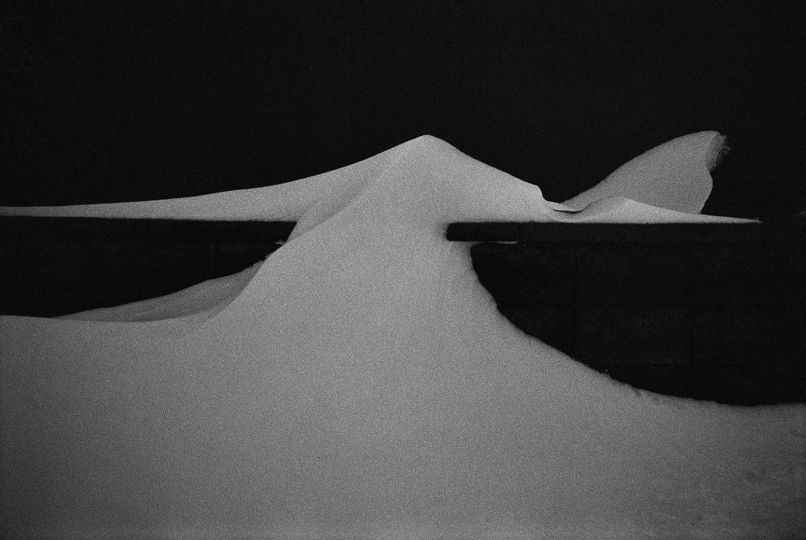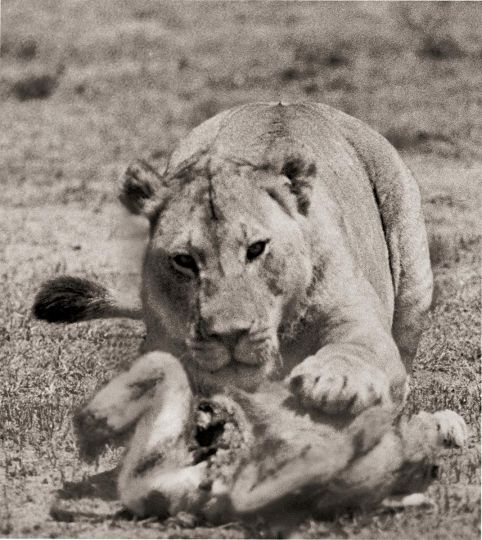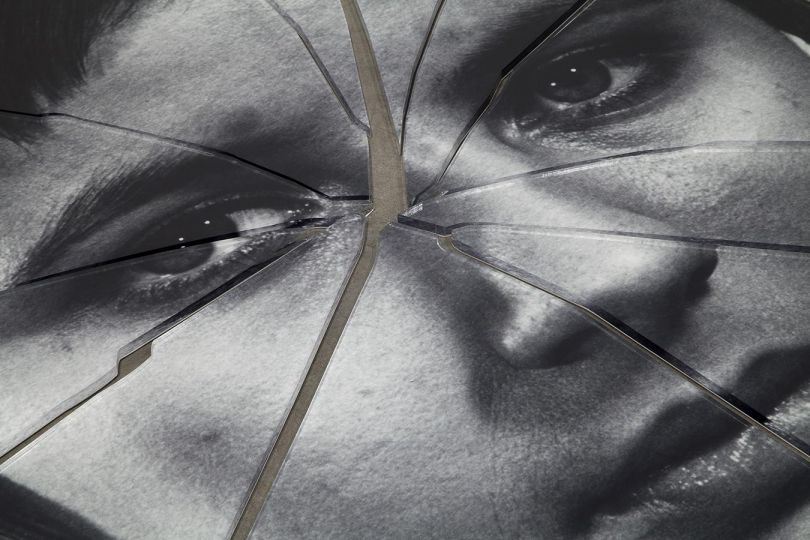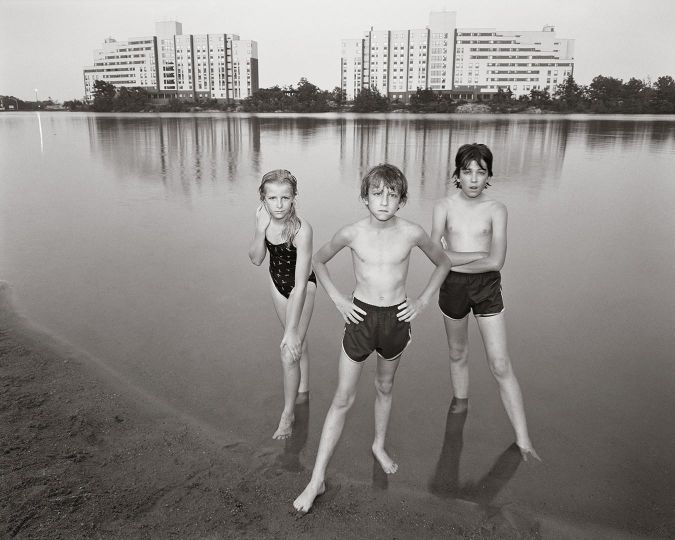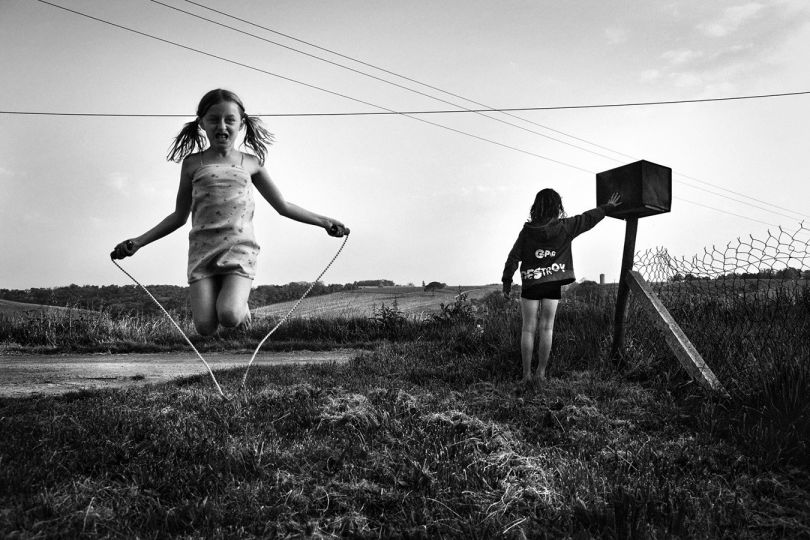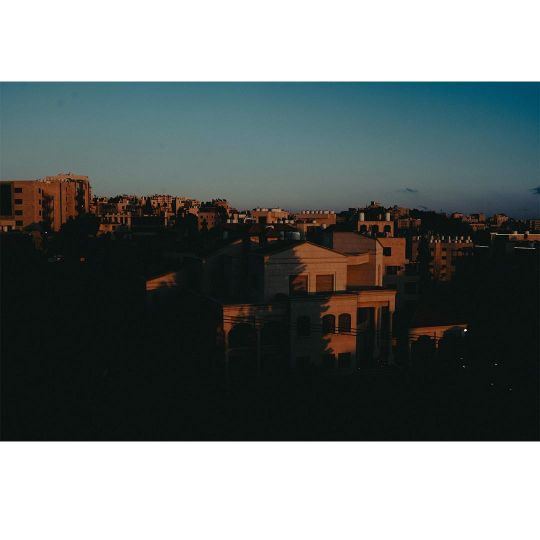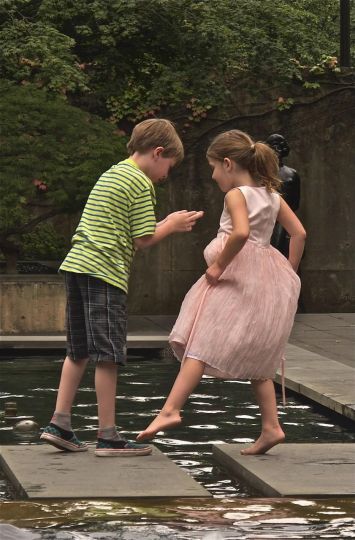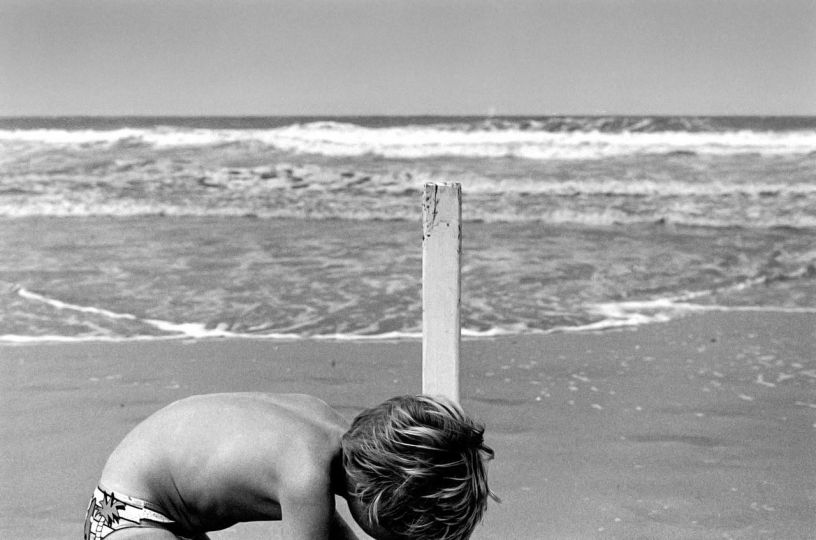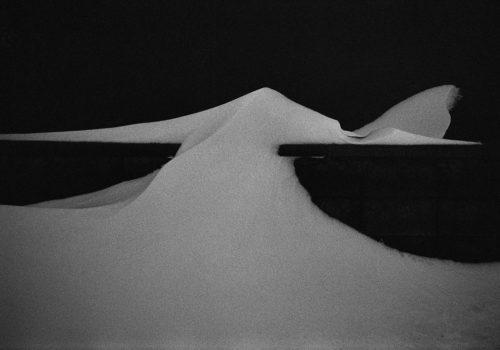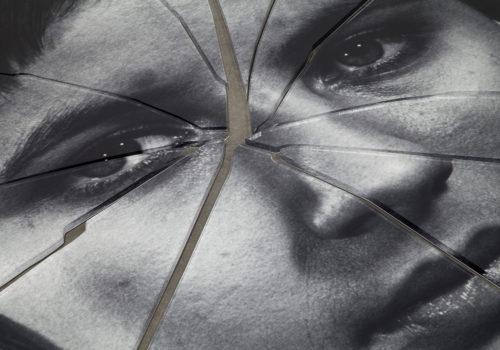
Until 21 June, the TOP Museum (Tokyo Photographic Art Museum) is presenting a deeply sensory exploration of its photographic collection. In this age of artificial intelligence, the exhibition Don’t Think. Feel. views the image as a powerful catalyst for emotions and perceptions, inviting visitors to let themselves be swept away into the meandering depths of the imagination.
Moons shine and, on a white wall, three words: “Don’t Think. Feel.” Together, these elements set the tone for an unusual exhibition: here, one does not simply look at the works, one feels them. Borrowing its title from a famous quote by the Hong Kong artist and philosopher Bruce Lee (“Don’t think. Feel. It’s like a finger pointing away to the moon. Don’t concentrate on the finger, or you will miss all that heavenly glory”), the exhibition celebrates human emotions. Divided into five chapters, it draws on images spanning three centuries from the museum’s vast collection and offers a new way of interpreting them. “I set myself the challenge of selecting photographs that evoke the sense of touch, but this proved very difficult,” explains Tetsuro Ishida, co-curator of the exhibition. “Naturally, photography is a visual medium; it is therefore rare to find works that engage the sense of touch. And such a judgement can only be subjective.”
Yet the endeavour has been a success. Man Ray’s iron covered in nails evokes a prickling sensation, whilst the shells photographed by Onchi Kōshirō conjure up the salty sea water drying on the skin. “Although it is impossible to physically touch the works, a piece that makes you want to touch it also requires a certain amount of imagination on the part of the viewer,” continues the curator. For Tetsuro Ishida, the work that best embodies Don’t Think. Feel.
What AI cannot curate
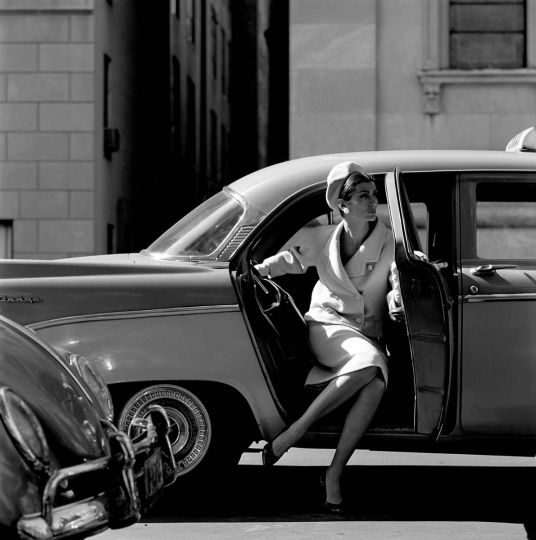
A sensory journey bringing together Japanese and international artists unfolds throughout the galleries. From Masahisa Fukase’s unconventional family photographs to the visual poetry of Yōichi Midorikawa, nicknamed ‘the magician of colours’, via the hypnotic landscapes of Edward Weston, the exhibition appears as a response to our era saturated with digital images, which are subject to AI-generated alterations. ‘Exhibition ideas often arise from personal experiences. For this one, it all started with an AI-generated playlist. It selected tracks that perfectly matched my tastes, but without any surprises or discoveries. It was purely statistical. AI will no doubt be able to organise exhibitions, but an exhibition conceived by a human being will always remain more interesting, because it contains the thoughts and emotions of the person who imagined it,” says Tetsuro Ishida.
Curated in collaboration with Maiko Kobayashi, the exhibition explores themes such as ‘memory’, ‘family’ and ‘what lies behind an image’, drawing on the 39,000 works in the museum’s collection. “There are many historical works from the 20th century and the Shōwa era. This simply reflects the nature of the collection. To avoid a presentation that is too austere, we have incorporated more striking contemporary works, often large-scale, to create a visual balance,” explains the curator.
‘Being Alive’ according to Rinko Kawauchi
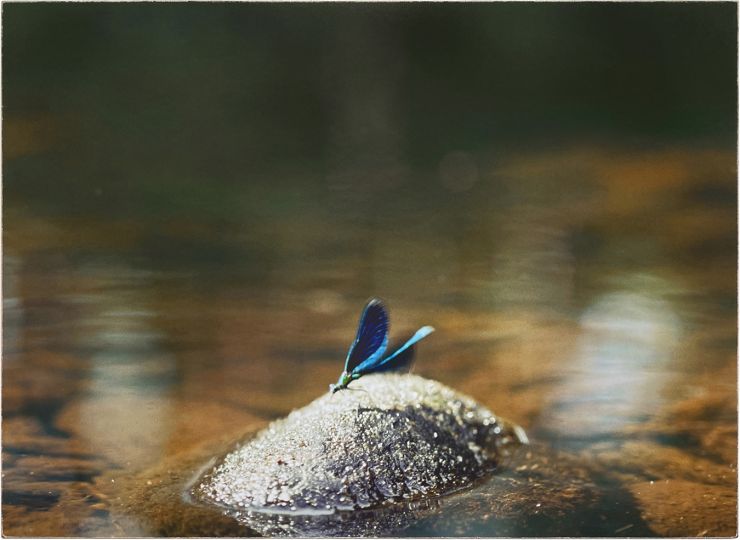
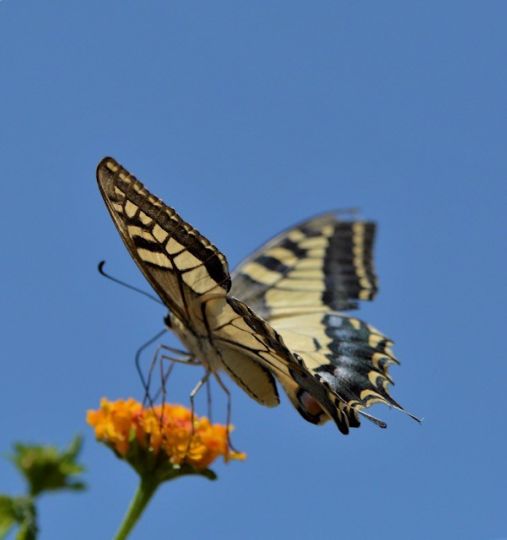
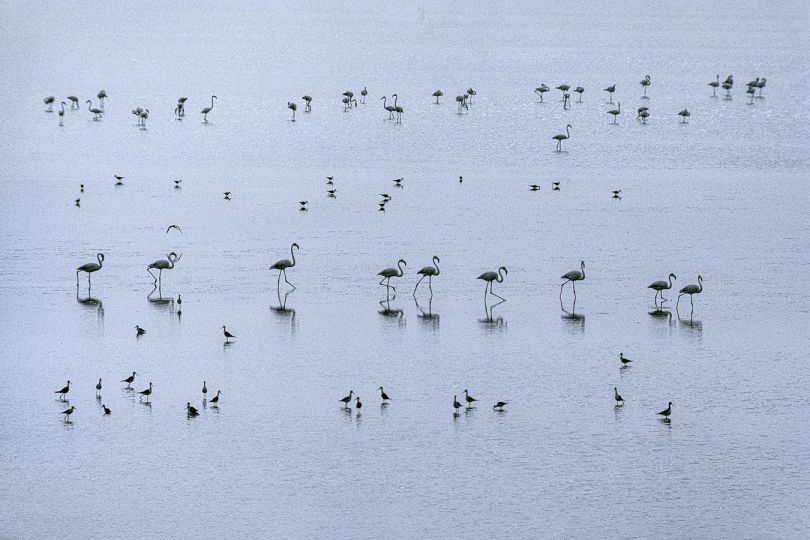
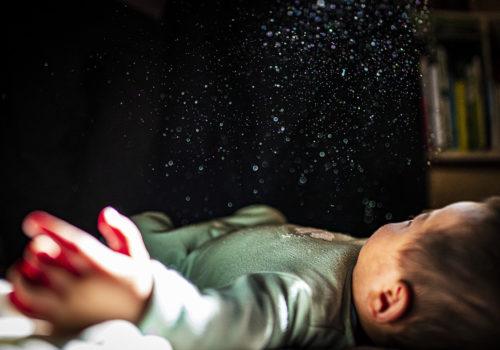
Among the contemporary works on display are photographs and films by the Japanese artist Rinko Kawauchi. An entire room, entitled Illuminance, is dedicated to her and offers visitors a visual and auditory immersion. Nature permeates every image, inviting a form of introspection that is both personal and collective. With great delicacy, Rinko Kawauchi captures the light and the invisible forces that permeate everyday life. The boundaries between memory and forgetting blur, as suggested by a text featured in the exhibition: “Suddenly recalling something, then feeling it slip away again: perhaps that is the very essence of what it means to be alive. ”
“In my view, what makes Rinko Kawauchi so powerful as an artist is her perspective, her way of perceiving and showing things without allowing herself to be confined by preconceived ideas or ideologies linked to photography and art. She is always seeking something that lies beyond these frameworks. Perhaps that is also what I am constantly striving for as a curator,” concludes Tetsuro Ishida.