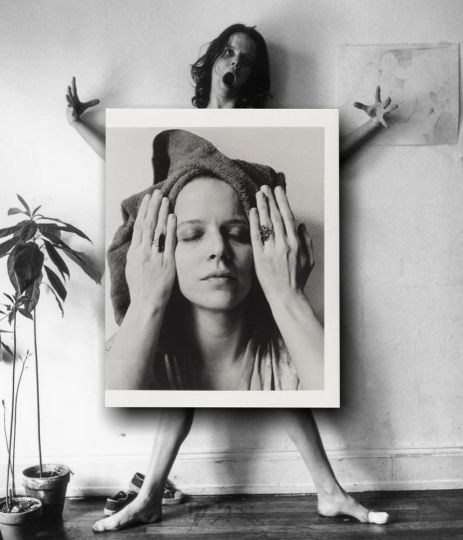
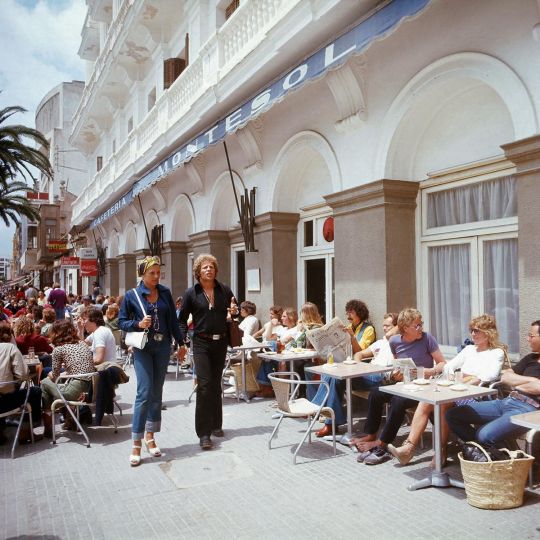
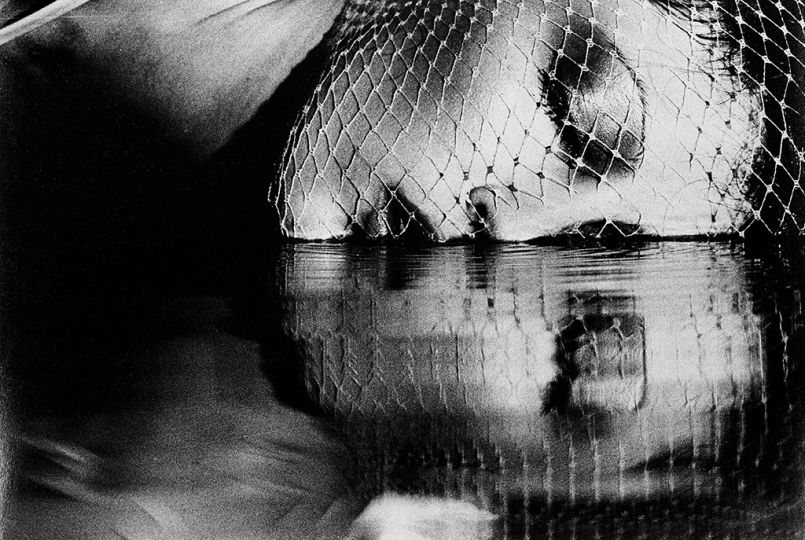
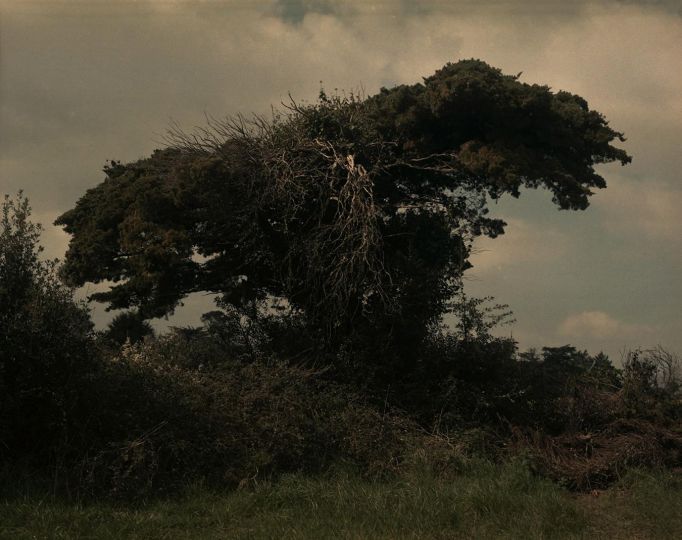
The location is symbolic. It is the Palazzo del Fulgor in Rimini, which is home to the eponymous cinema. It was here that director Federico Fellini saw his first film. It is indeed a fascinating venue for an exhibition dedicated to a movement that left its mark on art in the second half of the twentieth century. Antonio D’Agostino. Fluxus Images Photographs from the 1970s – Basel, is the title of the exhibition paying tribute to this experimental artist.
The sea just a stone’s throw away and the water square surrounding the medieval Sismondo Castle, home to the Fellini Museum, convey the sense of expressive fluidity that characterised the Fluxus movement, which Italian director and producer Antonio D’Agostino (1938–2025) helped to document with his images, taken at Art Basel during the 1974 edition.
Fluxus was born in the United States in the early 1960s. It was founded by the artist George Maciunas, who intended to create a more accessible and democratic international art form. Thanks to a network of well-known artists, it then spread throughout Europe and Japan, with its unique energy being expressed during happenings and performances, including at major contemporary art events.
As Enrico Gusella points out, D’Agostino’s photographs of the Fluxus actions “convey the atmosphere, language and poetics of one of the most radical art movements of the second half of the 20th century. (…) The unrepeatable nature of the Fluxus action is captured at the exact moment it risks dissolving”. Fluxus managed to transcend the boundaries between visual art, music, theatre and poetry. “In open denial of the commodification of art by dominant aesthetic codes, Fluxus valued the ephemeral, gestures, irony, and collective participation. As one of the group’s leading theorists, Dick Higgins, wrote: ‘Fluxus is an attitude. It is not a movement or a style’. It is precisely this attitude D’Agostino captures in his photographs,” curator Carmelita Brunetti adds.
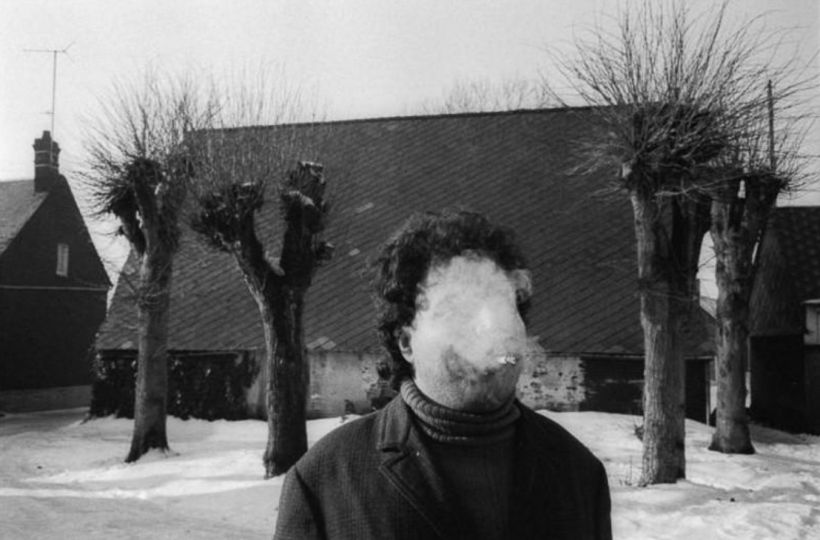
Around forty black and white photographs taken by D’Agostino are on display in Rimini, as well as a series of videos from the 1960s. They portray, among others, Nam June Paik, Charlotte Moorman, Giuseppe Chiari, Takako Saito, Joe Jones and Geoffrey Hendricks. His images capture the performative tension of those moments effectively, recreating the disruptive and participatory atmosphere that was typical of the movement.
The exhibition is curated by Carmelita Brunetti with the collaboration of Marco Leonetti. It is accompanied by a catalogue, “Antonio D’Agostino. Immagini Fluxus” (texts by Marco Leonetti, Carmelita Brunetti, Enrico Gusella and Emiliano Zucchini), published by ArtonWorld.com.
Paola Sammartano
Antonio D’Agostino. Fluxus Images Photographs from the 1970s
From August 30 to September 28, 2025
Palazzo del Fulgor – Fellini Museum
Via Verdi 16
47921 Rimini – RN
Italy
www.fellinimuseum.it