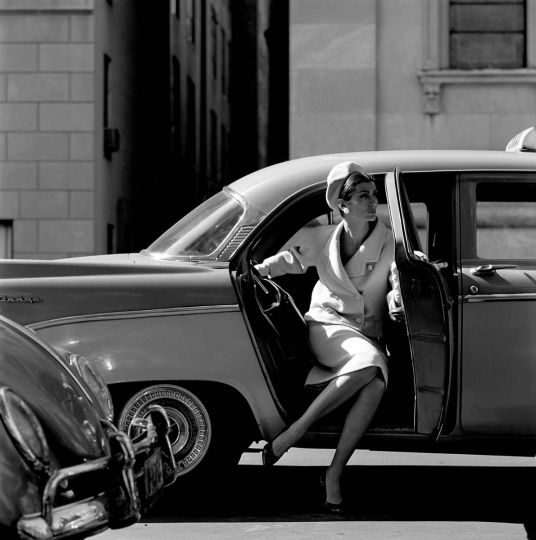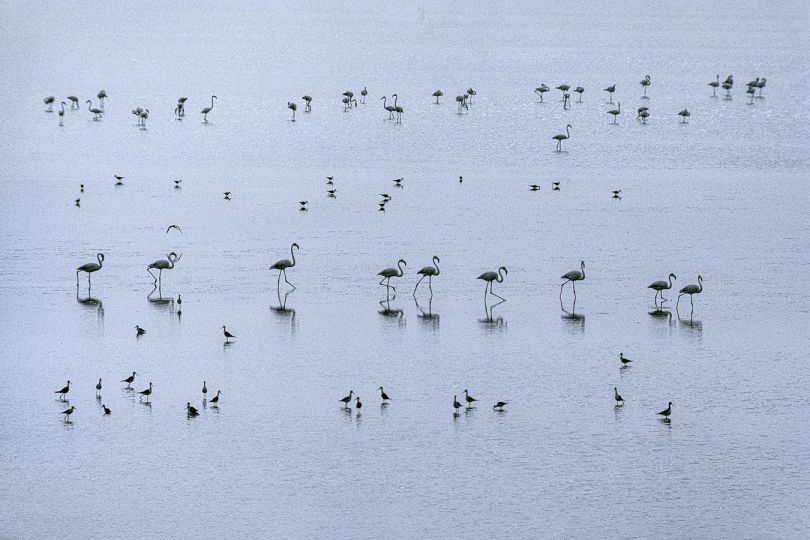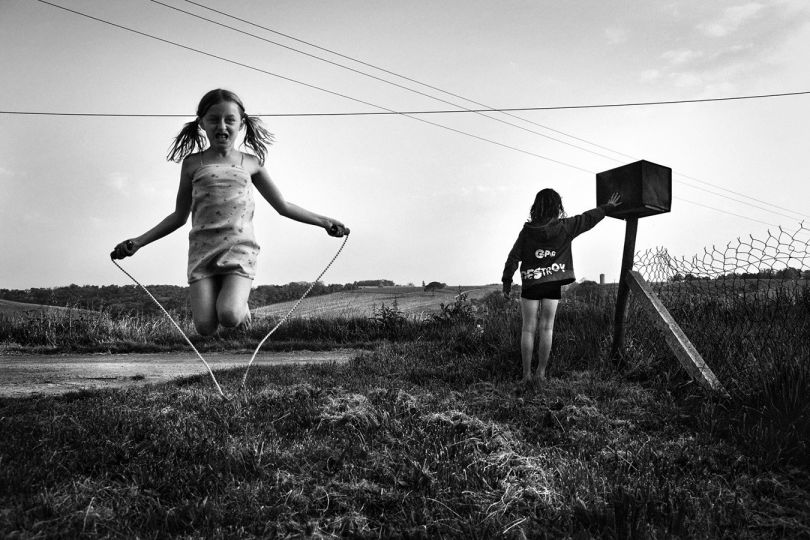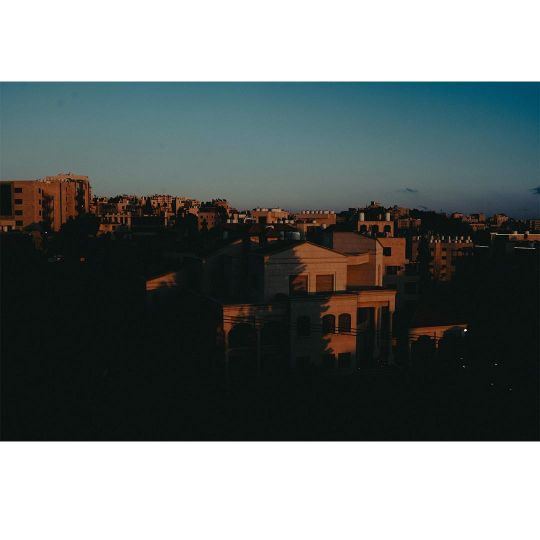


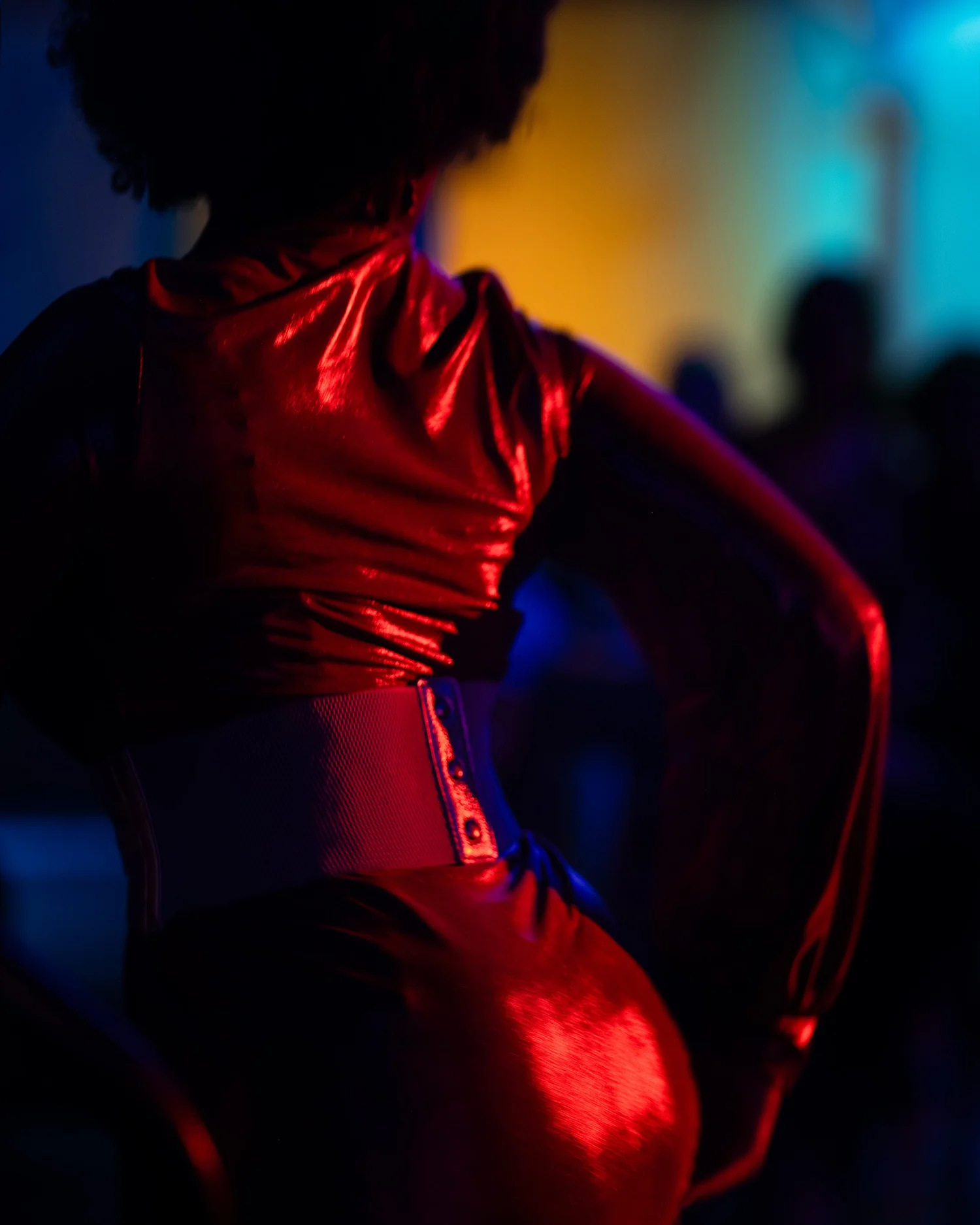


The MIA Photo Fair BNP Paribas in Milan opened its doors on Wednesday and will run through Sunday, March 22. This 15th edition, directed by Francesca Malgara and organized by Fiere di Parma, brings together 76 galleries, including 27 international galleries and 24 first-time participants.
The fair’s international dimension is now much more prominent, reflecting a balance between the MIA Photo Fair’s commitment to supporting and promoting the Italian photography scene and the country’s openness to foreign galleries. A brief legislative note to begin with: this international dimension is also made possible by changes to Italian legislation regarding the taxation of works of art (under Decree-Law No. 95 of June 30, 2025, known as the Omnibus Decree-Law), which has been reduced to a rate of 5%.
This legislative change underpins Francesca Malgara’s efforts to establish the Milanese fair both in terms of quality and longevity within the photography landscape, kicking off a spring season followed by Photo London and Aipad, and taking place shortly before the contemporary art fair MIA Art.
This 15th edition promises to be top-notch, featuring galleries from South Korea (An Inc.), from all over Europe (Echo 119, Esther Woerdehoff for France, Galerija Fotografija for Slovenia, MC2 for Montenegro, Vue for Belgium, and Albarran Bourdais for Spain), while a “Latino” curatorial program, conceived by Rischa Paterlini, brings together Spanish, Argentine, and Italian galleries around a selection of South American artists.
The prominence given to publishers is also significantly greater, and central, with a focus on showcasing top-tier Italian photography publishing, as evidenced by the publications of 89 Books, Gente di Fotografia, King Koala Press, and Seipersei Edizioni. In this vast panorama, where visitors browse, flit from one neighbor to the next, from one booth to the next, where they bump into one another and marvel at the works, a few highlights:
- Alberto Garcia Alix at Albarran Bourdais, Madrid
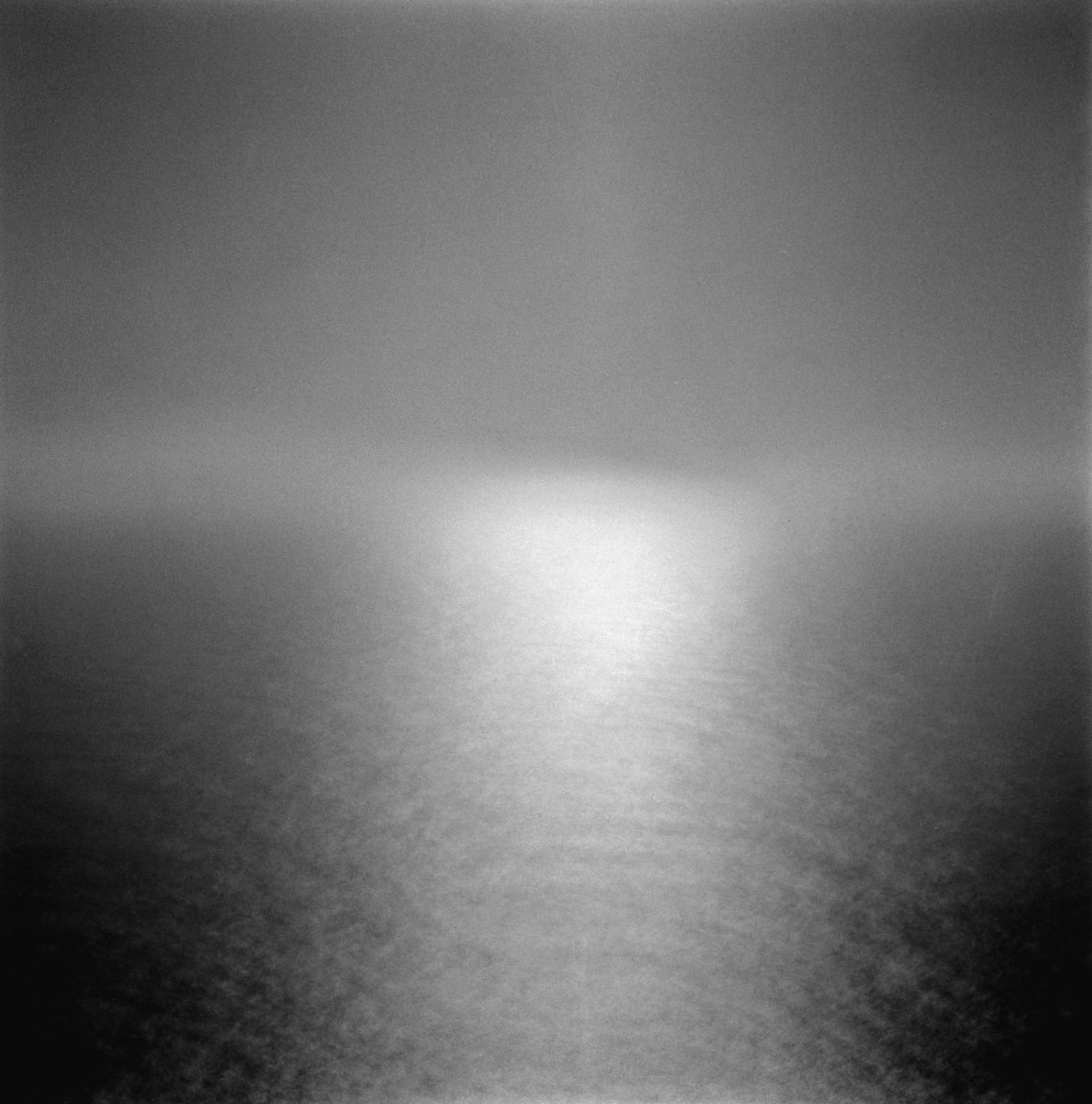
I consider an exhibition whether in a museum or a gallery to be a success, even if only on a personal level, when a single work has been discovered that stirred enough emotion, a rare sense of satisfaction, a kind of upheaval mingled with surprise, admiration, and a touch of mystery. What one might briefly call a “favourite,” and which finds greater depth in Malraux’s (albeit somewhat overused) expression of “aesthetic shock.”
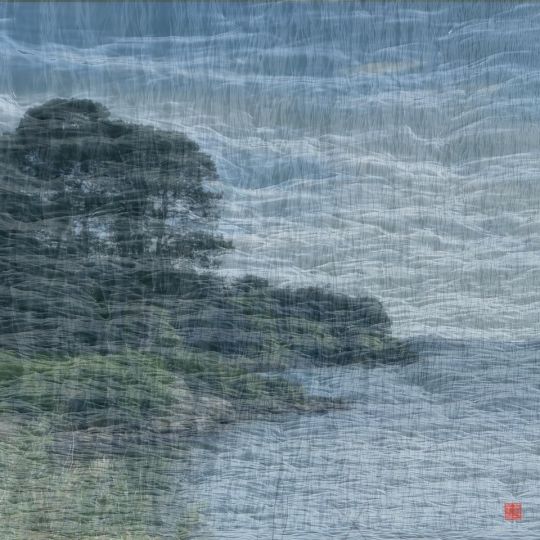
This is the case with a simple photograph of a melancholic horizon by Alberto García-Alix, where the sea and sky merge in a whirlwind of gray, mist, and twilight in a concentric movement. This work evokes a deep melancholy, captured in the wake of the artist’s separation. It succeeds in breaking free from the horizons of Hiroshi Sugimoto—a master of the subject, who has somewhat monopolized the genre by seeking another form of confusion between the horizon and the sea: that of intertwined, confused inner feelings, where one senses both agitation and a search for profound tranquility. Like the aftermath of a storm.
- Julie Scheurweghs at Galerie Vue, Uccle
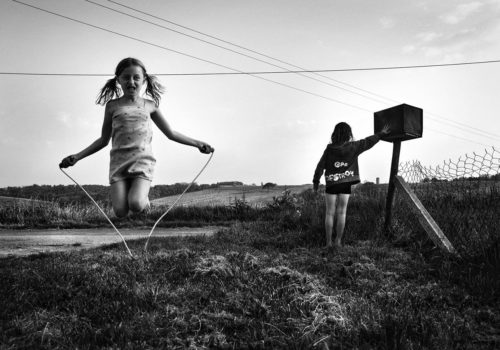
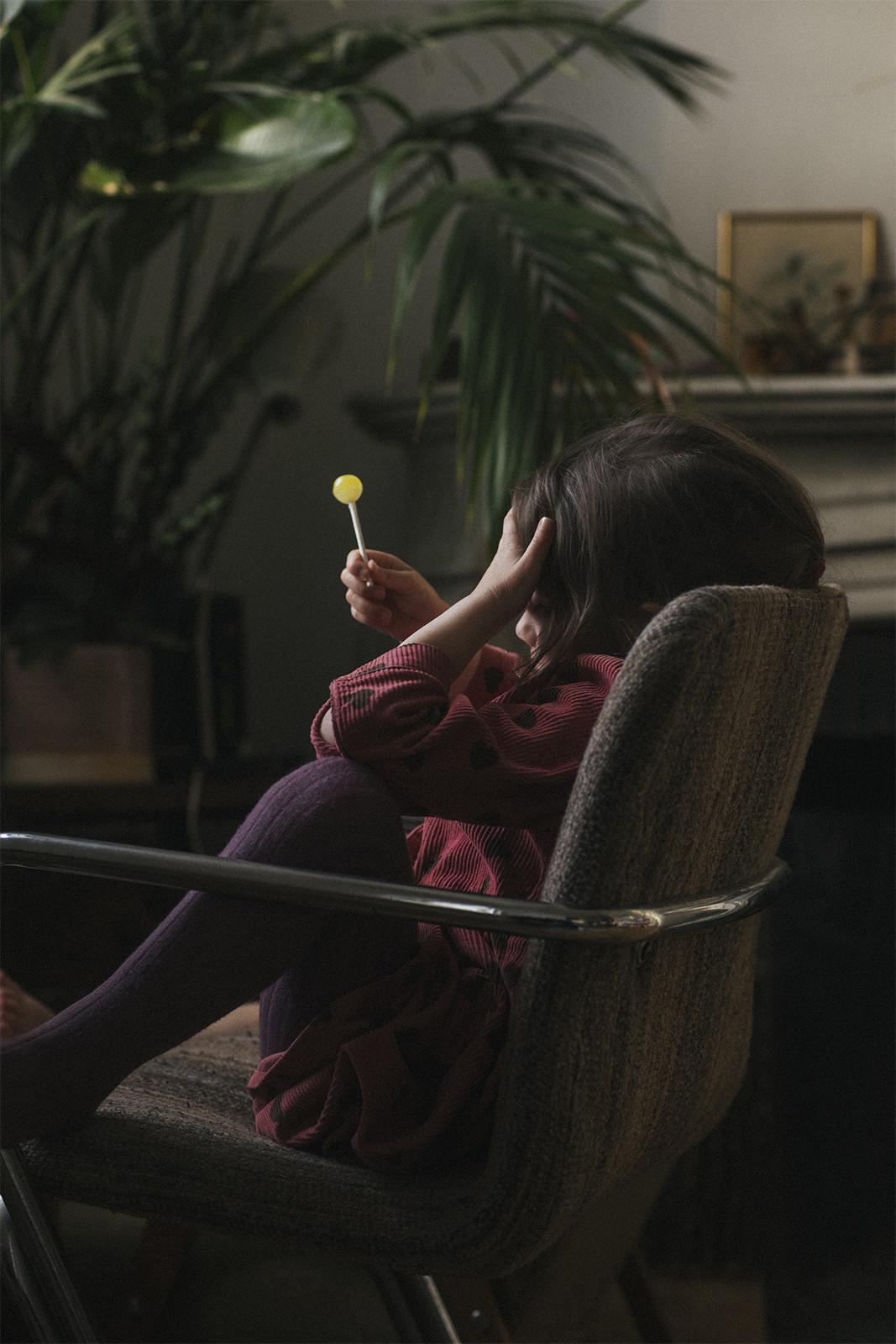
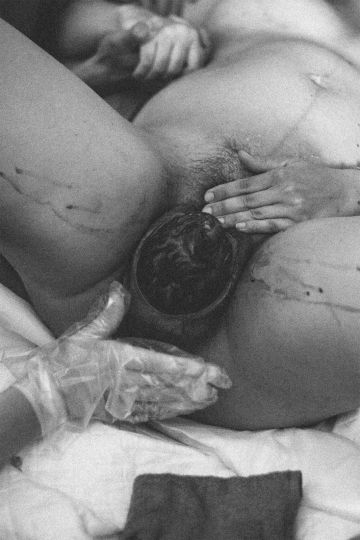
In Uccle, near Brussels, Galerie Vue is brand new! It opened its doors on January 1st this year. Barely three months old, it is hosting an inaugural exhibition paired with a book a manifesto by artist Julie Scheurweghs and her project “Maman est là. Mother is here)”
Founded by the artist and Charly Helleputte, the gallery is dedicated to supporting women, lesbian, transgender, intersex, and non-binary artists (FLINTA) and champions a militant and narrative vision of broad feminism. Following in the footsteps of her book “Mère” (Leporello Books, 2021), “Maman est là” is a candid, unvarnished exploration full of love and poetry on pregnancy, childbirth, the maternal bond, and the awakening of childhood; all captured through intimate photographic framing and a focus on natural light.
Julie Scheurweghs’ work aligns with a post-humanist photographic tradition on childhood and family in the vein of Emmet Gowin, while adding complexity to the genre through her exploration of the self. Her reflection on the condition of a single mother (without necessarily being isolated) is intertwined with her own experience one that speaks of immense freedom of natural childbirth at home, in contrast to the prevailing Western practices that predominantly involve clinically supervised hospital births.
The gallery’s monographic exhibition won the Best Booth Award from the Ettore Molinario Collection, highlighting the gallery’s commitment to a carefully curated, dynamic, and thought-provoking display.
- Anastasia Samoylova at Peter Sillem, Frankfurt
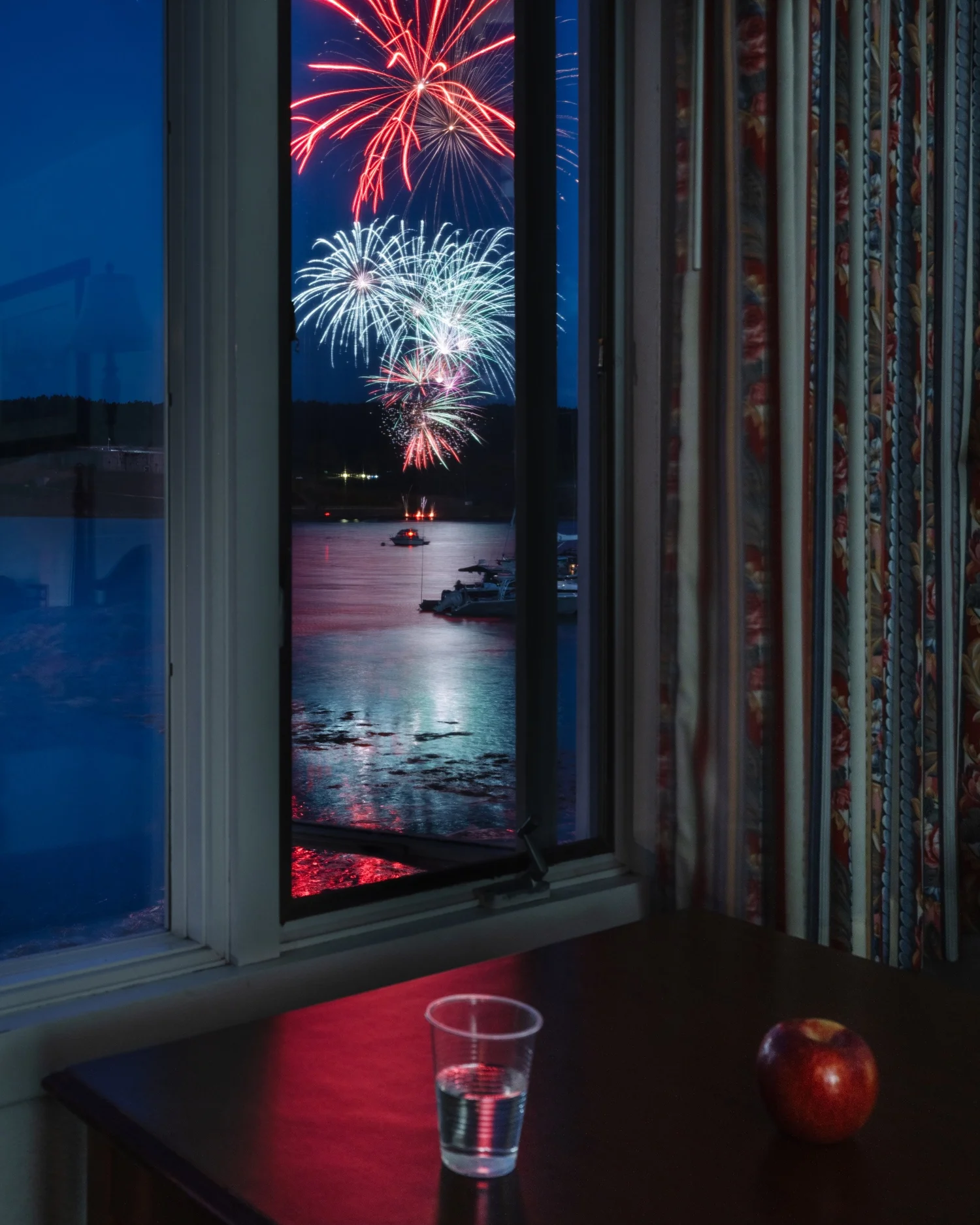
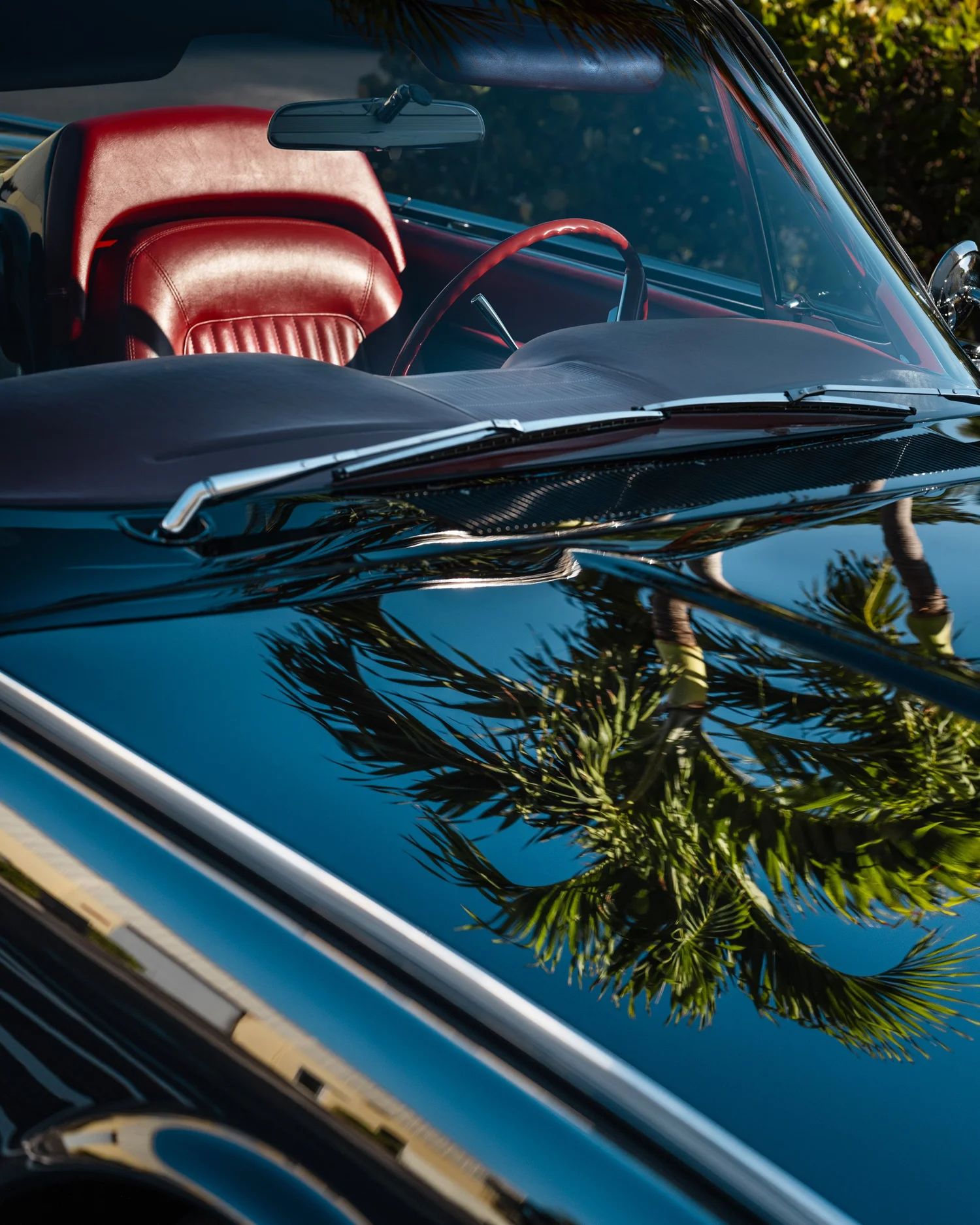
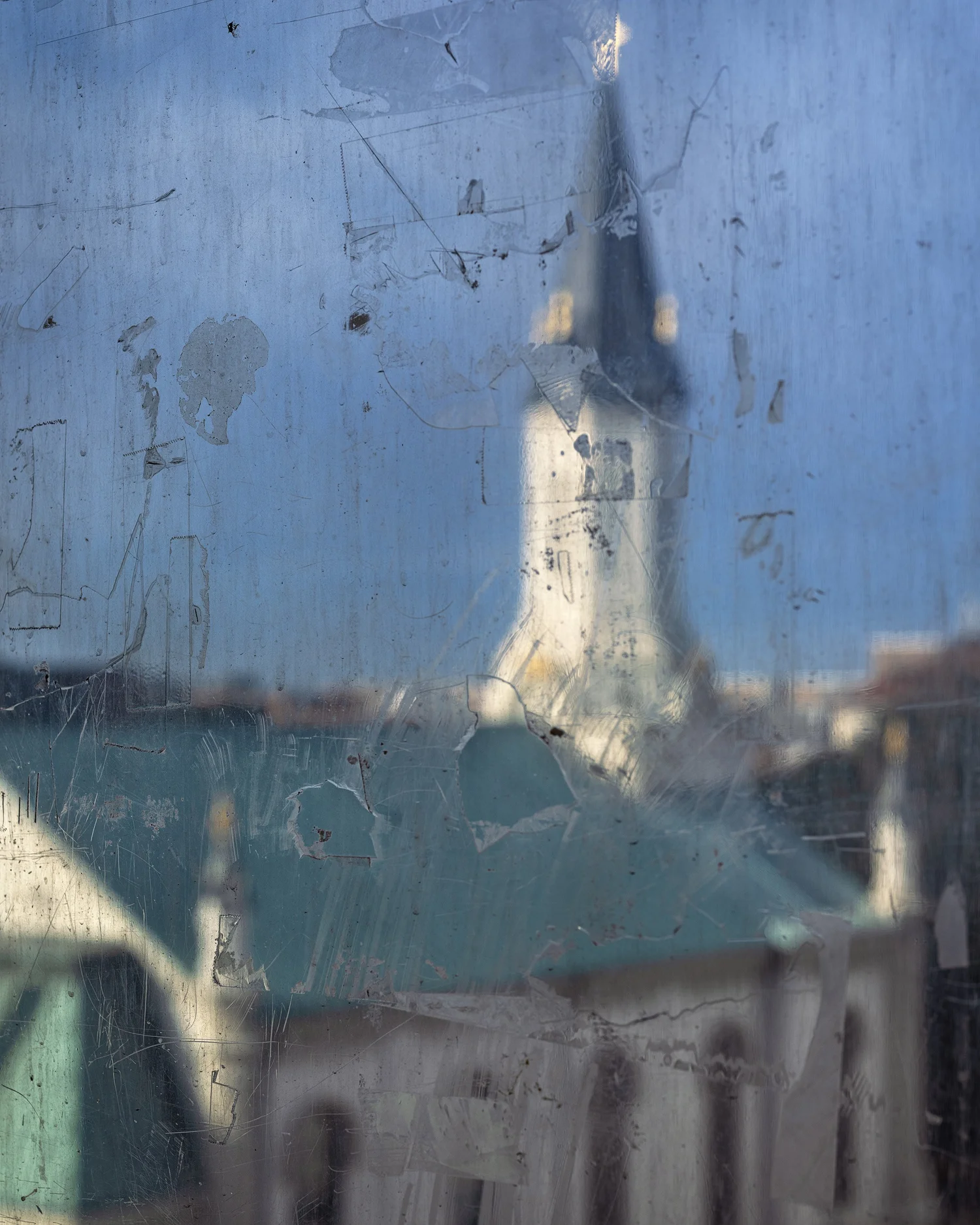
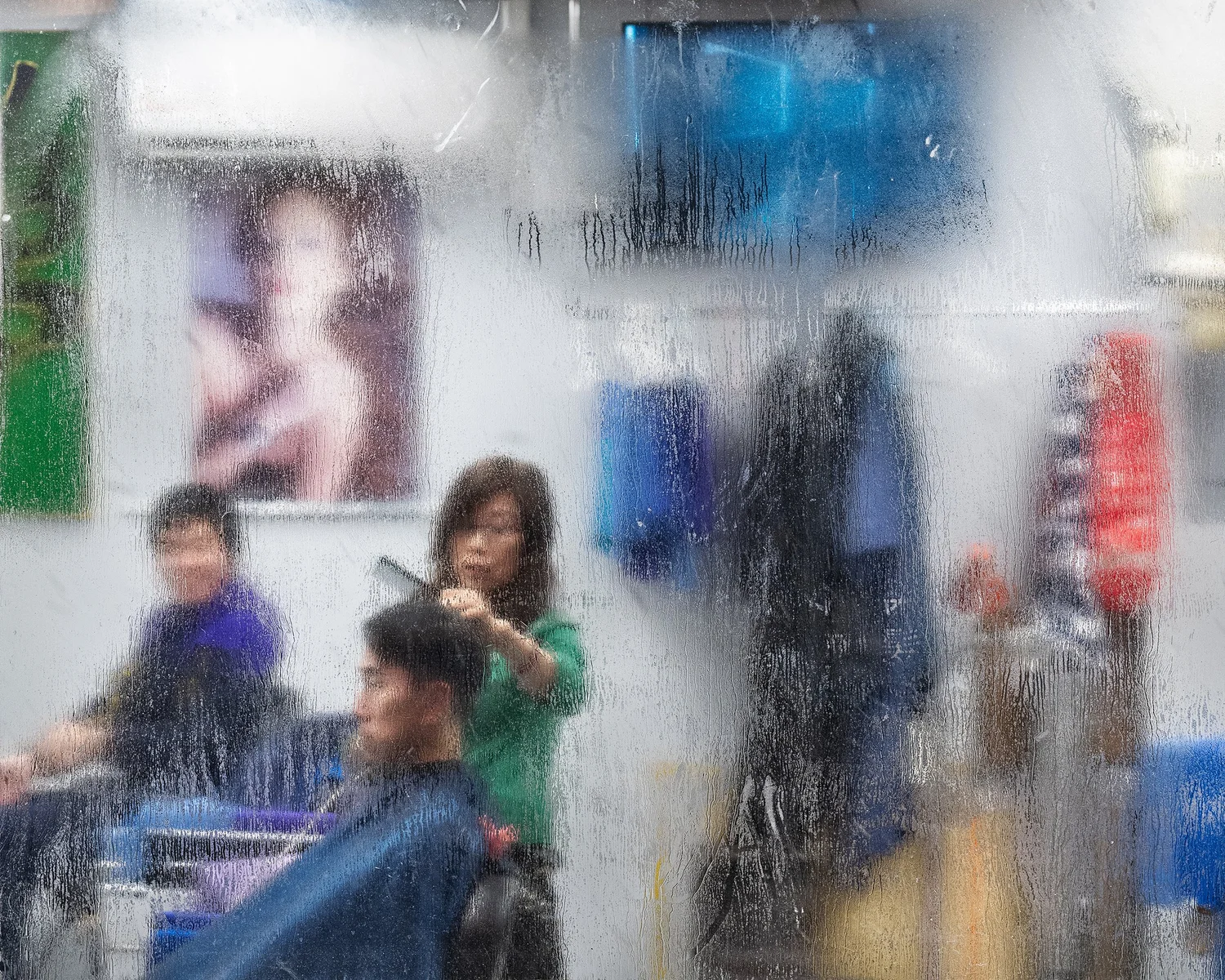
Anastasia Samoylova’s work focuses more on surfaces, observations, and details. Her series on the US “Atlantic Coast” retraces Bérénice Abbott’s photographic journey along Route 1 and, like the great documentary photographer did in 1954, explores American landscapes.
Samoylova thus follows the same route, stopping in the same towns, at the same stops and, one might think, or wish to believe, in the same motels. But the American myth (always well-preserved in photography) finds in her gaze a kind of sweet irony counterbalanced by an economy of means and a strong emphasis on frozen colors. This is the case with a shot of a simple fireworks display, highlighting the patriotic American colors, but whose effect is subtly disrupted by the photographer’s viewpoint: a PVC window, a cheap curtain, a glass of water in a flimsy cup, a round, glossy apple; as if laughing at the artificiality of the fireworks.
Her work focuses on clichés of the American pastoral, such as this Protestant church steeple seen through the blurred, torn, scratched, and chipped filter of a glass or plastic shard. The connection to Berenice Abbott grows even stronger when Samoylova captures the tipping point between the American imagination and the clatter of its obsolescence, its supposed grandeur set against the ordinariness of daily life.
- Hannah Schemel at Galerija Fotografija, Ljubljana
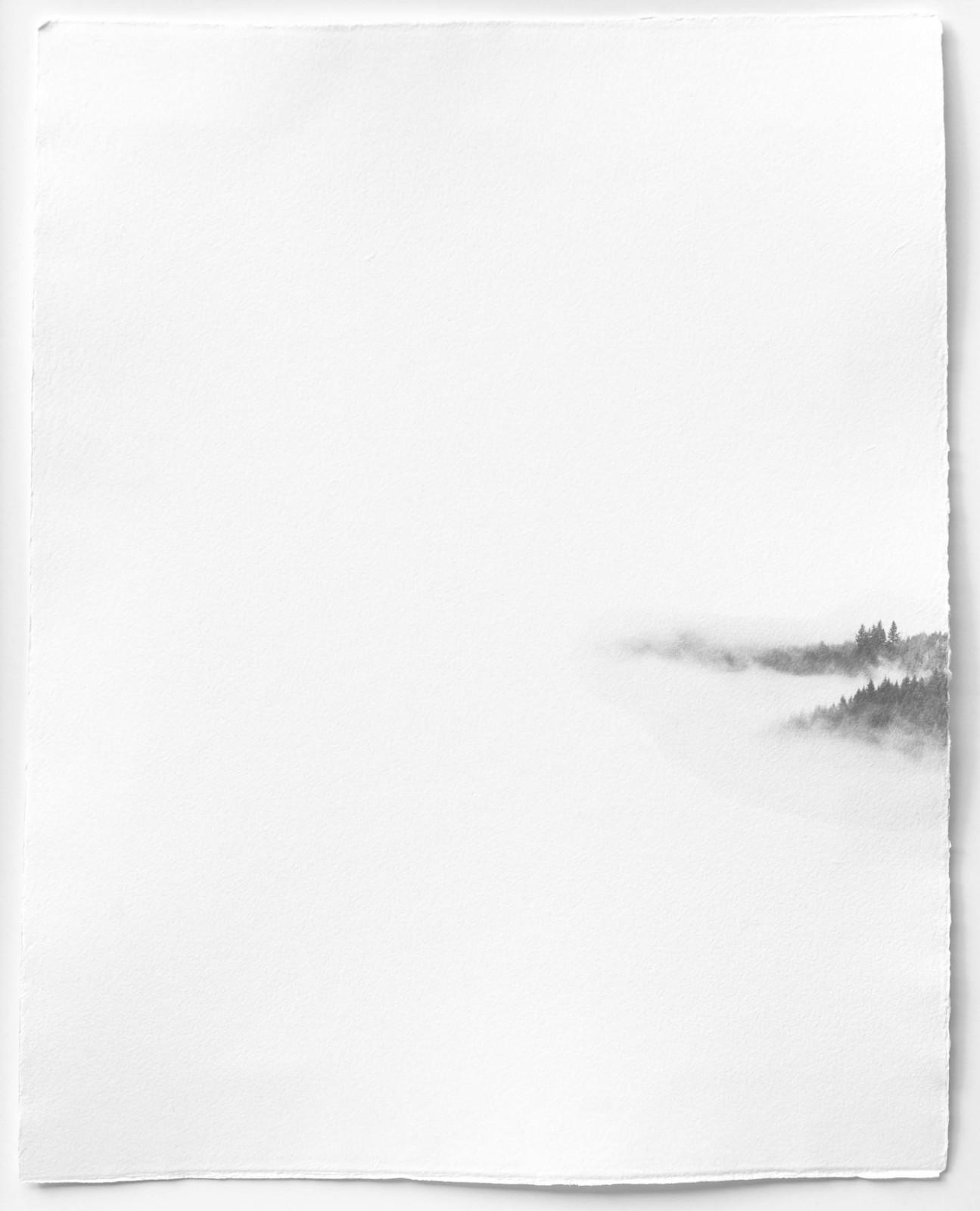
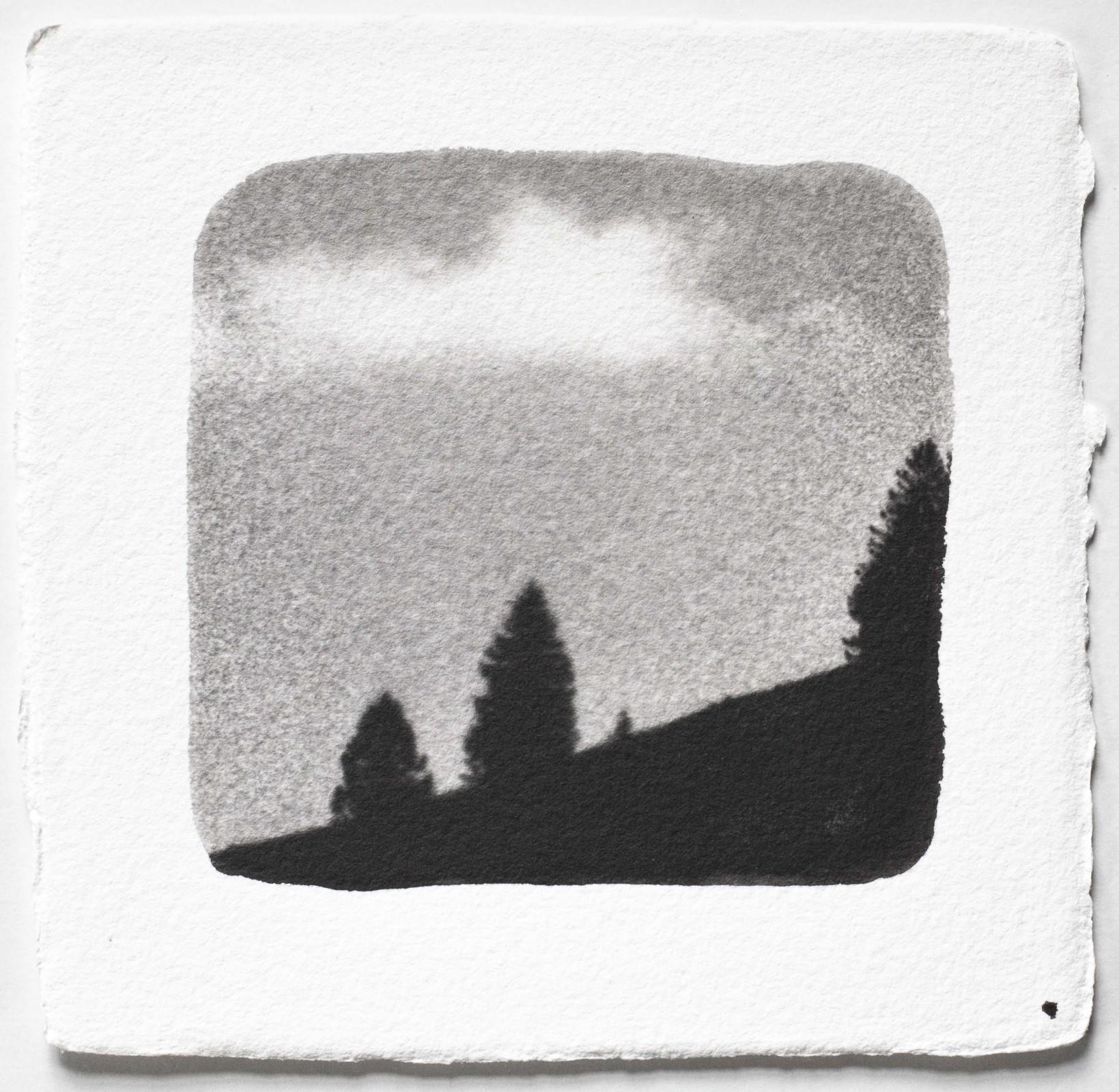
Born in 1994, Hannah Schemel lives near the Black Forest, and her two-year stay in Milan did nothing to diminish her fascination with dense forests. There she spends time among the beech, spruce, and fir trees with black-tipped branches that have watched her grow, and vice versa. She returns there in each season to capture them in fragments, so that each of these beings finds a form of subjectivity, almost personified.
Her photographs are all the more subtle because she prints them in platinum-palladium on paper developed specifically for her. The process eludes me, and that is all the better. It allows the print to have a density akin to a graphite drawing, and gives it a floating, magnified appearance almost tender, one might think. Tenderness is precisely what is at stake in this focus on the part for the sake of the whole. Hannah Schemel has a unique ability to capture what only catches the eye when the mind wanders.
Plus d’informations
Le salon MIA Photo Fair BNP Paribas, à Milan, a ouvert ses portes mercredi et se tiendra jusqu’au dimanche 22 mars. Cette 15e édition, dirigée par Francesca Malgara et organisée par Fiere di Parma, rassemble 76 galeries, dont 27 galeries internationales et 24 nouveaux participants.