

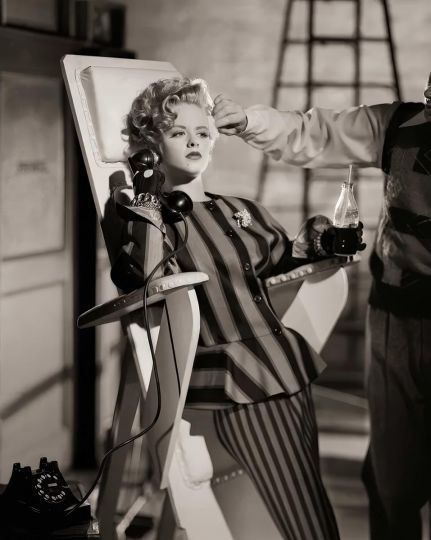

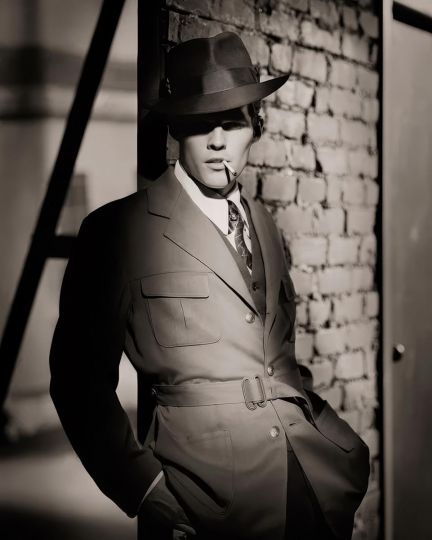
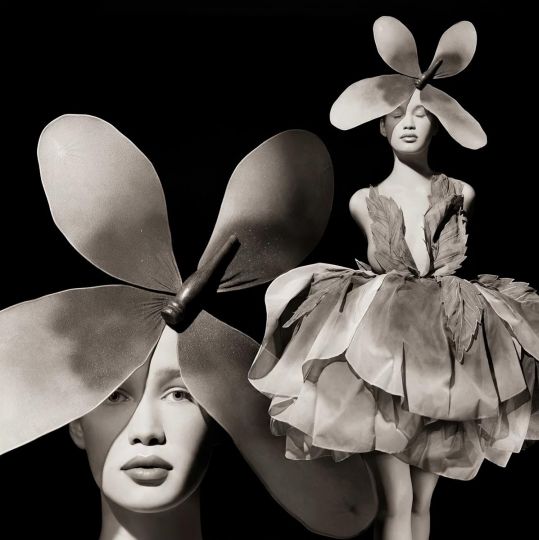
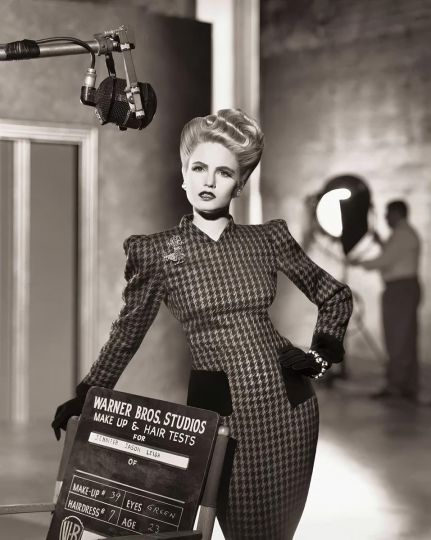


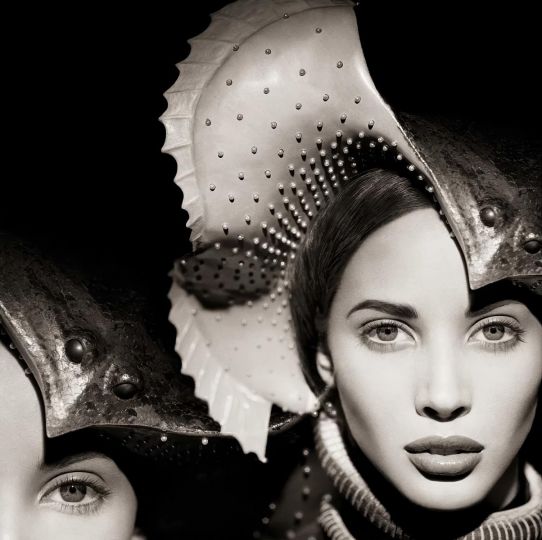
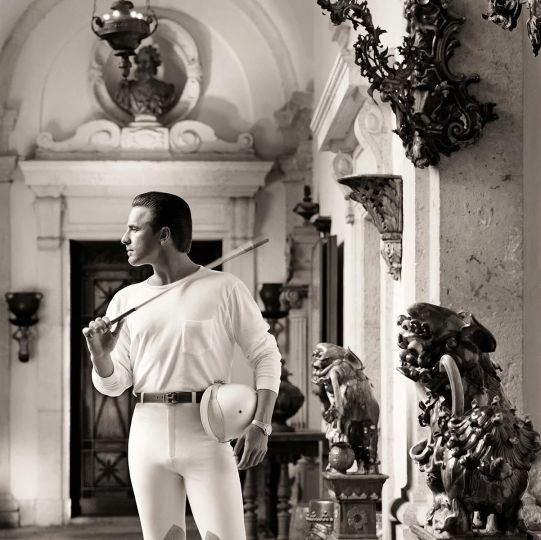
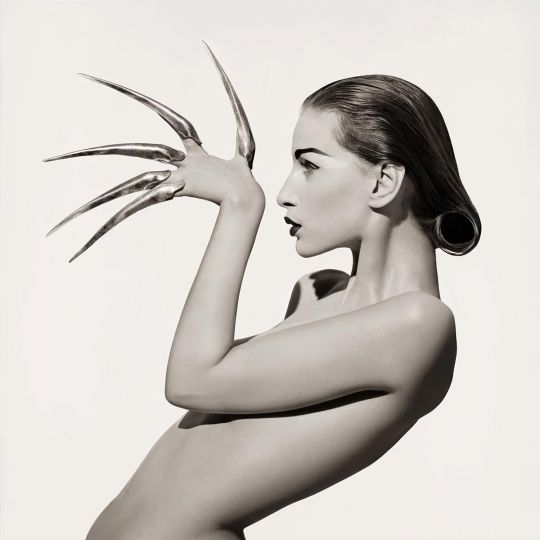
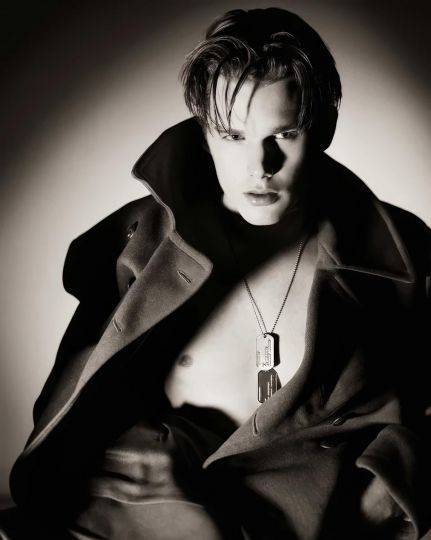
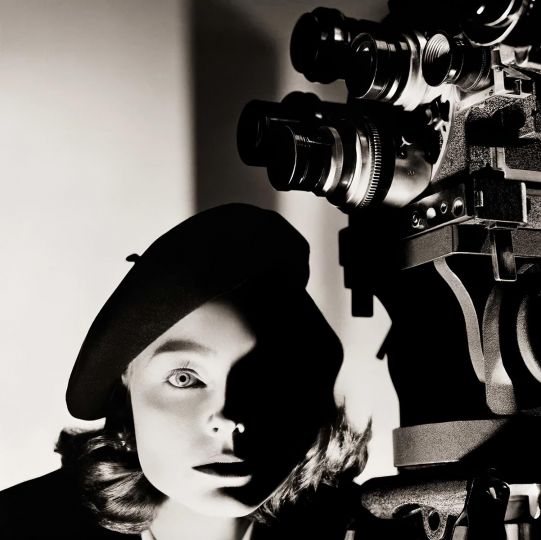

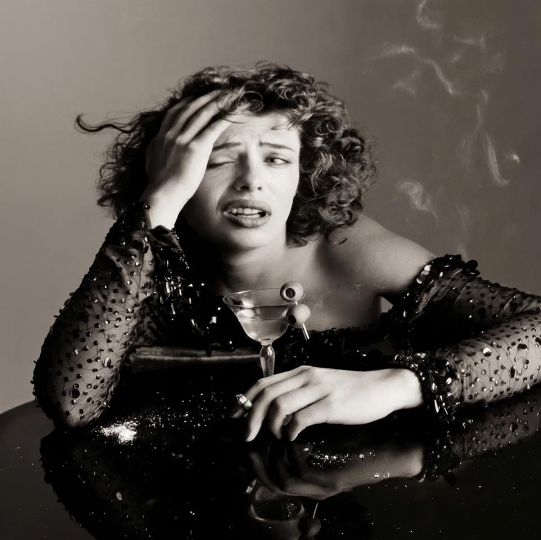
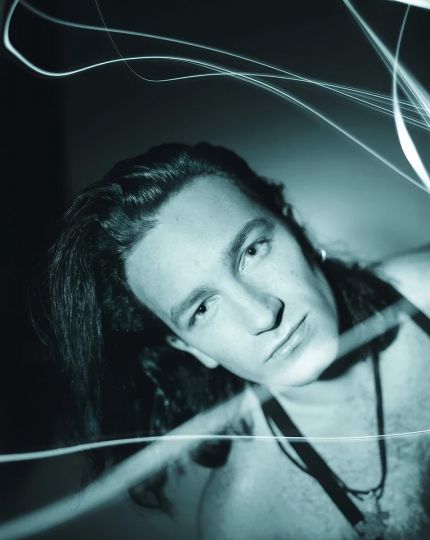

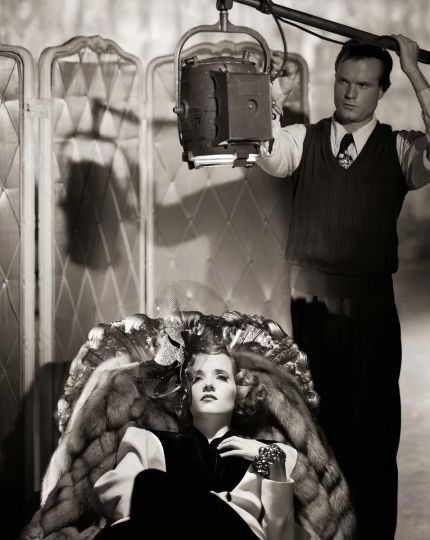
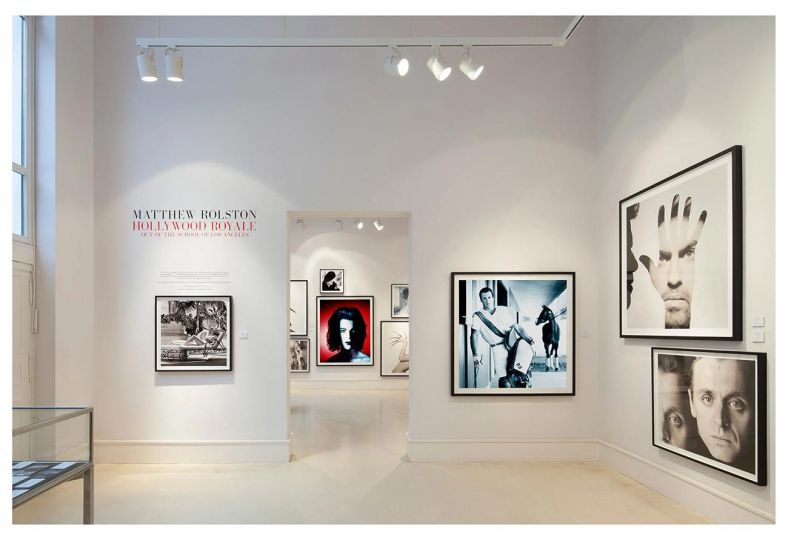

One of a handful of artists to emerge from Andy Warhol’s famed Interview magazine, Matthew Rolston is a well-established icon of Hollywood photography.
Alongside such luminaries as Herb Ritts and Greg Gorman, Rolston was a member of an influential group of photographers (among them, Bruce Weber, Annie Leibovitz, and Steven Meisel) who came from the 1980s magazine scene. Rolston helped define the era’s take on celebrity imagemaking, gender bending, and much more.
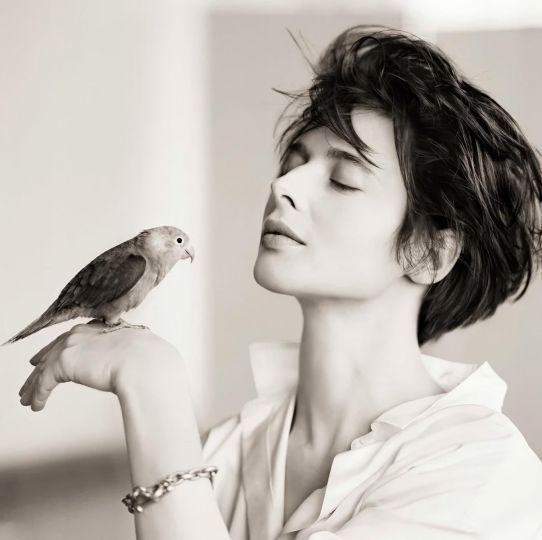
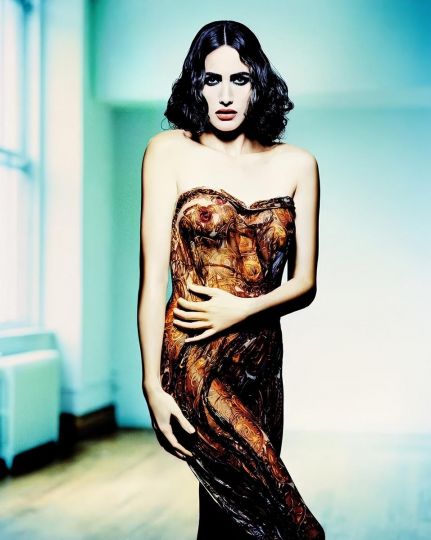
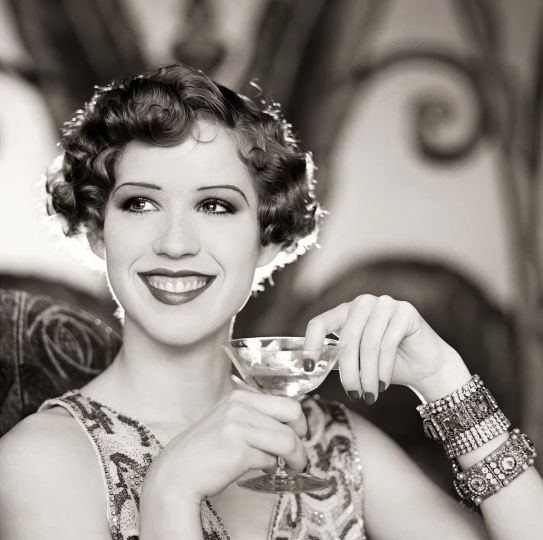
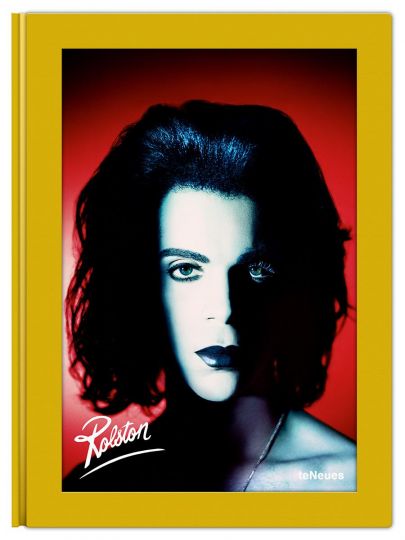
Edited by long-time Los Angeles–based gallerist and curator David Fahey, this project, Hollywood Royale: Out of the School of Los Angeles — which includes Rolston’s fourth monograph, as well as a traveling exhibition — presents an array of portraits that beautifully and succinctly capture the decade and its myriad talents. From Michael Jackson and Madonna, to Prince, George Michael and Cyndi Lauper, the selection of images reflects a seamless blend of style and imagination.
The project features over one hundred photographs selected from Rolston’s extensive body of work, centering on his portraits of the era’s most famous personalities. The book includes essays by authors Pat Hackett, Andy Warhol’s longtime collaborator and diarist; Colin Westerbeck, noted photographic curator and expert on legendary American photographer Irving Penn; and Charles Churchward, longtime creative director of both Vogue and Vanity Fair magazines and author of The Golden Hour, a definitive biography of photographer Herb Ritts.
Hollywood Royale: Out of the School of Los Angeles, paints a memorable picture of an indelible imagemaker and the film stars, models, and artists he immortalized during the 1980s.
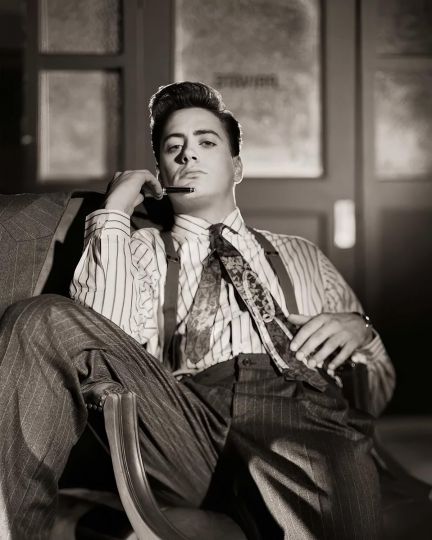
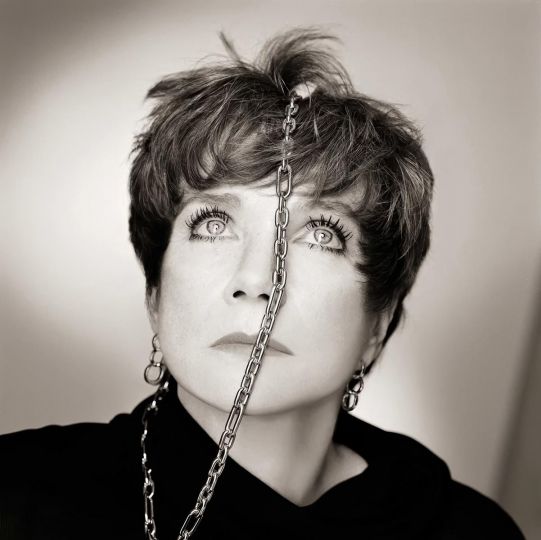
Rolston’s photographs recall the glamour of Old Hollywood with postmodern irony, helping to point the way towards the cult of fame we live with today. From pop stars to movie stars, TV personalities to socialites, Warhol’s protégé presents a virtual ‘who’s who’ of 1980s celebrity.
Glamour Reborn: Out of the School of Los Angeles
By Charles Churchward (excerpt)
Hollywood, September, 1985 — LA’s oven-like Santa Ana winds blew down from the nearby Mojave Desert on the dusty sidewalks of Melrose Avenue one unseasonably warm evening. The city’s nascent style elite were about to descend on the G. Ray Hawkins Gallery for an exhibition highlighting the work of three local, up-and-coming portrait photographers whose only mutual connection was that their work had been spotted in the pages of Andy Warhol’s proto-celebrity magazine, Interview. The winds of creative change were in the air.
Warhol began Interview in New York in 1969 as a clever way to receive invitations to screenings and meet celebrities in society and entertainment. More importantly, it was a new way for Warhol to express his ongoing obsession with the idea of fame. In its bare beginnings, the crudely-printed magazine was an exploration, primarily made up of verbatim interviews with individuals that fascinated Warhol, illustrated with his famous Polaroids, and occasionally, a gratuitous page or two dedicated to campy publicity stills from golden-age Hollywood films. But by the late-1970s, Interview had started to show some polish, becoming an important platform for magazine photography.
With virtually no budget and fueled by Warhol’s ever growing interest in the concept of Hollywood celebrity, Warhol and his magazine’s editors, Bob Colacello and later, Gael Love, sought out the next generation of young artists and photographers hungry to find a showcase for their work.
The three photographers included in the Melrose Avenue exhibition that September evening, organized by the then-Hawkins’ Gallery Director David Fahey, were Greg Gorman, Matthew Rolston, and Herb Ritts, and it was titled Working in L.A. Each of these young photographers happened to have emerged from a new generation of style-obsessed artists living in Los Angeles, and they had various social connections to many of the rising stars and agents in the entertainment industry.
In the 1970s and 1980s, from the perspective of the more traditional East Coast magazine publishers, Los Angeles wasn’t just desert-adjacent—it was a cultural desert; its photographic artists, if even recognized, were disdained.
When Vogue or the Bazaar decided to feature a Hollywood star in their pages, and couldn’t bring them to New York, they would send an entire team—photographer, editor, hair and makeup, etc. In their opinion, there were no worthy contributors of any kind on the West Coast.
This approach wasn’t an option for Warhol’s scrappy-yet-prescient publication. Interview needed to find contributors who lived in Hollywood with the necessary insider connections and a sympathetic taste level appropriate for Warhol’s vision. Greg Gorman, Matthew Rolston and Herb Ritts turned out to be the perfect additions to the magazine’s roster, and although they couldn’t have known it at the time, their rise marked a significant shift in the imaging of celebrity.
What these three had in common, above all, was their drive to idealize their subjects, often employing the techniques and artifice of the past. Greg Gorman had social access to the next generation of aspiring young actors and also documented the “outsiders” of the entertainment industry in his beautifully-crafted, retro-inspired photographs. Herb Ritts’ photography was resolutely modern, focusing on sculpted, sensual bodies cavorting in California’s abundant sunshine, yet it was also evocative of Hollywood’s glory years. Matthew Rolston was, according to Warhol in The Andy Warhol Diaries, “the magazine’s best photographer . . . and he made the new kids look stunning—like stars” with his somewhat ironic, even conceptual, take on Old Hollywood studio style.
Soon, other East Coast publications began to take notice of this cultural shift. Los Angeles began a slow ascendancy. Ritts started to shoot for American Vogue, Rolston for Harper’s Bazaar. Over the following decades, each completed major assignments and cover stories for these magazines. Other publications, such as Rolling Stone and later Vanity Fair, as well as numerous advertising clients came calling. This level of photography emerging from the West Coast was simply unprecedented.
The Working in L.A. exhibition was the first time that this group of commercial West Coast photographers—powerful new stars themselves, using the tools of Golden Age glamour—would be publicly recognized. The event also unconsciously marked a Los Angeles-based “school of photography” historically similar to past influential groups of artists and photographers in Europe and New York.
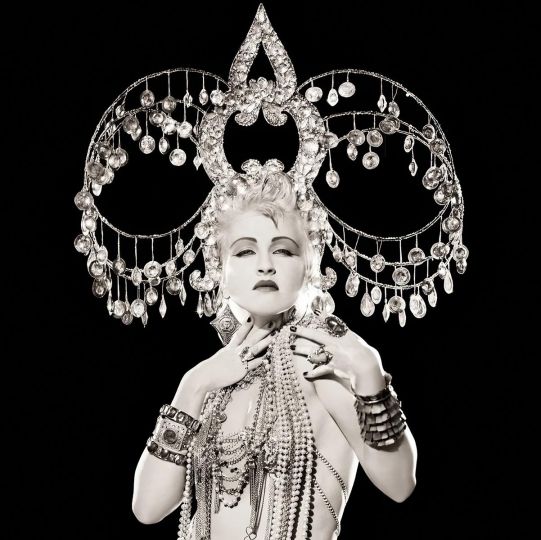
Perhaps this movement can be defined today as the School of Los Angeles. Its uniting factors and markers include, first and foremost, a highly romanticized vision of humanity. These photographers, along with their Los Angeles contemporaries (Paul Jasmin, Firooz Zahedi, Moshe Brakha, Albert Sanchez, and Raul Vega, to name just a few) took idealization nearly to the point of idolatry; they used references from the past to comment on the present; and being very much part of their own time, they often used the platform of their imagery to question traditional sexual and gender roles, a signifier of the pop culture gender-bending world of the 1980s. This group freely mixed focuses on dominant and powerful female figures—think of Rolston’s Cyndi Lauper, Headdress (1986)—with trailblazing homoerotic imagery—think of Ritts’ Fred with Tires (1984). They fetishized fashion and, above all else, rendered their subjects as glamorous and unforgettable objects of desire.
What exactly is glamour? It’s not easy to define, but it is a term that implies a certain kind of magic. The word “glamour” derives from the Scottish glamer, originally used to describe spells of bewitchment and enchantment.
And there most certainly was a kind of magic to the extraordinary appearance of Hollywood movie stars as depicted by the major studios of the Golden Age. These pre-WWII actors and actresses were portrayed as nearly god-like, with their velvety, flawless, glowing skin, encompassed in halos of luminous light. Although remote in their perfection, the stars exuded a powerful and mysterious sexuality—for in mystery, there is power.
From the earliest days of the Hollywood film industry, the studios under-stood the power of glamour and its spellbinding use. Audiences purchased tickets to see the magic of the silver screen, but what they were really buying was a subliminal relationship with the stars who appeared on that screen. 1930s film director Josef von Sternberg, one of Hollywood’s most influential pre-war purveyors of glamour, used these words to describe its effect:
“Glamour is the result of the play of light on the landscape of the face, creating mysterious shadows in the eyes. It is the indecipherable magic of the cinema, the substance of the dreams of a generation.”
Charles Churchward
Charles Churchward is an author, historian, and served as the art and design directors of both Vogue and Vanity Fair, where he worked with legendary editors such as Alexander Liberman, Anna Wintour, Tina Brown, and Ruth Ansel. Over the years, Churchward has commissioned the works of many prominent photographers, including Irving Penn, Helmut Newton, Annie Leibovitz, Herb Ritts, Bruce Weber, Mario Testino, and Matthew Rolston, among many others. Churchward authored Herb Ritts: The Golden Hour, an extensive biography of the renowned photographer, designed both Then: The Photographs of Alexander Liberman and Extreme Beauty in Vogue, and made substantial contributions to The American Century by Harold Evans.
BOOK LINK: https://www.amazon.com/Hollywood-Royale-Out-School-Angeles/dp/3961710244
PROJECT WEBSITE: www.hollywoodroyale.com
Copyright © Matthew Rolston Creative Inc. All rights reserved.