



Anabela Becho: How did you meet Georges Dambier, and when did your collaboration begin?
Micheline Decamps: I had just been hired by the magazine ELLE to set up the colour processing lab. I was working with Jean Chevalier, who at the time was the main staff photographer. It was then that I met Georges. He very quickly told me about the project he had with his two partners, Yves Colleau and Jean-Pierre Rossignol: C.D.R.T. – Conception, Diffusion, Réalisation, Technique. Georges’s idea immediately appealed to me: being able to offer clients — magazines and advertising agencies — the entire production process from start to finish. Two shooting studios, a processing lab, art direction and layout, right through to overseeing the printers. We set up in 1955 at 48, rue de la Bienfaisance, in the 8th arrondissement. Everyone had a clearly defined role: thanks to my training as a chemist, I was in charge of the lab; Colleau did still lifes, Rossignol did reportage, and Georges shot the fashion pictures.
Did you assist Georges at every stage of production?
M.D.: Yes. Very quickly the processing lab was up and running, and Georges then relied on me more and more to manage the studio as a whole.
I prepared the shoots in advance — if there was a theme, I would do preliminary research to anticipate the necessary props, welcome the models and the fashion editors, and of course keep an eye on the lab. I was in constant contact with the fashion houses during the collections, which set the rhythm of the studio’s life. It was wildly exciting: at night we would drive through deserted Paris to discreetly pick up the collection pieces from the couturiers so that the secrecy around their new creations was preserved. Everything sped up again with the arrival of ready-to-wear, but we were ready; our professional and friendly complicity was perfect, which made C.D.R.T. a wonderful little glamour factory. Our complicity grew even stronger when Georges bought out his two partners’ shares.
With Rossignol and Colleau no longer there, someone had to keep the studio running when Georges was photographing the summer collections under more clement skies.
I had to manage the sets that we rented out to other photographers, and the lab which, in addition to Georges’s own work, processed the photographs of a large advertising agency (technique and diffusion). We worked together for thirty-seven years, from 1955 to 1992.
What was distinctive about Georges Dambier, and what was his contribution to fashion photography?
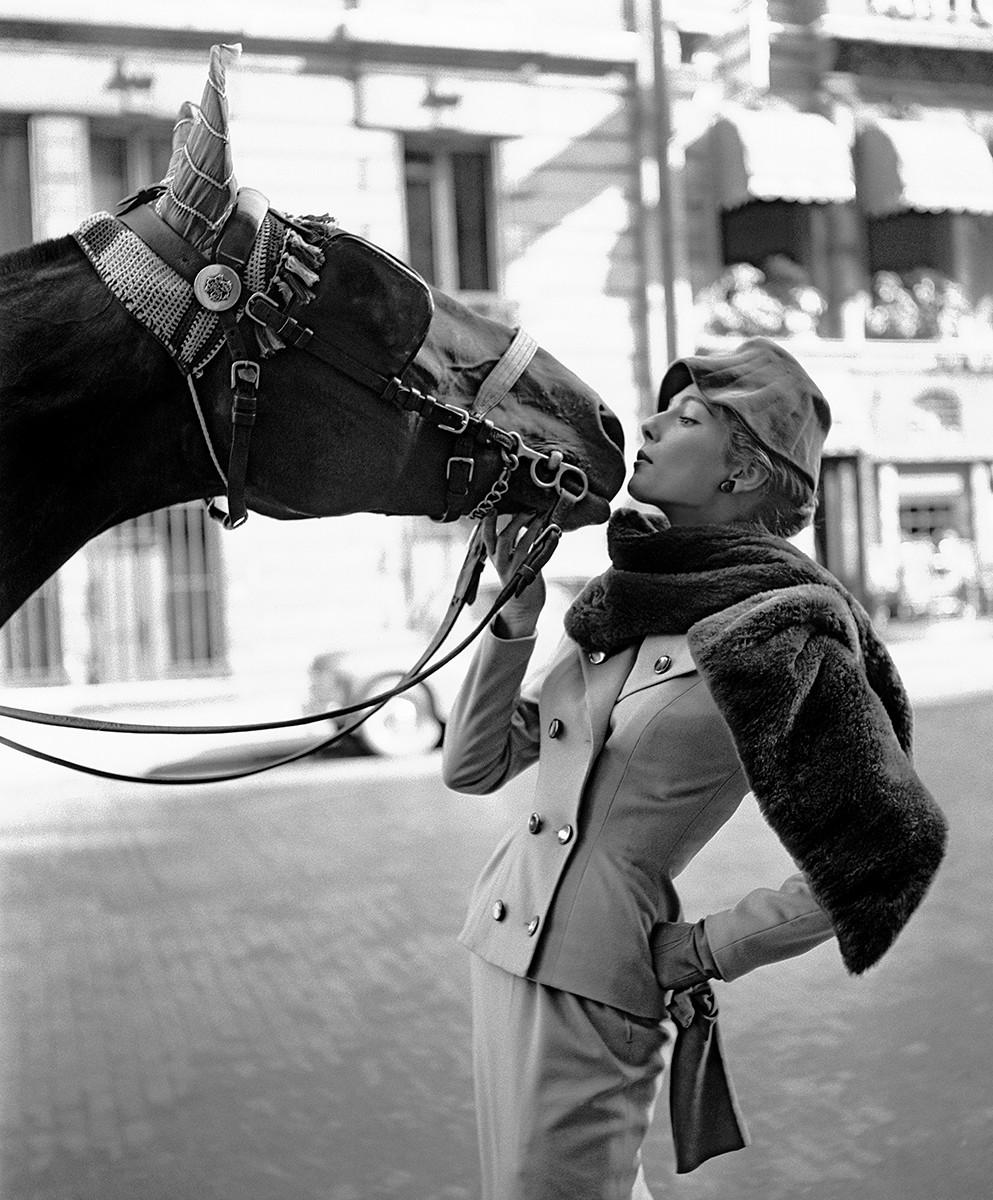
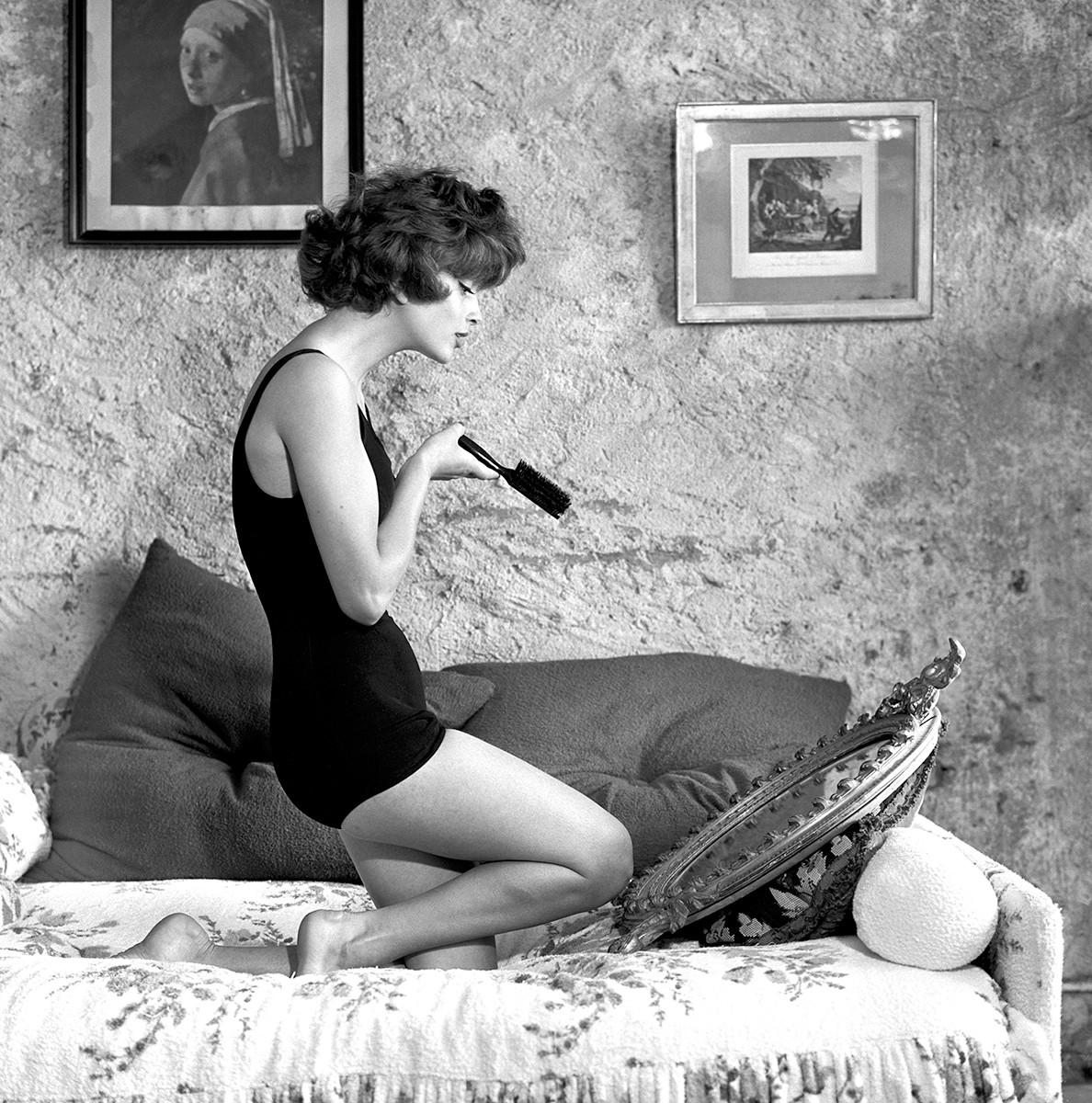
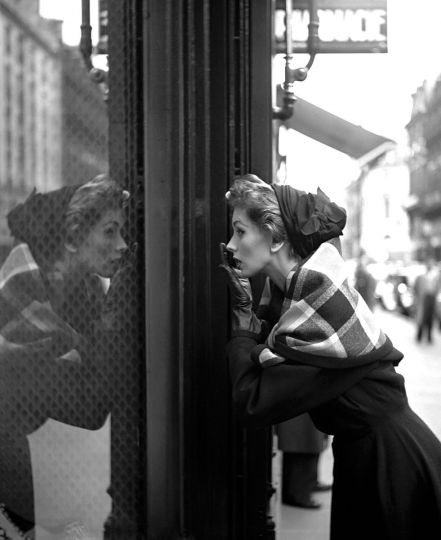
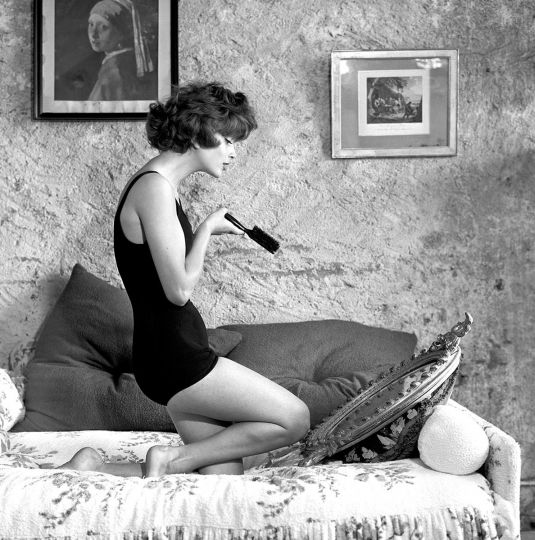
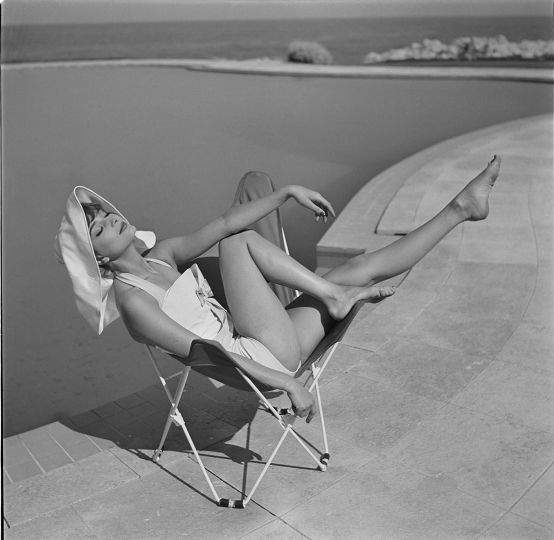
M.D.: Fashion photography at that time put the emphasis on the garment: you had to see the pocket, the buttons, the back. Georges photographed the model. You lost some of the details of the garment, but it was alive! His fashion photographs were completely surprising.
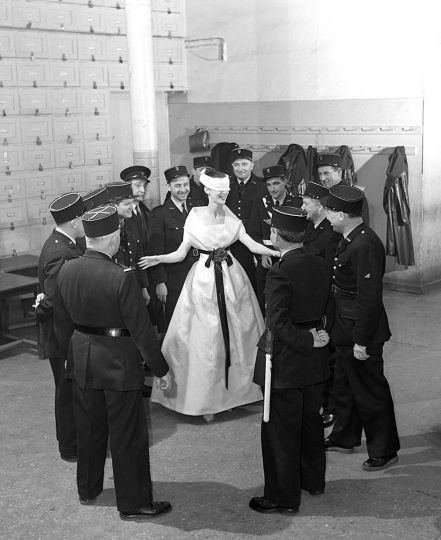
He was one of the first photographers to shoot fashion stories in the street. In the street, but with the same technical demands as in the studio. Some of the night shoots were like real film productions: permits, lighting, a truck serving as a mobile base; all that was unheard of at the time… That’s why I loved working with him: the world of the press had its adrenaline going. We loved it; it was thrilling.
How many people assisted Georges during the shoots?
M.D.: It depended on how complex the picture was. On reportage there was usually just one assistant, in charge of handling the cameras and, above all, keeping them supplied with loaded magazines.
A Rolleiflex or a Hasselblad only has twelve exposures, and Georges always shot both black-and-white and colour. You had to work quickly to keep the shooting fluid and, above all, not miss the light. For the photographs that required lighting, he then needed a second assistant.
“Look at me with a great deal of tenderness in your eyes” he seemed to have a great complicity with his models…
M.D.: Georges loved to seduce. He was very handsome, very gentle; he had talent, a gift. The models, even the most famous ones, really trusted him.
He knew perfectly well how to separate his professional life from his private life, even if he did sometimes go out with some of those charming women. Georges was a very straight person; he wasn’t devious, as some other photographers could be.
The interview continues in the following article.