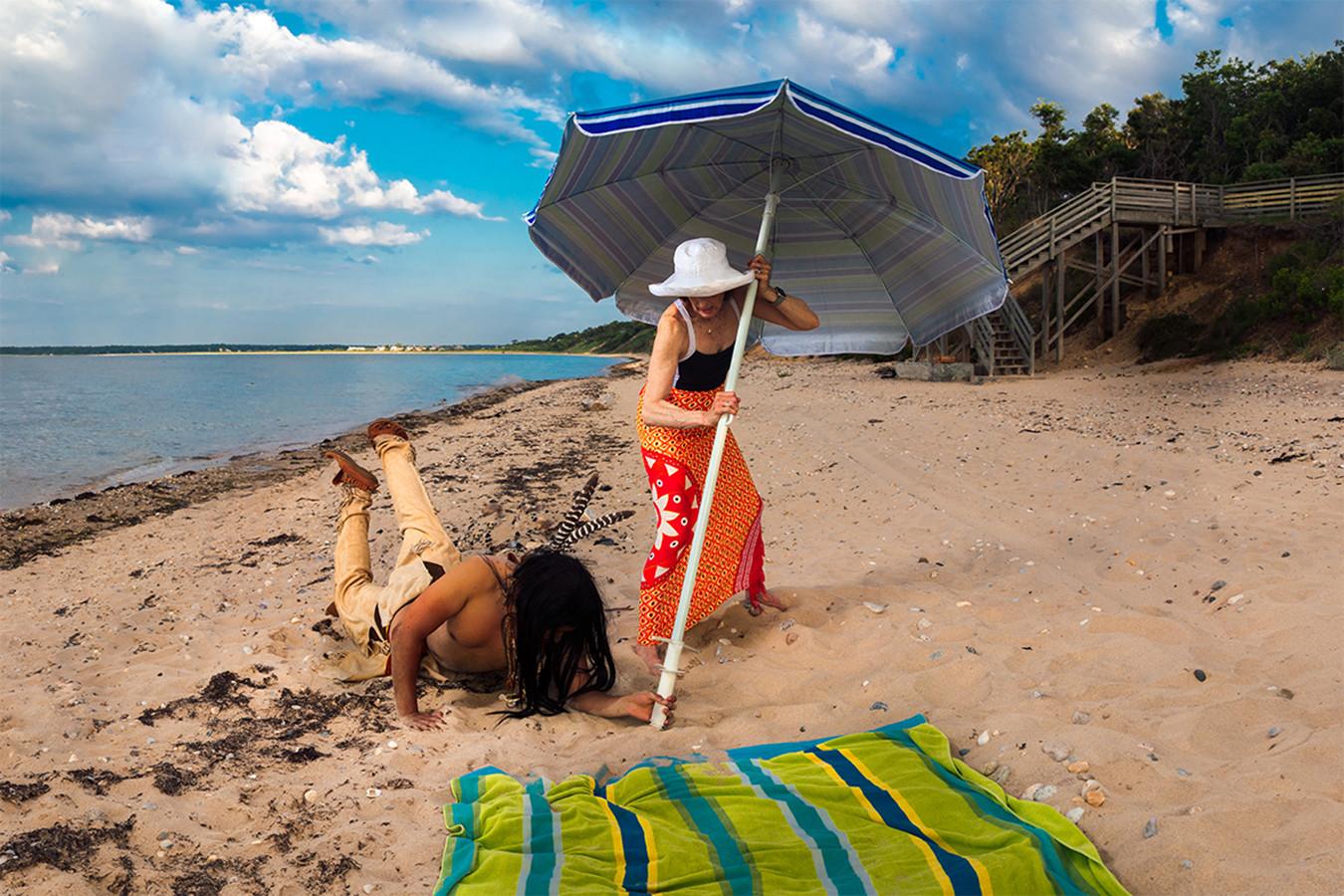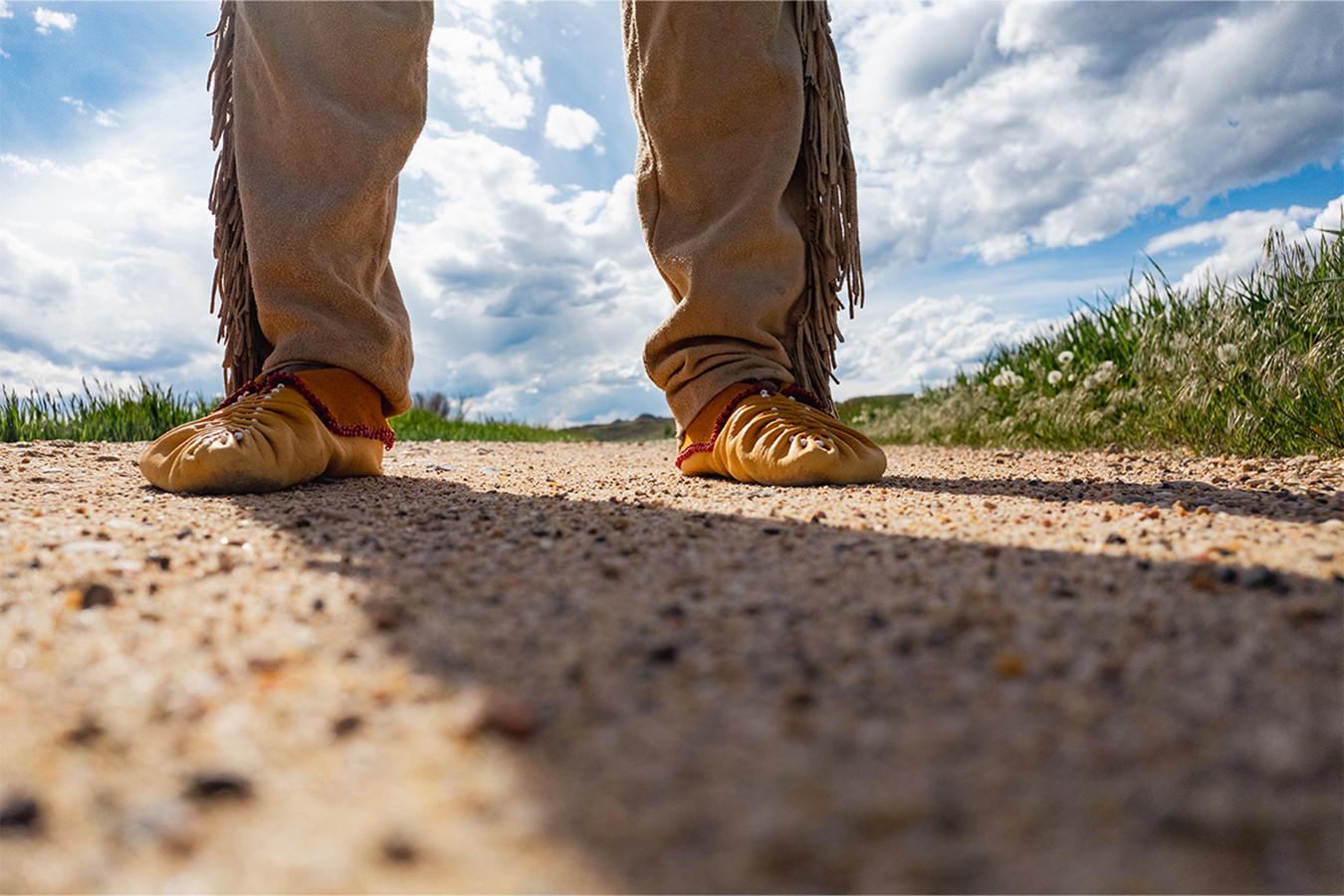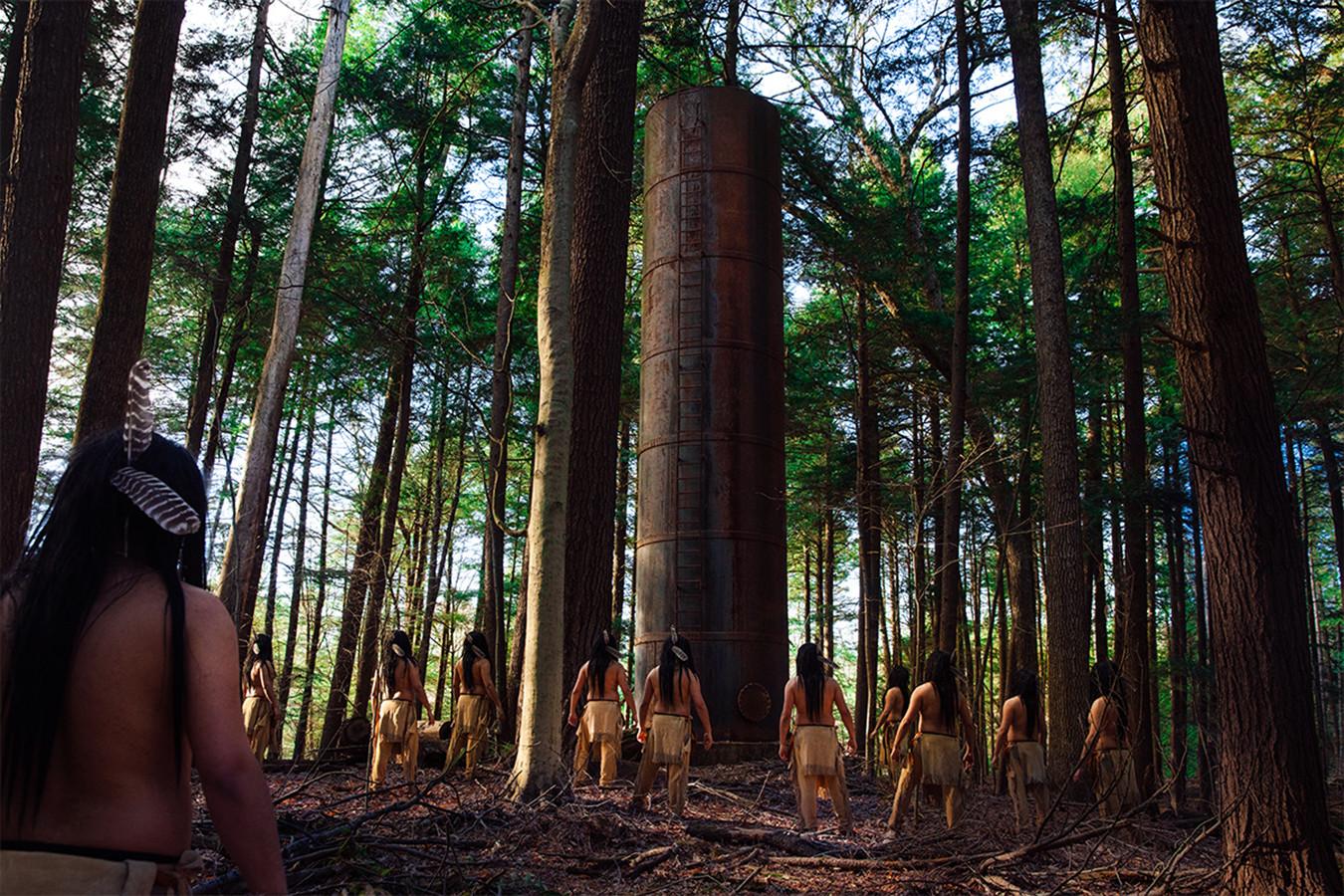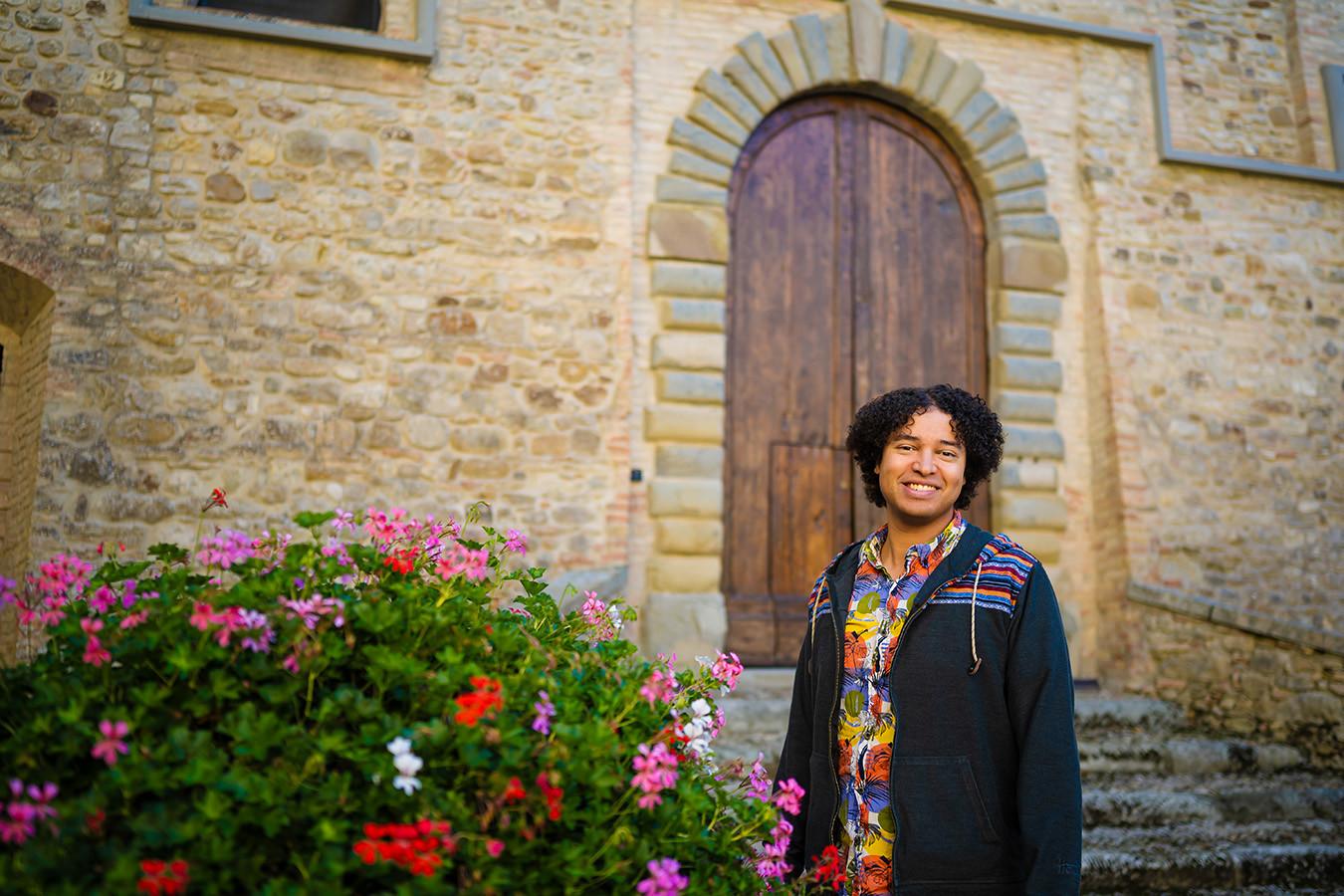
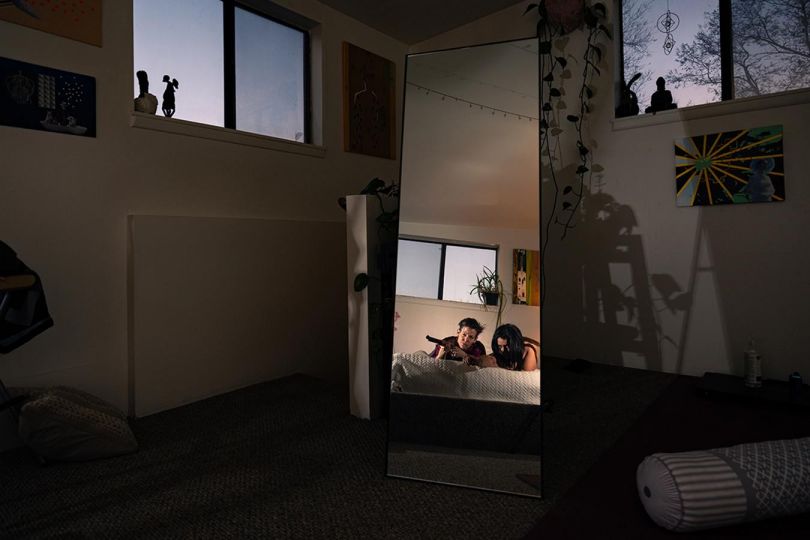
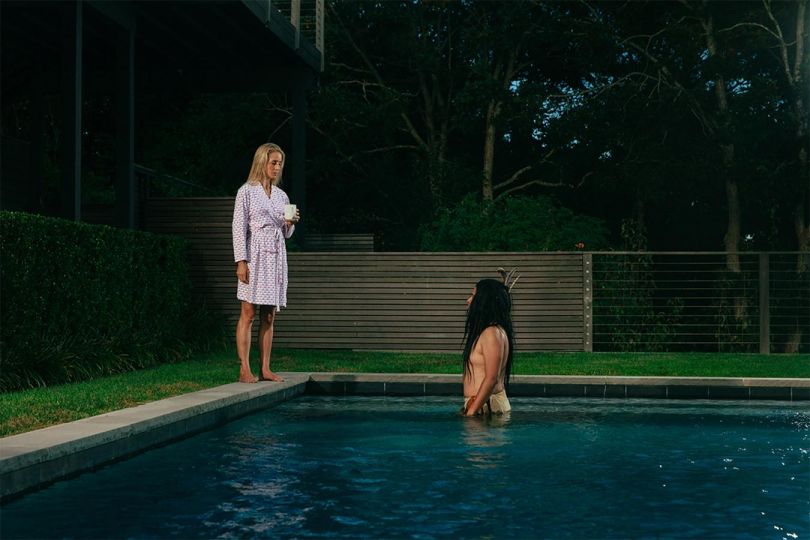
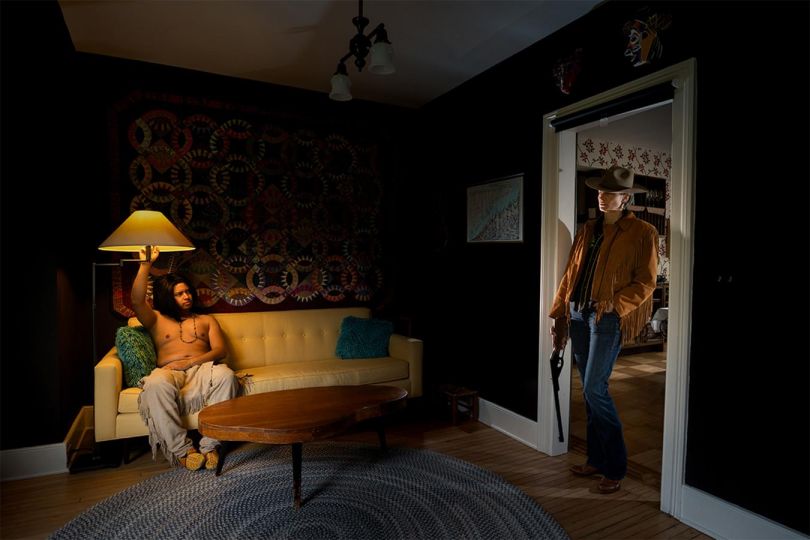
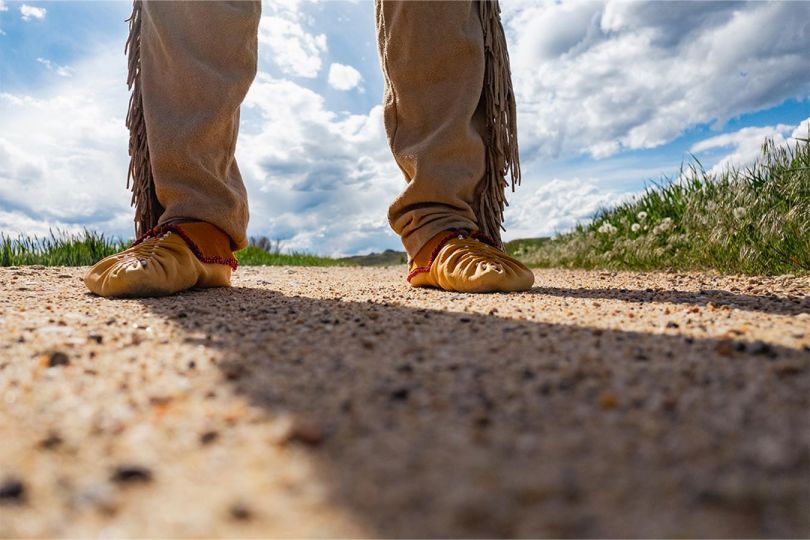
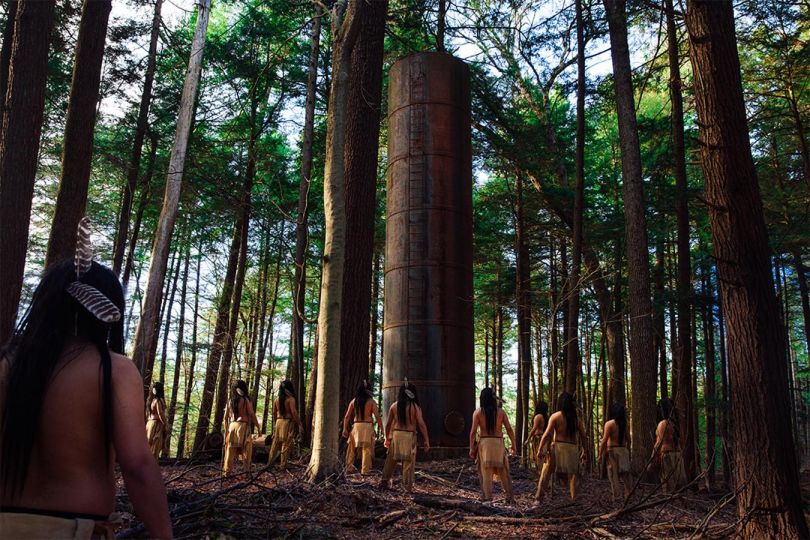
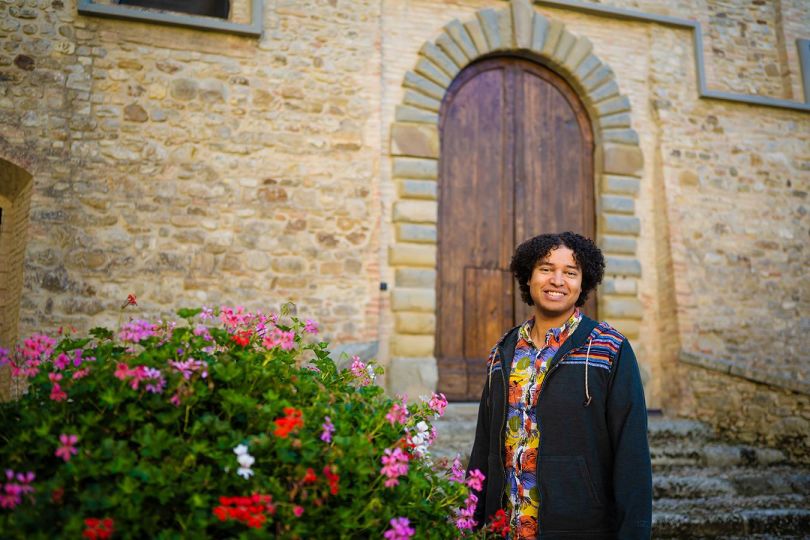

Jeremy Dennis is a contemporary photographer and enrolled member of the Shinnecock Indian Nation whose work explores Indigenous identity, history, and the relationship between people and place. His work is currently on view at The Heckscher Museum of Art, The Church in Sag Harbor, the Memorial Gallery at Farmingdale State College, Floyd Memorial Library, the North Fork Art Collective, WaterFire Arts Center, and the Long Island Museum.
Based on the East End of Long Island, he creates images that challenge long-held stereotypes while celebrating the resilience and continuity of Native communities. His photographs have been exhibited internationally and are held in numerous public and private collections. Through projects that blend documentary, portraiture, and conceptual photography, Dennis invites viewers to reconsider the narratives that shape the American landscape. His practice is rooted in storytelling, cultural preservation, and a deep connection to his ancestral homeland. We are delighted to feature this conversation with the artist for The Eye of Photography which will continue over the next two Tuesdays.
Can you explain the meaning behind the On This Site series?
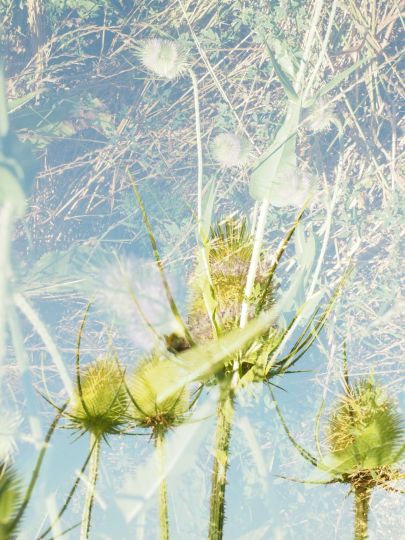
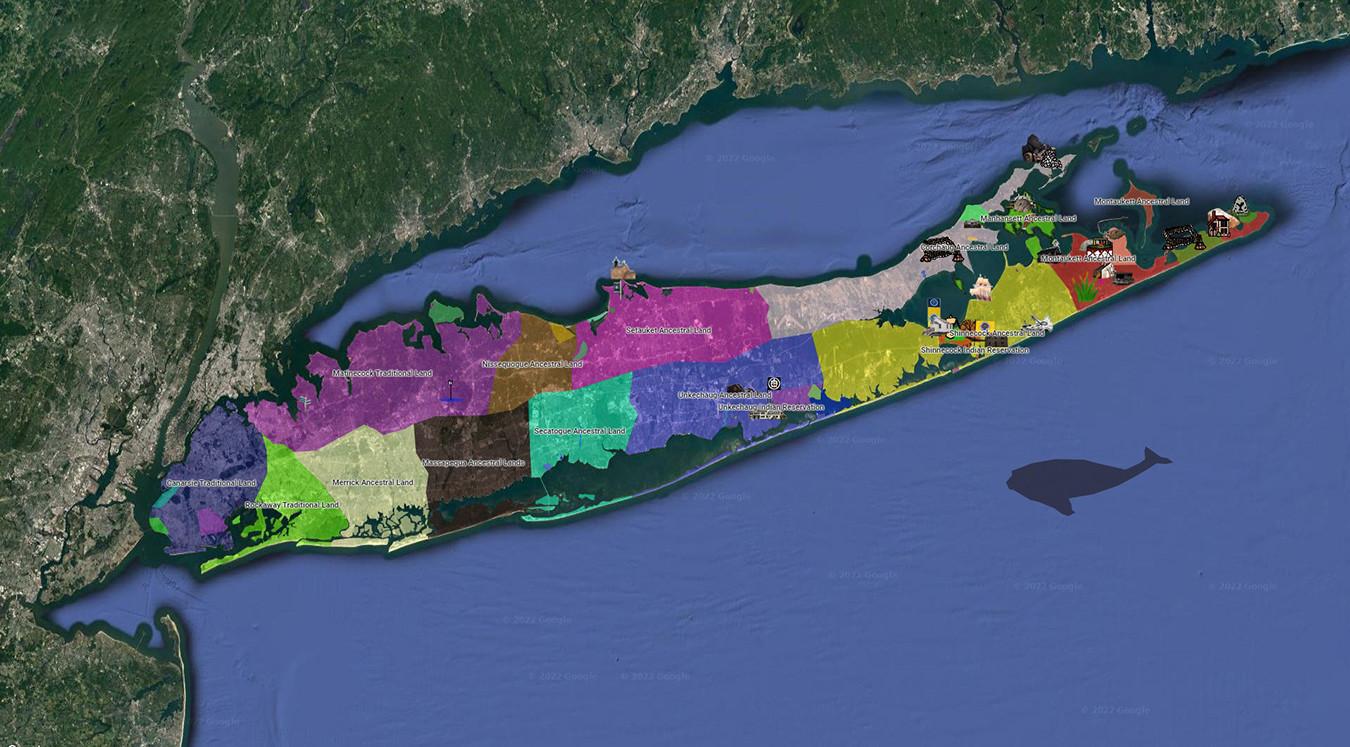
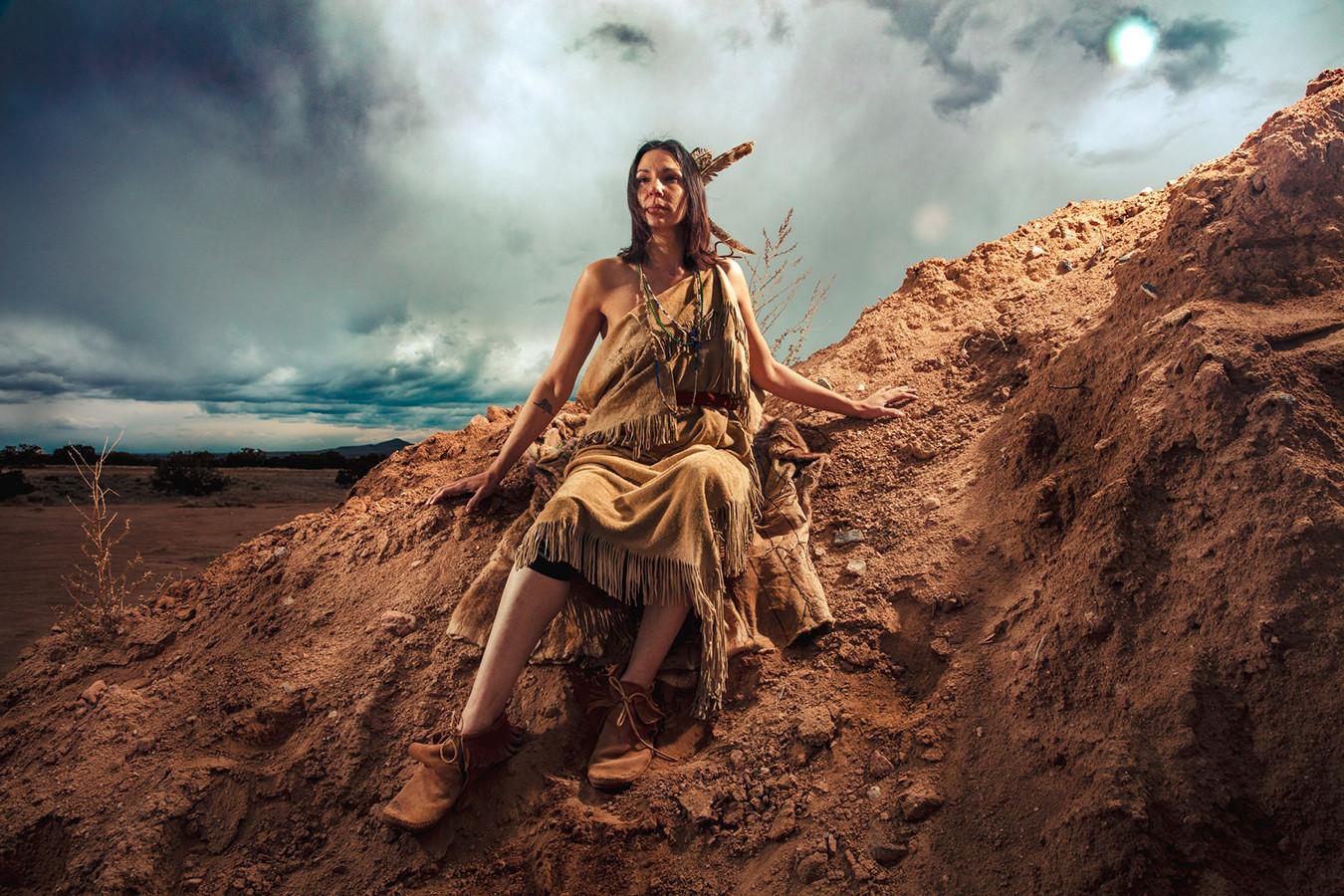
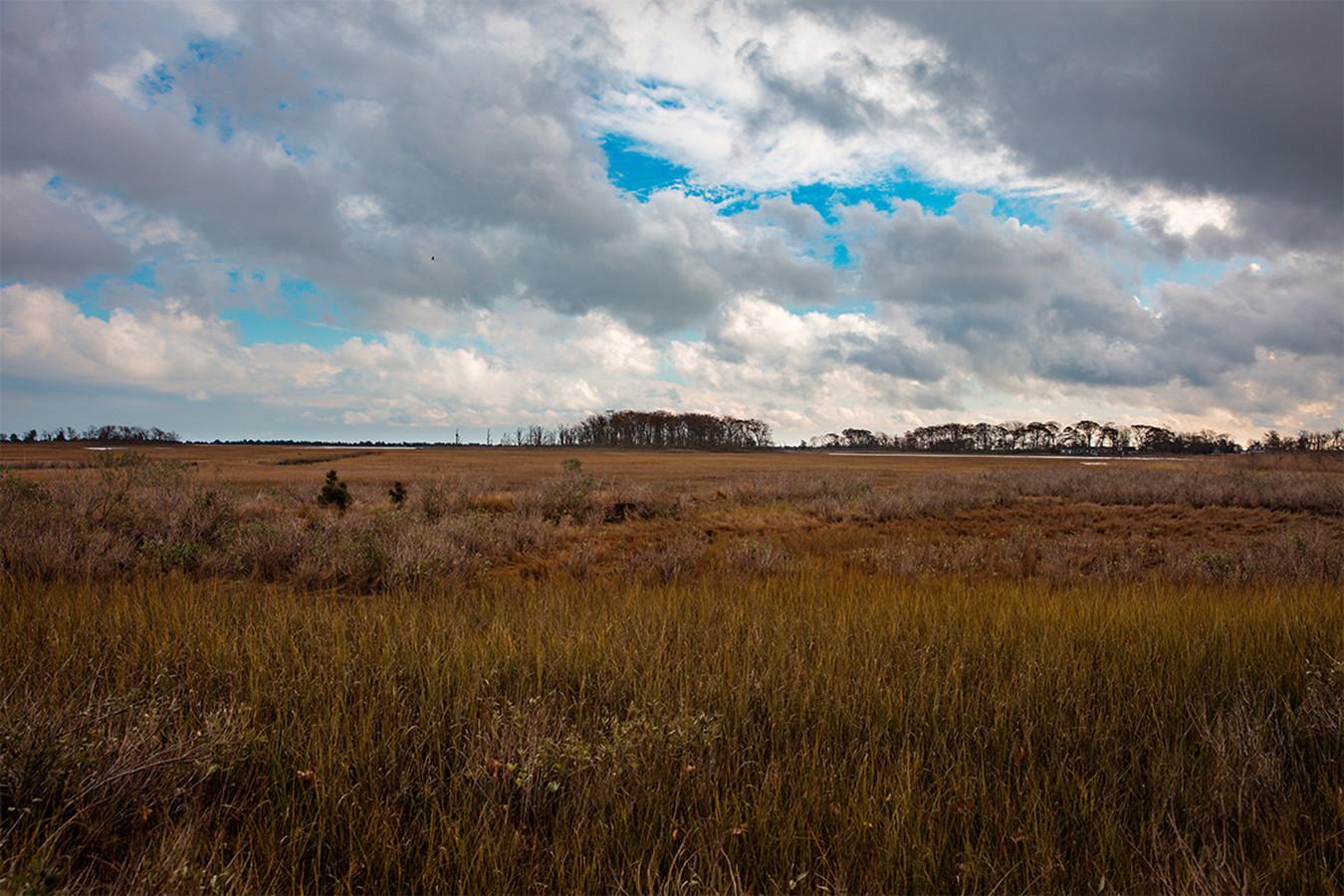
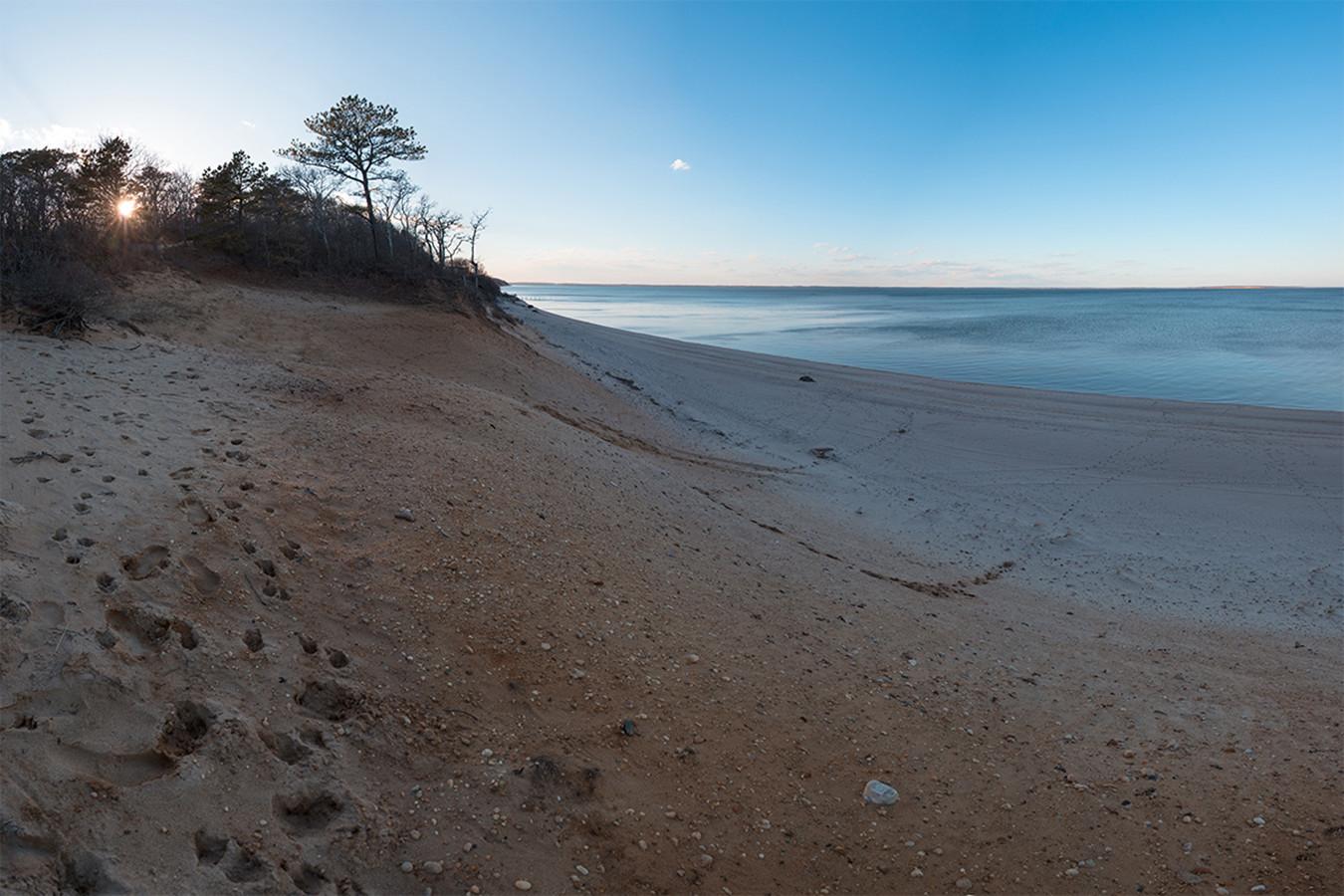
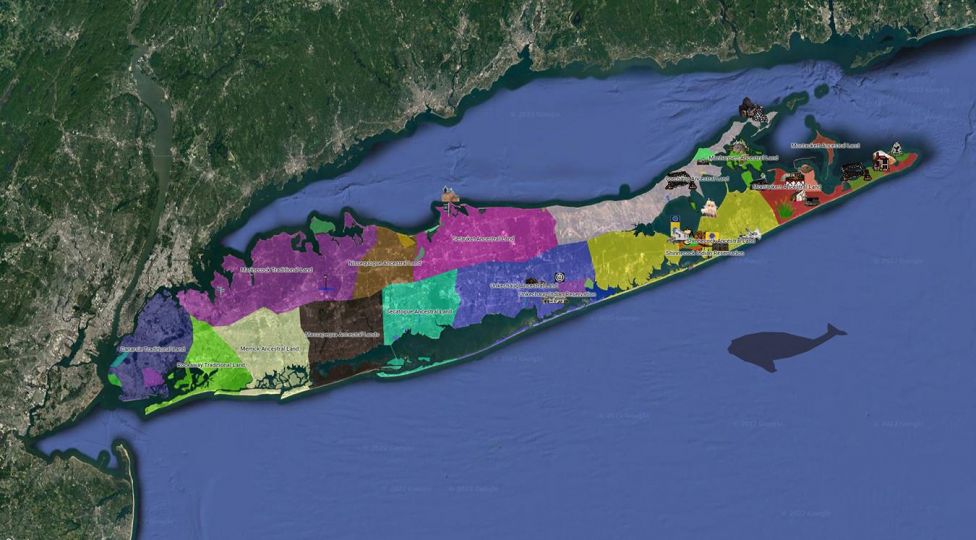
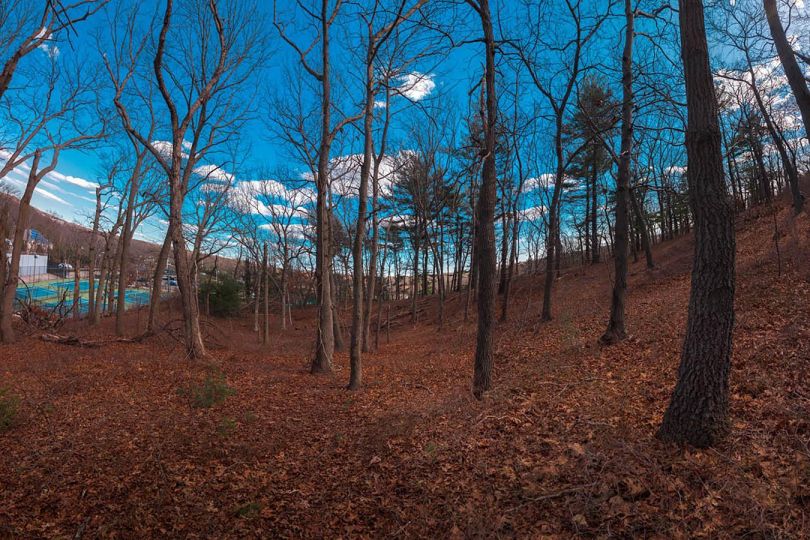
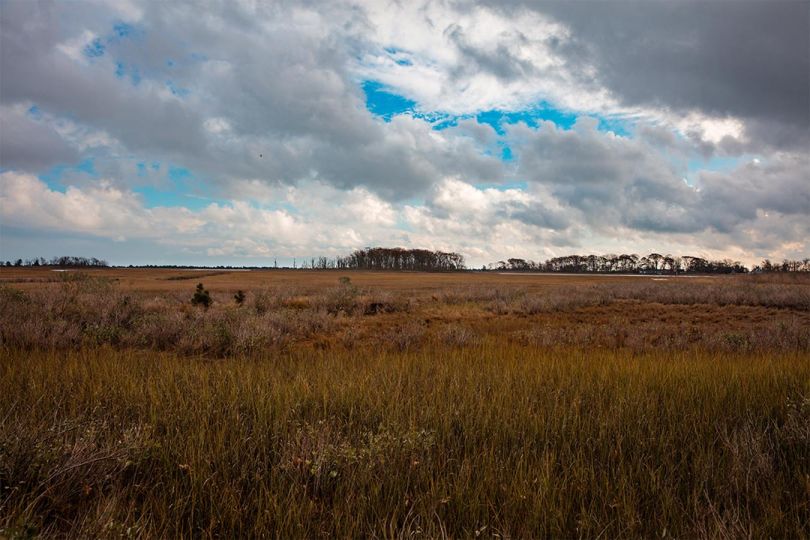
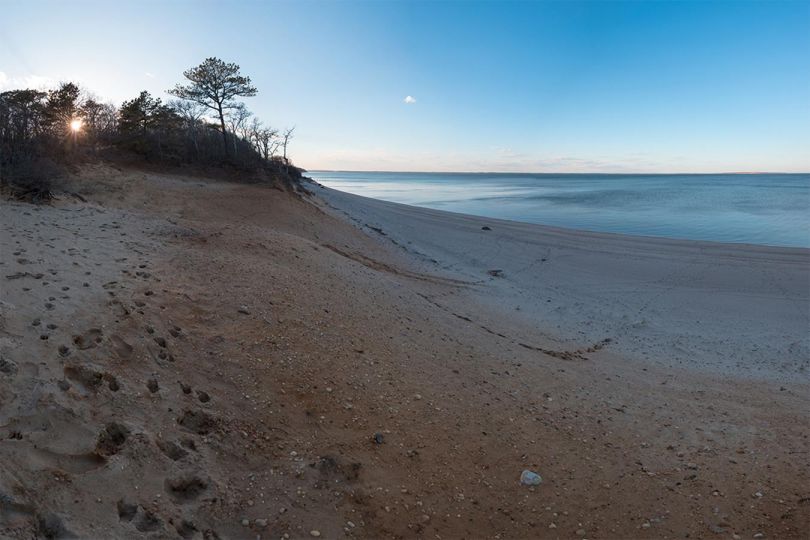
My On This Site series is all about the mapping of Long Island, New York’s Indigenous history, and this is a project that spans Brooklyn all the way to Montauk, a range of 120 miles. It dates back to 10,000 years through archaeological records. It includes sacred sites, the most sensitive sites that started the project for their protection, as well as historic sites and places where we live today. It also includes places that are creating new history. So, when there’s a Native exhibit, I archive it and mark the location as an activation site. When it comes to place names, there are over 480 that have been preserved, and it’s easy to find where those sites are located. Sometimes you must go to the local archives and see the street name before its present name. And unfortunately, even though that’s so exciting, a lot of those names are lost. They were preserved through deeds and might describe the northern or southern boundary of a place, but they often don’t include a definition, so the meaning is lost. A lot of it is relearning. We have a class at Stony Brook University called the Algonquian Language Revitalization Project. Hopefully, one day we will learn the meaning behind all these words, but most of them relate to local attributes. So Shinnecock is a word that we know means the people of the Stony Shore. And it’s just because if we go to our coastline, there are a lot of pebbles, rocks, things like that.
On This Site was started in 2016. I started it right out of grad school. I completed a two-year program at Penn State, and I’ve just been skimming the surface of all the content. I have over 1200 PDFs from finding online, scanning books that have never been digitized, and slowly going through those. A lot of it’s just sitting at home, typing, transcribing. I think AI hasn’t really caught up just yet in understanding, because for many topics, like coding and maybe writing your emails, it’s fluent. But since not many people are working on our Native history, culture, or nuance, and because we are so diverse as nations, it’s very hard for AI to present something that looks like it took a lot of time and energy to research. The other issue is that, because so much of it is related to maybe tourism, potentially, and equal tribe identity and sensitivity, it is something you must verify and be careful with. So, I usually just use it for things that are otherwise easily accessible. But On This Site still has a lot of work to do. It’s mostly just landscape photography, a website, a map, and exhibits in partnership with libraries, museums, and other spaces.
What is fascinating about this project is that it’s a founding project for you, and it appears to have grown into something almost bigger than you. It started with photography, became documentation, learning the history, and then informed the rest of your work.
When I was in grad school, I was just getting started with what I wanted to say, and I think that’s the big problem with artists wondering what to work on, what to spend time on, what’s important. And I always tell people that even before this project in grad school, when I was an undergrad, I first went to school for computer science, so unfortunately, that didn’t work out as a career, but when you go to school for that purpose, you’re hopefully going to come back with practical skills, and it’s going to solve all the problems. I had to take that same mindset for art. That’s why the On This Site project is so educational. I’m a big believer that information should be free, accessible, and Google-able, and that’s the case with so much of this information. Before, it was hard to find it. You couldn’t Google our own history, and sometimes you would have to pay for a lot of these archives. So, whether it’s ethical or not, I like to maybe just present it in that educational realm. And hopefully people will benefit. I think that because the project has so much information, so much content, and so many stories, people usually go to the website or stumble upon an exhibit in person, and it’s just the surface of what the whole project represents. Since then, I’ve started three or four other projects. I’ll quickly run through them.
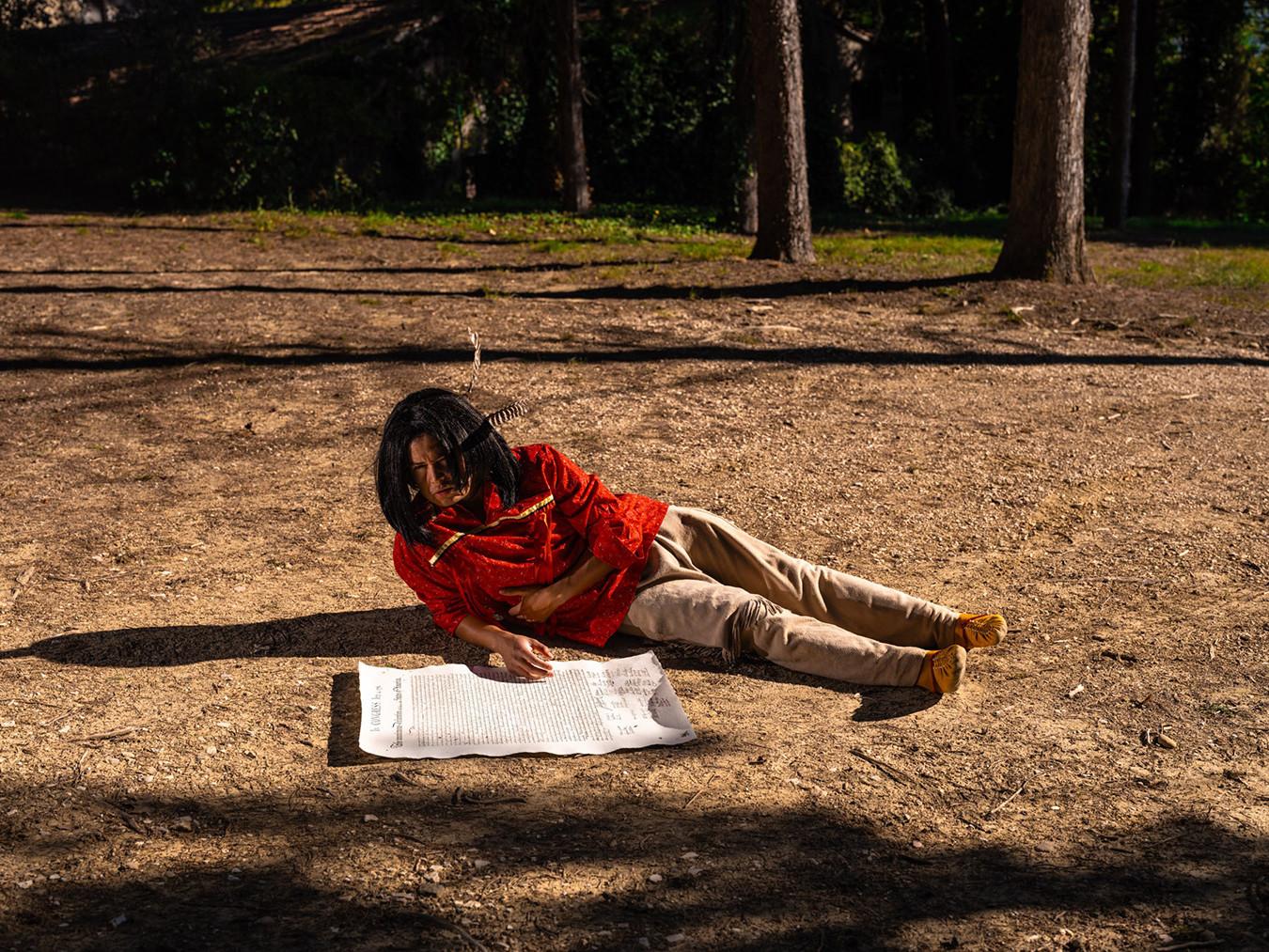
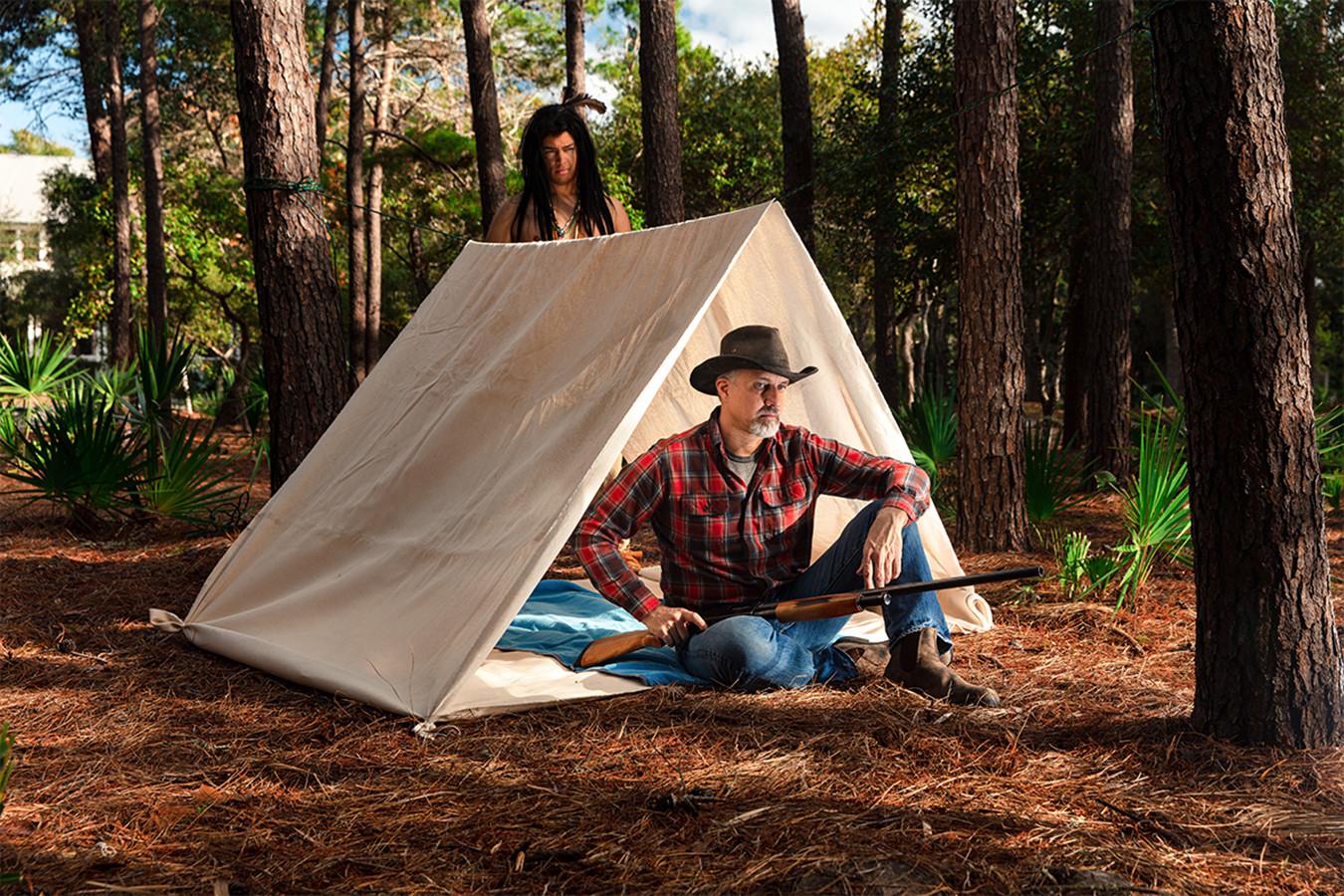
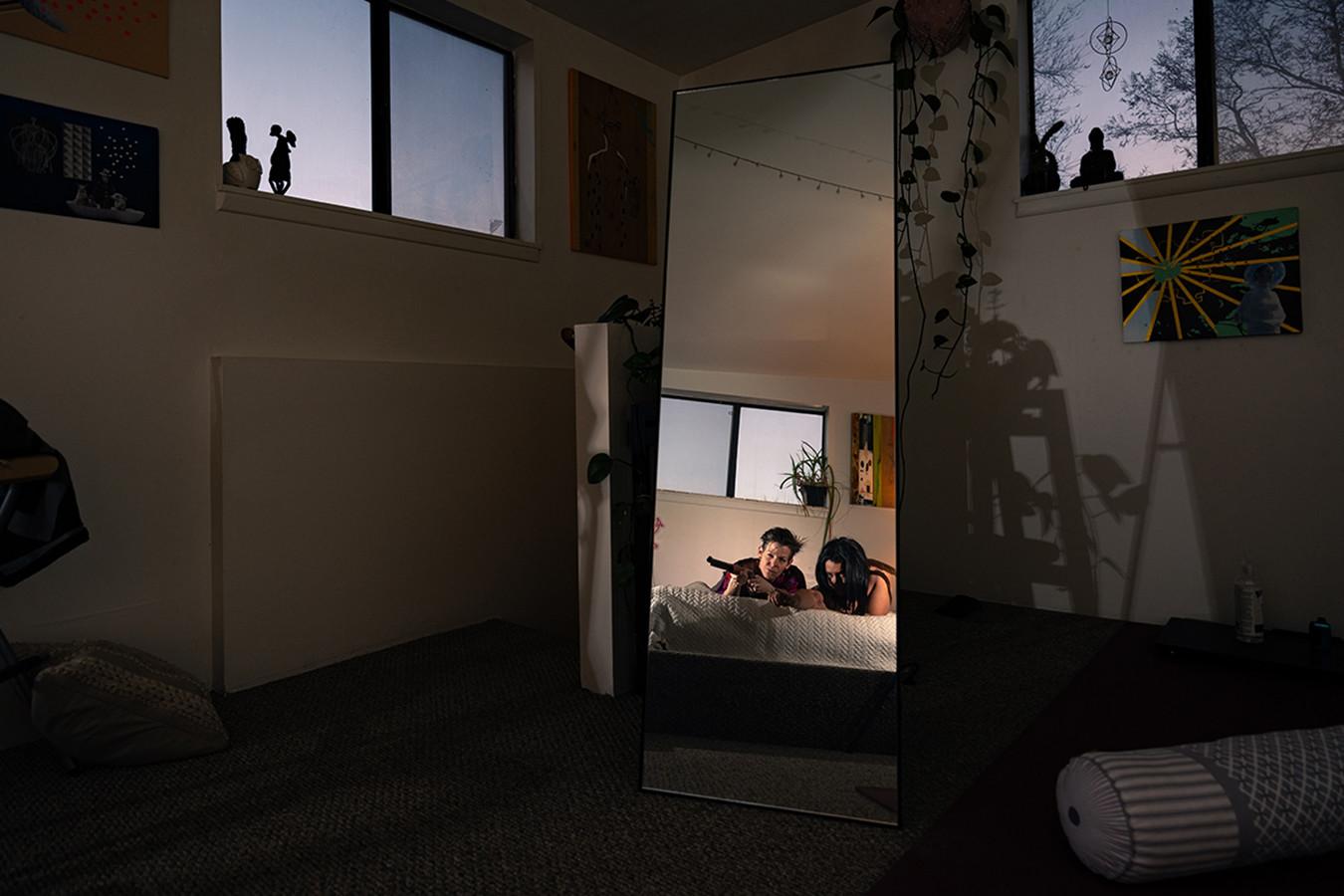
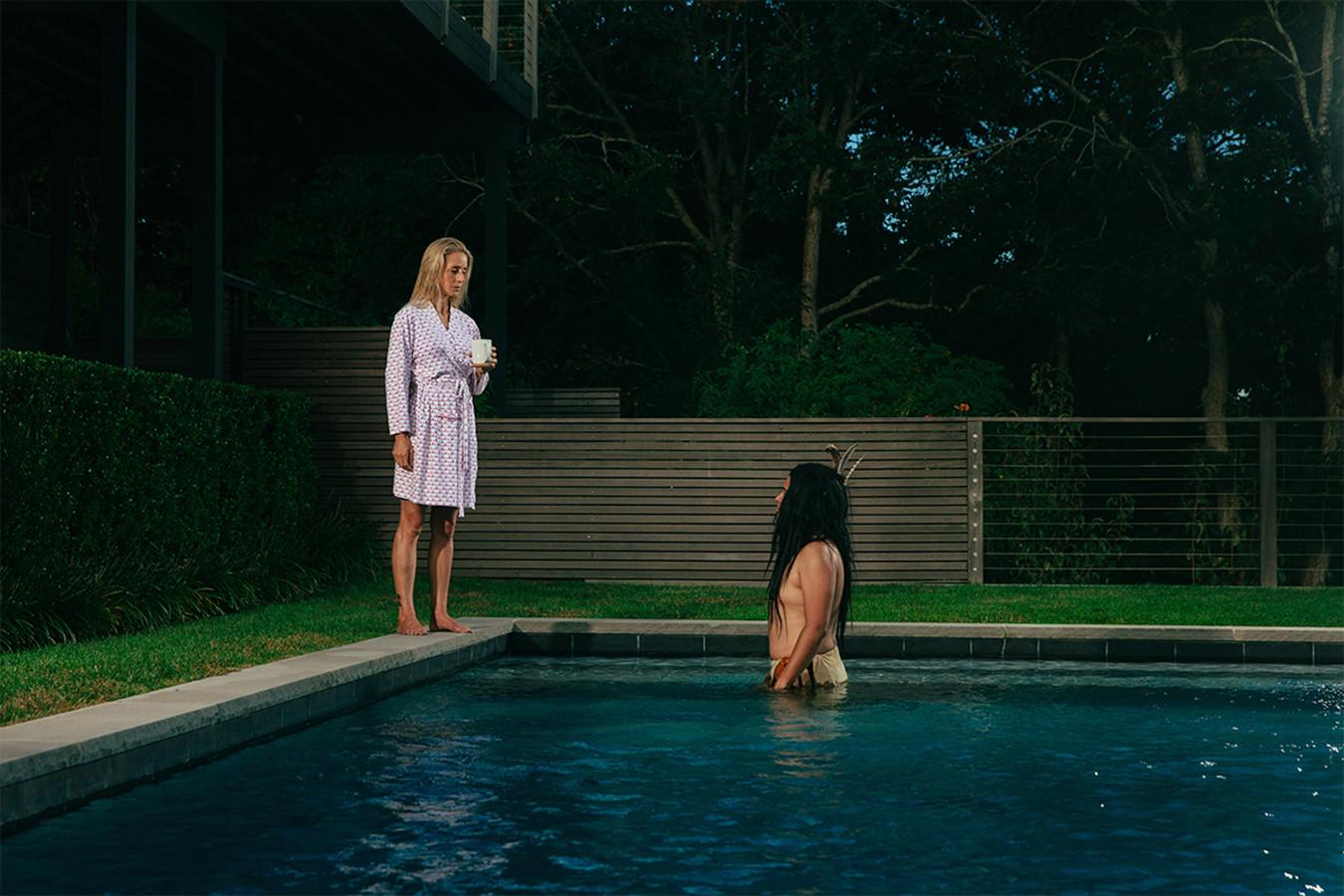
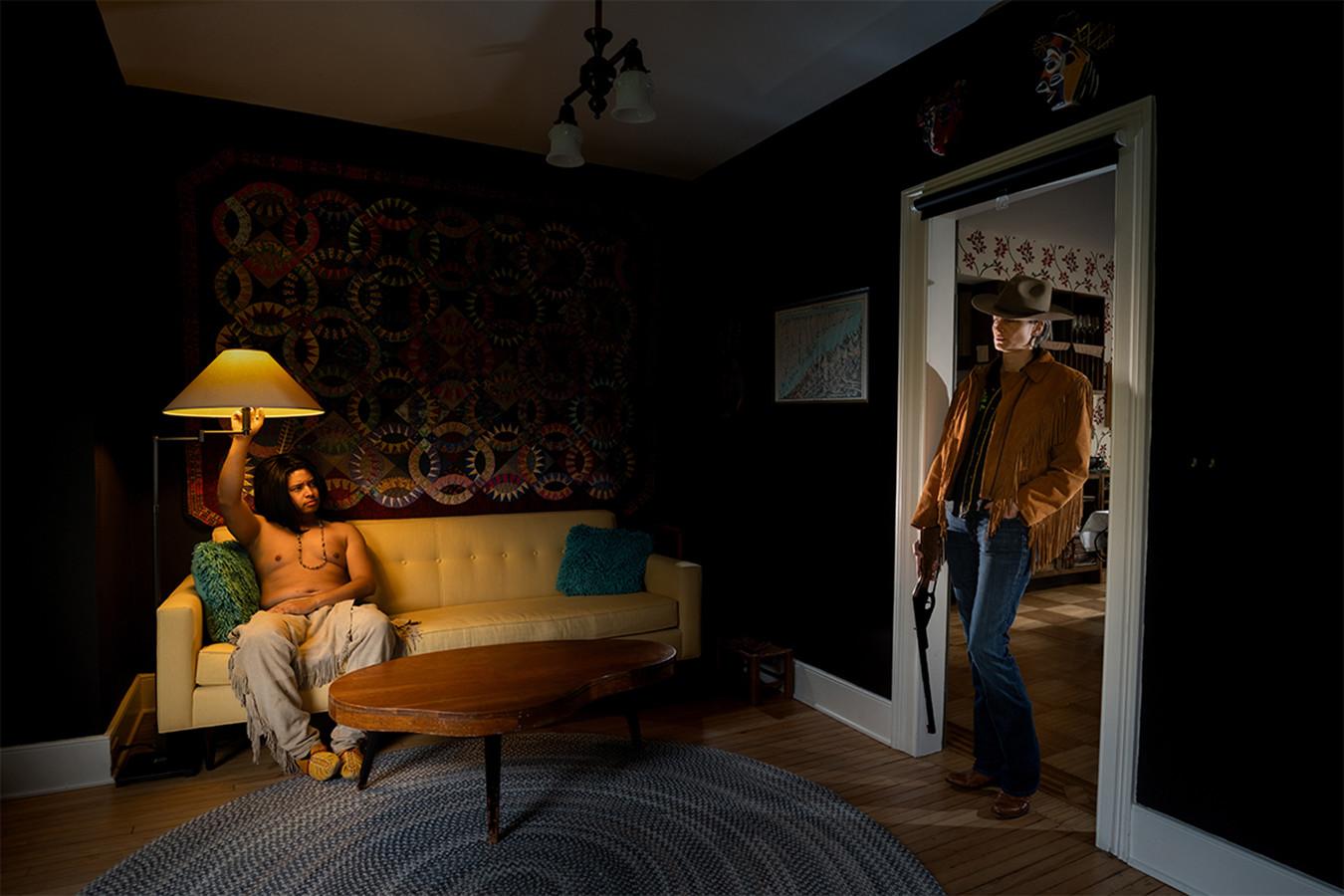
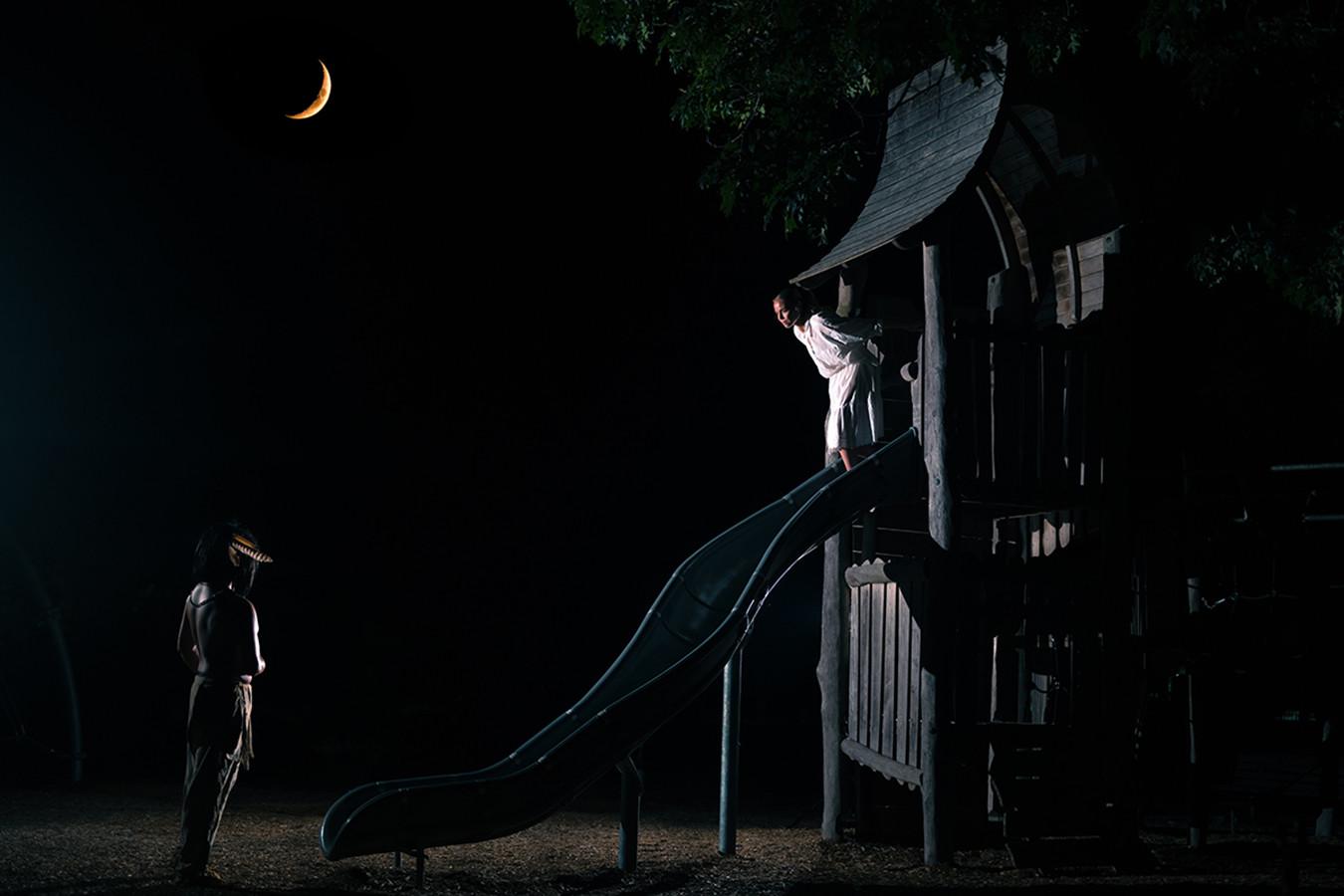
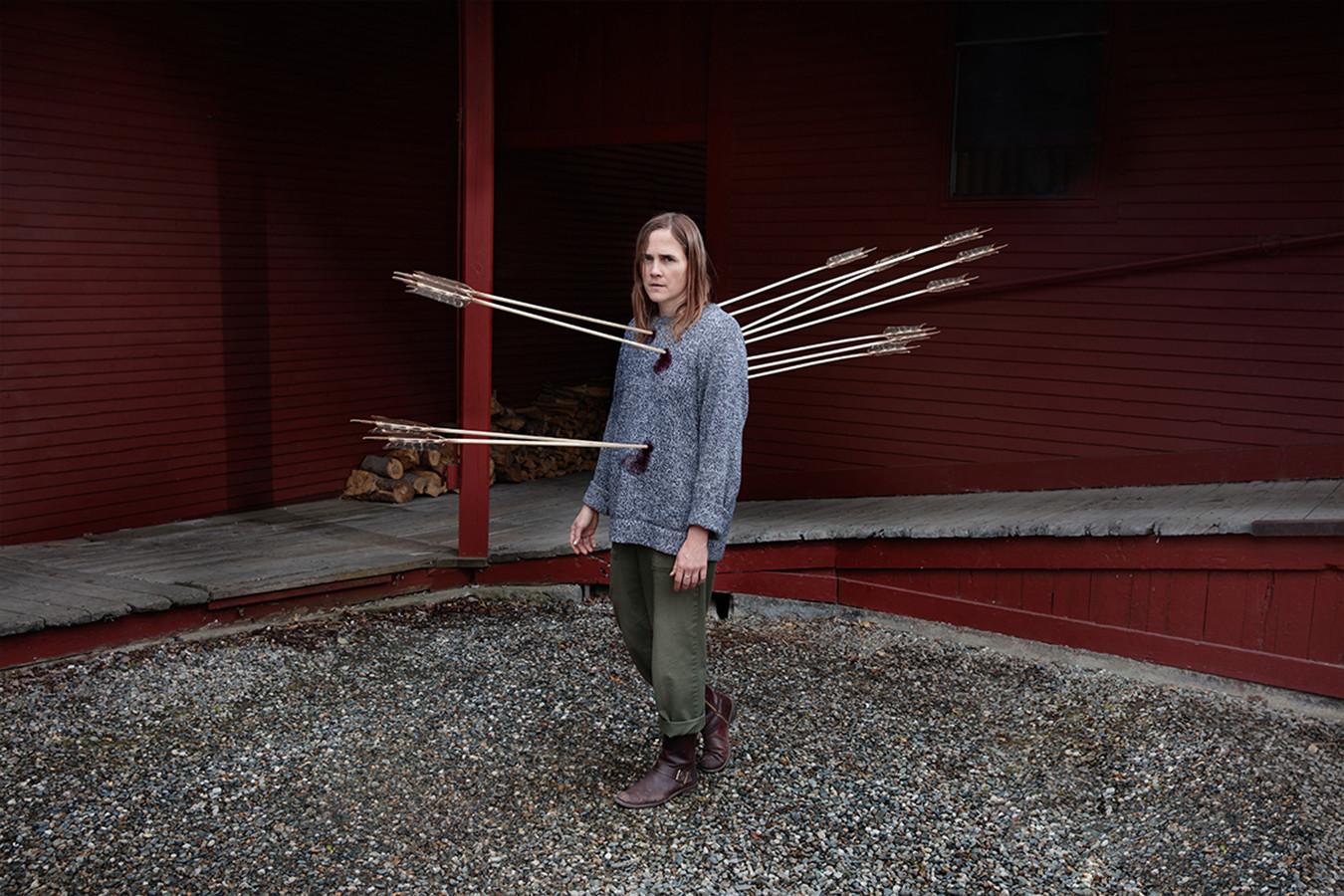
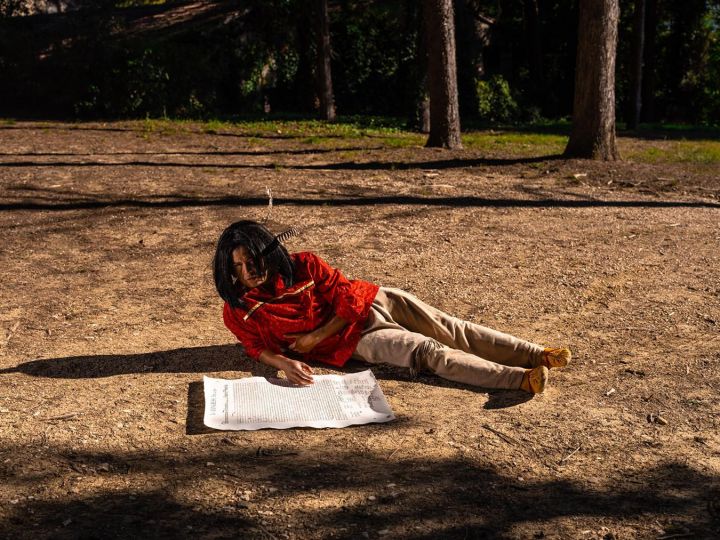
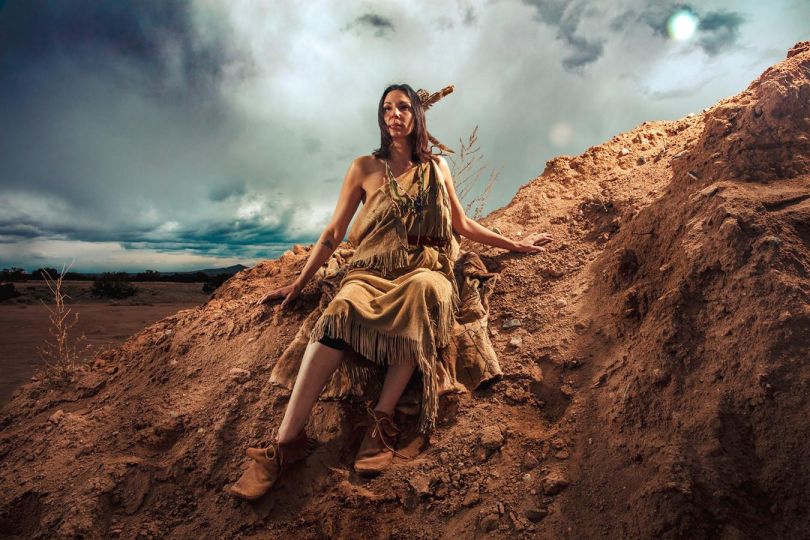
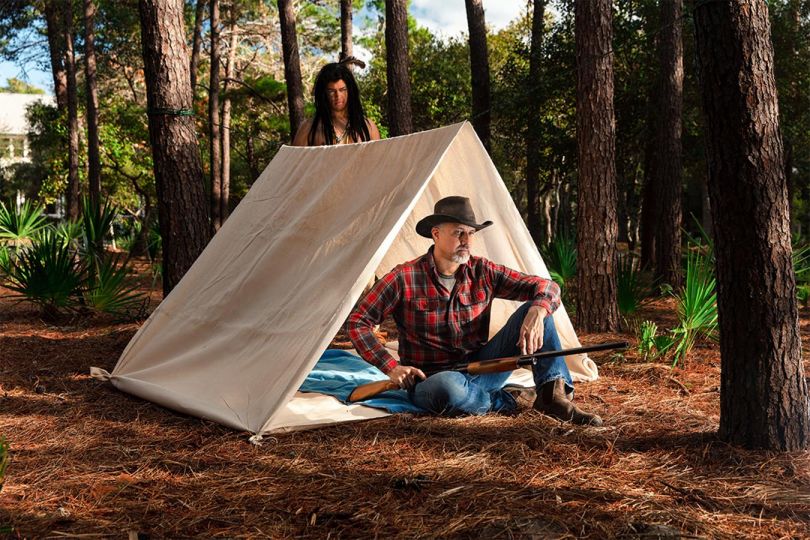
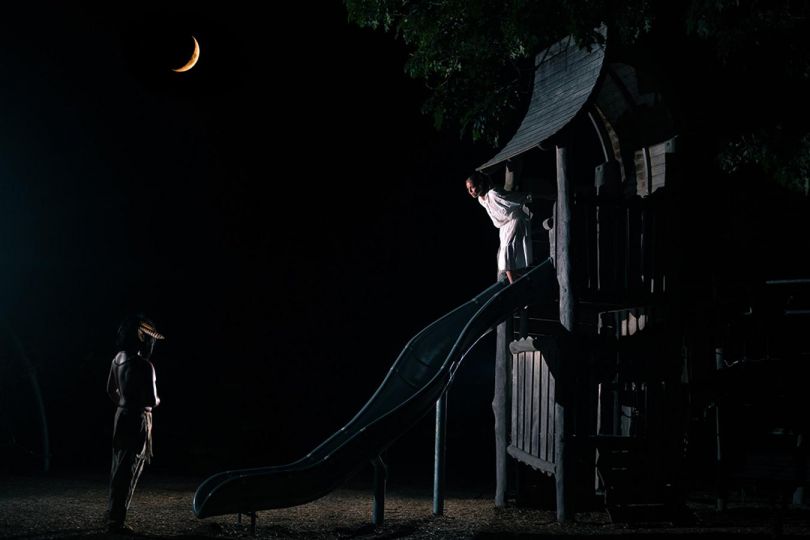
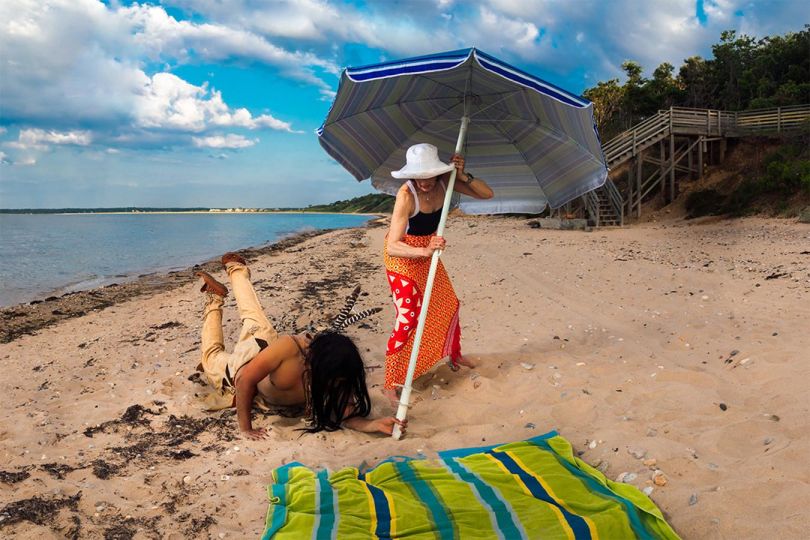
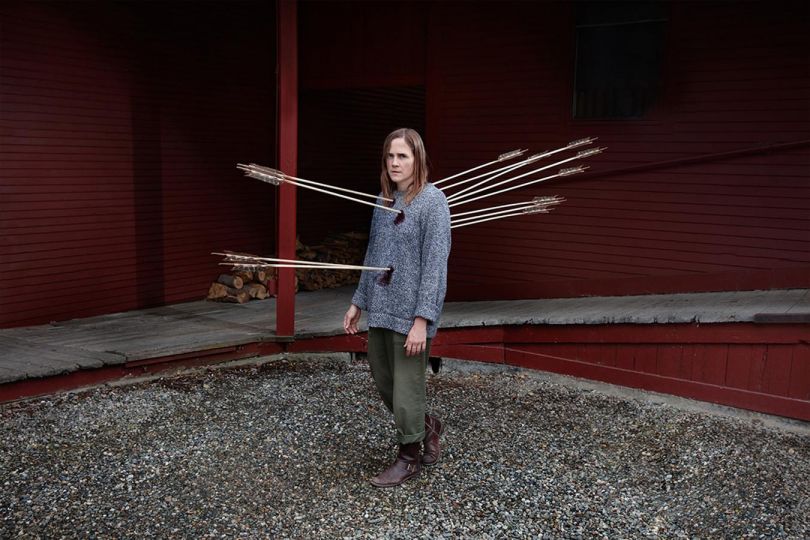
The first one that came out is called Nothing Happened Here. Since I was doing this history project in my mid-20s, I was learning all this information for the first time, and it was shocking because when you go to school, you think that’s like everything you need to know. But they mentioned nothing about Shinnecock, the same land the school was on. So that became a moment of revelation, and I really wanted to just empower myself through going down that rabbit hole. With that reflection, I began to wonder: why were they presenting local history as if nothing had happened here? And my interpretation, or my own feedback, is that it is shameful to learn about the history of how Indigenous people were treated and how land was gained and all these mistreatments. I began this series that looks like St. Sebastian in art history. This one saint with arrows, and he’s not dead from this. He’s a martyr after that fact, but he’s saved through his belief. And it became a popular motif. There are hundreds of thousands of images of that motif. And I wanted to maybe appropriate that imagery because when people see this Nothing Happened Here series, they somehow automatically equate it with Native people, even though we’re not present in the image. I think the arrows and the way that they’re created. A lot of them have an American background or props that signify it. I just wanted to create a project that, even though it looks violent on the surface and maybe you would want to turn away, for a lot of people, the images stick in their minds. And when you look at the expressions on the people’s faces in that series, they don’t feel physical pain. It’s more of a thing we carry mentally. So, it’s like they went on for a walk, or they went to go work out, or they’re trying to relax, and then they remember that all these wonderful things are built on the foundation of something darker. That’s one of the projects that came out of On This Site.
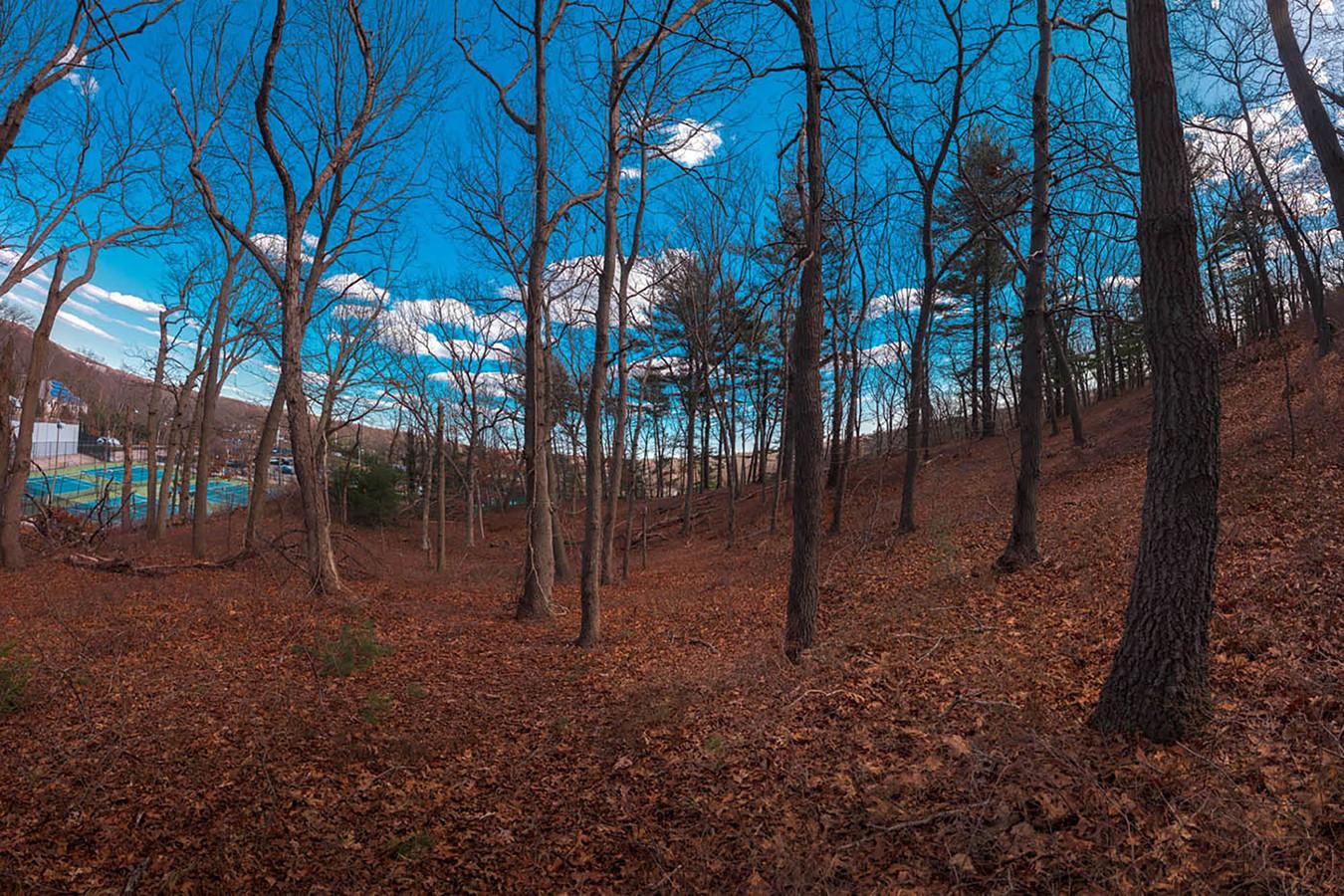
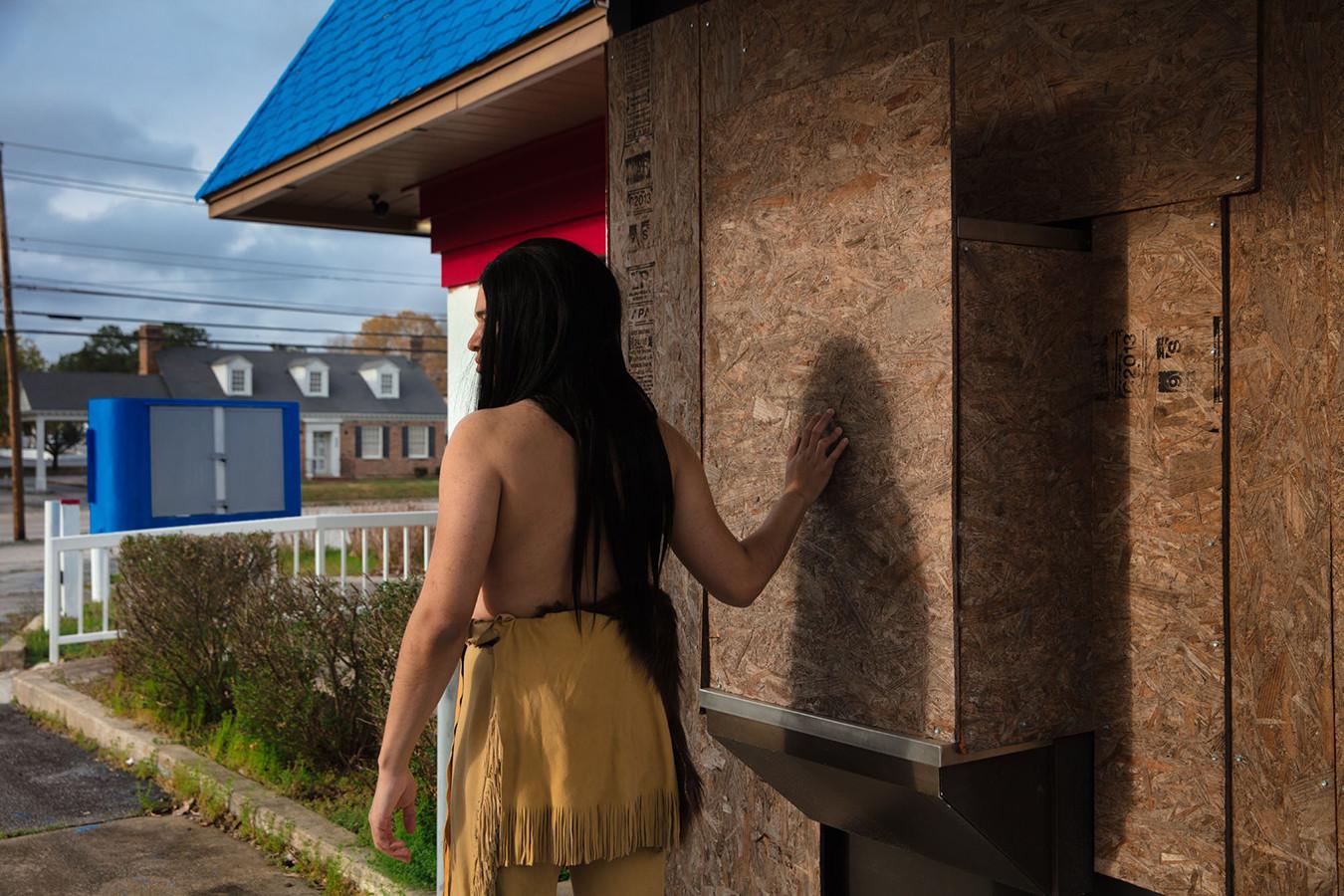
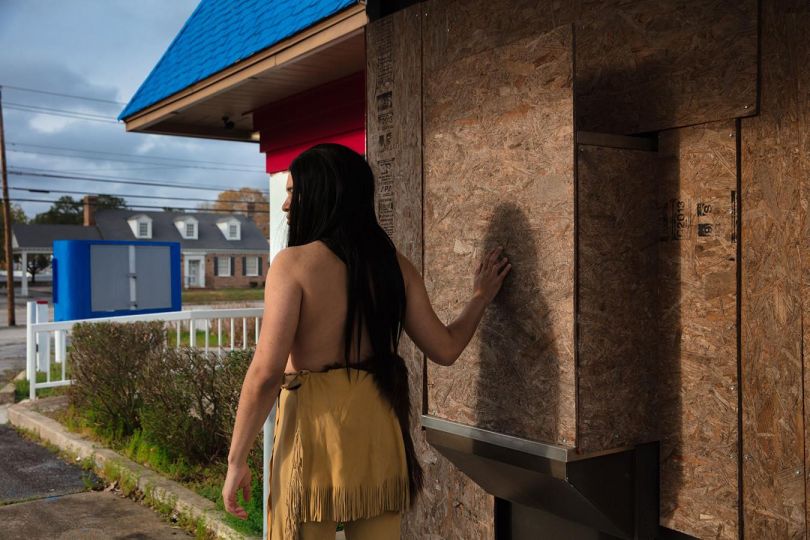
The second one is called Sacredness of Hills, and we spoke about that before, just the hilltops. There are only about seven of them on Long Island, and they’re all burial sites dating back over 3,000 years. Unfortunately, they’re all unmarked, so there are no tombstones or fences, and most of them are built upon. But for us, we’re just trying to protect those cemeteries because usually Southampton and sometimes New York State erases our presence. So that’s hurtful, and they allow people to just build right on top of our sacred sites. That’s like salt in the wound. So we, as Shinnecock people and people before me, have been spending hours just sitting in these sit-ins, holding signs. There’s not much you can do aside from protests, since we can’t buy back, say, a million-dollar allotment. A lot of it is about creating allyship and awareness, and art is a great avenue for that. Another series that came out of it, also related to land, is called The Lazy, and it looks at local Hampton sites and the off-season vacant spaces that leave houses and stores empty. Usually, they have posters that say, thanks for the season. We’ll see you next time or whatever, next summer. And a lot of it is just going to these places sometimes in the evening or at night when it’s quiet and empty, and just doing some portraits in the windows, so the window becomes a mirror. The streetlights illuminate me as the subject, and it’s meant to ask the viewer who is best suited to utilize these spaces, besides Indigenous people. It relates back to history because when Europeans first arrived, they saw any land that wasn’t being planted, utilized, or inhabited. It was just free for the taking. I think that is so relevant today, since it is being privatized, built on, and then used for a few weeks each summer. Besides those projects, everything is interrelated. There are projects that are more portrait- and interview-style, but those are the ones that are mostly directly resulting from that project.
This concludes the first part of our conversation with Jeremy Dennis. In the next interview, we will take a closer look at his series Nothing Happened Here, exploring how photography becomes a means of addressing historical memory, visibility, and empathy through carefully constructed imagery.
Marie Audier D’Alessandris