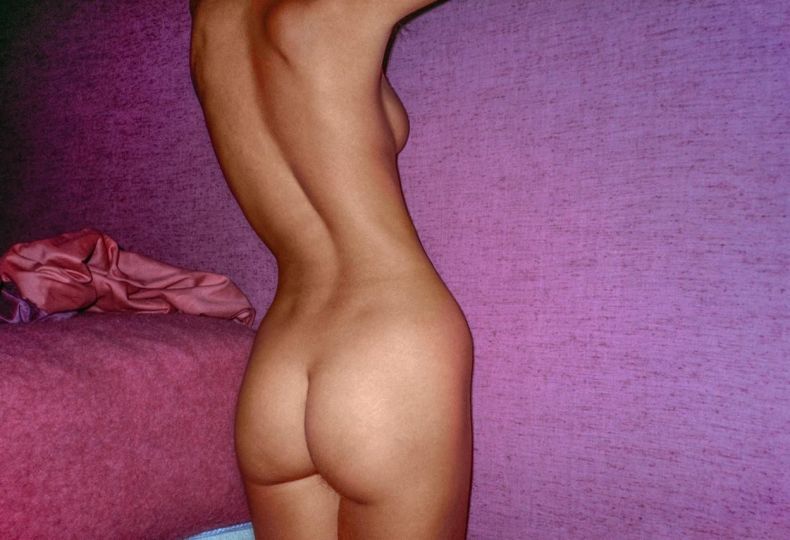
Patrick Vollat is exhibiting three of his series “The Divine Comedy,” “Rurales,” and “Body and Soul” at the Galerie Imag’In in Lyon. We have chosen to showcase “The Divine Comedy.” Vollat presents his series as follows:
Dante Alighieri wrote The Divine Comedy at the very beginning of the 14th century. The work is divided into three parts: Inferno, Purgatory, and Paradise, each composed of thirty-three cantos, plus one serving as an introduction to Hell. The entire work, the first major text written in Italian, contains fourteen thousand two hundred and thirty-three verses grouped in rhyming tercets in intertwined pairs.
The Devil reigns at the center of the earth where Hell is located, divided into nine circles. A path leads from Hell to the island of Purgatory with its shore, the Antepurgatory, and its seven terraces. Then comes the Garden of Eden, that is, Paradise with its seven heavens of planets, its sky of stars, its crystalline sky, and finally the Empyrean.
In The Divine Comedy, Dante recounts his journey through Hell, Purgatory, and Paradise. The complexity of the structure of these places requires him to be guided. He will be guided by the Latin poet Virgil in Hell and the first half of Purgatory, then by his muse Beatrice until the end of his journey. Beatrice Portinari was a childhood friend of Dante’s, whom he loved throughout his life and to whom he devoted a space in all his works.
Two centuries later, Lorenzo de Medici commissioned Sandro Botticelli to illustrate The Divine Comedy. Botticelli worked for a large part of his life on this commission, but, continually absorbed in the creation of one of the countless masterpieces he left us, the work never really progressed, and the project remained unfinished, amounting to about a hundred preparatory drawings on parchment, only four of which were partially colored.
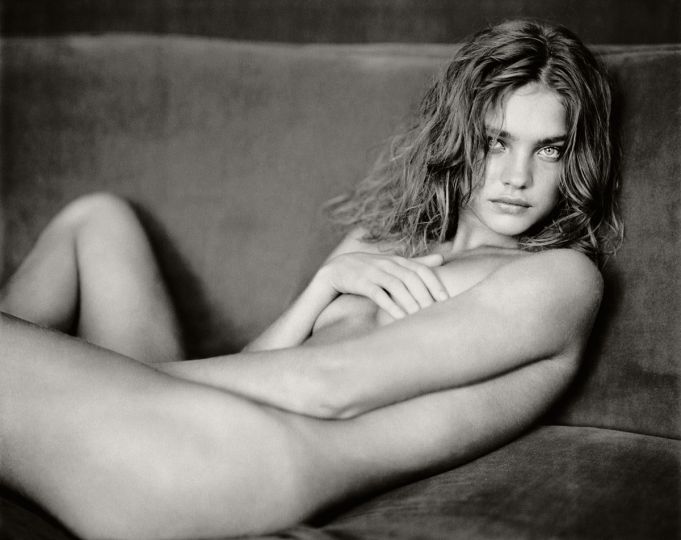
It then seemed quite natural (and not too sacrilegious!) to me to let my imagination (and my humor) speak for themselves, giving these unfinished drawings the colors they lacked and incorporating the expressive and sumptuous body of Sandra, the model whose experience, intelligence, and sensitivity made this exercise possible.
The Divine Comedy is a work that is both poetic and mystical, complex in form and structure but elegantly and clearly written, a source of all enchantment and wonder, addressing itself above all to the imagination and even the unconscious much more than to the intellect and reason. Not without humor, moreover, the theme of this accompanied journey being the most beautiful example!
I am therefore pleased to present nudes in this context. First, to express their simple and perfect beauty in an original presentation, which is always a challenge for nude photography! I also find it moving (and somewhat exhilarating) to blend this rather morbid journey, often populated by suffering bodies and odious and evil creatures, with the freshness and grace of a very beautiful woman’s body. But ultimately perhaps, Dante had not invited Beatrice for other reasons!
Patrick Vollat
Patrick Vollat : La Divine Comédie
from May 15 to 25, 2025
Galerie Imag’In
14 rue des Pierres Plantées 1er arr.
Lyon
www.imagin-photo.org
Patrick Vollat Photographies
site http://www.vollat.fr
instagram @vollat.photo
Photo model : Sandra