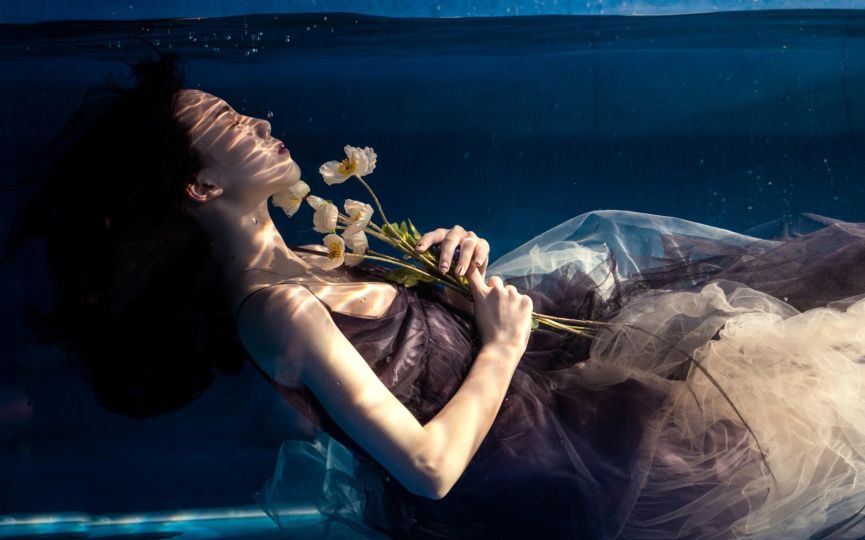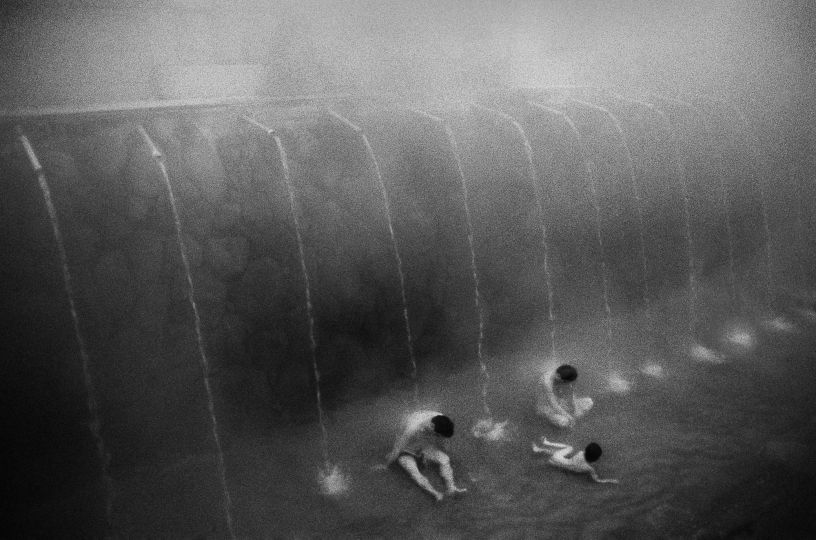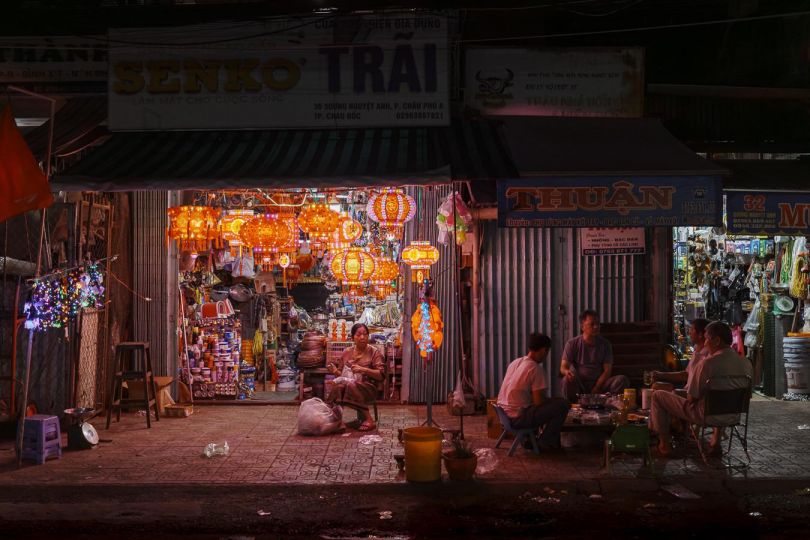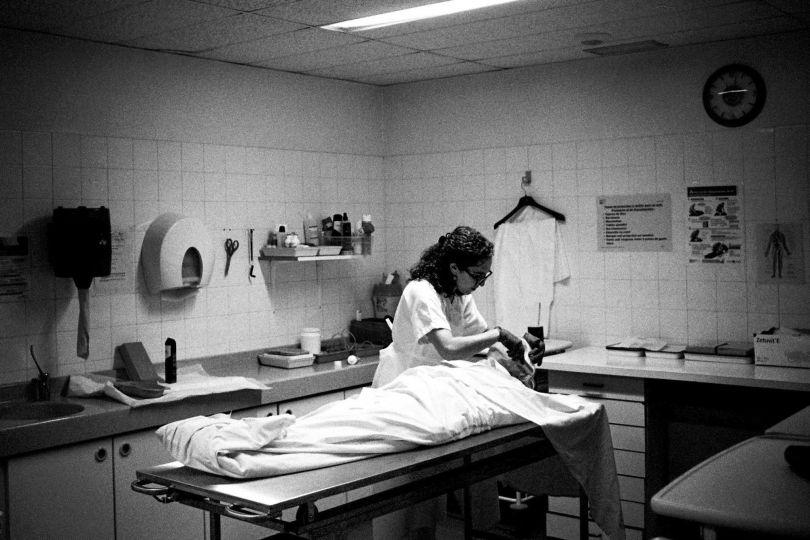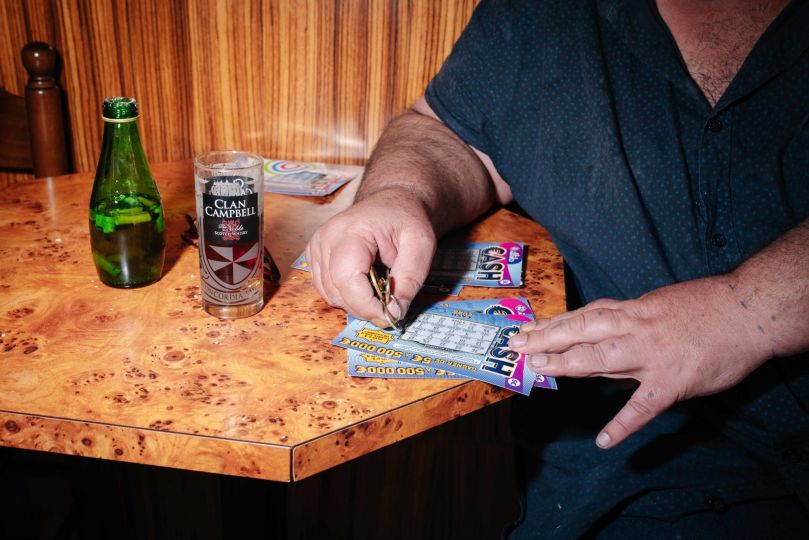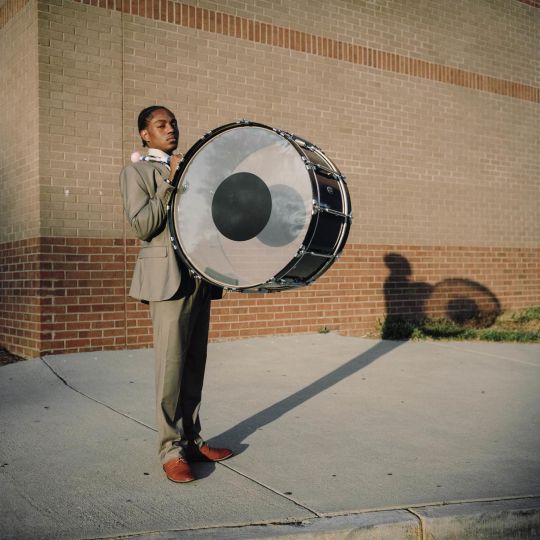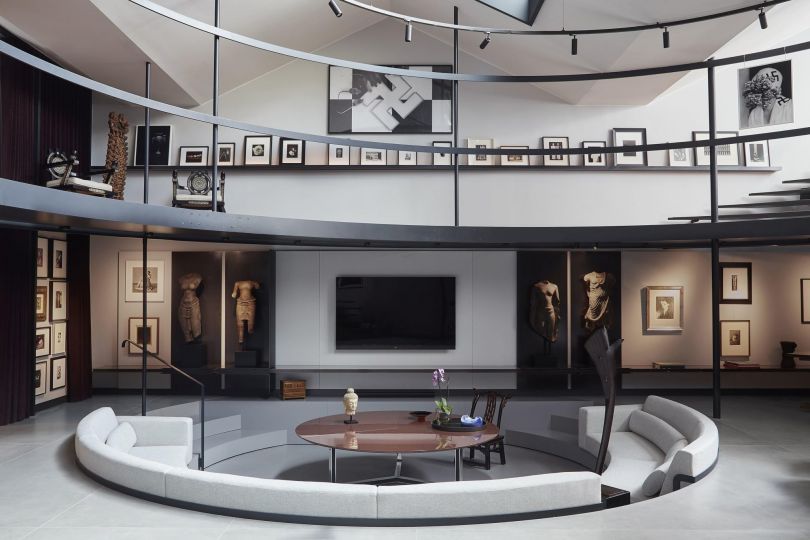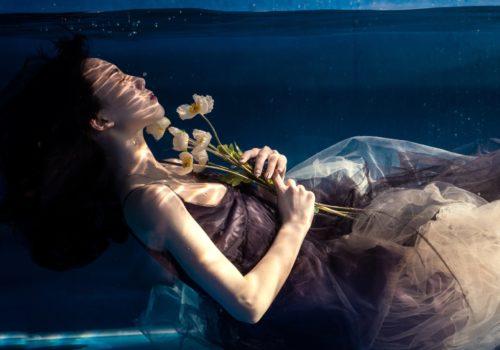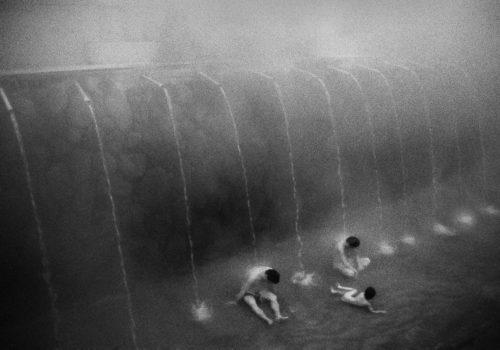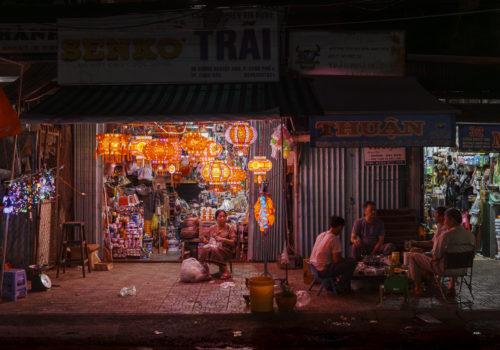




Each edition of the Foto/Industria Biennial in Bologna offers a special insight into photography and the relevant and current themes it explores. The theme of the photographic journey for the 7th edition of the Biennial is HOME, the house, expressed in ten exhibitions across seven venues in the historic centre of Bologna, along with an eleventh exhibition Living, Working, Surviving by Jeff Wall at MAST, that we will explore in more depth in another article. The event, promoted by the MAST Foundation, thanks to over 500 artworks, offers a new perspective on what we often take for granted: the processes, gestures and relationships that make up everyday working life. Admission to the exhibitions is free.
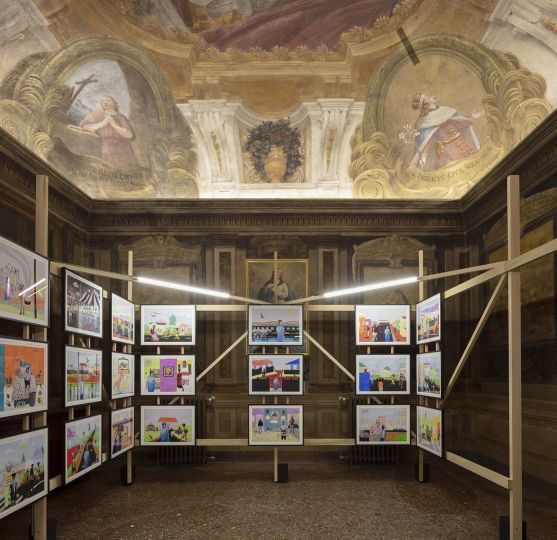
The central issue is thus HOME. The concept of home is explored as a means of interpreting the relationship between photography, industry, work and technology. As visitors move from one exhibition to another in the heart of Bologna, they are invited to observe the spaces, both those created by the photographic projects and those of the venues, and to “inhabit” them mentally. Like trompe l’œils, these images on the theme of home are contained within equally intriguing exhibition venues, which are homes themselves.
As artistic director Francesco Zanot says, “The home is a physical structure, whose construction in itself is a major industrial challenge, but it is also a symbol of belonging, protection, and identity. It is a space of memory and transformation, whose evolution stems from the conditions, needs, habits, and desires of those who live in it. It is an object that changes as technology advances, inside and out (becoming more energy-efficient, safer, better equipped with assistance and automation systems), as well as a true cultural artefact. Exploring the concept of home offers new perspectives and tools for understanding its complexity and contemporary dimension”.
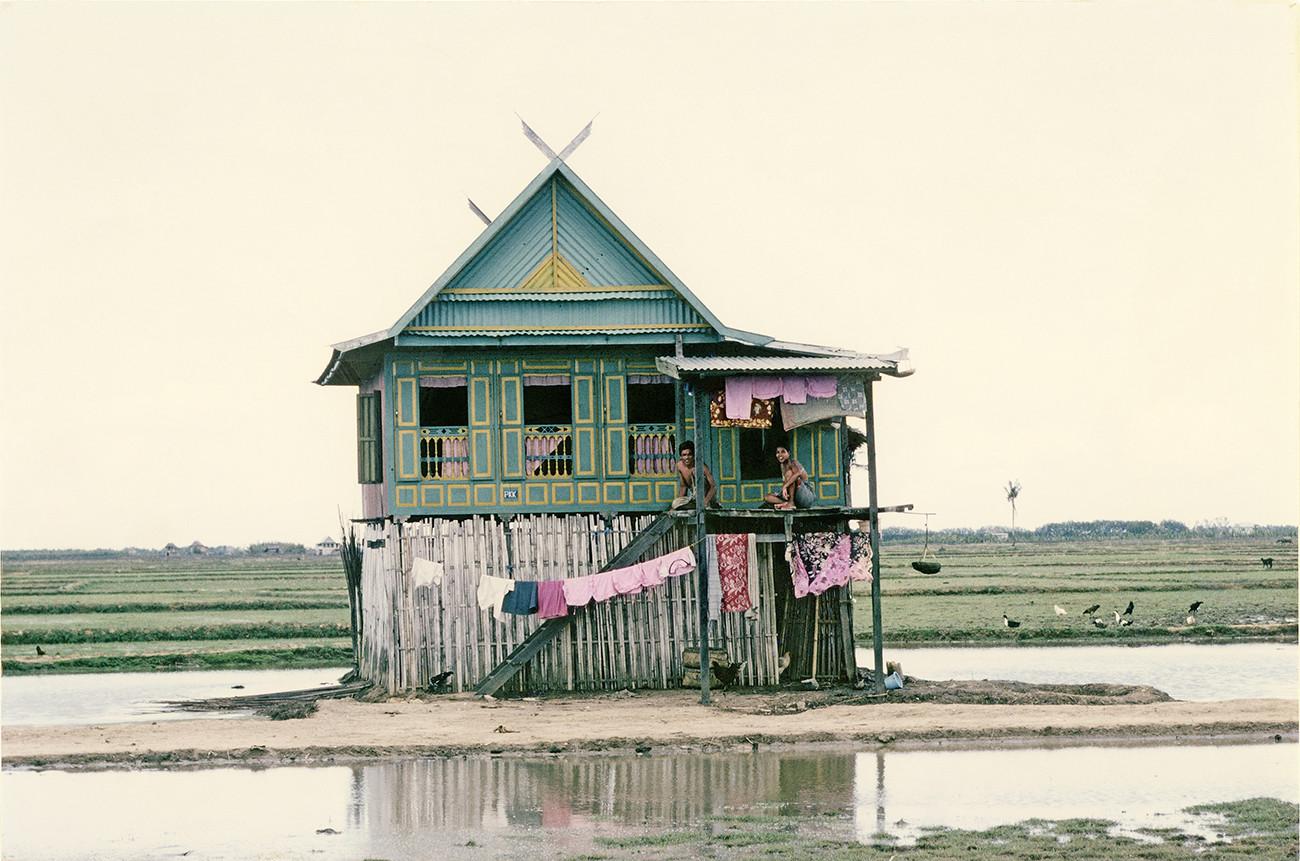
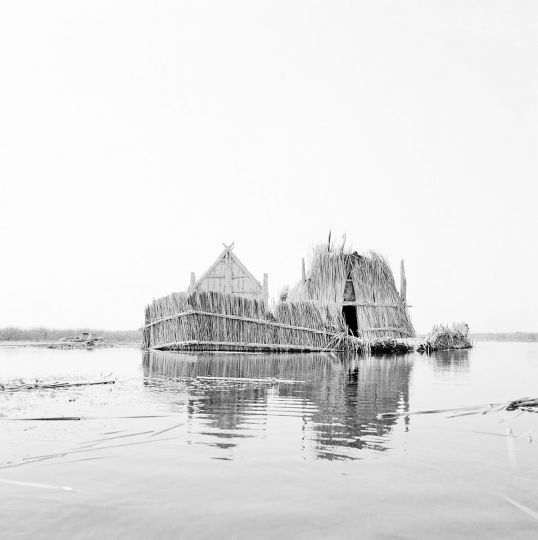
In Some Homes, Ursula Schulz-Dornburg’s six series, created between the 1960s and the early 2000s in the Netherlands, Georgia, Russia, Turkey, Iraq and Indonesia, explore the concept of the home as a mirror of material culture. The photographs document homes built from natural materials meant to disappear within a few years, as well as installations designed to last centuries. Schulz-Dornburg combines a documentary style with conceptual influences and social concerns. The photographs are on display at the Pinacoteca Nazionale di Bologna.
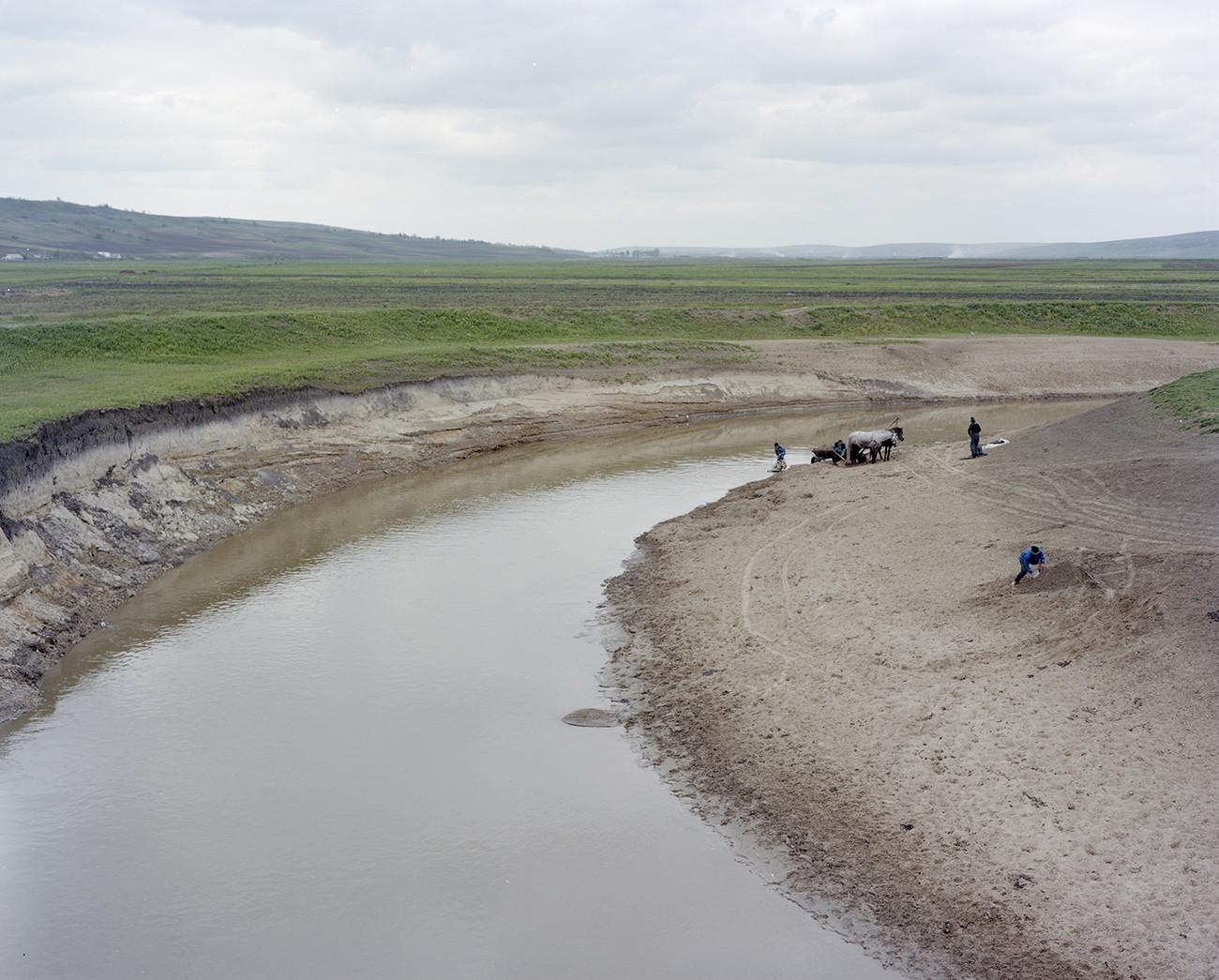
Matei Bejenaru is exhibiting Prut at Palazzo Bentivoglio. This ongoing project, which began in 2011, focuses on villages on the banks of the Prut River. The river has been a natural boundary of the new political Europe since Romania acceded to the European Union in 2007. These images connect us with a rural world that is both rooted in the past and exposed to contemporary change.
In the exhibition Looking for Palestine by Forensic Architecture (collective, UK) at Sottospazio – Palazzo Bentivoglio Lab, the concept of home is central to the project. The collective uses documentaries, maps, historic photographs, virtual models and infographics to reconstruct the destruction of Palestinian villages since 1948, investigating armed conflicts and environmental destruction through the lens of architecture.
A Small Guide to Homeownership by Alejandro Cartagena is on display at Palazzo Vizzani. The result of thirteen years of research, the work explores the phenomenon of suburbanisation that has radically transformed the Mexican city of Monterrey over the past two decades. Organised like a property guide, his images debunk the myth of property as security, showing a fragmented landscape of distant, isolated suburbs where urban growth is driven more by profit than collective welfare.
At the Fondazione Collegio Venturoli, a cultural space founded in 1826 according to the wishes of the Bolognese architect Angelo Venturoli (the building was originally an Illyrian-Hungarian college), three exhibitions explore the concept of living as a communal, emotional or conceptual construct.
In My Dreamhouse is not a House, Julia Gaisbacher presents a photographic project on the Gerlitzgründe complex in Graz. Designed in the 1970s by architect Eilfried Huth, the complex was one of Austria’s first participatory social housing experiments, where, together with the inhabitants, a space and a social model were co-created.
Vuyo Mabheka, with The Series Popihuise, transforms memories of his childhood into a symbolic scenario. As the title suggests, this refers to a game popular in South African townships, “popihuis”, which is a low-cost version of a dollhouse. In this game, children recreate domestic spaces with improvised materials, bringing to life alternative microcosms.
On the other hand, Mikael Olsson explores two houses by architect and designer Bruno Mathsson, revealing their modernist rationalism alongside their fragility over time, their dialogue with the landscape, and the almost living quality of their spaces. In Södrakull Frösakull, Olsson abstains from conventional architectural photography based on neutral representation in favour of transforming his subjects into enigmatic and unsettling presences.
At MAMbo – Museo d’Arte Moderna di Bologna del Settore Musei Civici del Comune di Bologna, Quarta casa is the first retrospective dedicated to Moira Ricci, featuring works spanning around twenty-five years. The exhibition highlights the coherence of her research through the recurring theme of home, showing how it is also a place where identities, genealogies and family memories are layered. Her pioneering work on the domestic archive sheds light on the relationship between photography and collective memory.
In the exhibition Microcosmo Sinigo at the Fondazione Del Monte di Bologna e Ravenna, Sisto Sisti documents the Montecatini chemical plant and company village in Sinigo (Merano), which was built in the 1920s. Sisti is a self-taught photographer and worker of Emilian origin who emigrated there. Between 1935 and 1950, he documented the labour and daily lives of the families there. The exhibition features private moments and views of the village, which is conceived like a sort of collective dwelling: a microcosm, with shared spaces, community gardens, bars, etc. The images on display have been selected from the more than thirteen thousand photographs preserved in the Fototeca of the Archivio Provinciale di Bolzano.
Finally, at Spazio Carbonesi, Kelly O’Brien explores domestic work by intertwining her family’s stories with issues of class, gender and occupation. She advocates for the visibility of working women and their struggles. No Rest for the Wicked celebrates the home and reveals the invisible labour that underpins it.
One of the Biennale’s distinctive features is the inclusion of photographic projects within an urban context. The 2025 edition comes at a time when the very concept of work is being redefined, driven by factors such as automation, artificial intelligence, and sustainability. The eleven FOTO/INDUSTRIA exhibitions aim to illustrate these changes, which obviously include the concepts of home and living. This transforms the idea of home into a complex critical tool for interpreting history, politics, economics, memory and heritage.
Paola Sammartano
FOTO/INDUSTRIA 2025. VII Biennial of Photography on Industry and Work|
From November 7 to December 14, 2025
40100 Bologna
Italy
https://www.mast.org/foto/industria-2025