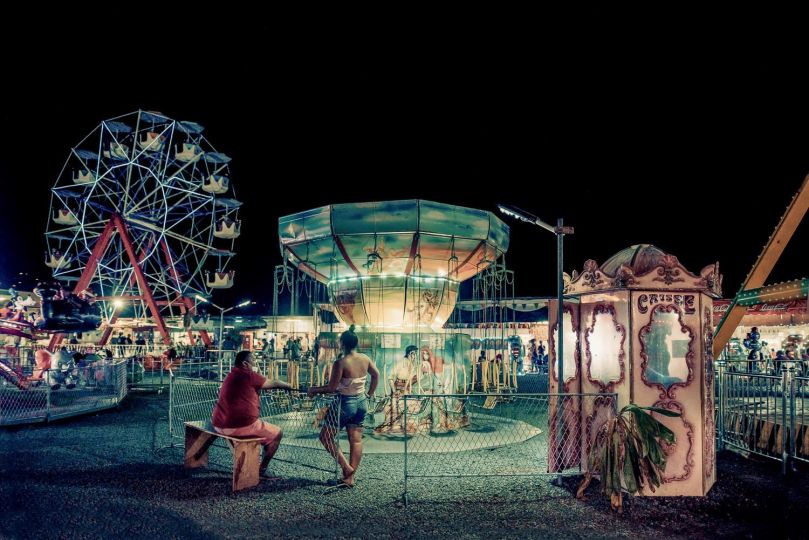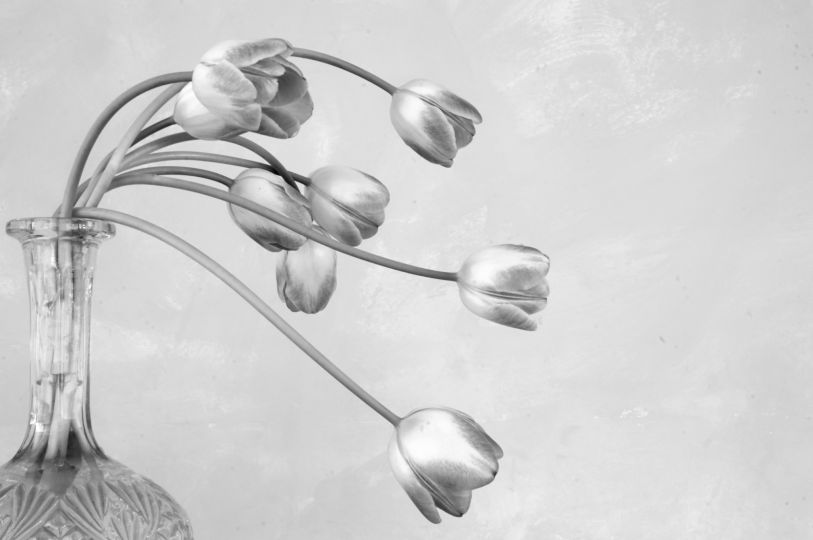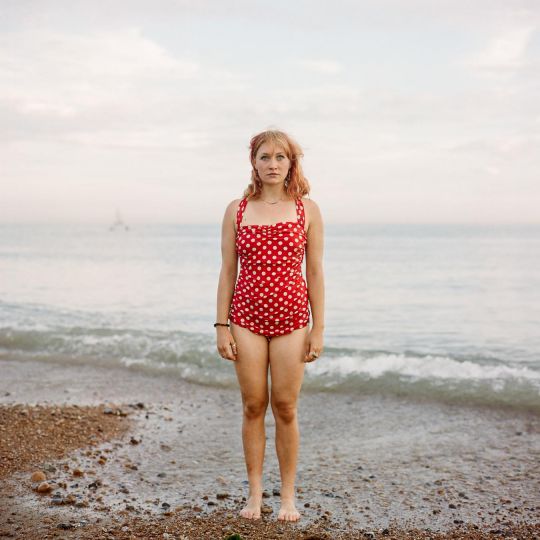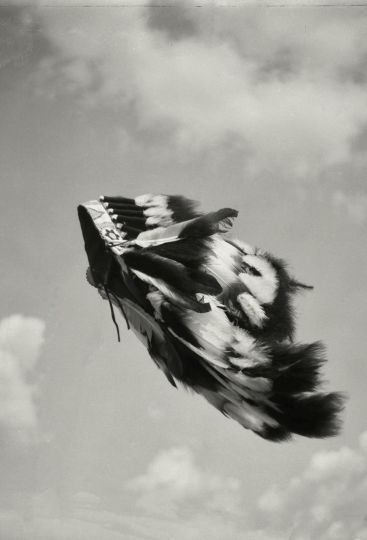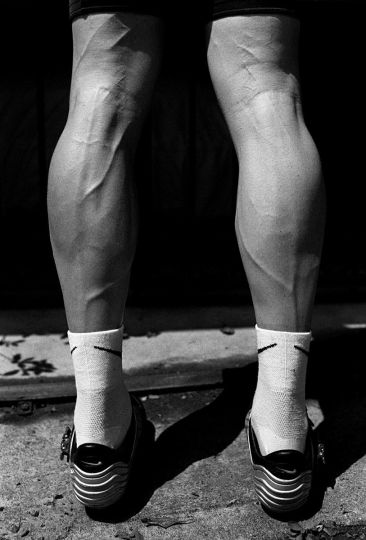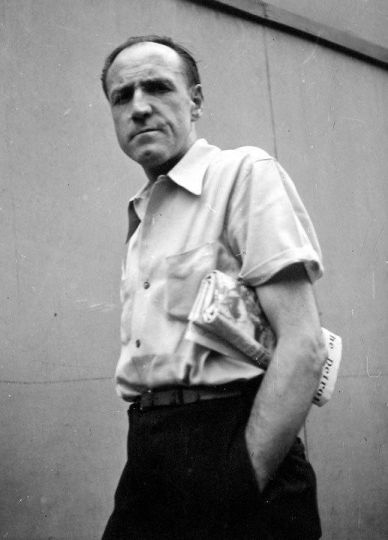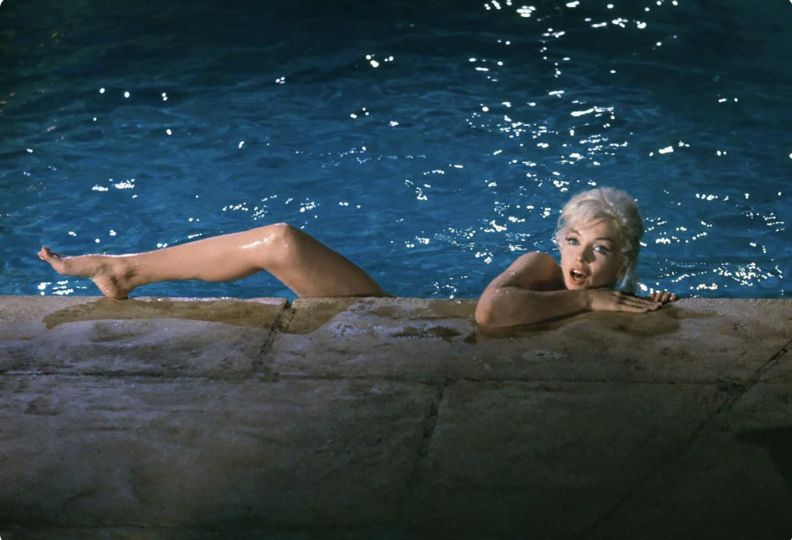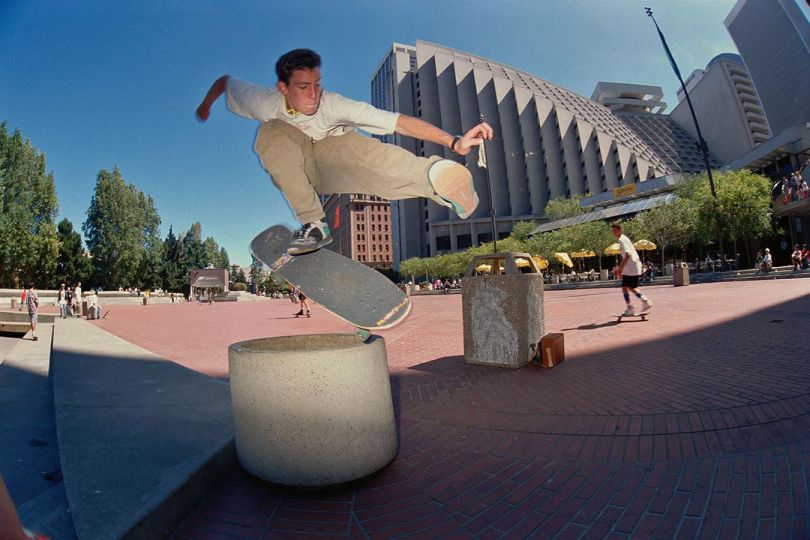
In Kyoto, a cultural city whose radiance remains undiminished, Kyotographie has established itself over the past 14 springs as a major event on the international photography scene. The event unfolds throughout the city, taking over temples, traditional houses, galleries, and museums.
At the heart of this edition is a key phrase chosen by the co-founders Lucille Reyboz and Yusuke Nakanishi “Edge – the limit”. A line of fracture or a point of passage, the limit can be physical or social. Photography, too, does not escape this tension. In an age of visual proliferation and intrusive technologies, a new frontier appears, that of questioning, but also that of a vast field of possibilities.
Behind this term, should we see a coming collapse or, on the contrary, a space for reinventing the real? Kyotographie chooses to inhabit this zone of uncertainty. The 2026 edition highlights radical photographic practices, explores urban landscapes, and gives voice to overlooked communities. Running through it is another force as well, that of nature, capable of regeneration even in the darkest contexts.
A major figure in this program, Daido Moriyama. Born in Osaka, the Japanese photographer has never ceased, over the course of nearly sixty years, to upend conventions. His prolific body of work interrogates both the visible world and the tools that capture it. Cameras, the printed press, distribution circuits, etc. Marked by postwar Japan and its transformations, and nourished by American influences, Moriyama questions both the real and the tools that produce it.
Another essential voice, Linder Sterling. Emerging from the effervescence of late-1970s British punk, the artist has built a body of work around photomontage, deconstructing representations of desire and the female body. The retrospective presented here, developed with her, retraces the key stages of a trajectory that dialogues with the Dadaist legacy of Hannah Höch and Man Ray while asserting a confrontational contemporaneity.
The duo Yves Marchand & Romain Meffre continues its exploration of ruins. From Detroit to Gunkanjima by way of Paris, their images scrutinize the vestiges of a changing world. In Kyoto, they go further: a new series informed by artificial intelligence imagines the city transformed into an abandoned landscape. A disturbing proposition that questions the truthfulness of the image and blurs the lines between fiction and archive.
A singular figure on the contemporary scene, Juliette Agnel unfolds a body of work in which landscape becomes an inner experience. Her approach, both poetic and metaphysical, questions the subtle links between the human, nature, and the forces that run through them. The artist favors the margins of the world—deserts, glaciers, remote territories—which she often traverses at night, when reality takes on an almost mystical intensity. In these extreme spaces, Juliette Agnel seeks what she calls “the vibration of the world”, an impalpable presence that her gaze attempts to make visible.
Anton Corbijn, a Dutch photographer who has mastered the art of portraiture, has captured major figures such as Depeche Mode, U2, and the Rolling Stones. His aesthetic, marked by dense black and white, captures gestures and human flaws.
“Imperfection strikes truer than perfection,” he says. The exhibition traces half a century of work, from his beginnings at age 17 with local bands to his move to London and his collaboration with the NME, the celebrated music magazine.
Also featured: Federico Estol, Fatima Hassona, Sari Shibata, Tandiwe Muriu, Atsushi Fukushima; three generations of South African artists—Pieter Hugo, Ernest Cole, and Lebohang Kganye—retrace the country’s history and photographic tradition. Not forgetting the satellite event KG+Select, featuring 10 artists selected from the open call.
Ultimately, this new edition of Kyotographie does not merely show photographs, but interrogates their contours—and therefore their limits—and reminds us in passing that photography is never a totally fixed image.
Jean-Jacques Ader
Festival « Kyotographie – Edge » from April 18 to May 17, 2026 throughout the city.
Publication of a beautiful book, « Kyotographie, a Kyoto story – a twelve-year cycle », retracing the history of the festival. Information: https://www.kyotographie.jp/en/
It should be noted that this summer, at Vague-Arles, Kyotographie will present Rinko Kawauchi and Tokuko Ushioda, « From our windows », in an exhibition associated with the Rencontres 2026.