![Masahisa Fukase, Cap Erimo, 1976, série Ravens [Corbeaux] Avec l’aimable autorisation de Masahisa Fukase Archives et de Michael Hoppen Gallery UK.](https://cdn.loeildelaphotographie.com/wp-content/uploads/2026/07/12-modele-animal-04-x540q80.jpg)
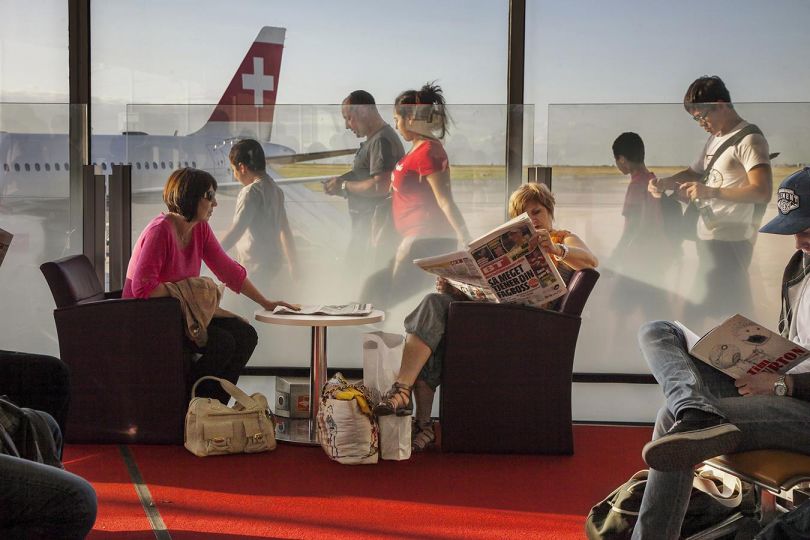
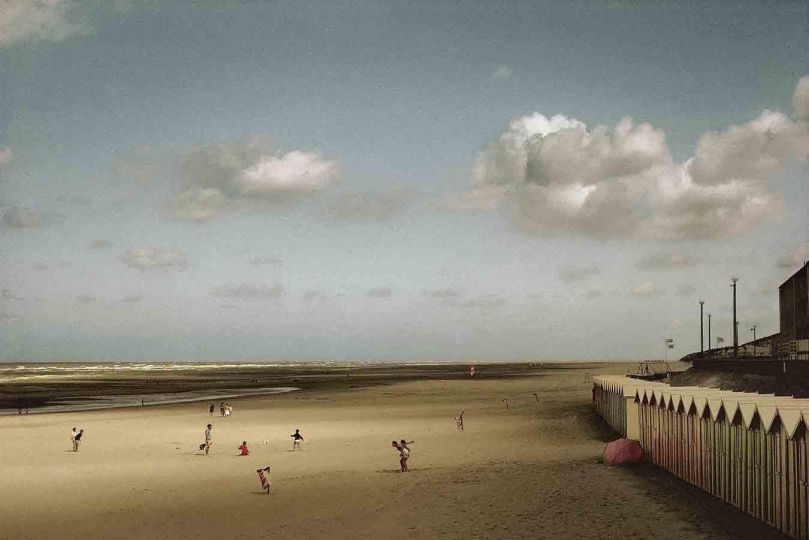
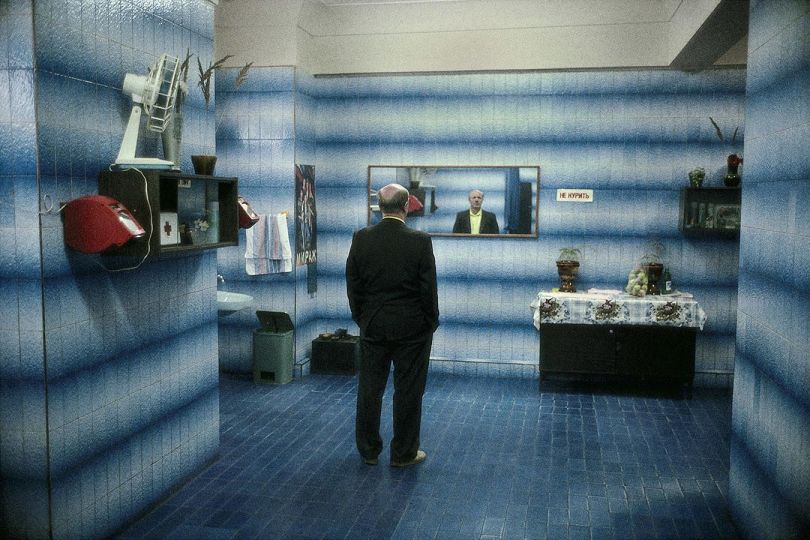
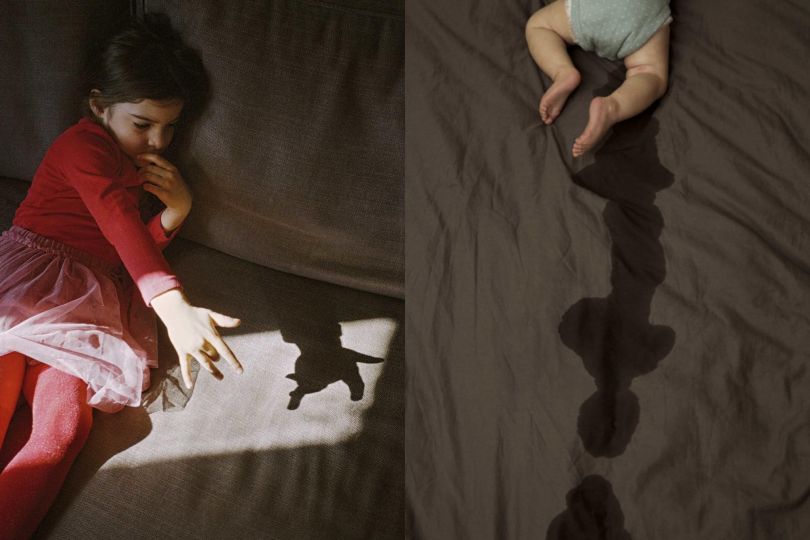

Once again this year, Arles was transformed into a vast city devoted to photography. For the 57th edition of the Rencontres d’Arles, I moved through the exhibitions with the sense that, more than the images themselves, it was our way of looking that was being put to the test. From the body to animals, from intimacy to work, from family to forgotten histories, the works I found seemed to raise the same question: what do our images say about us?
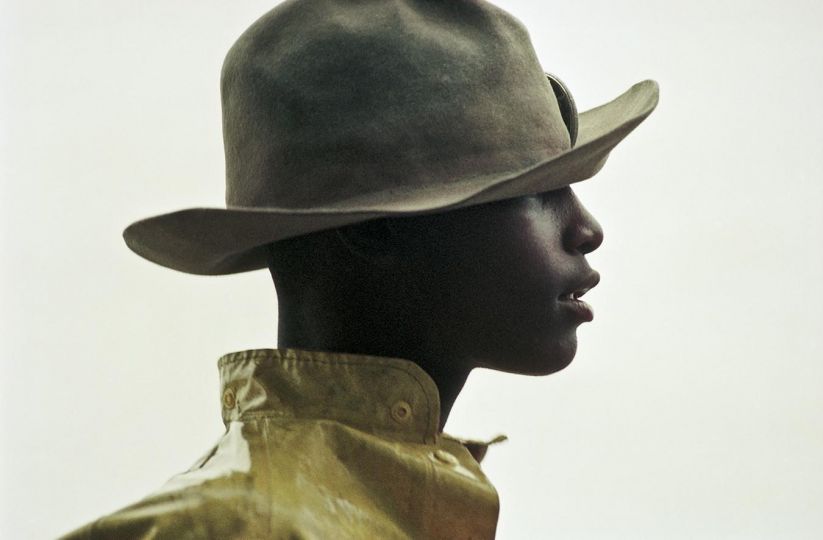
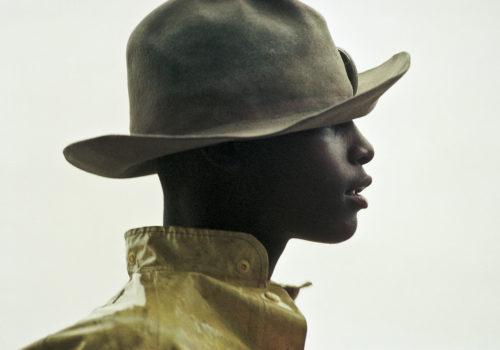
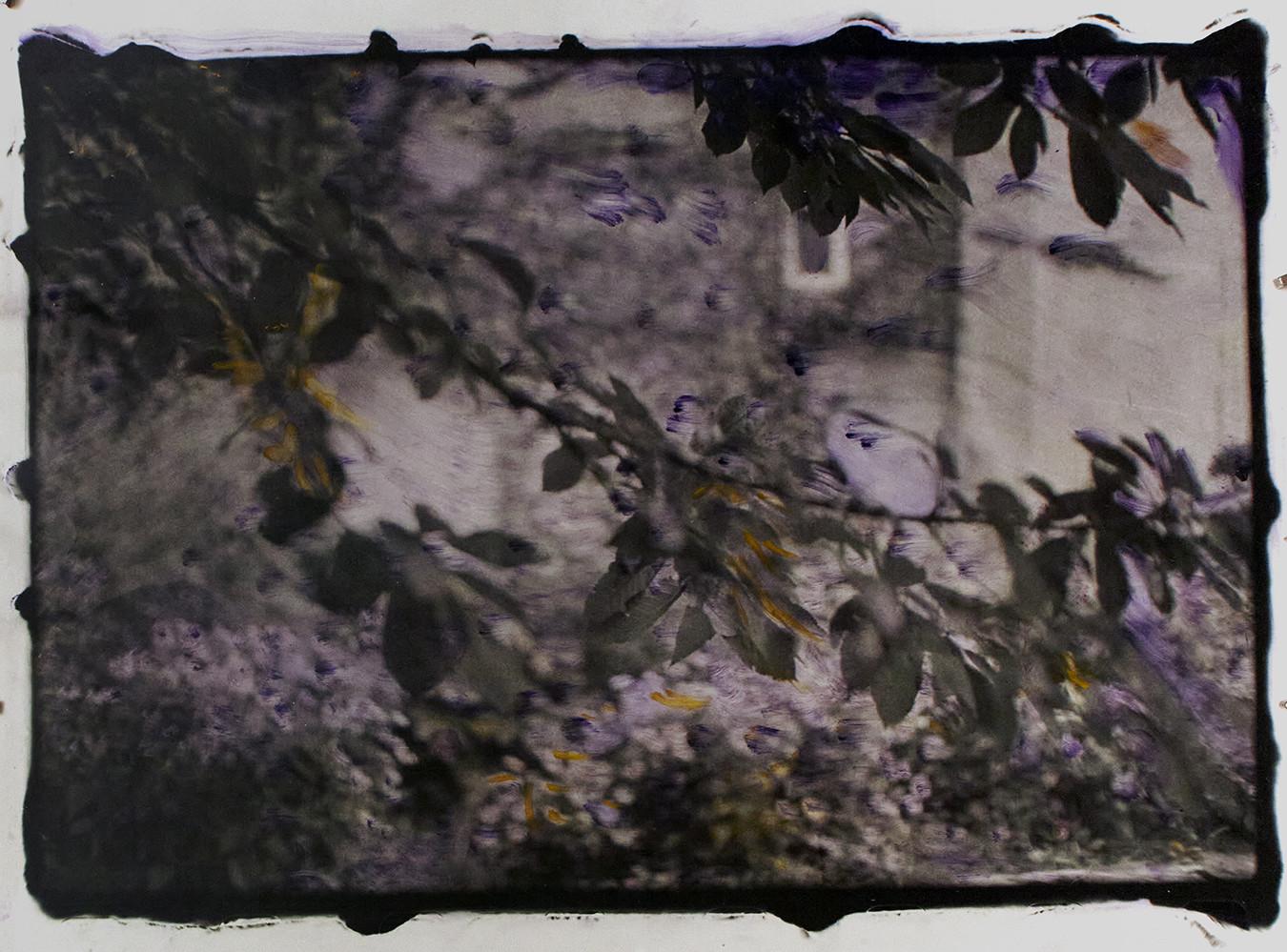
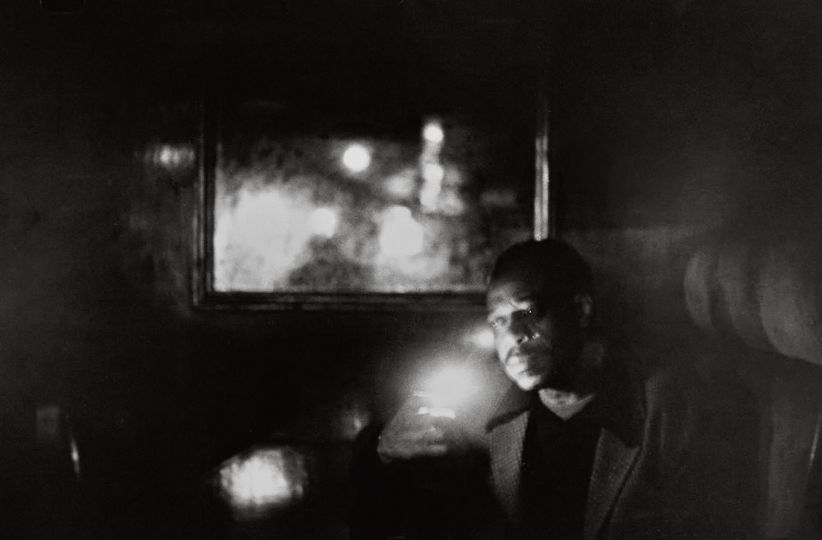
I begin with Ming Smith and Lueur nomade, presented at the Église Sainte-Anne. The setting gives the photographs a particular presence: created over several decades, the images enter into dialogue with the historic architecture and seem to hover somewhere between memory, movement and music. Smith photographs cities, encounters, bodies and gestures with a remarkably free approach, in which blur, colour and movement become almost material in themselves. I was drawn to this sense of images that do not attempt to preserve everything. They feel more like memories or fleeting impressions than scenes fixed once and for all.
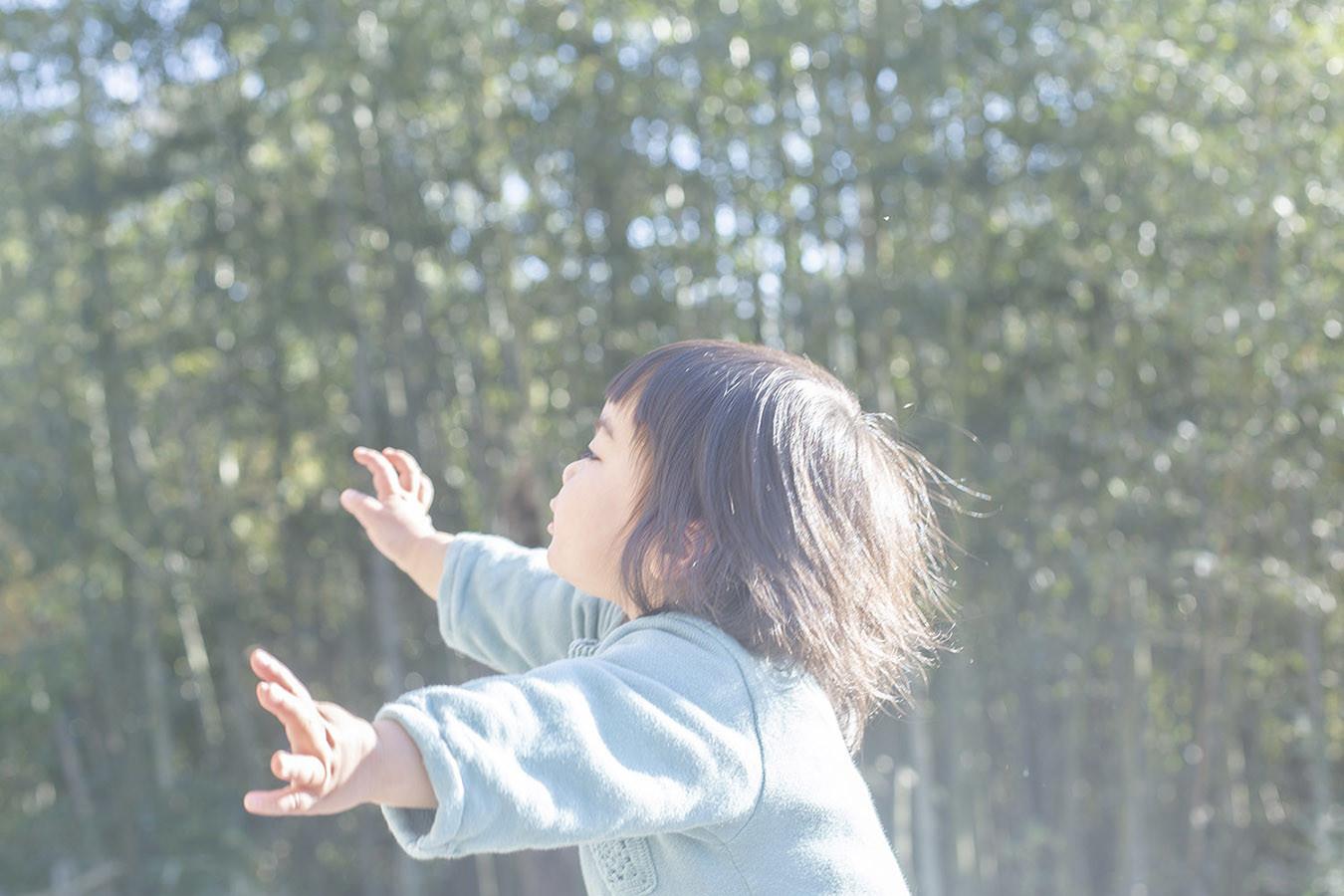
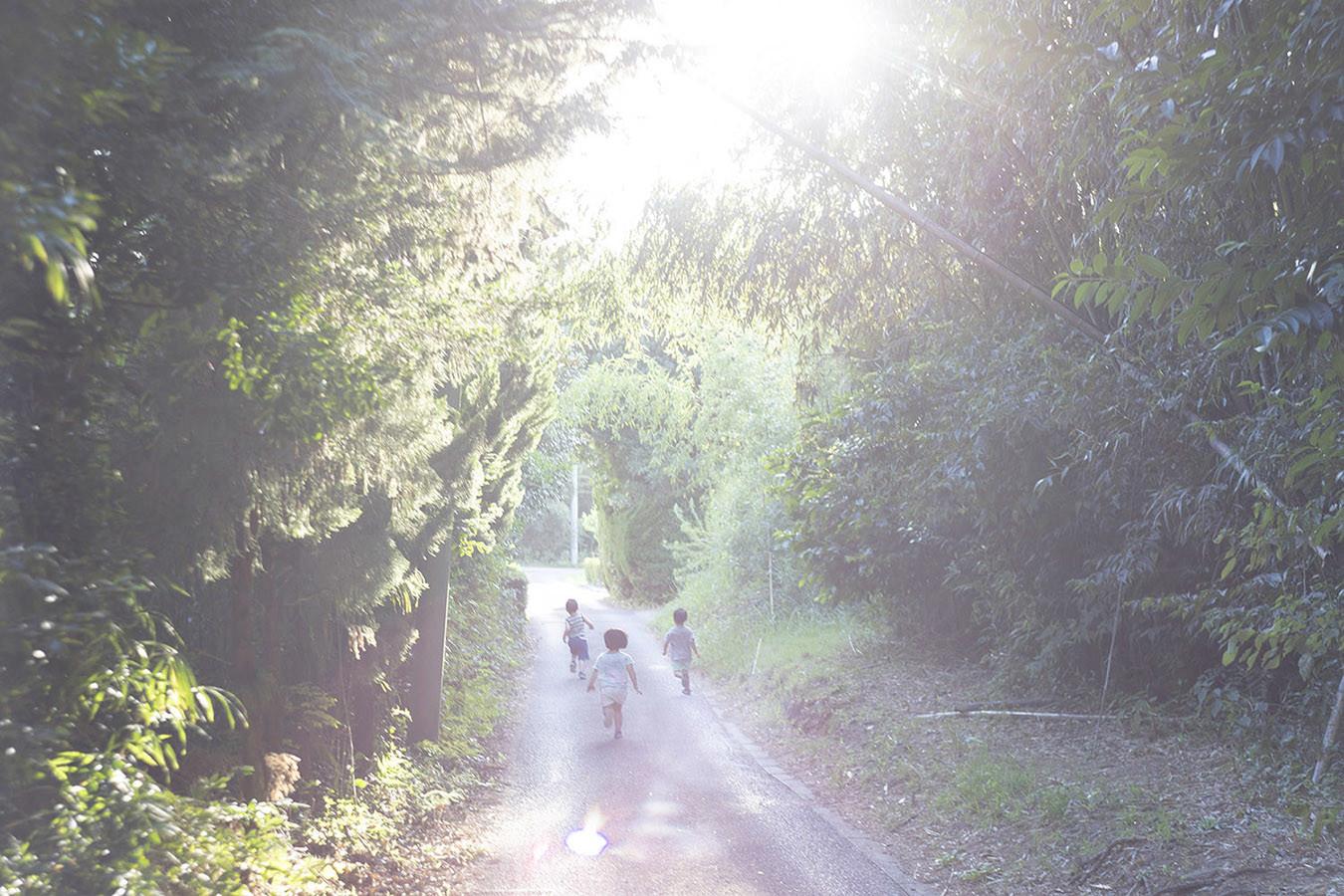
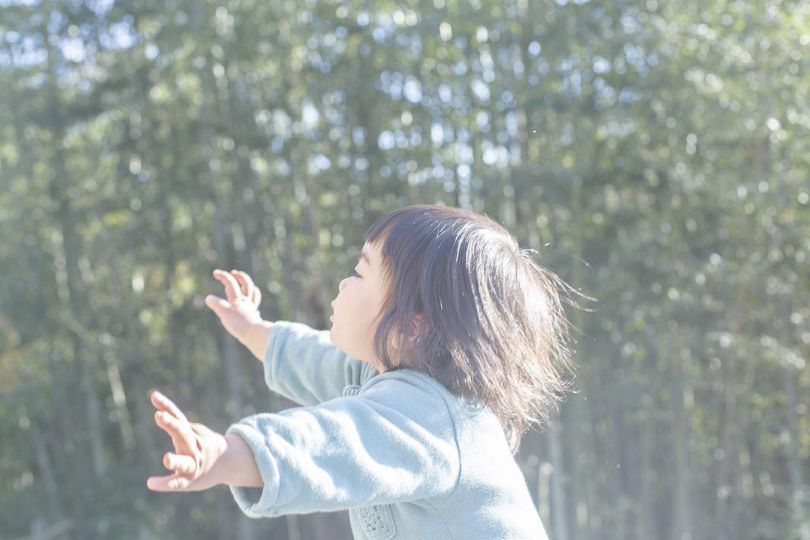
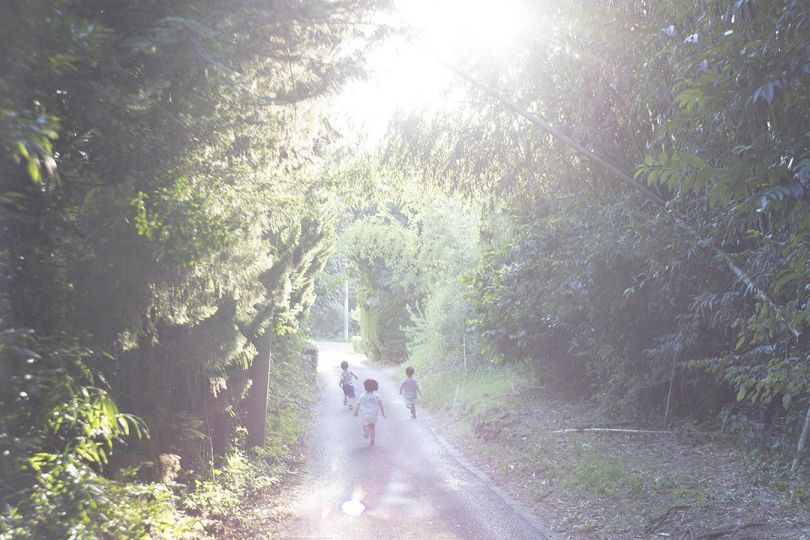
This attention to the details of everyday life can also be found in the work of Rinko Kawauchi, whose series Aila is presented in Modèle animal. 200 ans de photographie, curated by Nathalie Herschdorfer. Another aspect of her work can be seen in a separate exhibition, From Our Windows, presented with Tokuko Ushioda at Vague as part of Arles Associé. The exhibition explores domestic intimacy, family life and everyday gestures. Belonging to different generations, the two artists observe daily life with great sensitivity. I particularly appreciated their ability to give significance to moments that, taken individually, might seem almost inconsequential.
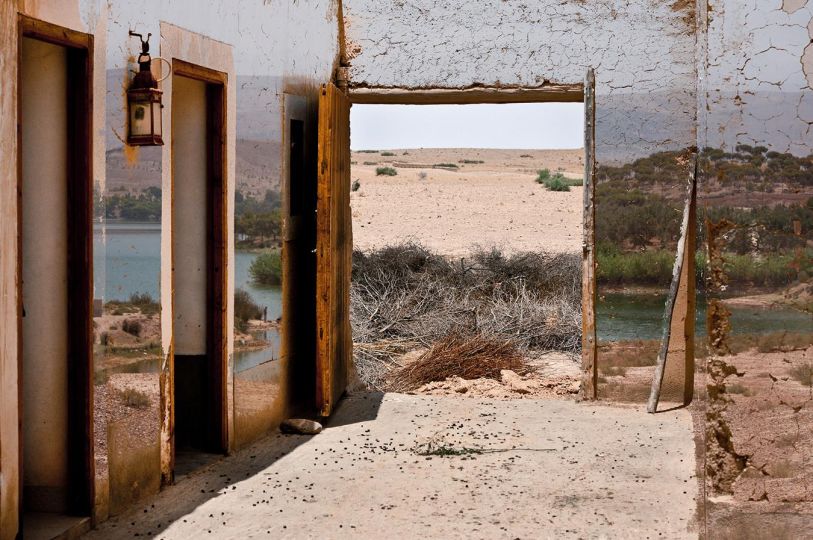
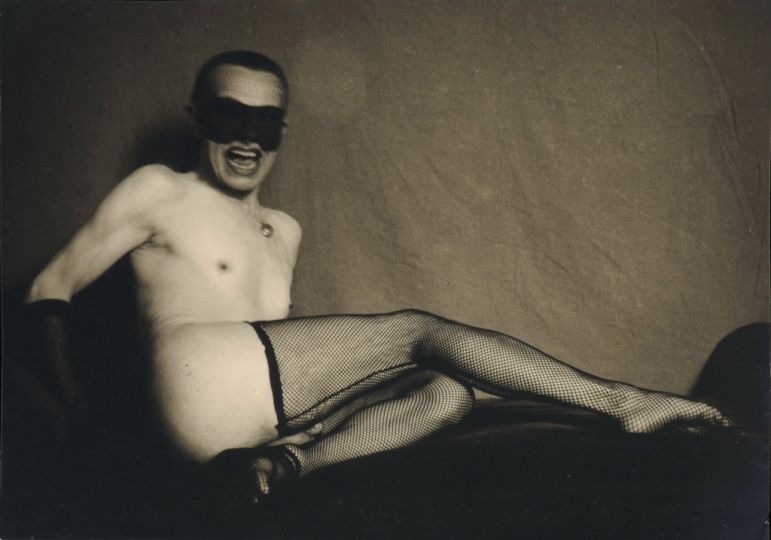
The gaze becomes far more direct in L’image cannibale, presented at the Chapelle de la Charité. The exhibition approaches photography as a medium that “devours” what it represents. Among the works that struck me most was Mélissa Boucher Morales’s Scrolling [faire défiler] (2024). Using analogue photography, the artist photographs images taken from streaming videos featuring cam girls, post-pornography and feminist pornography. She isolates fragments of bodies and gestures lost within the digital flow, transforming them until they acquire an almost spectral appearance. A reflective pane of glass is then placed over the images, confronting viewers with their own position as voyeurs. I found the installation particularly compelling because it slows down images that would normally be consumed very quickly, forcing us to consider our own way of looking.
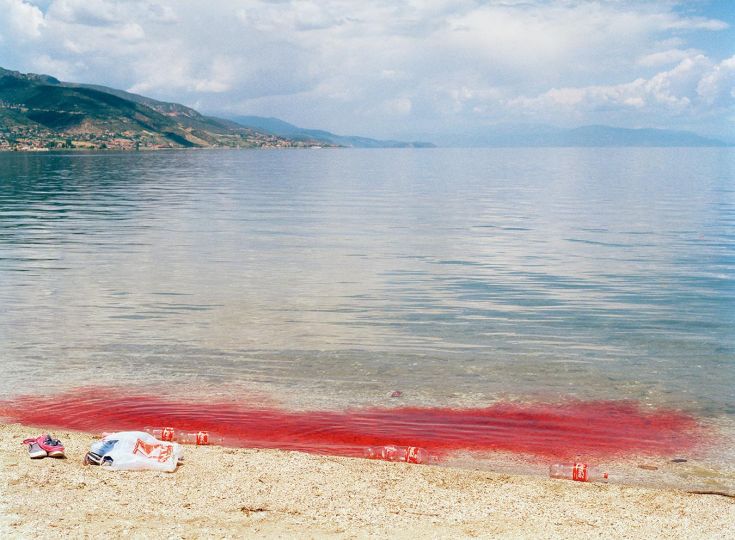
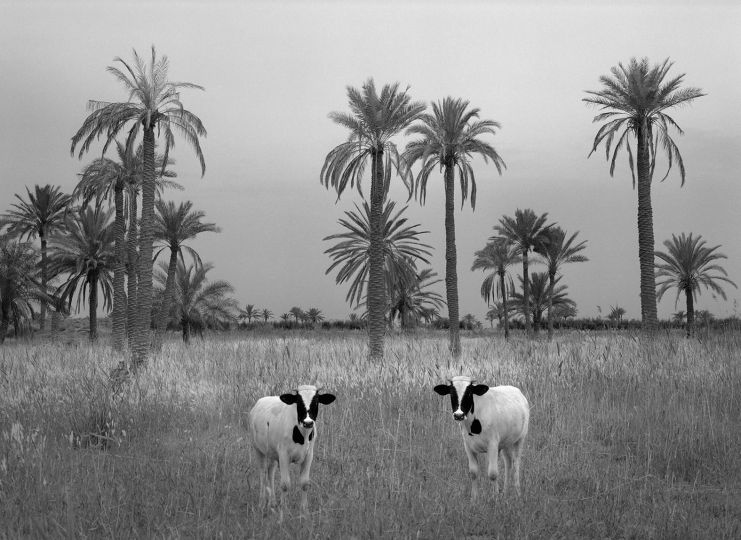
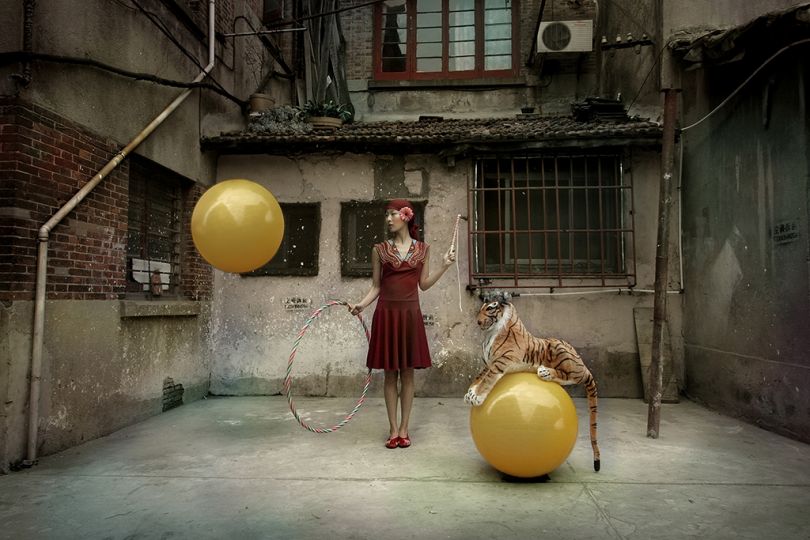
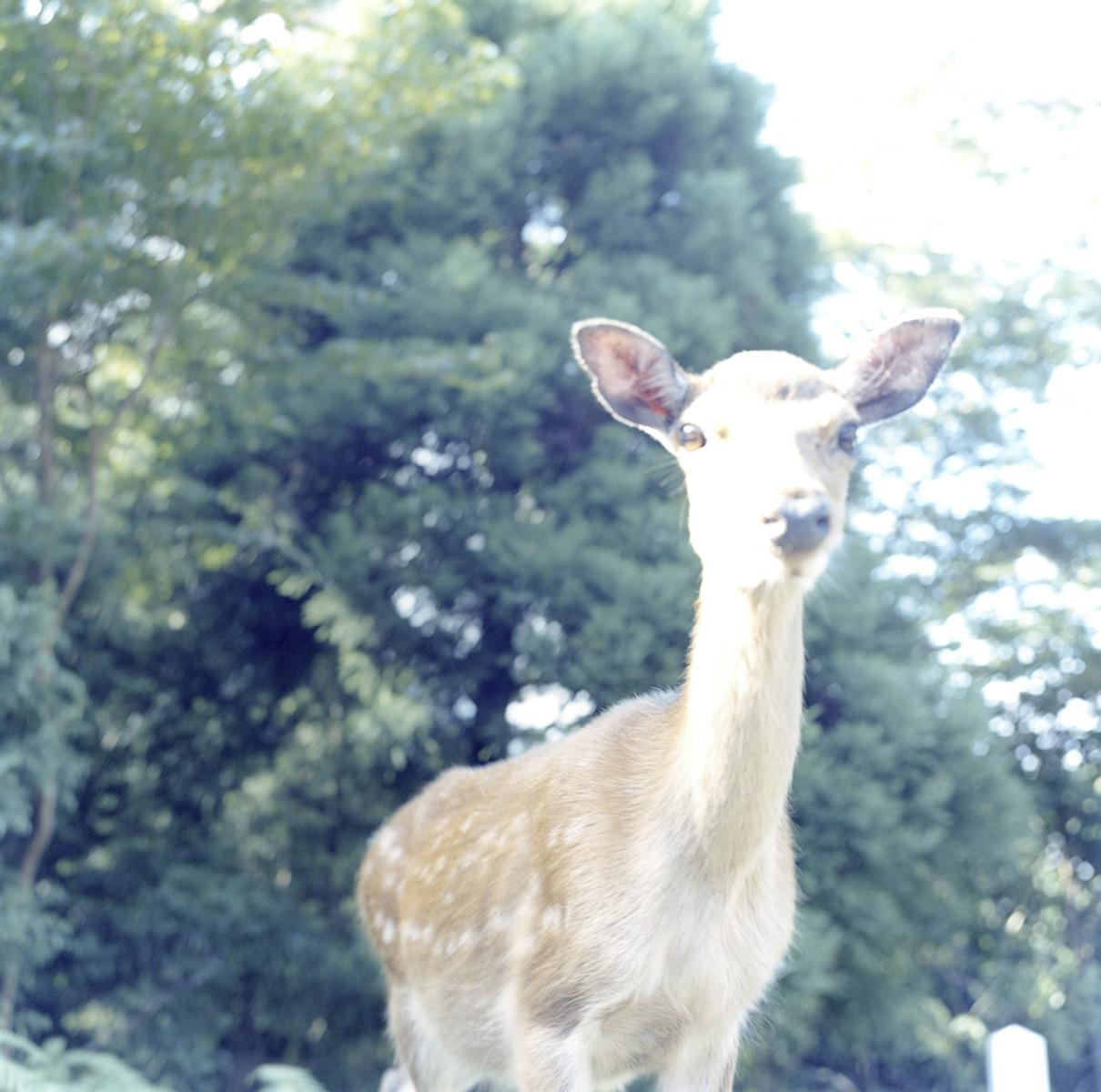
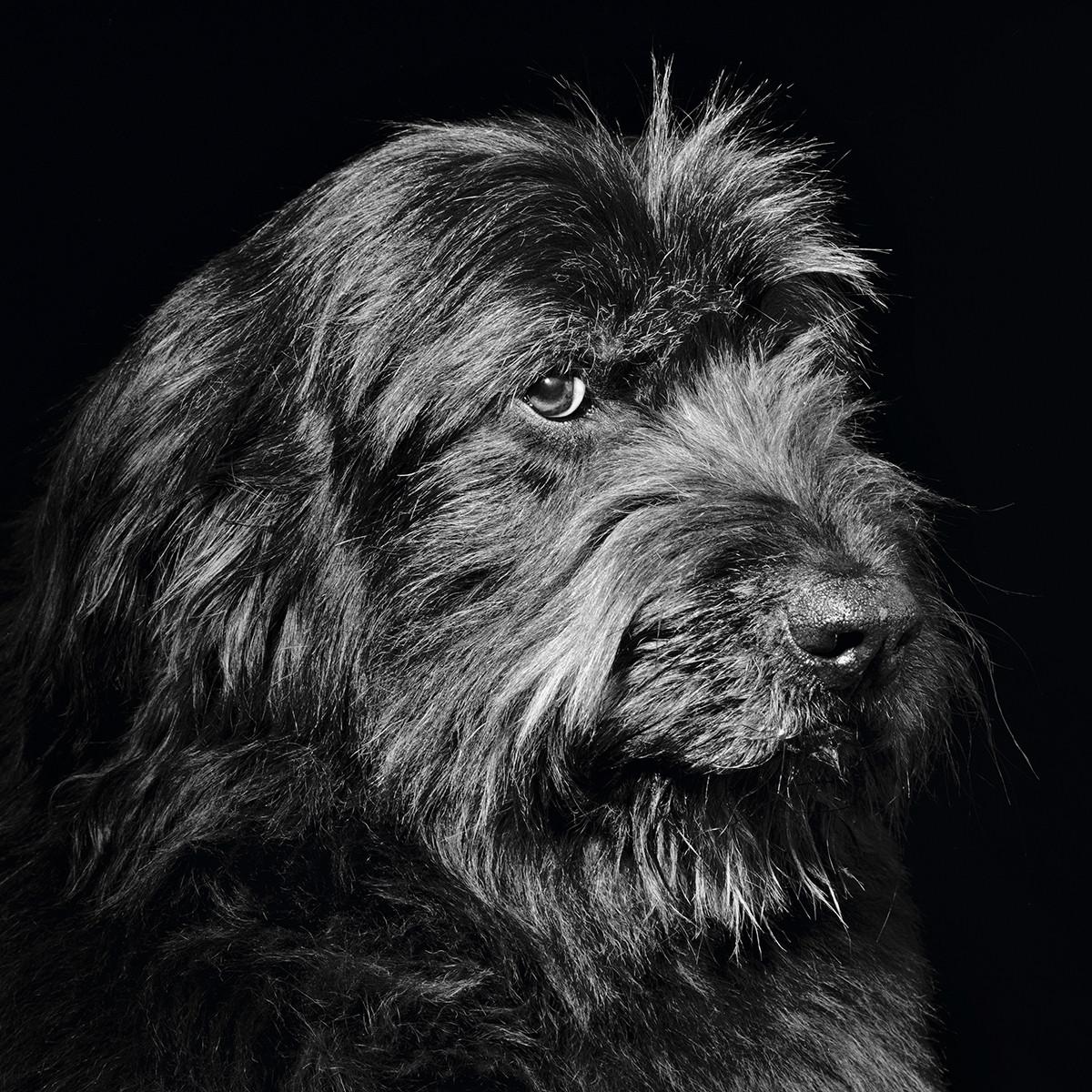
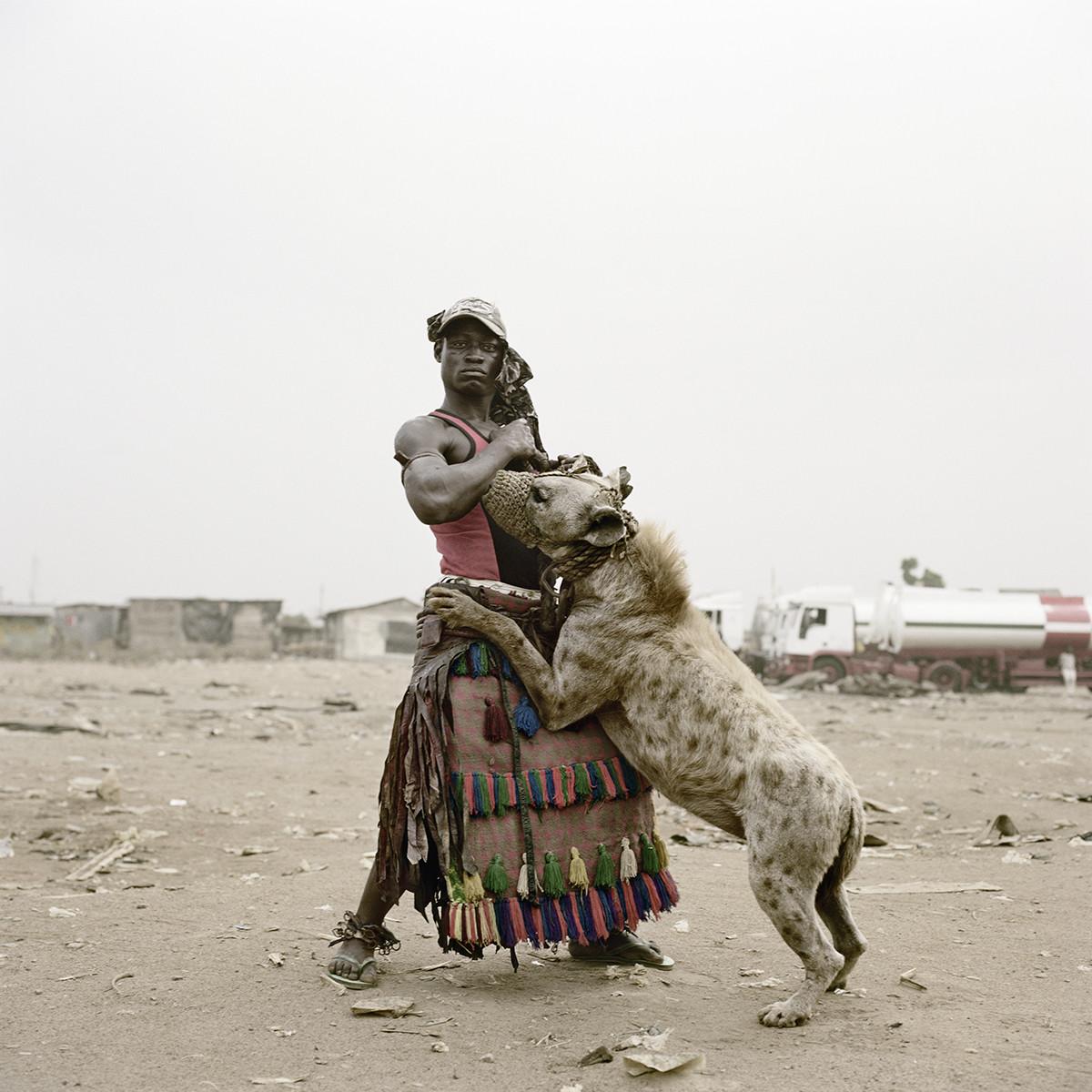
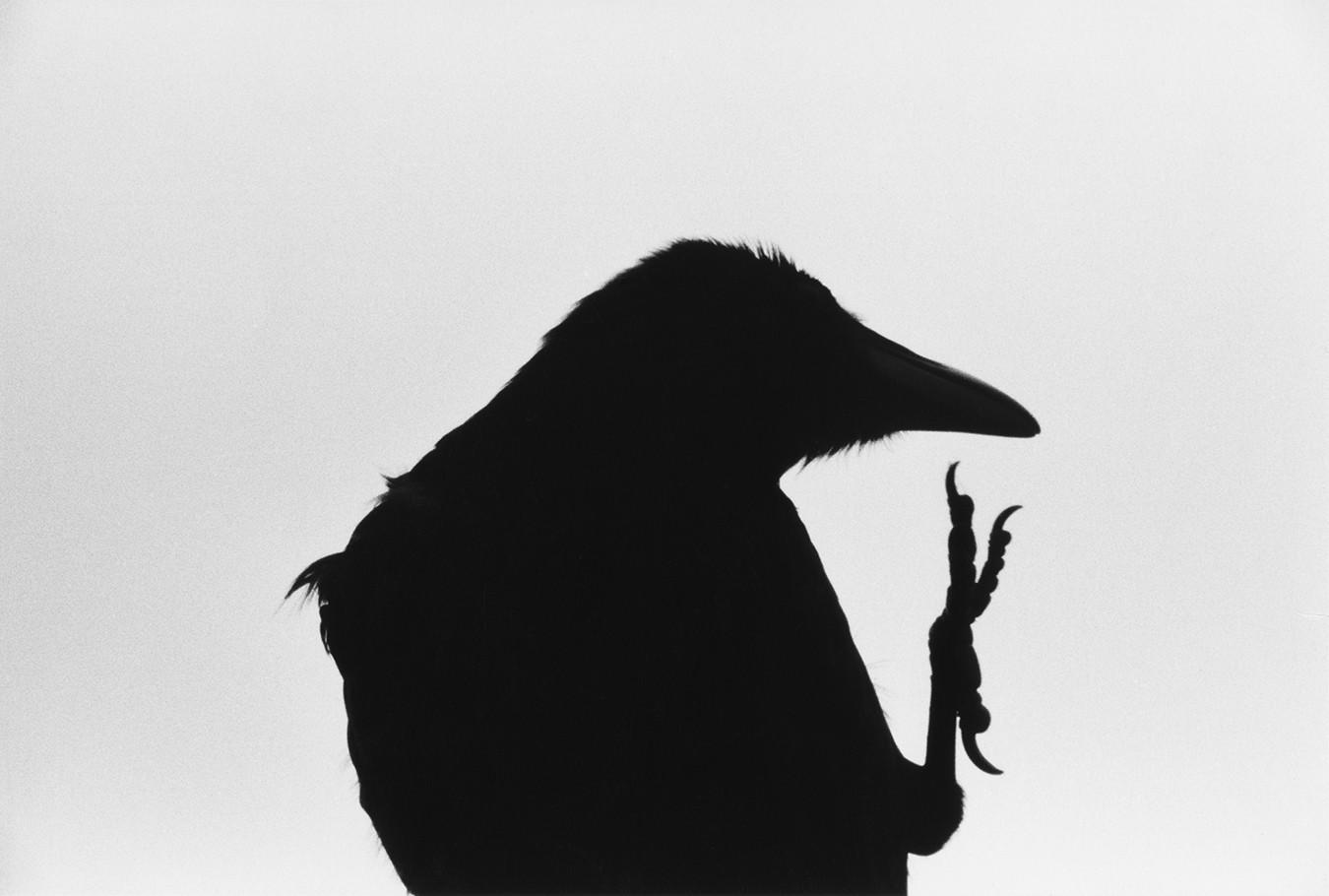
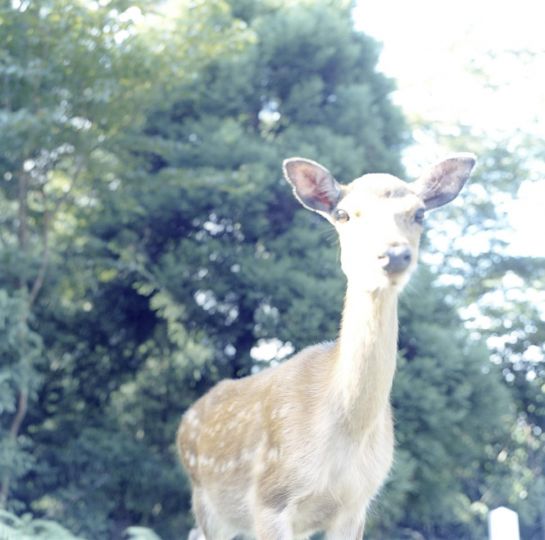
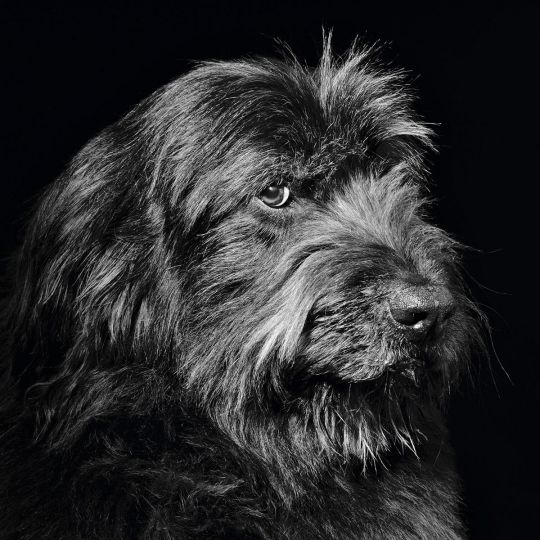
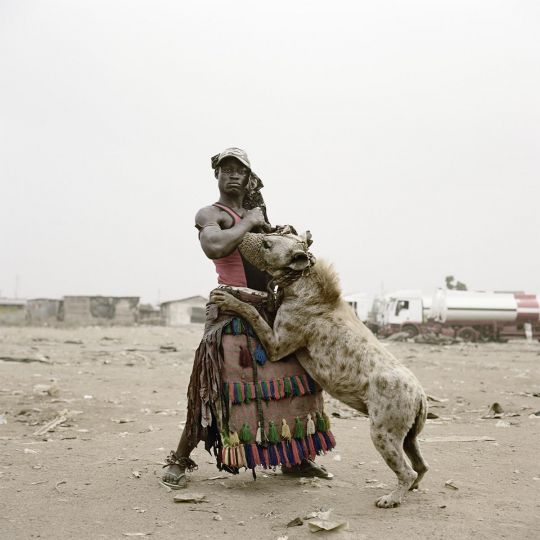
At La Mécanique générale, Modèle animal. 200 ans de photographie extends this reflection to the way we look at animals. Rather than following a chronological structure, the exhibition is organised around seven photographic perspectives: the anatomical gaze, which observes and classifies; the performative gaze, which records animal feats; the affective gaze, centred on domestic animals; the fascinated gaze, which celebrates their beauty; the ethical gaze, which makes their exploitation visible; the aesthetic gaze, which explores their forms and visual potential; and finally the viral gaze, which appropriates and circulates images until the boundaries between reality and fiction begin to blur.
What interested me most here is that the exhibition ultimately says as much about us as it does about animals. Whether we photograph an animal to study, love, admire, exploit or protect it reveals our own position in relation to the living world. Two hundred years of photography thus allow us to trace the evolution of our relationship with animals, but also the changing ways in which we position ourselves in relation to them.
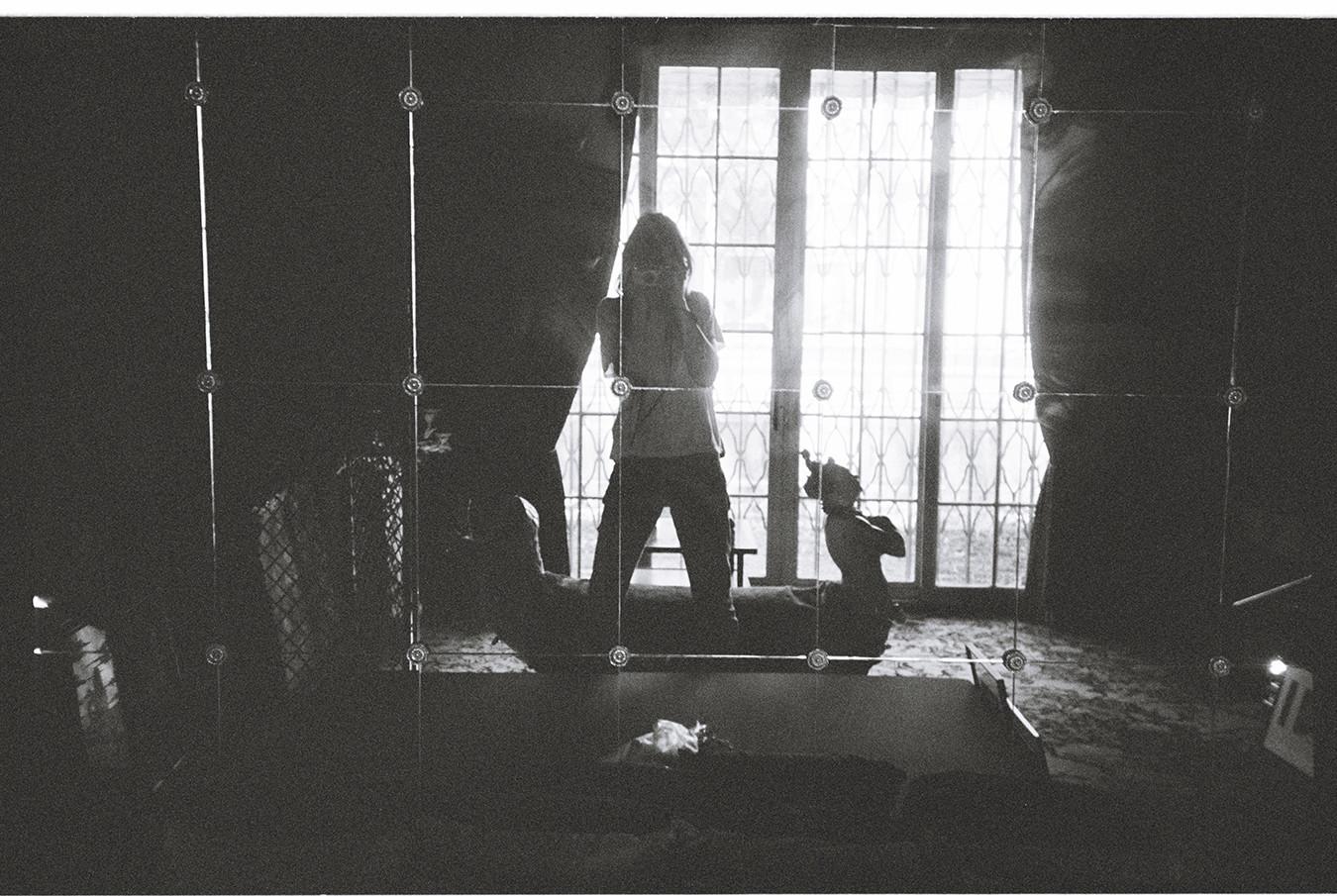
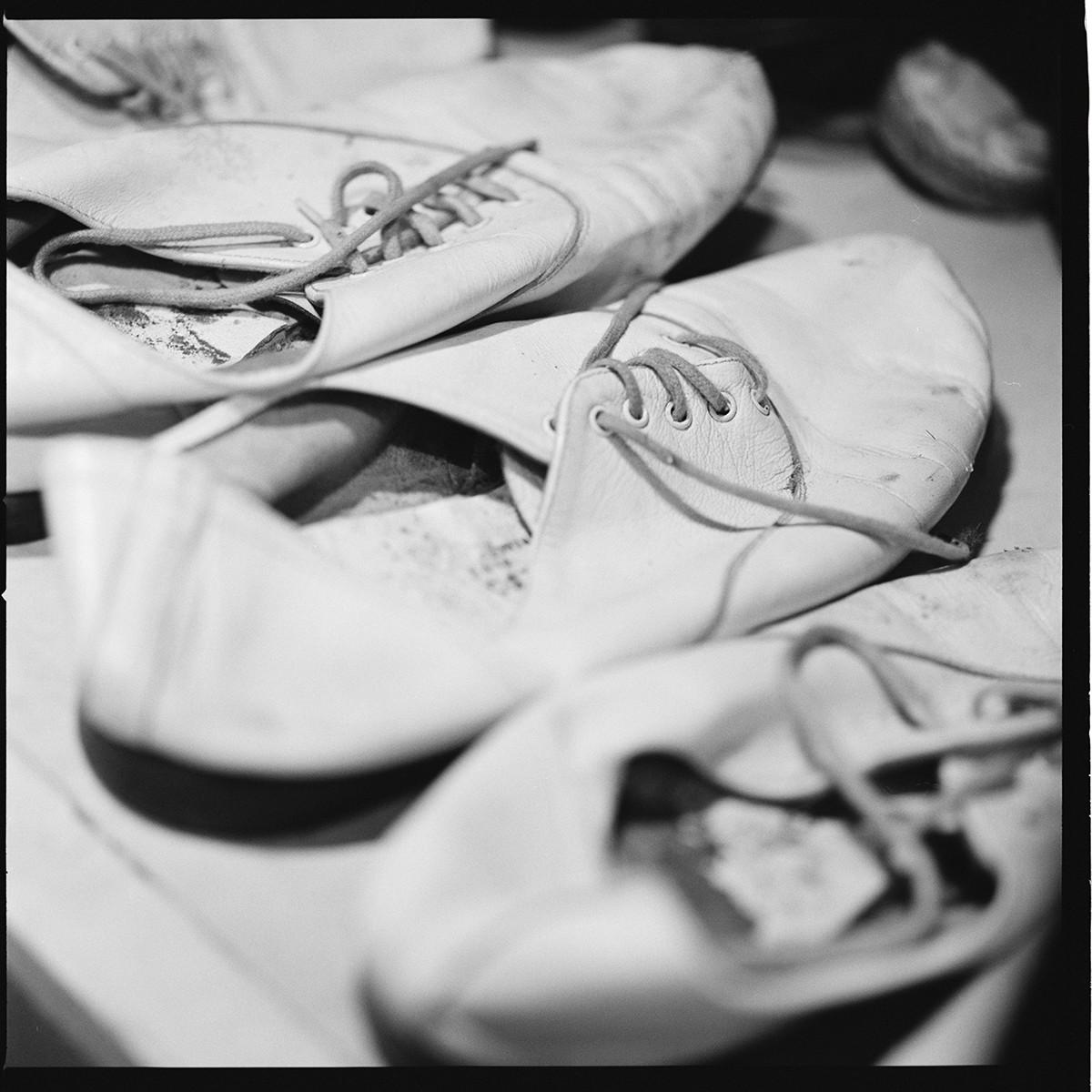
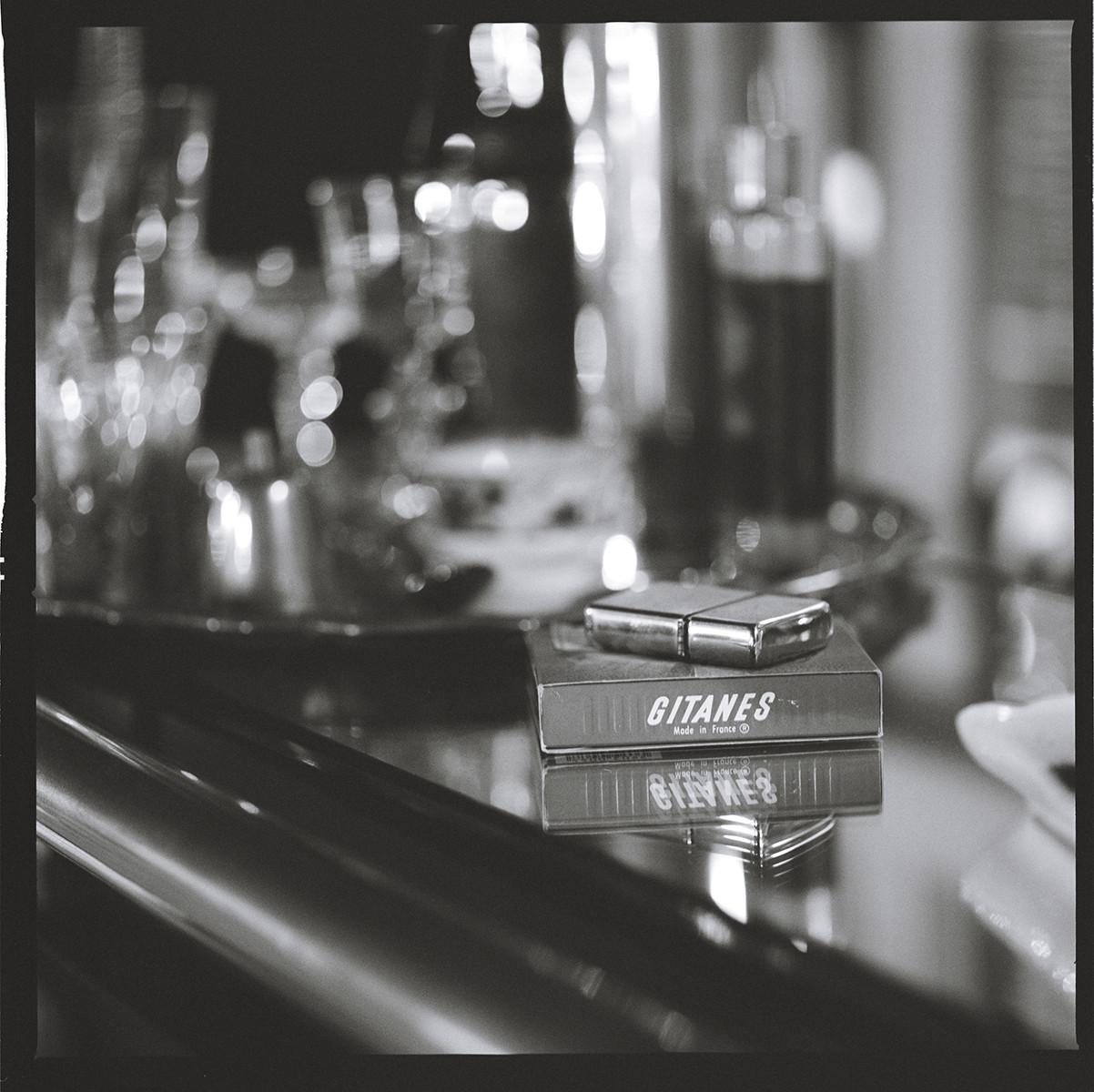
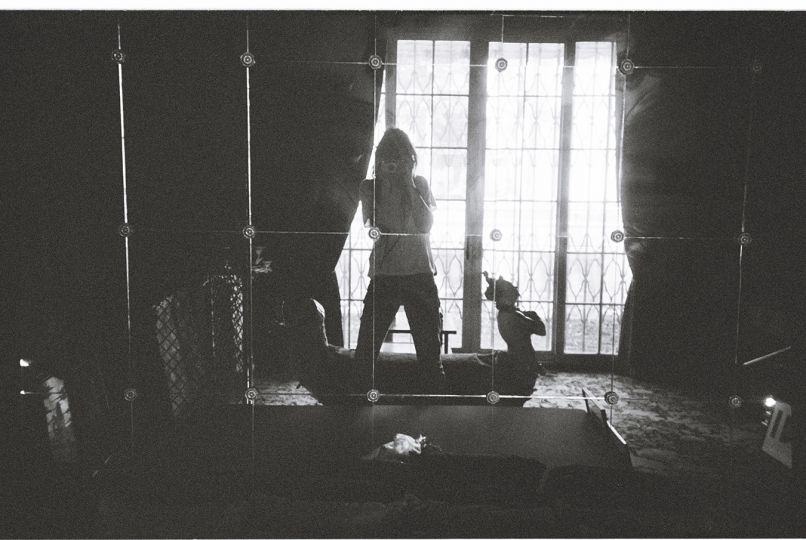
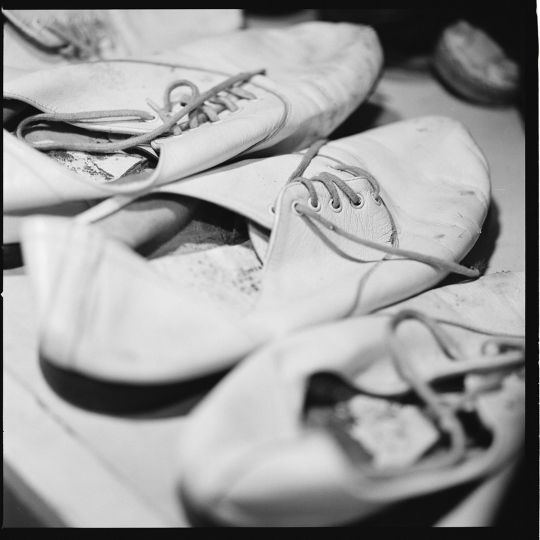
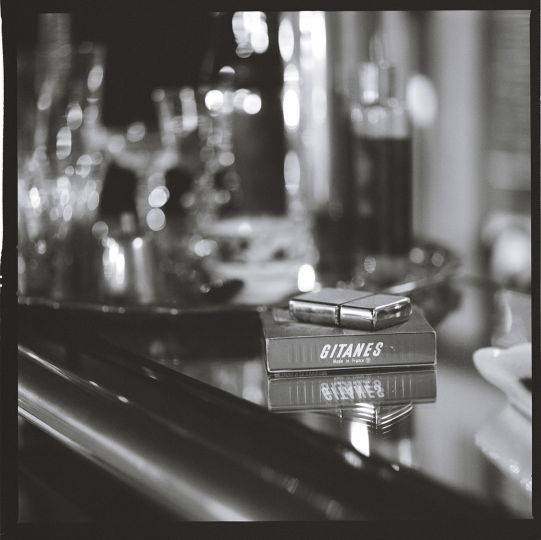
I also discovered 5bis, Charlotte Gainsbourg’s exhibition exploring her relationship with her family home on rue de Verneuil in Paris and the legacy left by her father, Serge Gainsbourg. Through photographs, objects and fragments of memory, she constructs an intimate narrative around a place that has become legendary. I was drawn to the deeply personal nature of the project: the house is not simply a setting, but becomes almost a character in its own right, filled with memories and absence.
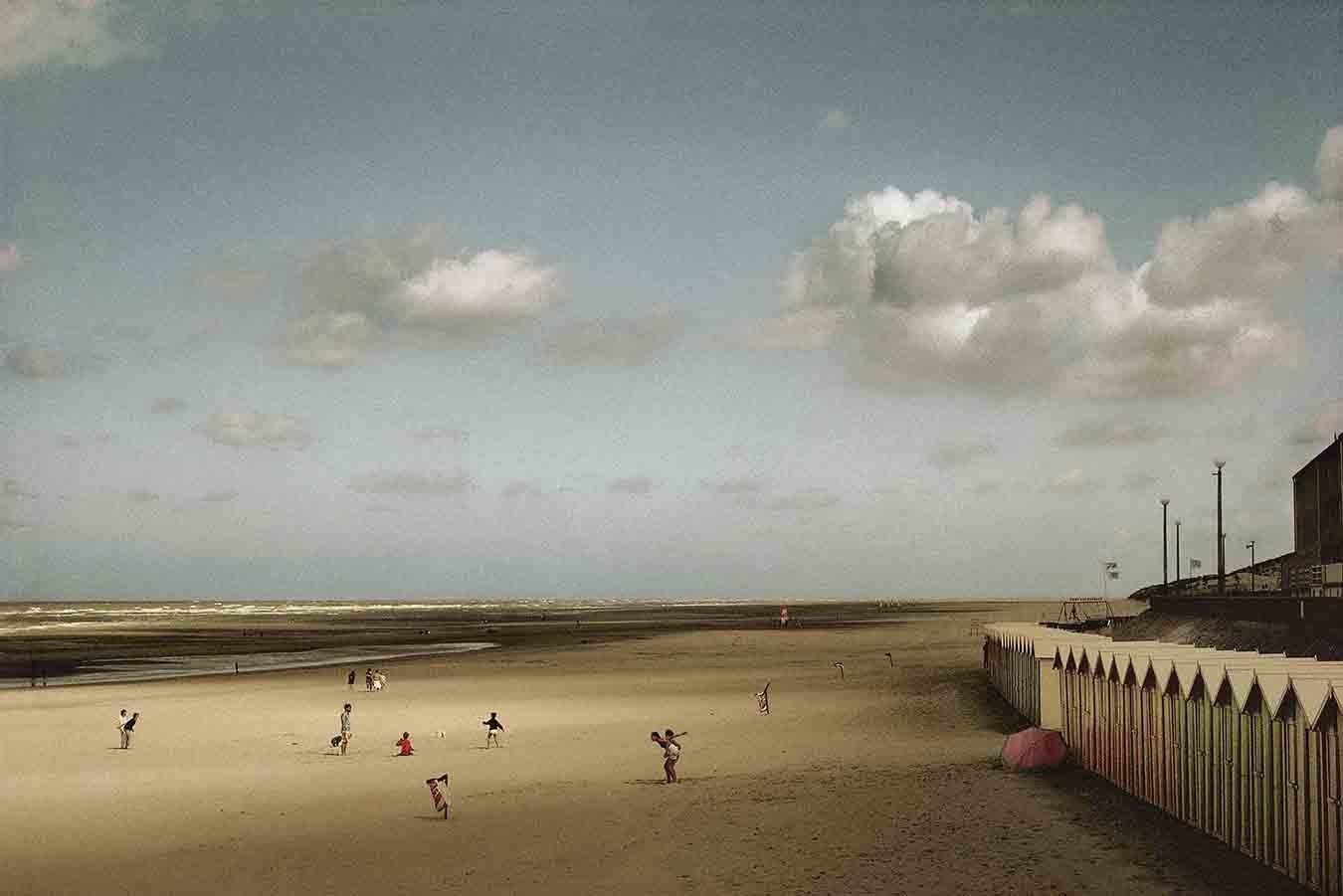
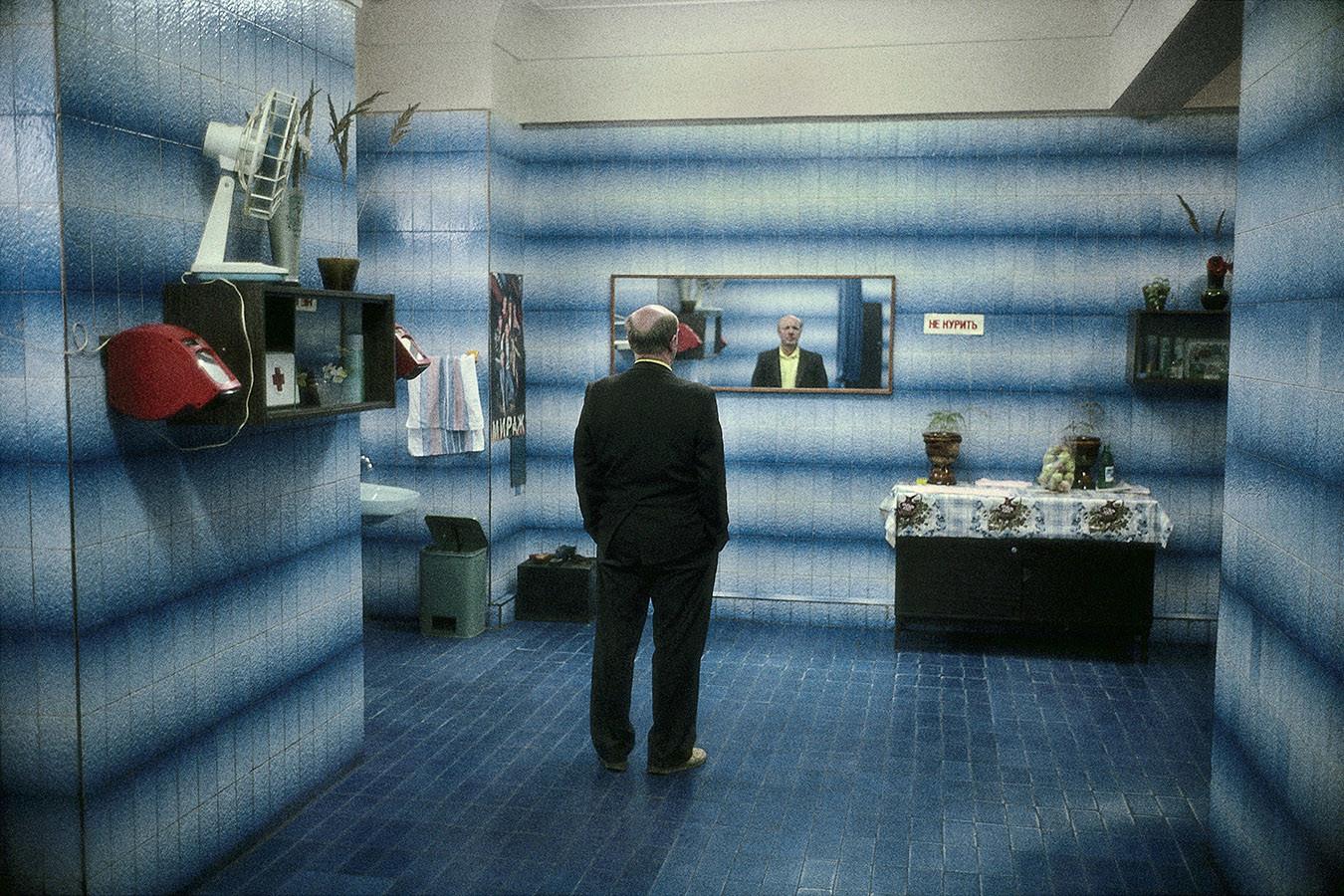
With Harry Gruyaert’s A Sense of Place [Le sens du lieu], photography returns to the city and to travel. Presented at the Chapelle Saint-Martin du Méjan, the exhibition brings together images taken in cities as varied as New York, Paris, Tokyo, Moscow and Mumbai. Gruyaert does not so much document destinations as construct landscapes out of colour, form and fragments of urban life. Within this former chapel, the contrast between the architecture and the chromatic richness of his photographs makes the experience particularly immersive.
At Ground Control, a former railway site, Vigilance. Le travail sous tension particularly caught my attention. The exhibition brings together photographic archives relating to electricity, industry and, above all, the prevention of workplace accidents. Behind monumental images of electrical infrastructure, workers gradually emerge, along with technical gestures and the invisible dangers associated with their jobs. I found the project particularly interesting because it demonstrates how an apparently documentary photograph can also become a tool for memory and accountability. Things that now seem entirely ordinary to us switching a light on, operating a machine depend on labour and risks that we rarely see.
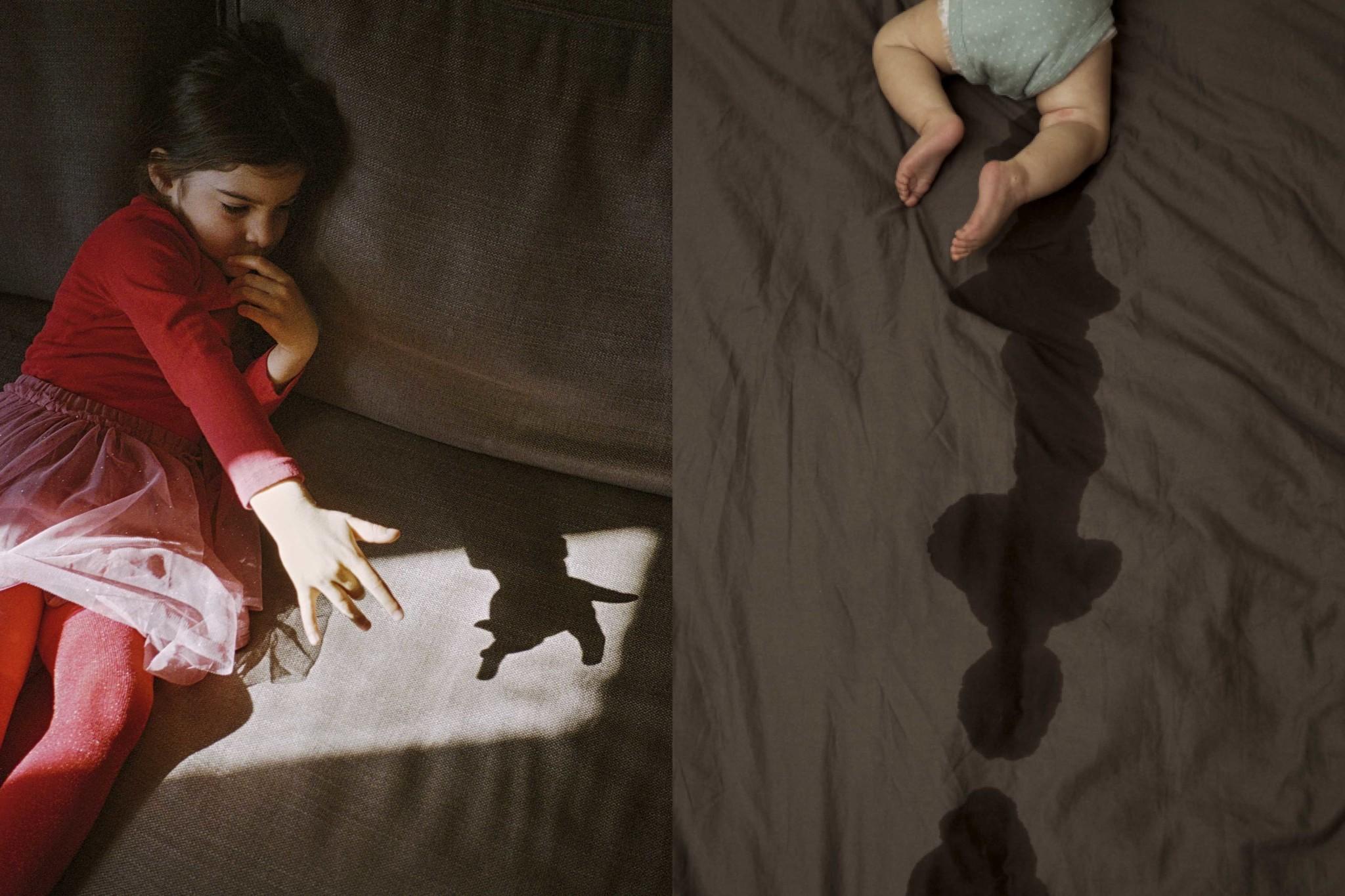
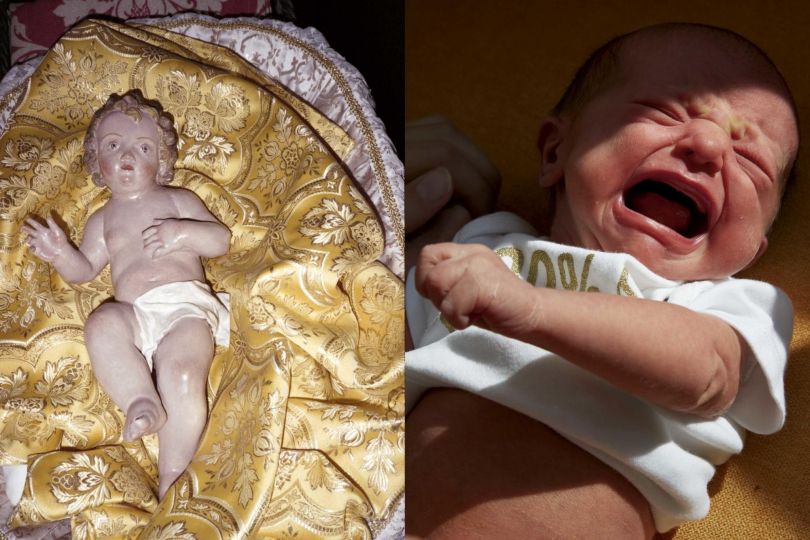
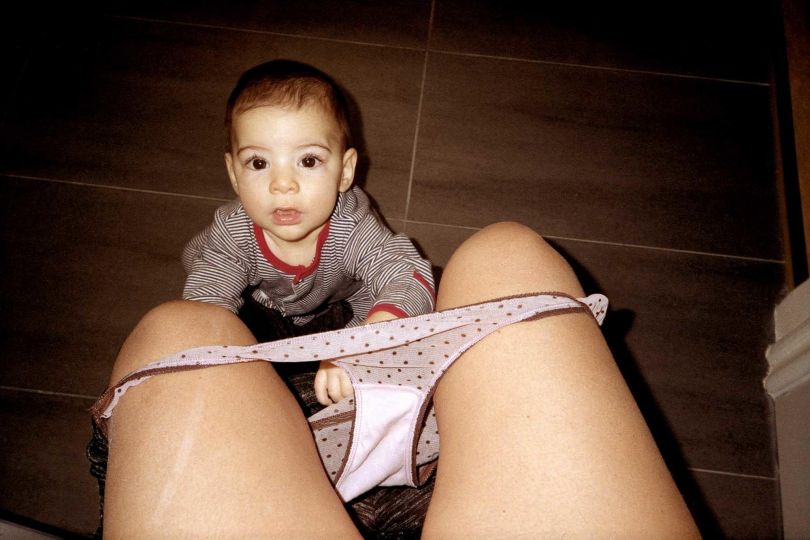
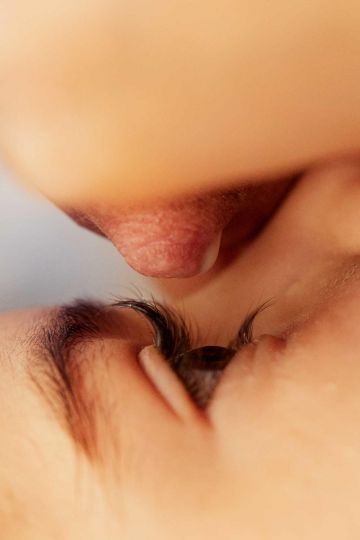
Finally, at the Fondation Manuel Rivera-Ortiz, Come Together brings together artists exploring different forms of connection: family, solidarity, separation, transmission, encounters and isolation. Among the projects on view, Andi Gáldi Vinkó’s Sorry I Gave Birth I Disappeared But Now I’m Back (2016–2022) particularly resonated with me. Drawing on her own experience of motherhood, the artist photographs bodily transformations, exhaustion, children and the upheavals of everyday life, while questioning the place of a woman artist after giving birth.
I appreciated the way Gáldi Vinkó refuses to present motherhood as either an entirely joyful or an entirely difficult experience. Instead, she reveals its contradictions: love and exhaustion, joy and the loss of freedom, the experience of being a mother and the need to reclaim her place as an artist. It is precisely this honesty that makes the project feel both deeply personal and universal.
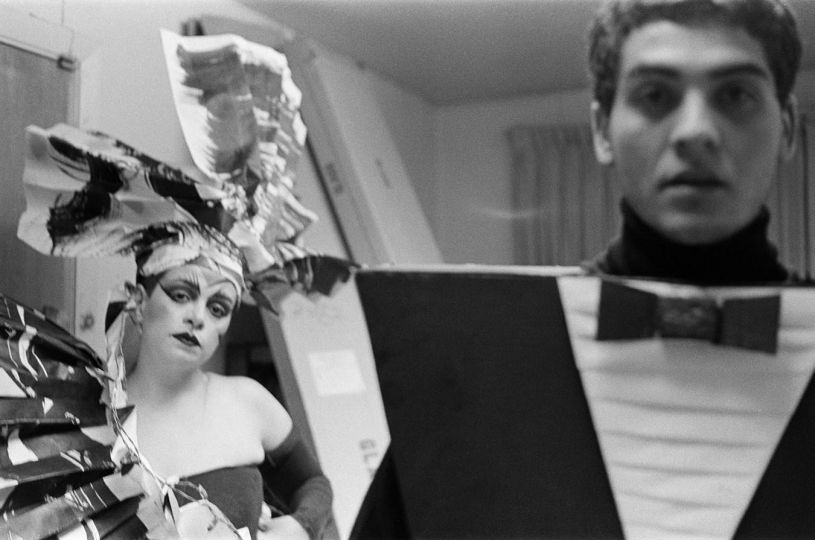
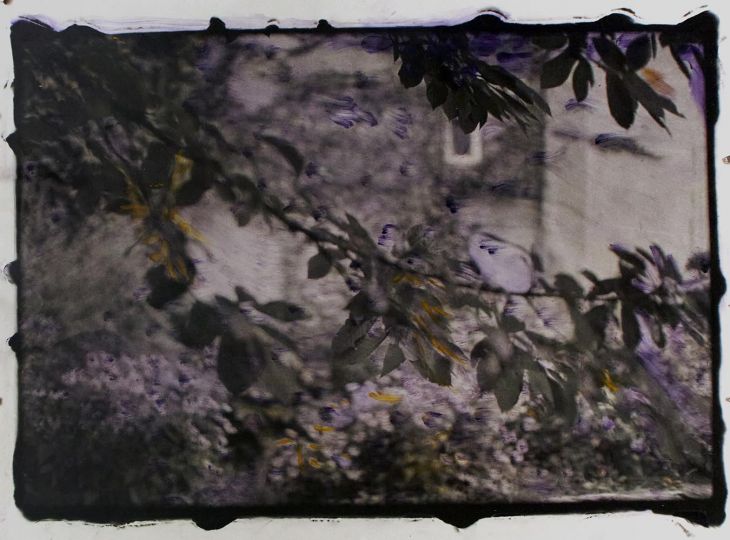
I end my visit with Lee Shulman and Omar Victor Diop’s The Anonymous Project – Being There. The artists intervene in American family photographs from the 1950s and 1960s, introducing a Black presence into scenes where history and racial segregation had made such a presence impossible. These apparently ordinary scenes become alternative images, revealing everything that photographs can leave outside the frame. I found the project particularly interesting because it demonstrates that an old photograph is never entirely fixed: it can be revisited, displaced and made to tell a different story.
What I ultimately take away from this edition of the Rencontres d’Arles is this succession of shifts in perspective. Looking at a body, an animal, a worker, a mother or an old family picture is never neutral. More than anything, the photographers I encountered this year reminded me that a photograph does not simply show us something: it also reveals the way we choose to look at it.
Tímea Urbantsok