


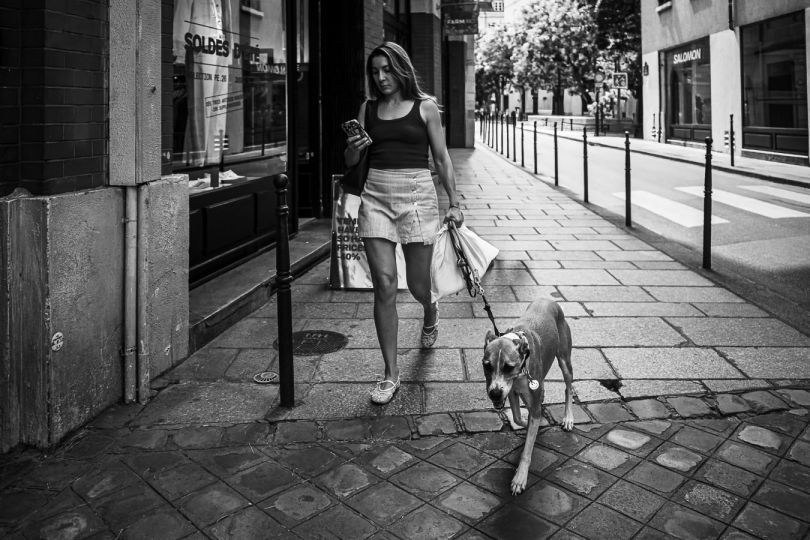
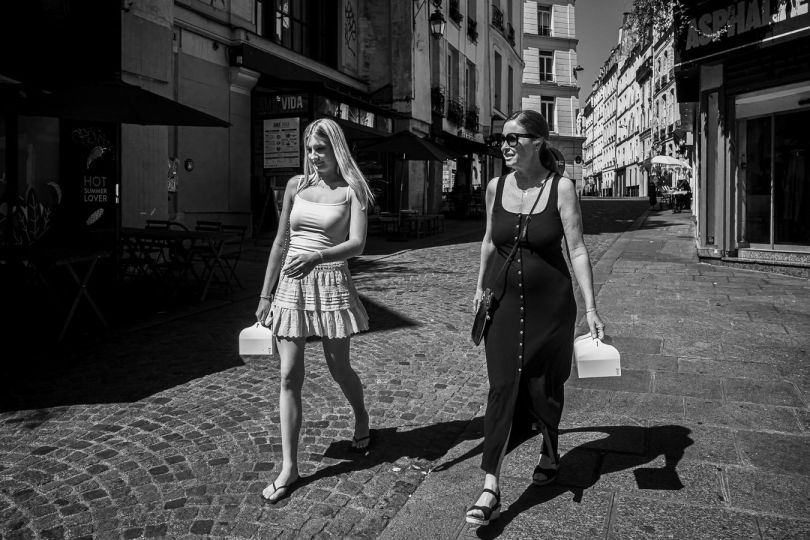

The street as a stage for the unexpected
I have always been drawn to street photography. Over the years, it has become much more than just a photographic practice: it is a way of looking at the world. I never set out with the intention of proving anything or telling a pre-written story. I walk. I observe. I wait for the city to offer me a moment that no one could have foreseen.
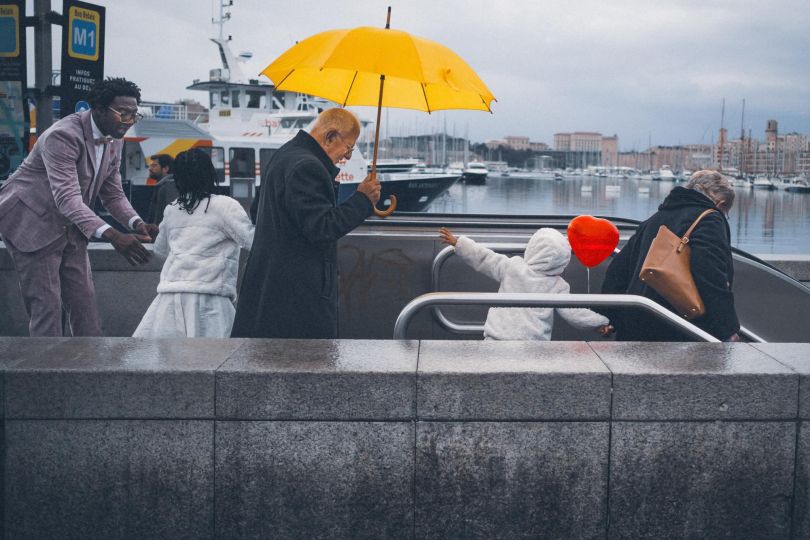
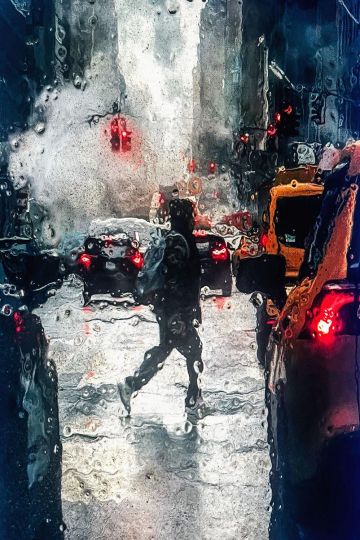
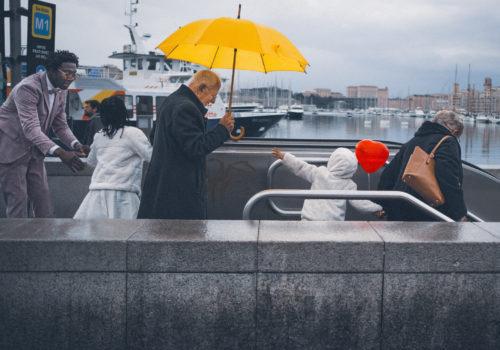
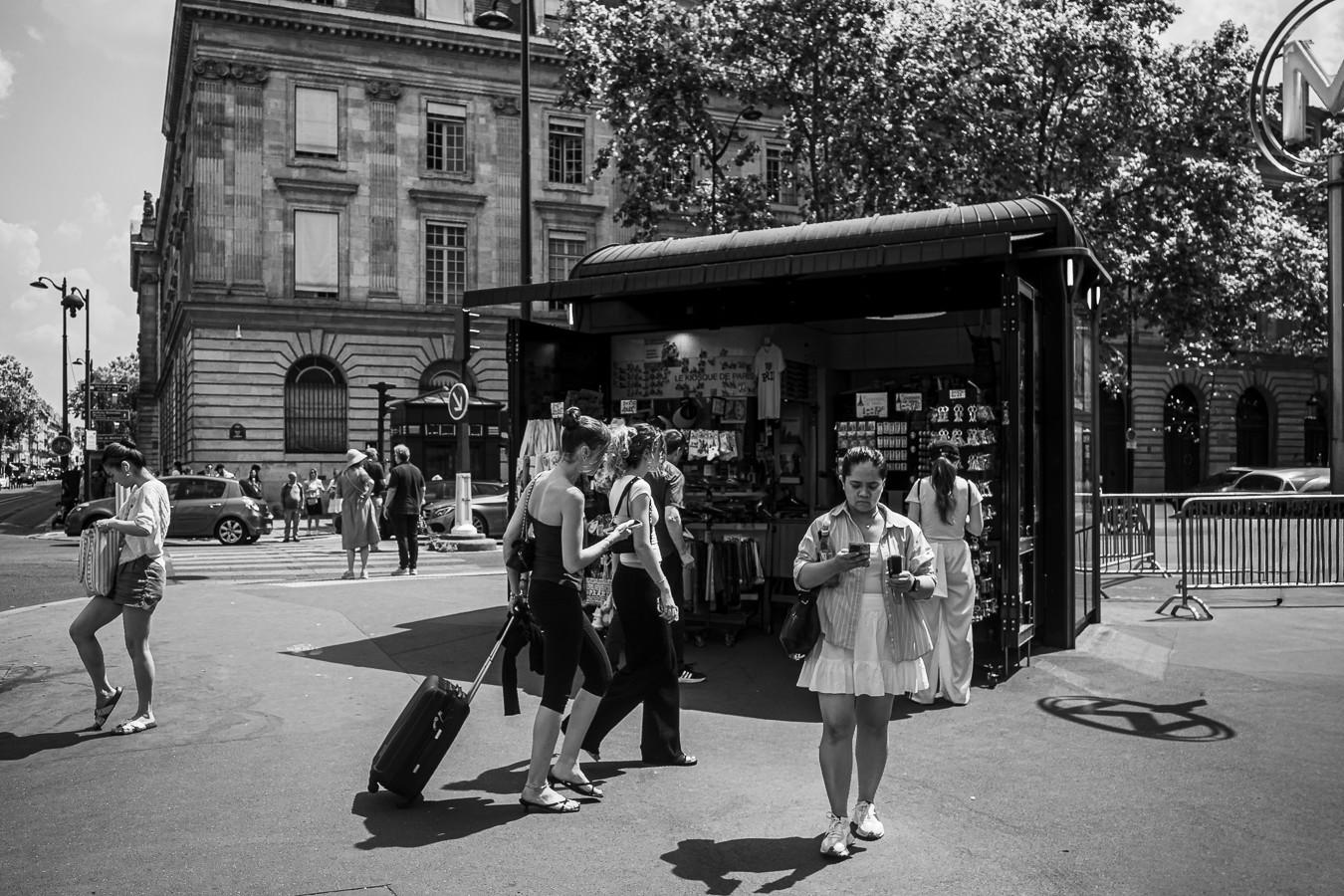
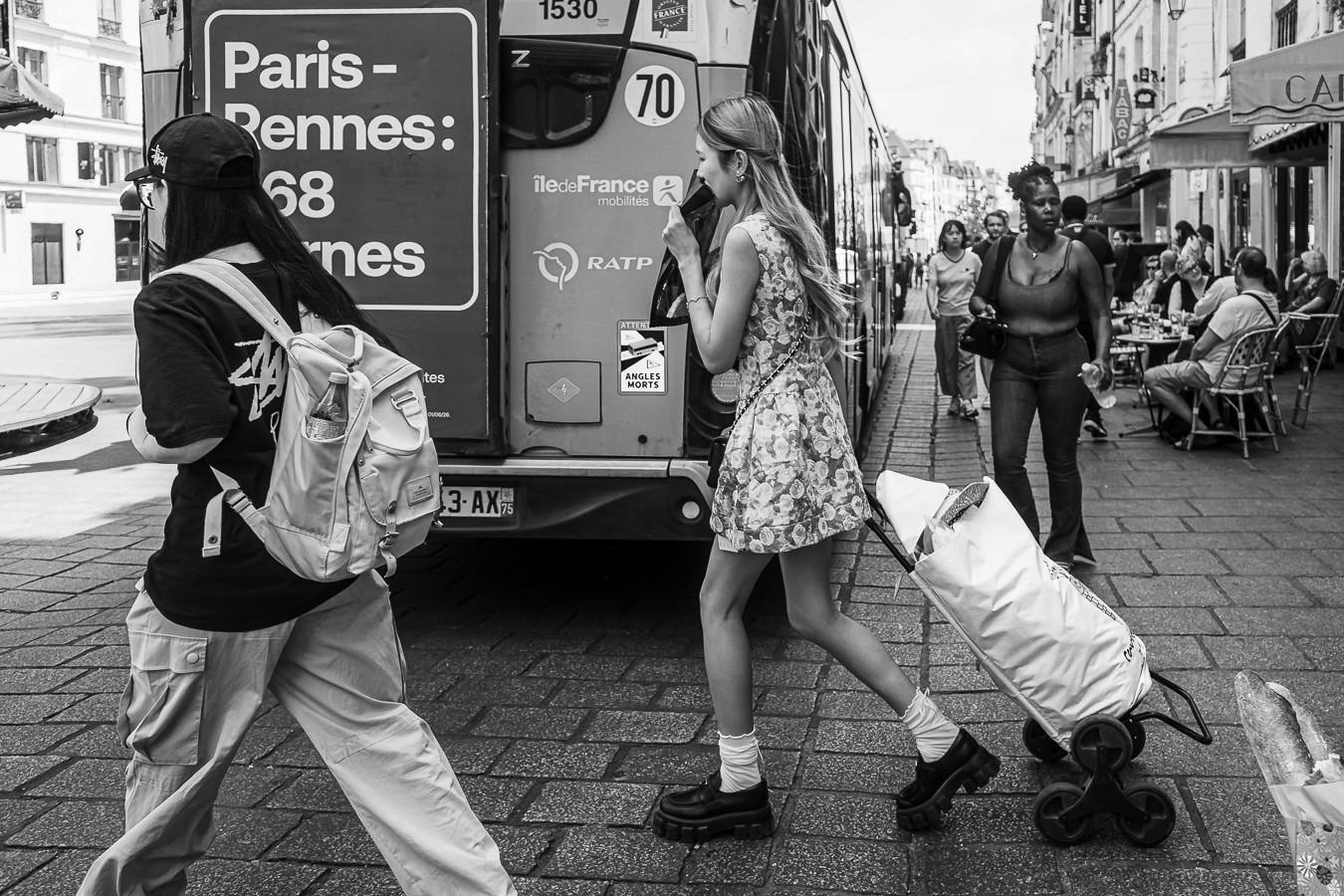
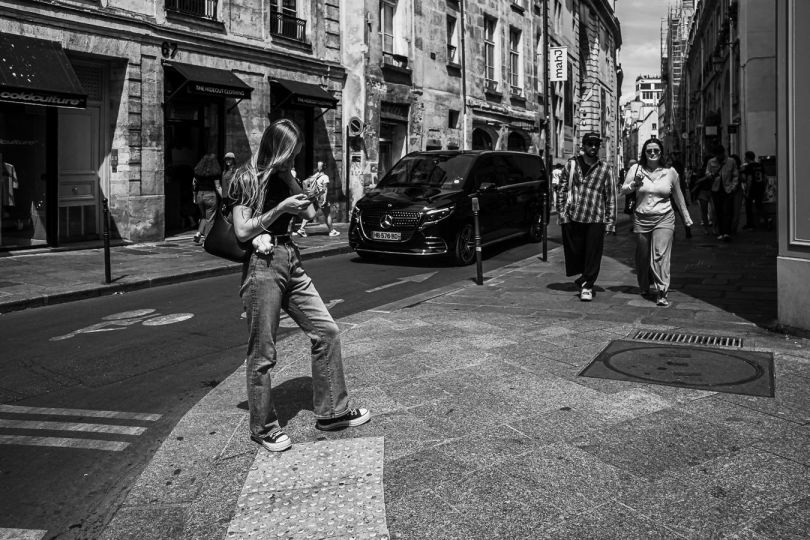
The street is a space in perpetual motion. Thousands of paths cross there every day without ever truly meeting. Everyone goes their own way, absorbed in their thoughts, their work, their appointments or their concerns. Yet it takes just a fraction of a second for a unique scene to emerge. A glance, a gesture, a light, a silhouette or a coincidence is enough to transform an ordinary moment into an image rich in meaning.
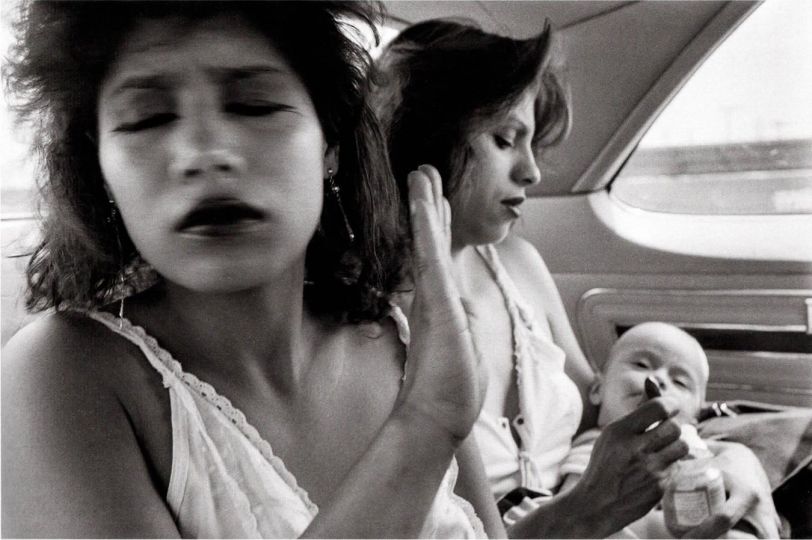
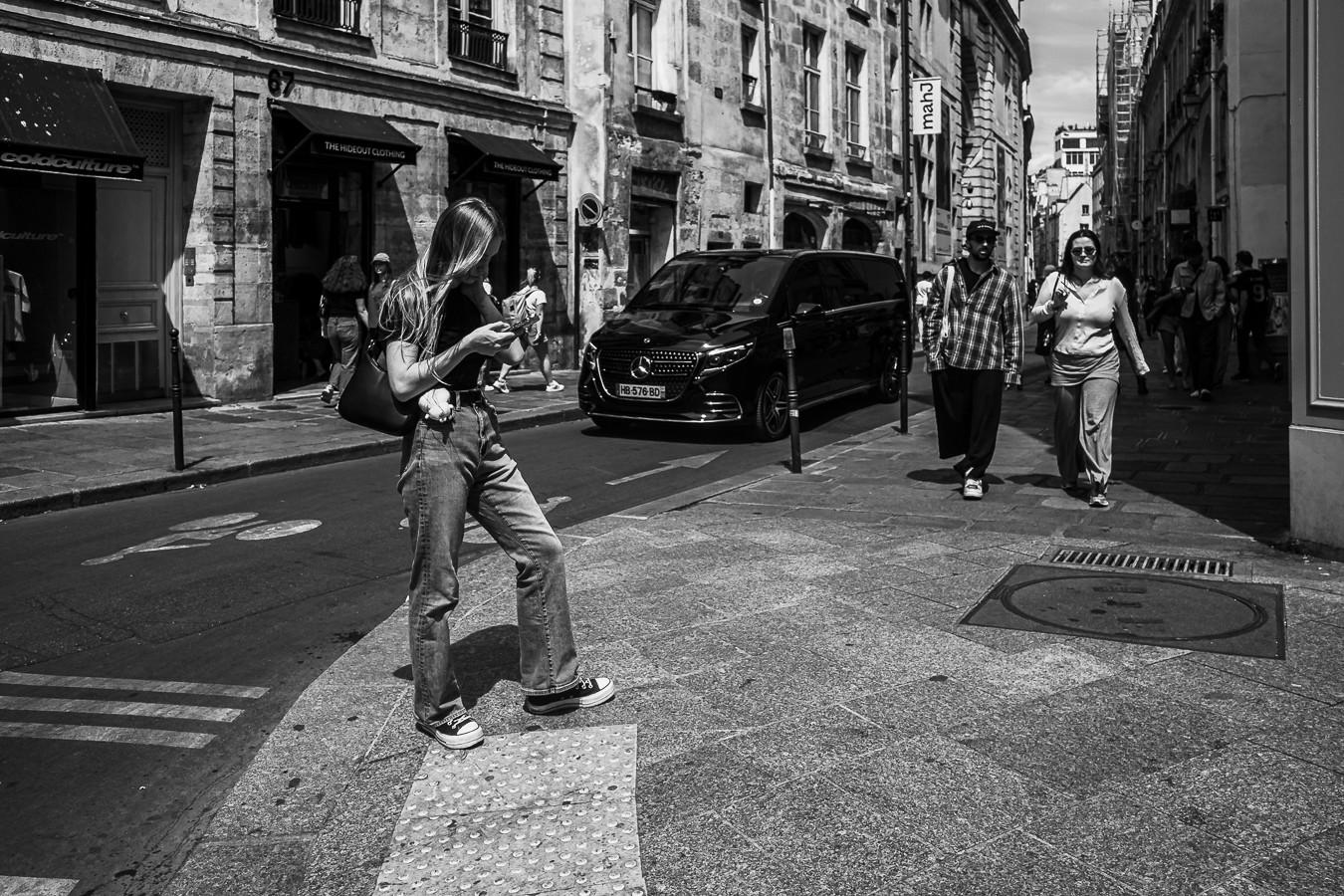
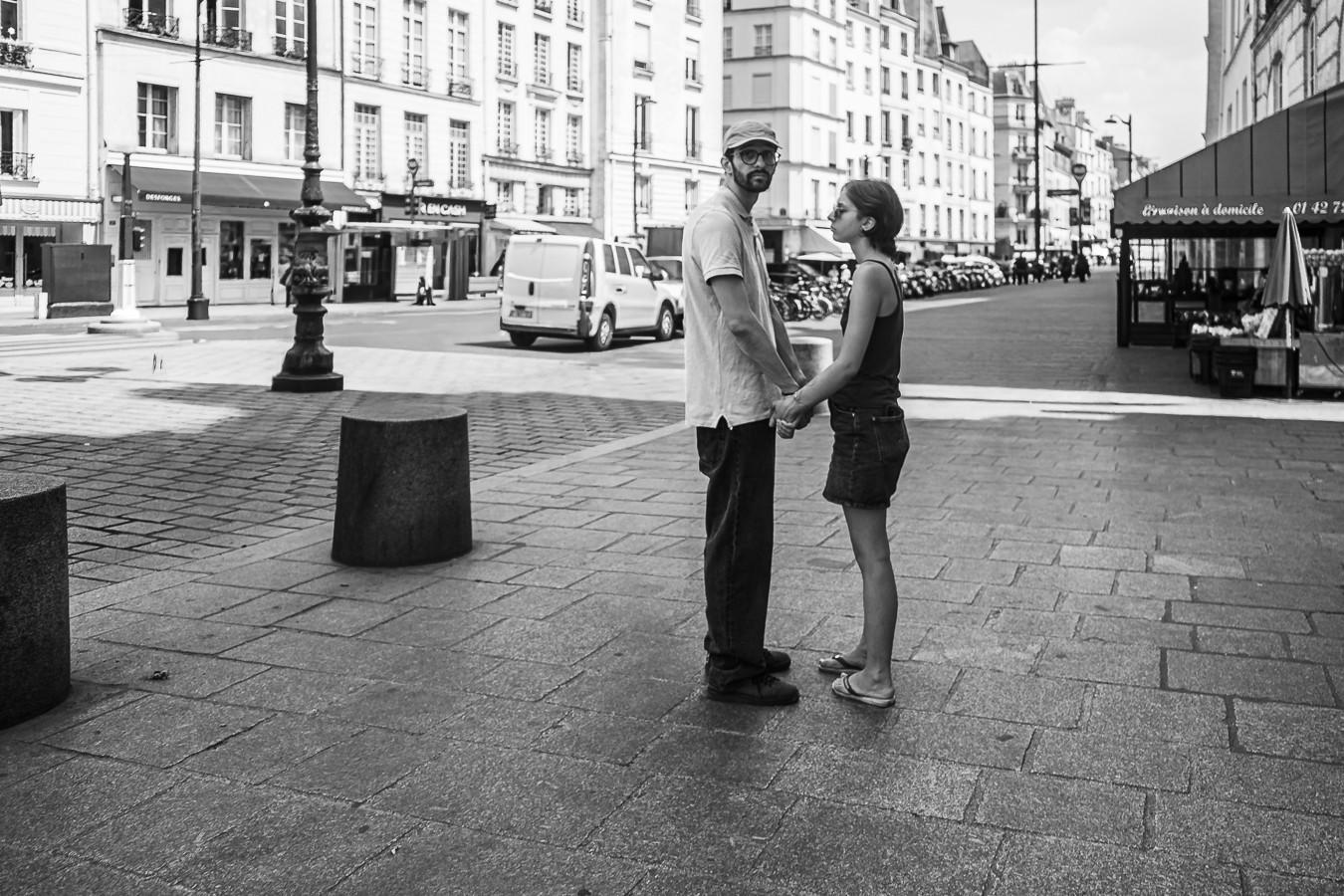
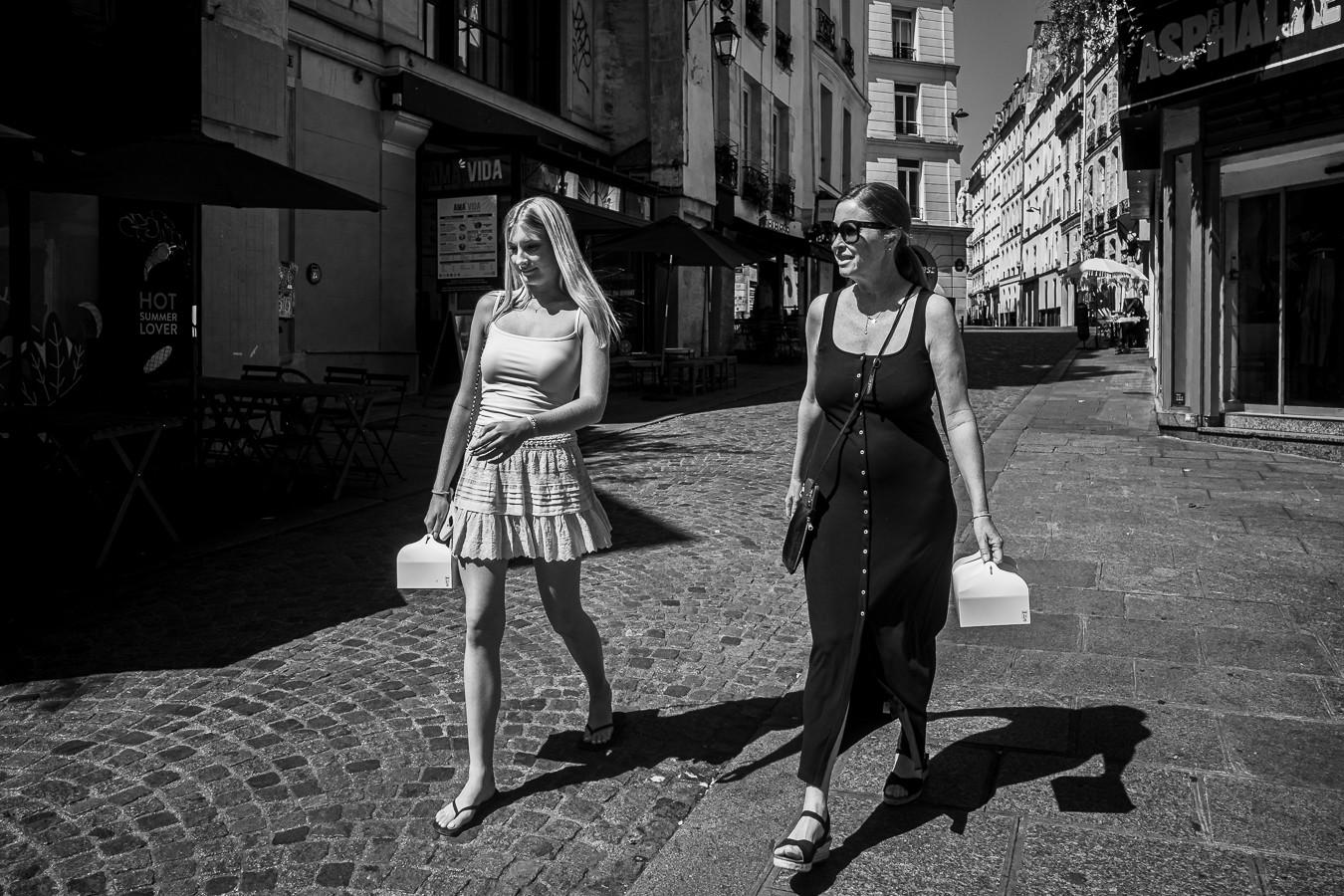
What interests me is not the spectacular event. On the contrary, I seek out the minute, the almost invisible. I love those moments when chance creates a composition that no one could have imagined. Two strangers seem to be conversing without knowing one another. A shadow responds to a silhouette. A detail suddenly takes on unexpected significance. Photography then reveals relationships that exist only within the frame.
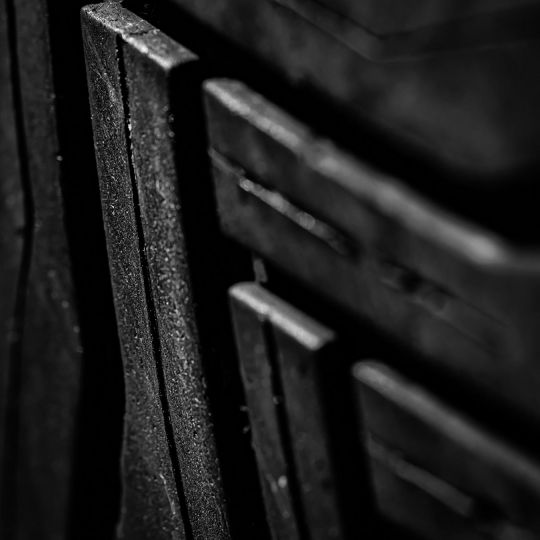
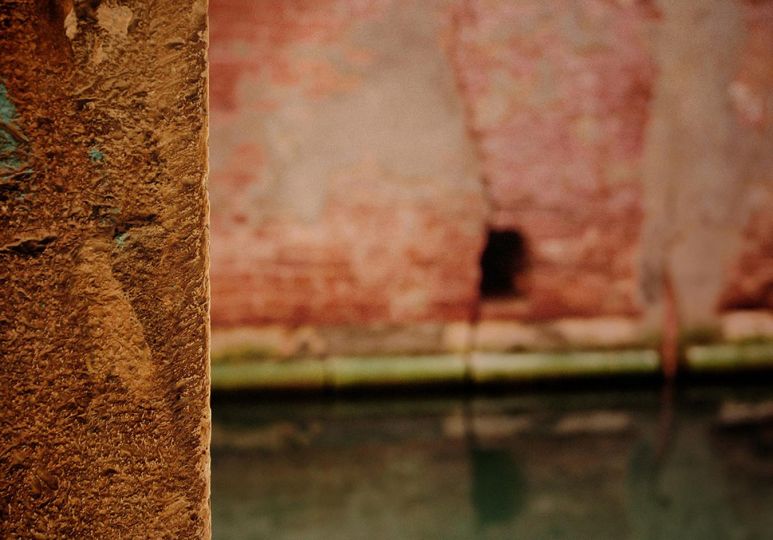
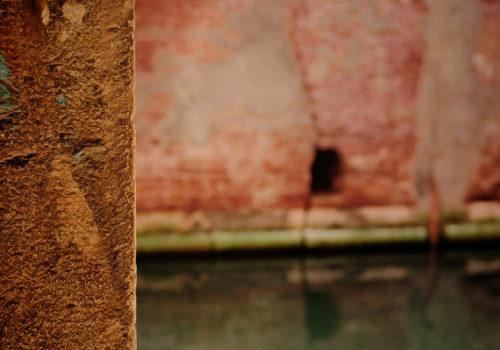
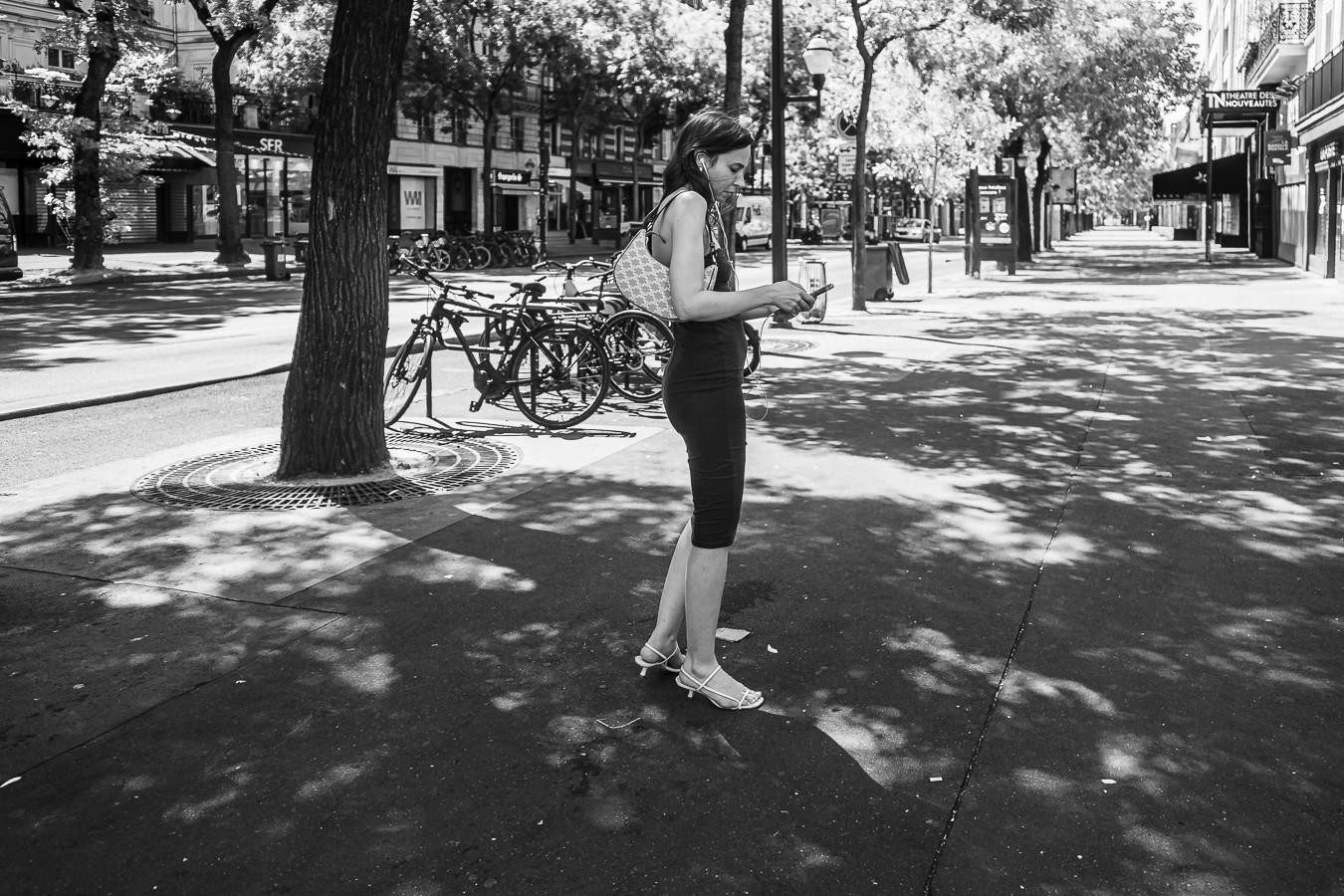
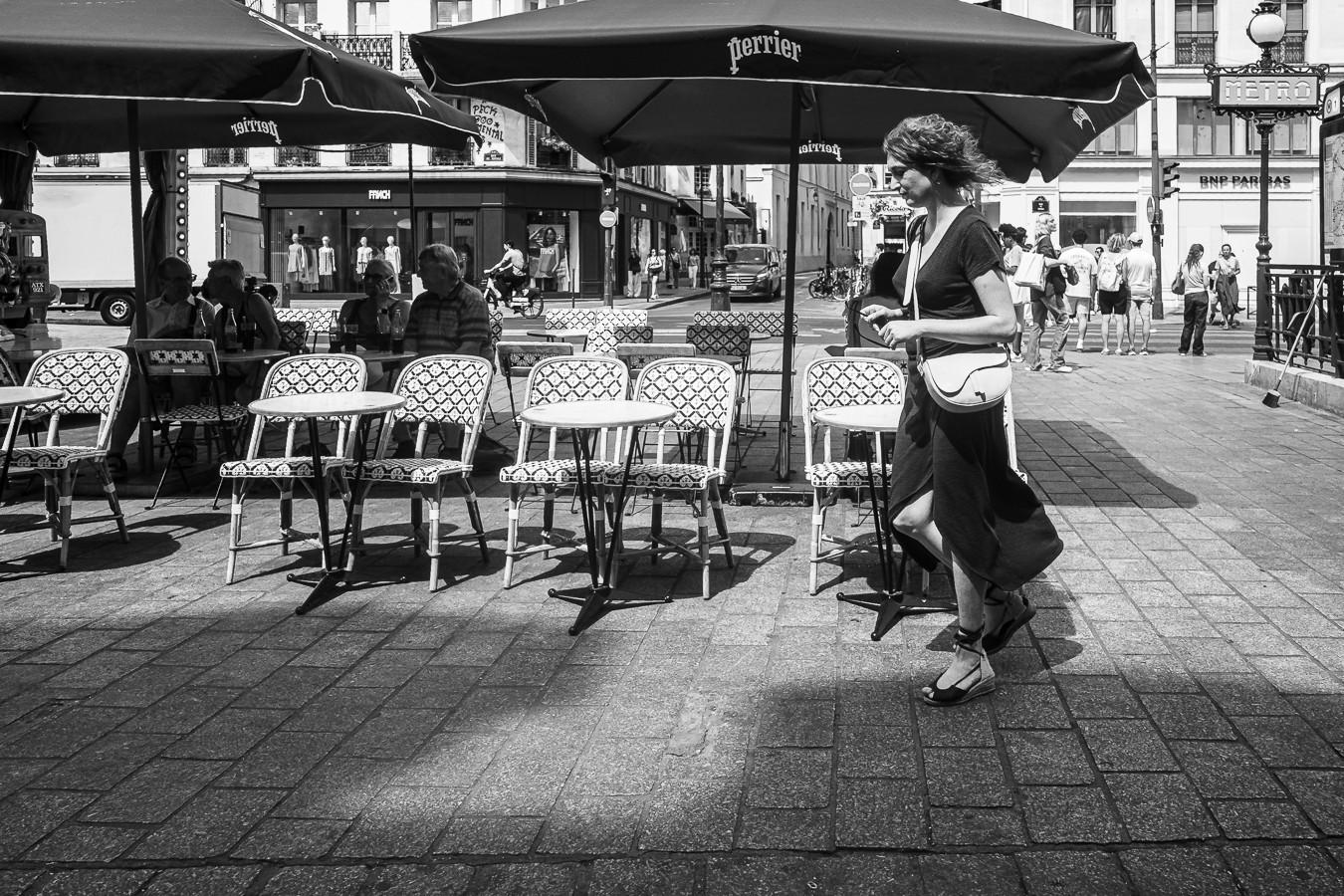
Light plays an essential role in my work. It does not merely illuminate subjects; it sculpts space, alters volumes, and transforms an ordinary scene into a more enigmatic image. It has the power to conceal as much as it does to reveal. Every hour of the day offers a different language, and it is often this light that guides my steps rather than any specific location.
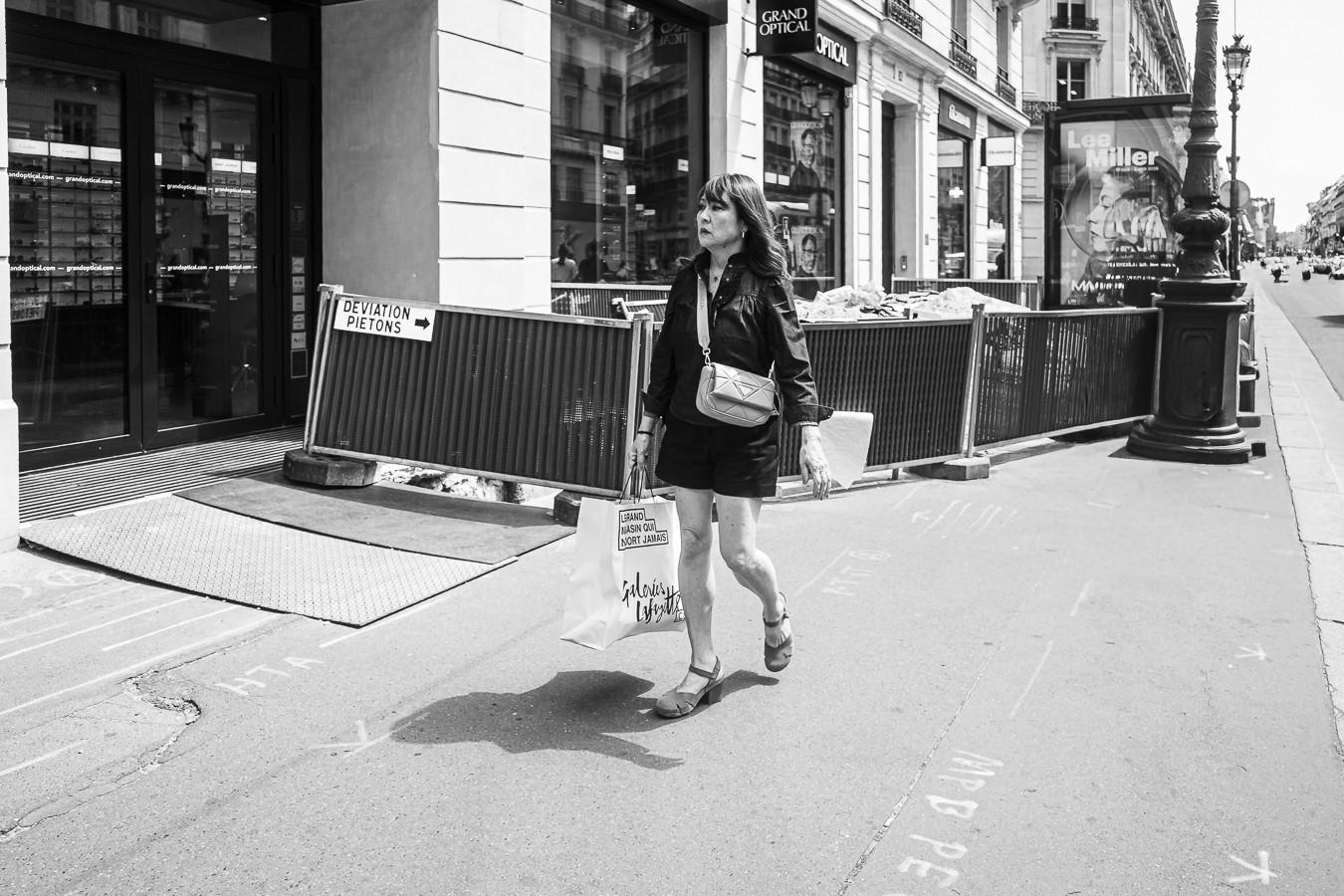
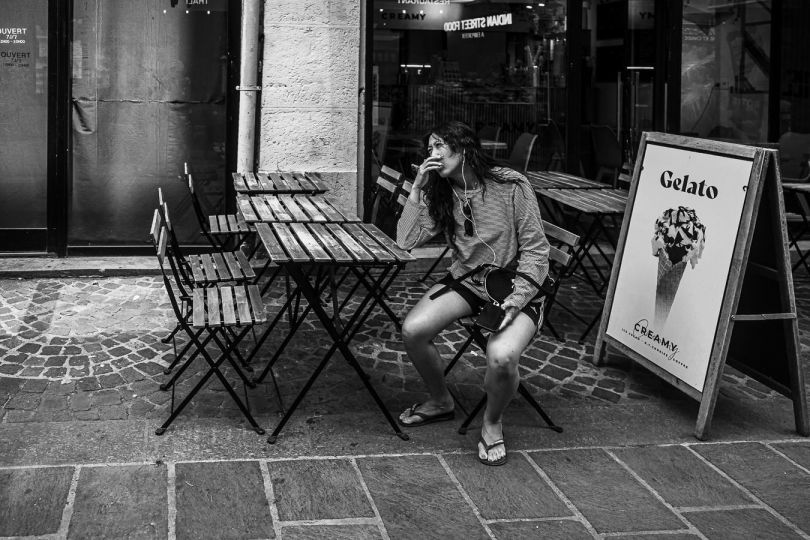
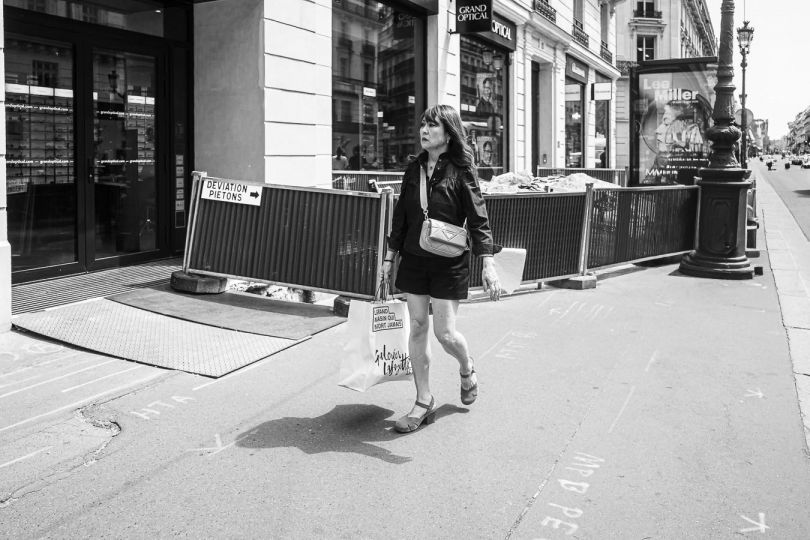
I also enjoy observing the seasons. They profoundly alter the rhythm of the city. Winter draws people inwards; spring opens up their faces; summer transforms the streets into meeting places. The terraces fill up, clothes become lighter, and movements more free. Women, through their elegance, their gait or their presence, often occupy a prominent place in my photographs. It is never a quest for seduction. They simply embody an expression of movement, light and urban life.
Photography is often regarded as a faithful record of reality. I believe, on the contrary, that it is an interpretation. The camera does not reproduce reality; it transforms it. The choice of framing, focal length, moment, light or black and white constructs a personal interpretation of the world. What a photograph shows is never the whole truth, but the encounter between a fragment of reality and the photographer’s gaze.
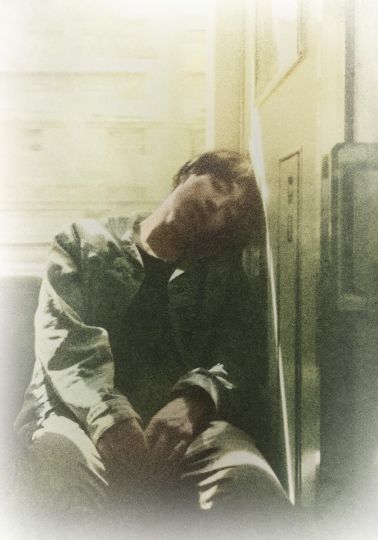
I observe the flow of people as one might observe a living landscape. Groups, couples, solitary figures, workers, couriers, the privileged, the most vulnerable: everyone takes part in an ongoing choreography of which no one is truly the director. I do not seek to judge these lives or to tell their stories. I merely attempt to capture the fragile balance that arises between them for the duration of a single image.
Ultimately, what fascinates me about street photography is its ability to reveal the extraordinary at the heart of the ordinary. A photograph does not answer all the questions. It raises new ones. It invites the viewer to extend the story, to imagine what came before or what follows, to construct their own interpretation.
It is in this space left to the imagination that, in my view, the true richness of street photography lies.