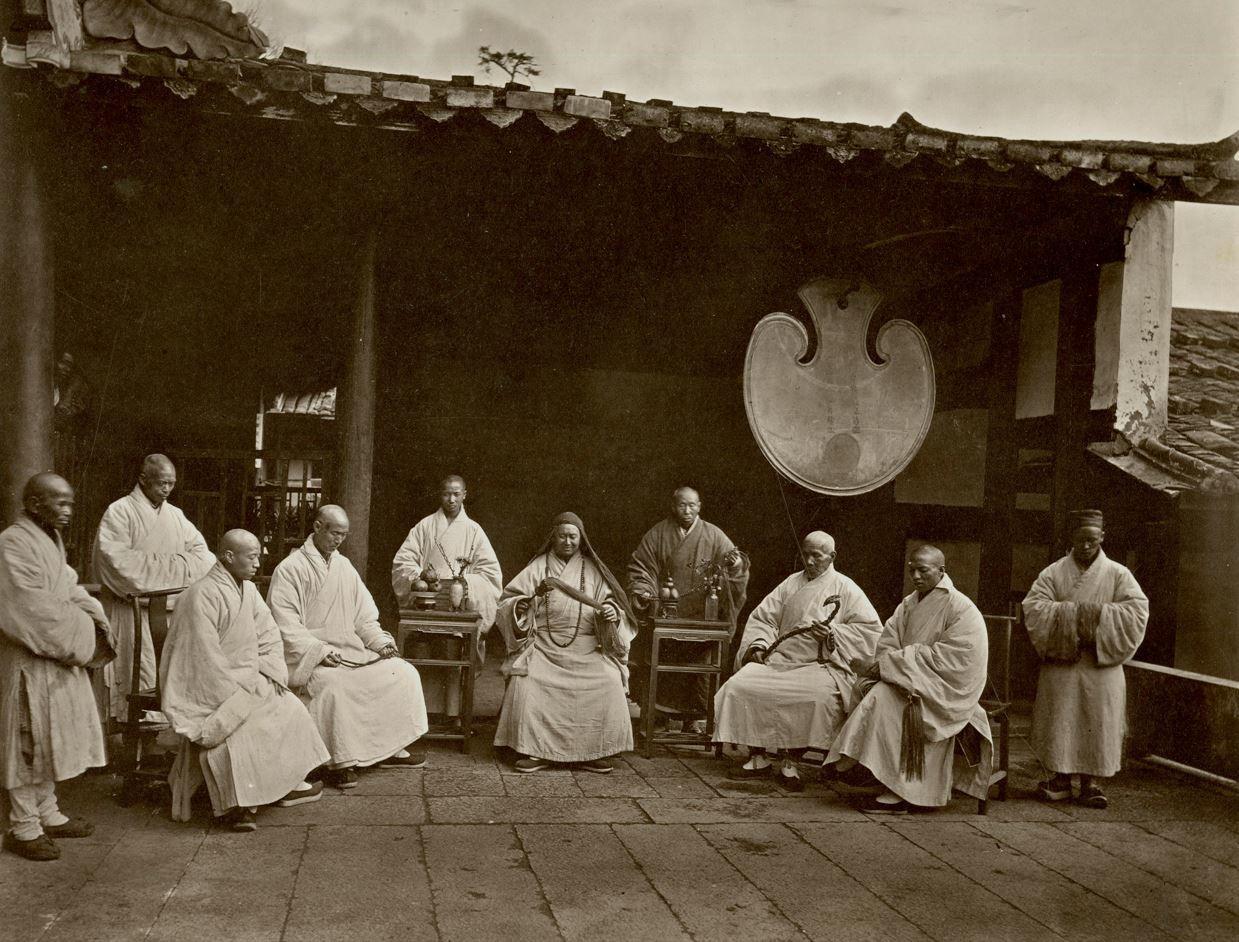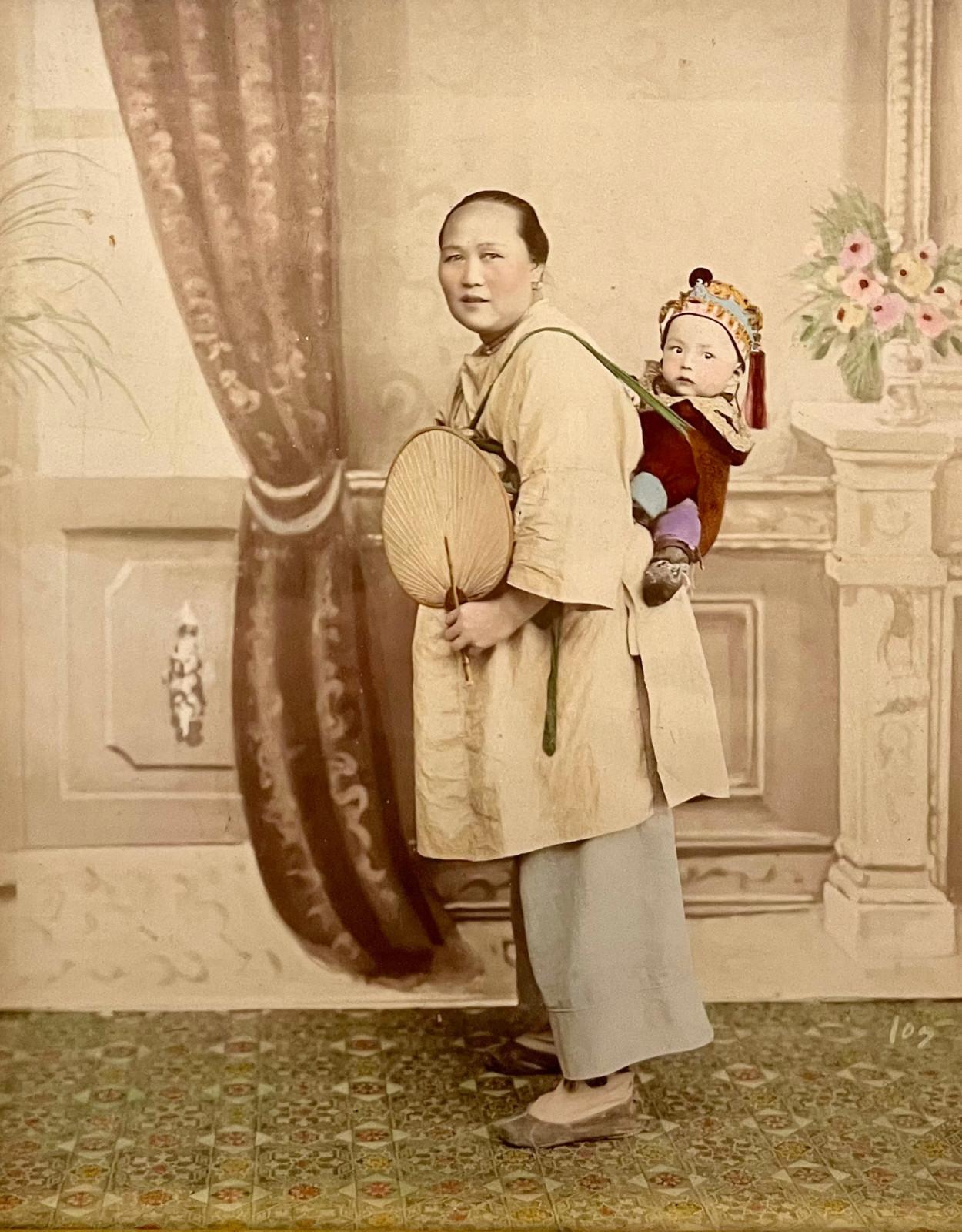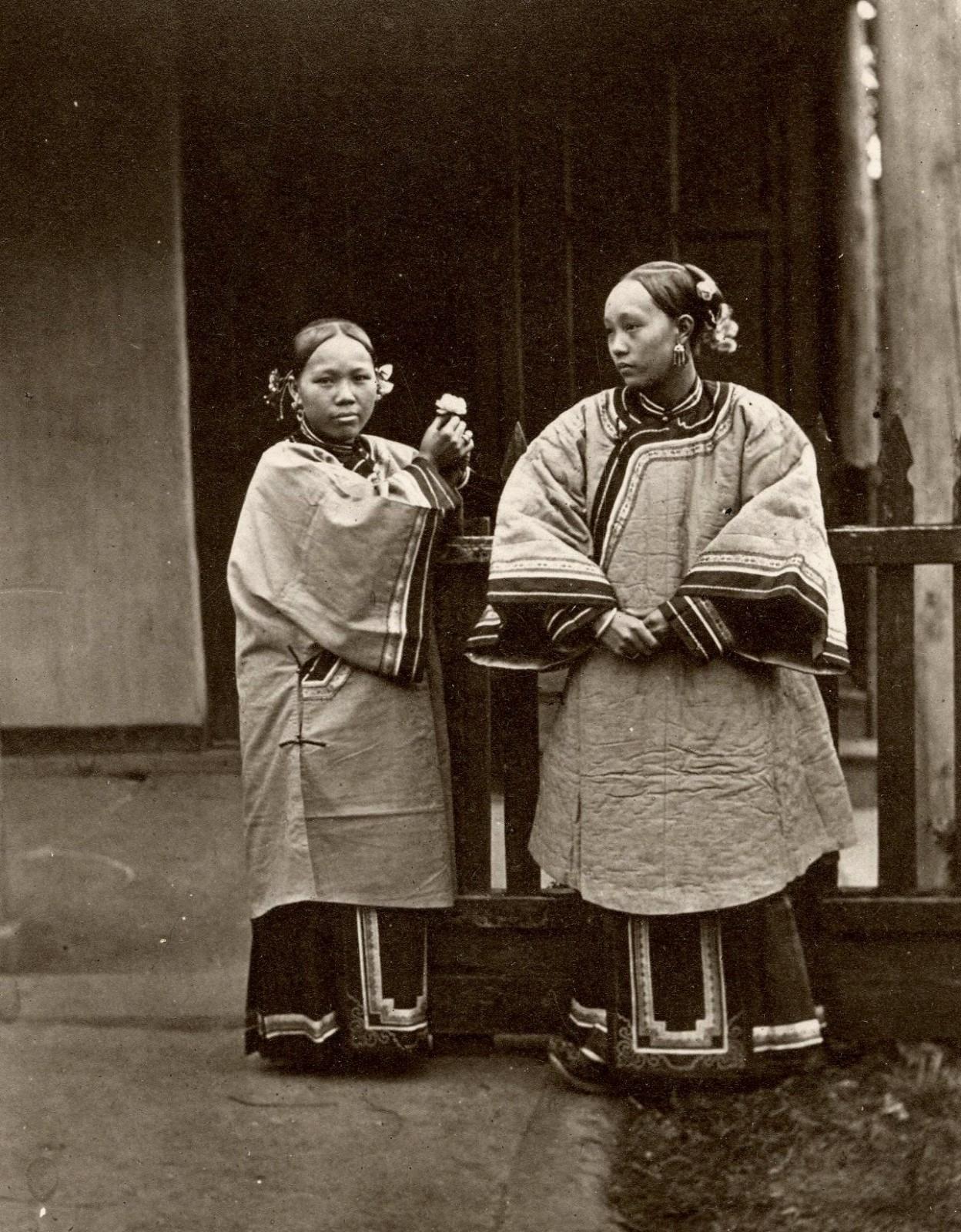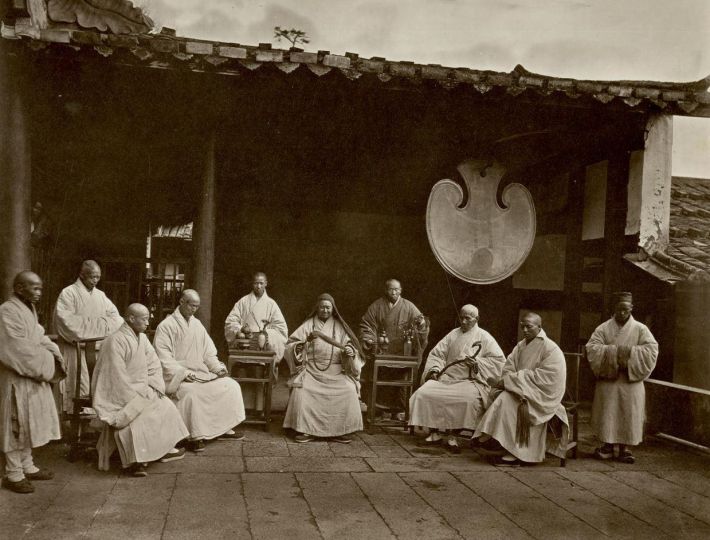
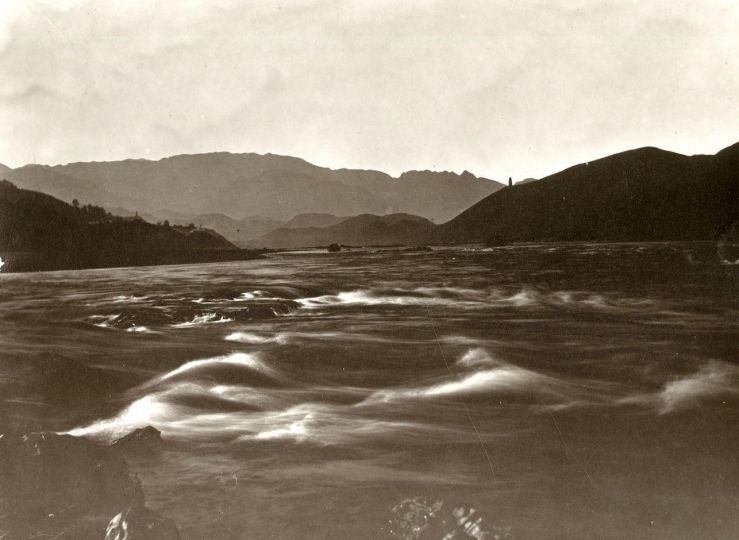


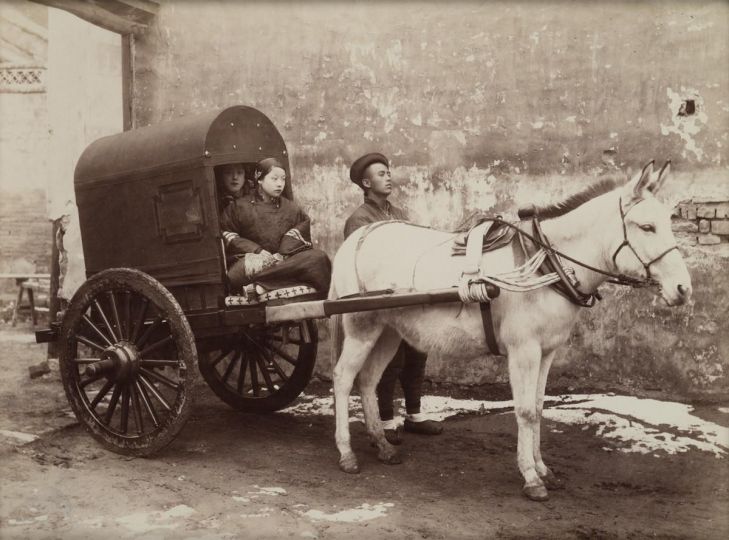


More than thirty years ago, American antiquarian Stephan Loewentheil began assembling what has since become the world’s most extensive private collection devoted to nineteenth-century Chinese photography. Today, the Loewentheil Photography of China Collection stands as a monumental visual treasury: a vast archive revealing a civilization caught at the threshold of modernity.
With nearly 14,000 images, the collection offers an immersion into imperial China, from the earliest paper prints of the 1850s to the twilight years of the Qing dynasty in the early twentieth century. It charts the country’s entry into the photographic era and captures a society undergoing profound shifts, seen through the lenses of both anonymous practitioners and some of the era’s most celebrated figures: John Thomson, Thomas Child, Liang Shitai, William Saunders, and Ernst Boerschmann.
Among its most remarkable holdings is the unparalleled group of more than four hundred photographs by Lai Fong (1839–1890), one of the great masters of nineteenth-century Chinese photography. His studio attracted prominent figures from China and abroad, serving as a training ground for a generation of photographers whose work would help define the visual identity of the late Qing.
The collection’s treasures include a rare album by the Italian-British pioneer Felice Beato, containing the earliest known photographic views of Beijing and sweeping panoramas of the imperial city. Equally extraordinary is what is perhaps the world’s finest complete copy of Foochow and the River Min (1873), a landmark of nineteenth-century photography. Created by the Scottish photographer John Thomson — who spent five years traversing China — this album offers a vivid portrait of Fuzhou (or Foochow), then the world’s largest tea-exporting hub, located in the southeastern province of Fujian. It also traces Thomson’s arduous ascent of the Min River, which he navigated for roughly 260 kilometers upriver to Nanping. Printed in exquisitely rich carbon prints, the album was produced in an edition of only forty-six copies.
Beyond their visual splendor, these photographs form an invaluable anthropological record. They open a window onto daily life and cultural practices in a rapidly changing China: bustling markets and streets, artisans at work, portraits of scholars and officials, sweeping landscapes, monumental architecture, rituals, and traditional garments. Moving between rural hinterlands and emerging urban centers, each image contributes to the portrait of a nation on the verge of seismic transformation.
Taken together, these photographs compose a singular visual archive of nineteenth-century China : an essential resource for understanding the cultural, social, and historical foundations upon which modern China has been built.
Zoé Isle de Beauchaine
More information