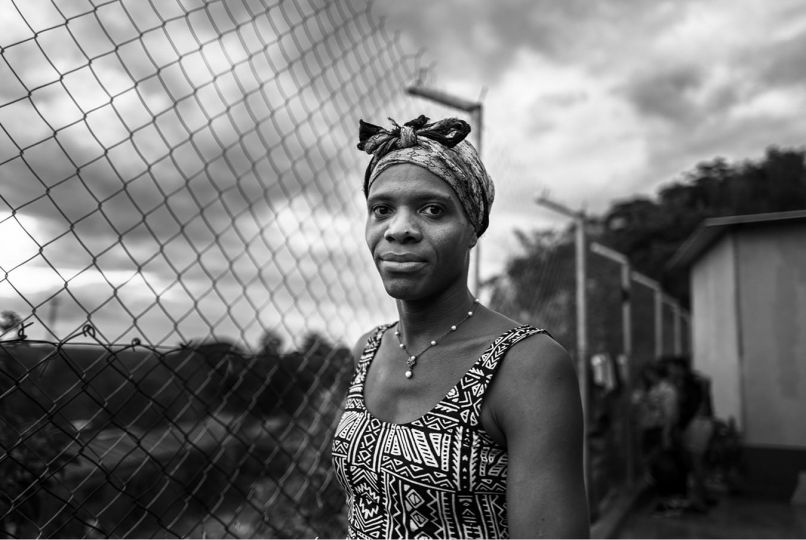
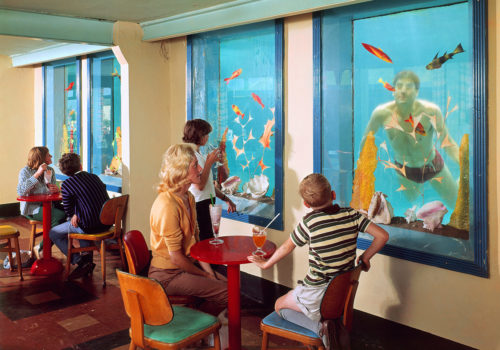
While it marks the start of winter in Aotearoa (the Māori name for New Zealand), the month of June in Auckland is synonymous with the celebration of photography.
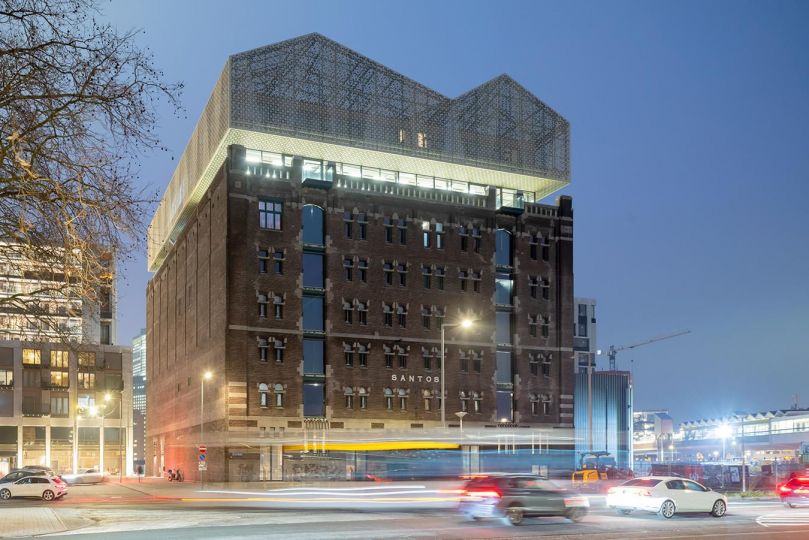
Since 2004, the Auckland Festival of Photography has taken over the city’s streets and some of its most distinctive buildings: a disused silo with a brutalist vibe, the neo-Gothic John Kinder House that transports us to the country’s colonial past, the harbor promenade, and the stunning Auckland Art Gallery. Our correspondent, Zoé Isle de Beauchaine, shares her highlights from this 22nd edition.
This year’s theme, “Sustain” (Tautīnei in Māori), invites photographers to explore the many dimensions of sustainability—through environmental, social, cultural, and aesthetic lenses. For Julia Durkin, founder and director of the festival, it is about “reflecting on our collective responsibility. What story are we telling? What questions are we raising? What vision are we offering for a world in which humans, animals, and ecosystems coexist and thrive? We want to encourage a sense of support that goes beyond physical needs to include the moral and ethical foundations that connect us to everything around us.”
Participating artists responded with a wide variety of approaches. At the Silo Park, Japanese photographer Hiroaki Hasumi chose to reveal the “hidden side” of modern energy policies, showing how mega solar farms contribute to deforestation. In that same venue, Ukrainian duo Roman Butym and Pavlo Kyryk use recycled furniture to stage absurd urban scenes in the streets of Krakow, Poland.
In a completely different vein, respectively at the Sanderson Contemporary and the National Museum of the Royal New Zealand Navy, Kate van der Drift and Linda Jarrett address environmental issues through experimental photographic processes. In Dance, Dance, created during a residency in Waitawa Regional Park, Kate van der Drift reflects on the transformation of a landscape once damaged by colonialism and industrialization, now undergoing ecological restoration. Her images, reminiscent of lumen prints, are created by directly exposing plants to sunlight and then to herbicides, producing haunting, almost abstract colors. Linda Jarrett investigates the spread of toxic algae—fueled by climate change—by immersing Polaroids in a saline-algae bath and letting the images decay, a poignant metaphor for marine biodiversity at risk. Both artists draw on the poetic power of the photographic process to highlight ecological fragility.
More information