



Over sixteen editions, the Planches Contact festival has turned Deauville into a land of images, a town that thinks about images as much moving pictures(Deauville film festival) as photography. Interview with the mayor, Philippe Augier.
Planches Contact is celebrating its 16th edition this year. Let’s start by going back to the origins of the festival: how did this idea emerge in 2010?
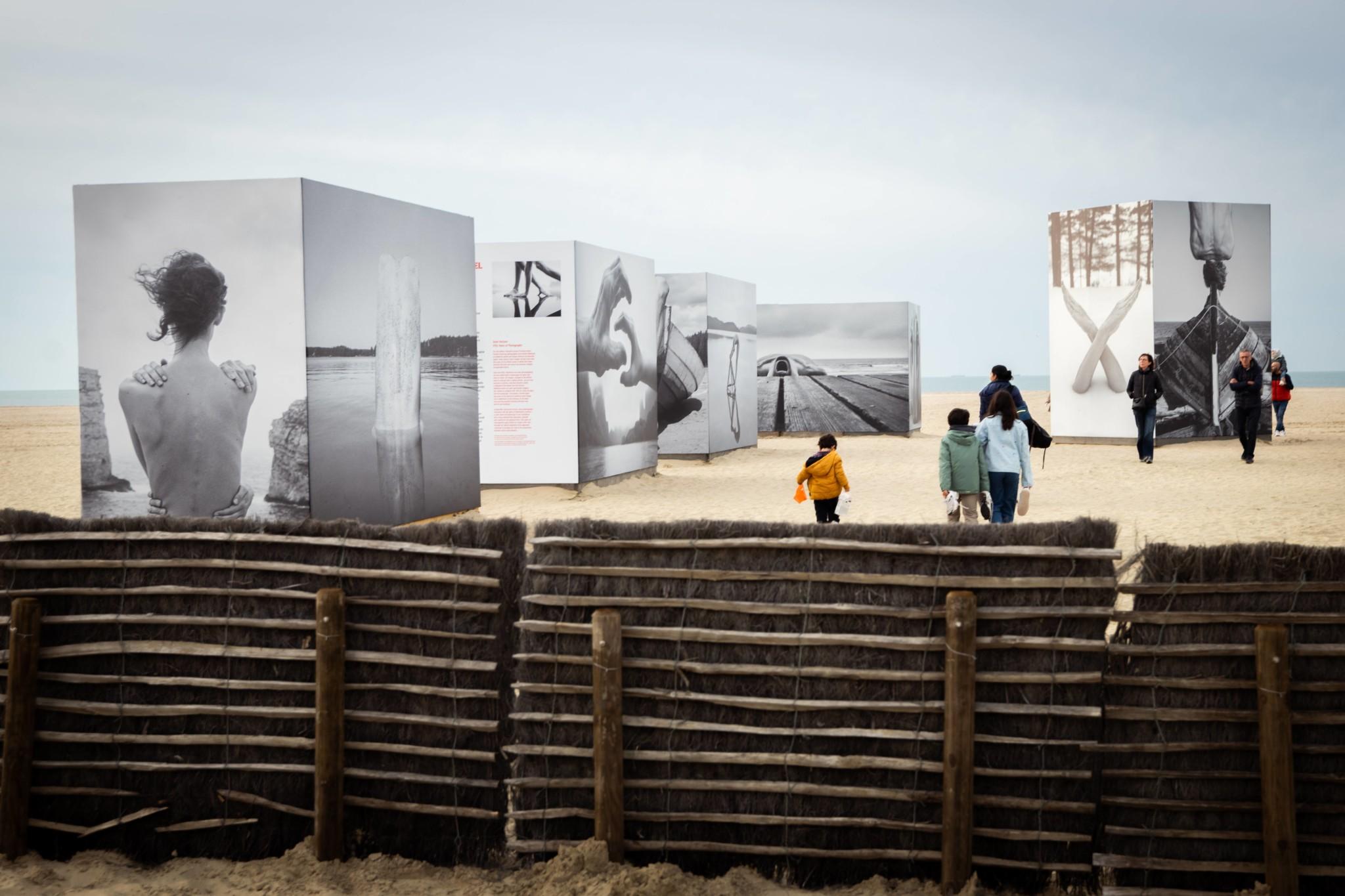
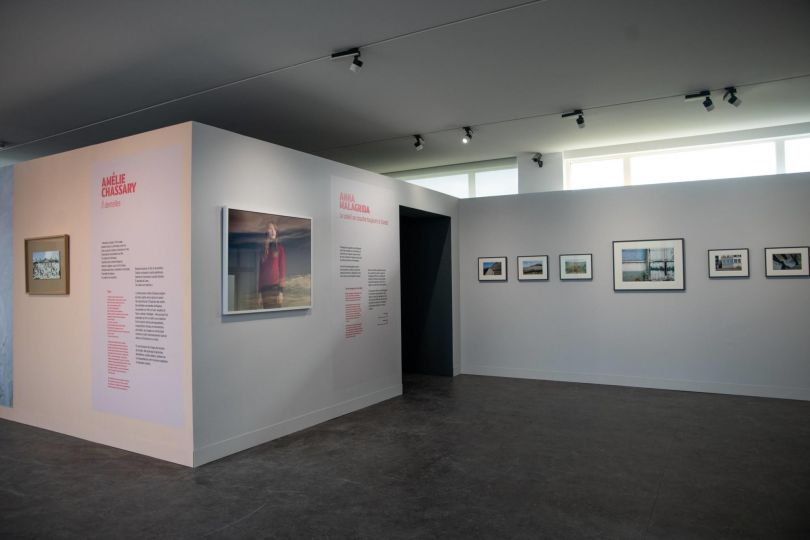
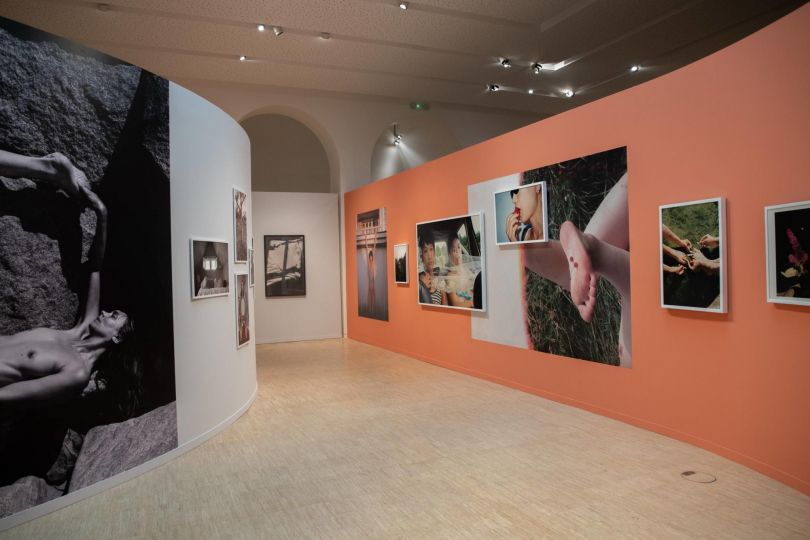
When I became mayor in 2001, I realised that Deauville had been photographed by the greatest names since the very birth of photography. As early as the 1860s, Eugène Villette was already photographing the villas under construction. And yet, the city owned virtually no archives: no images, no recognition of its history through photography. So I began by acquiring historical photographs linked to the town and organising a few exhibitions on the boardwalk with works by major figures such as Jacques-Henri Lartigue and the Seeberger brothers. I also felt it was not enough to preserve the past: we needed to create contemporary images as well. That is how Planches Contact was created in 2010, for Deauville’s 150th anniversary, with a simple and unique concept: the exhibitions shown to the public are produced on the territory itself, with the exception of one major annual retrospective. Nearly twenty exhibitions, both indoors and outdoors, are presented throughout the city.
This on-site creation approach, supported for several editions now by residencies at Villa Namouna, remains the festival’s DNA today? Absolutely. At the beginning, the residencies took place only in Deauville, then they expanded to the entire Normandy region, from the coast to inland. We also wanted to prepare for the future, which is why we created the Emerging Talent Award, initially aimed at students from major European art schools. Now the selection is made by application, and this year we received around 300 submissions. This identity was shaped from the outset by Bettina Rheims, who advised me, and by the festival’s first artistic director, Patrick Rémy.
The festival hosts both established photographers and emerging talents in residency. How does this programme work?
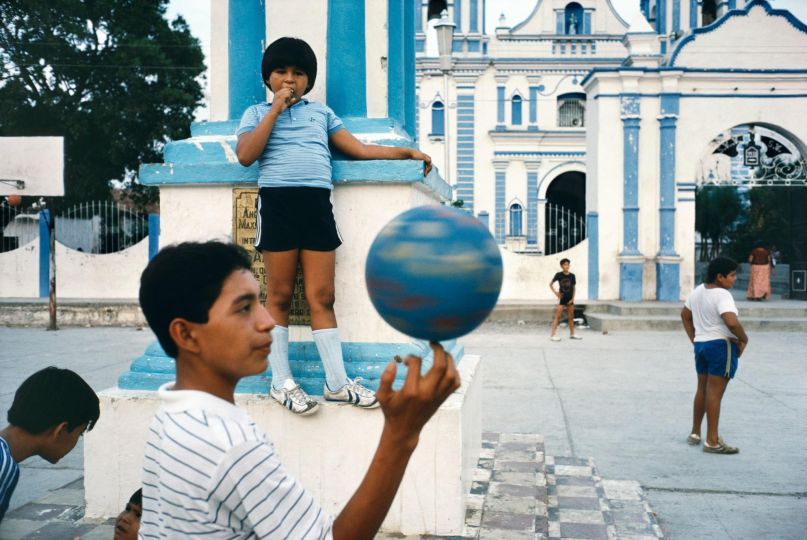
The principle is clear: we pay the artists, we produce their exhibition, the prints and the framing. In return, they leave us a number of works at the end of their residency. This has enabled us to build an exceptional museum-level photographic collection with more than 2,000 works. Some photographers, such as Kishin Shinoyama, left far more images than expected. Larry Fink gave us the entirety of his exhibition. Paolo Roversi, Charles Fréger and Harry Gruyaert have also enriched this heritage.
You also have a personal relationship with photography.
Yes, I have been collecting for a long time, especially portraits of famous women taken by great photographers. Photography has always played an important role in my life.
Les Franciscaines, inaugurated in 2021, have become a central element of Deauville’s cultural policy. How did this place come into being?
I come from a very modest family in which culture had no place. I always promised myself that if I ever had the means to take action, I would make culture accessible to everyone. At first, I imagined a media library with a performance hall. The 2008 crisis halted the project, but we had already started the acquisitions. Later, we had the opportunity to purchase the site of the Franciscaines. It is a huge space. I then had the idea of bringing together the entire cultural offering museum, media library, auditorium, fablab, digital museum ensuring that everything would function transversally. Today, visitors move freely between books, exhibitions, screenings and social spaces: it is a truly open cultural home. Everything is free, including for children, except for major exhibitions.
Lionel Charrier and Jonas Tebib have taken over the artistic direction of the festival. Did you give them any specific guidelines? I told them: invent, but respect the festival’s DNA. They introduced new elements, such as thematic programming. This year, the festival’s theme was built around the idea of “Intimacies”. They also created a residency awarded to the winner of the Emerging Creation Prize, which in 2025 will include an exhibition at the InCadaqués festival and a residency at Villa Pérochon, the Centre for Contemporary Photographic Art in Niort. They also commissioned Myriam Boulos project in Beirut, while remaining within the logic of artistic commissions.
You want to create more vibrancy around the festival. What do you mean by that?
This year, for example, the Saturday night party at Les Franciscaines was incredible. The bleachers had been removed and the venue was transformed into a festive space until 3:30 in the morning. Photographers, journalists, institutional leaders — everyone was there. These are moments that bring a community together. We are also developing portfolio reviews: this year, they took place directly at Villa Namouna, where the invited photographers were staying. This creates a family-like atmosphere that is very stimulating for young artists.
Festival Planches Contact 2025
October 18, 2025 – January 4th, 2026
planchescontact.fr