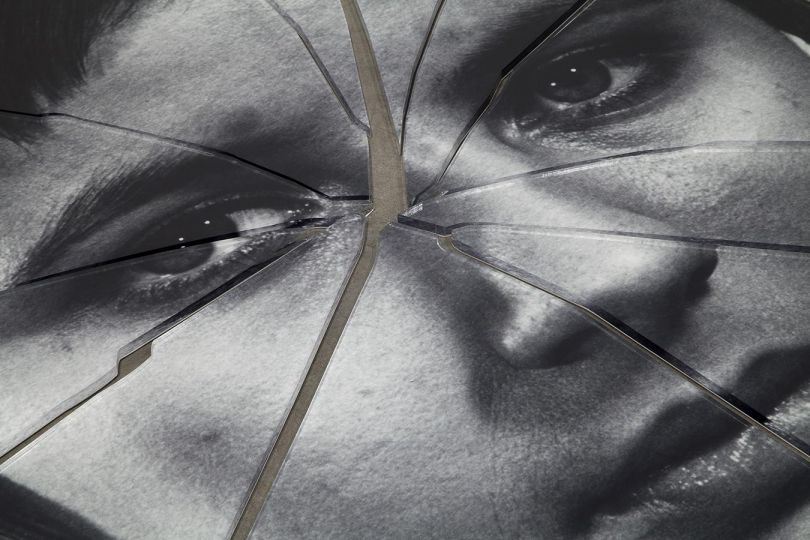
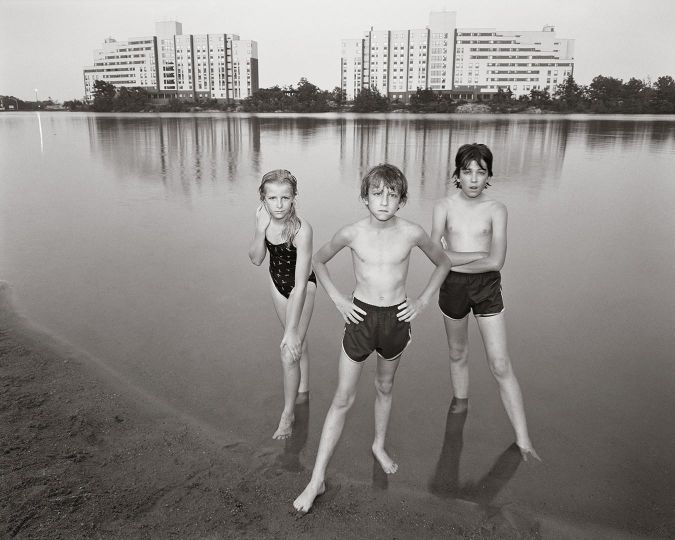
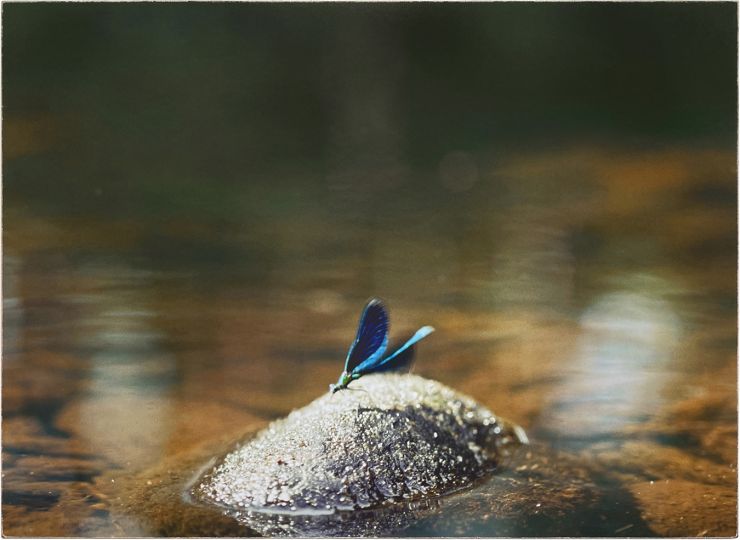
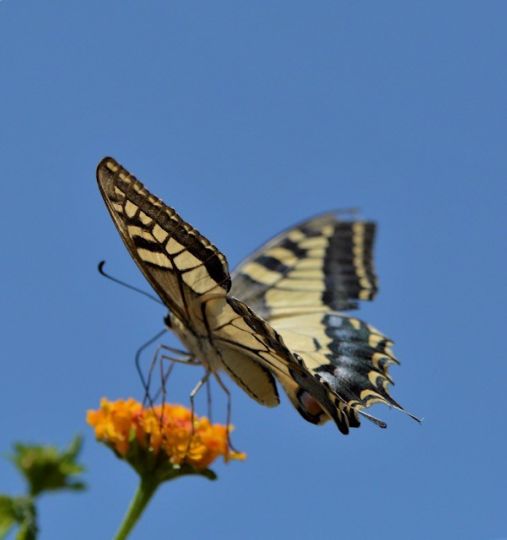
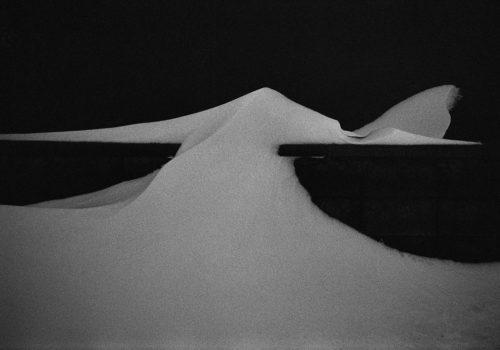
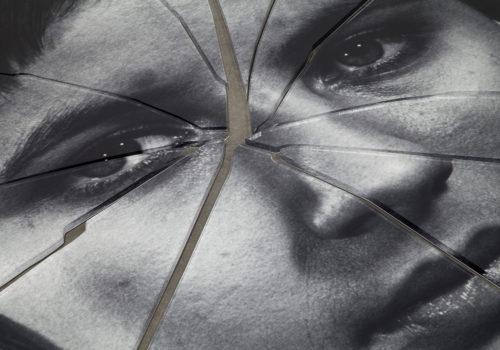
This is the most unusual portfolio of the week.
It is by Emma Nishimura and is titled “Etchings of Memory, Threads of Resistance.”
We found it in MELD, the international edition of the Canadian photography magazine photoED. Here is how it is presented:
Inside a box labelled “Baachan’s sewing patterns,” artist Emma Nishimura uncovered the quiet remains of a life shaped by displacement. Hidden in her mother’s basement, the contents included over two hundred miniature garments—tiny dresses, jackets, shirts—each one a mock-up crafted by her grandmother in preparation for real clothing. Among them were drafting books from 1941, carefully annotated with Japanese names and measurements. The dates read 1943. The names belonged to those living with her grandmother in Slocan, a camp in the British Columbian interior where Japanese Canadians were interned during the Second World War.
From these fragments, Nishimura has built Baachan’s Patterns, a series of intricate photo etchings on handmade gampi paper. The work blends memory, printmaking, and storytelling to explore the complex legacy of internment. “I work with archival images and family stories to make sense of the past,” she says. “These pieces are an attempt to bring hidden histories to the surface, where they can be acknowledged and remembered.”
Featured in MELD, the first international edition of photoED magazine, her practice sits within a broader wave of artists who use experimental processes to reflect on personal and political histories. Yet Nishimura’s work carries a singular intimacy. It is not about documentation but transformation. Each sewn piece reimagines memory as something that can be touched, held, and passed on.
The project is rooted in family, but its resonance is wide-reaching. Having grown up with the stories of her grandparents’ wartime struggles, Nishimura doesn’t attempt to resolve their pain. Instead, she chooses to inhabit the space between generations, tracing the outlines of inherited silence. The garments she creates become more than replicas. They are soft monuments to resilience, vulnerability, and cultural survival.
In a time when conversations about migration, belonging, and cultural identity are becoming increasingly urgent, Baachan’s Patterns offers a quiet form of resistance. It invites reflection, not reaction. Through delicate layering and precise construction, Nishimura invites viewers to feel history not as a distant fact but as something stitched into the present.
Her work speaks in whispers, not declarations. But the echo lingers.
See more in PhotoED’s MELD issue.