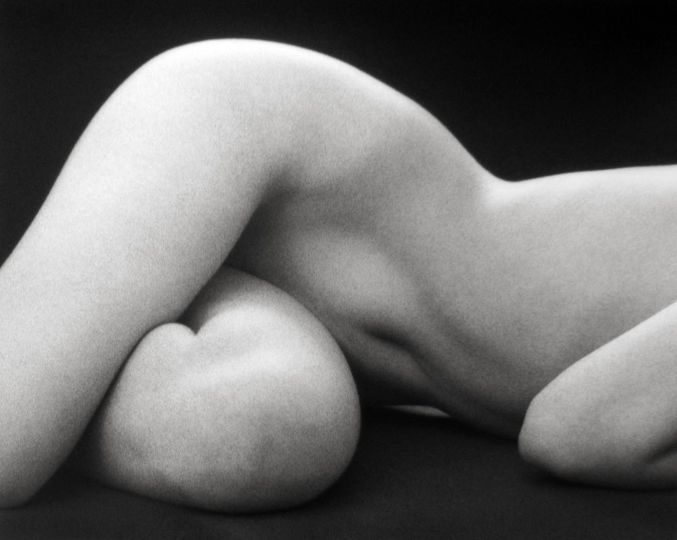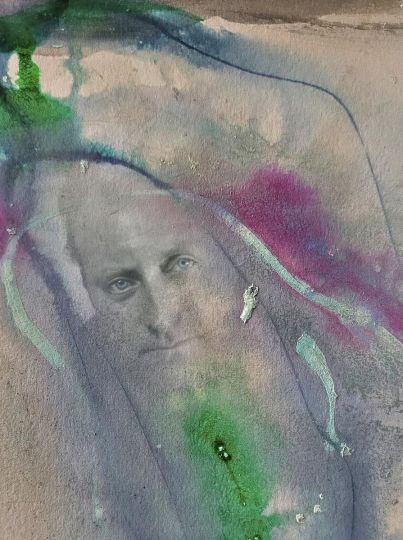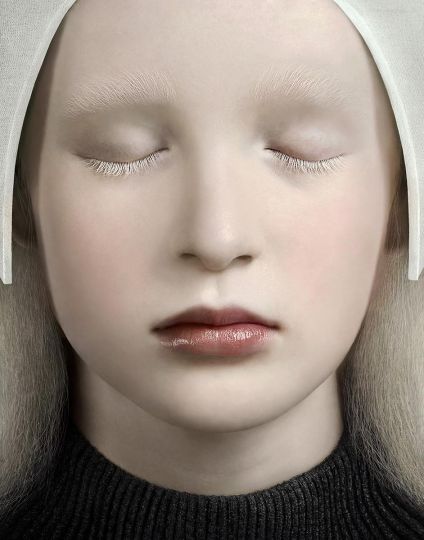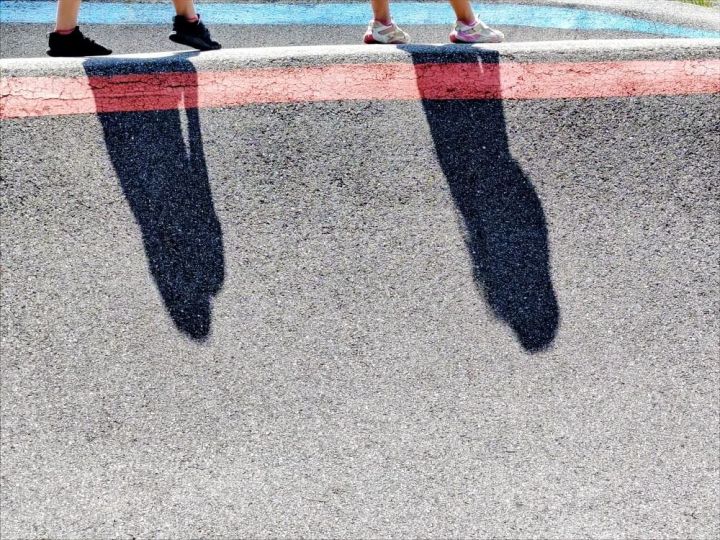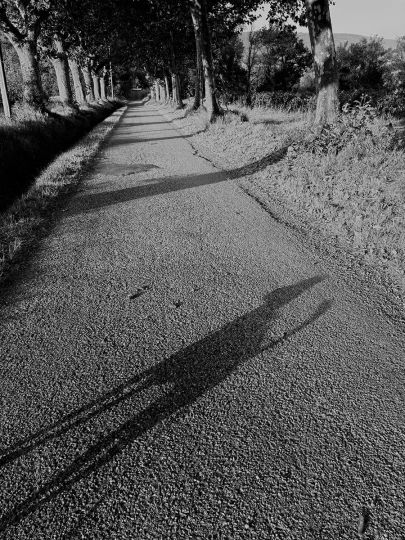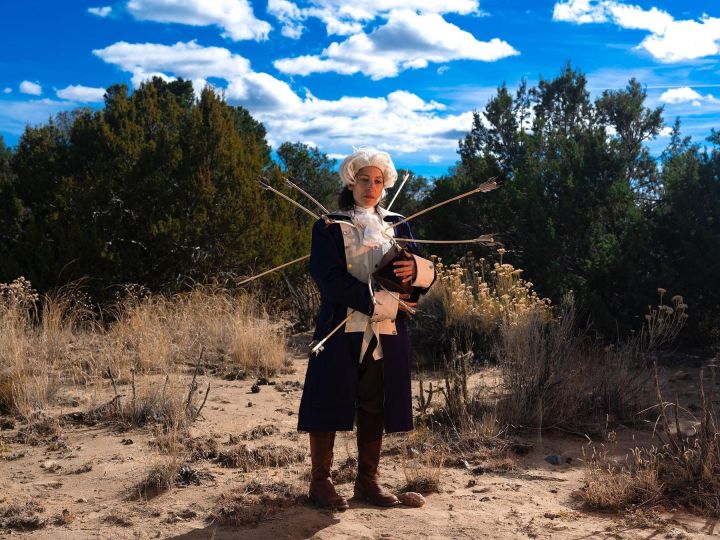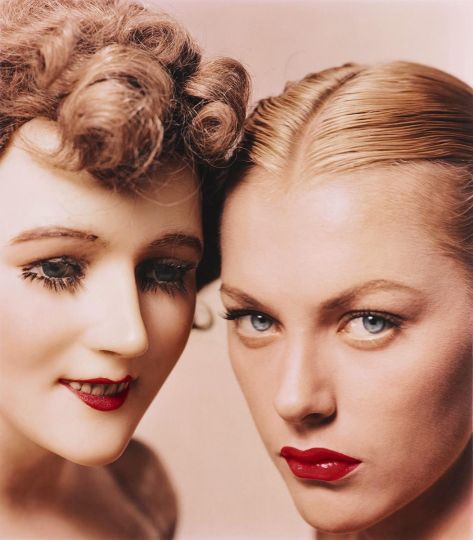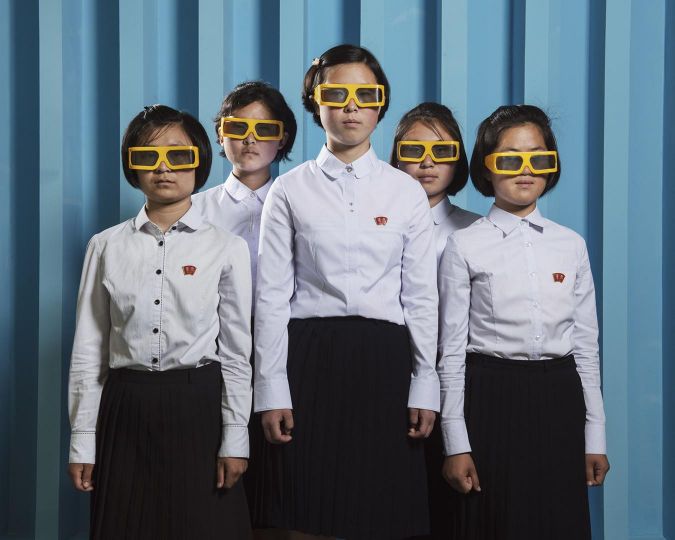
Born out of the belief that photography can be a catalyst for social change, L’Œil parlant brings together six women photographers, artists and a curator in Nantes, inspired by the values of popular education. Through participatory workshops, outreach work with vulnerable groups and collective creative projects, they champion an artistic practice capable of forging connections and bringing about social change. A conversation with Adeline Praud, who founded the collective in 2018, and Cynthia Gonzalez-Bréart, who joined it last year.
What led up to the founding of L’Œil parlant?
Adeline Praud: It goes back more than fifteen years. In 2011, I found myself thrown into a popular education movement called Solidarités Jeunesses. There, I discovered what it meant to work collectively, to embrace a project capable of having a positive impact on society, the bonds that can be forged within an organisation, and growing and learning together.
Were there any experiences that led you to participatory photography?
Adeline Praud: One day, the national representative of Solidarités Jeunesses told me about this way of working. In January 2018, I attended a training course on participatory photography in London, run by PhotoVoice UK. The idea is to no longer be an artist-in-residence but a facilitator, to serve the group and the project we’re creating together. I very quickly saw the potential of this approach and identified people in Nantes who might be interested in setting up an organisation using photography to bring about positive social change. There were teachers, graphic designers, journalists…
How did you manage to build a sense of community around this project?
Adeline Praud: For two years, we worked on community life and spent time together so that I could pass on to them what I’d learnt about participatory photography. Right from the start, it was clear that I wanted this to become a collective space, a tool shared amongst peers, where we could reflect together and where everyone could find their place. It was also a question of making the right choices, with the right people. I really like the fact that we’re mainly women.
You run projects and workshops with vulnerable social groups, in detention centres, in shelters or with support organisations… It’s a genuine commitment, both artistic and social.
Adeline Praud: For me, it’s a conscious choice to embrace my social role as an artist. A prison educator recently told me: ‘It’s not just a photography workshop; you’re putting these young people to work.’ That says quite a lot about the role we can play. For example, we set up the ‘Ouvrir le diaphragme’ project when Armandine Penna passed on to me the call for proposals from the Loire-Atlantique department to combat violence against women. Over the course of a few years, we’ve run three workshops with victims and three with perpetrators.
Cynthia Gonzalez-Bréart: It’s very important to try to create a new ecosystem: to show how art can bring about change, have an impact on society, and also demonstrate that we can take action as individuals.
All of this takes time – not only with our partners but also within the collective itself.
Adeline Praud: It’s absolutely essential, and that’s exactly what we did last week during a one-day seminar. The idea was to share experiences and tools, but also to talk about the challenges we were facing. For example, I said that, during workshops with vulnerable groups, I no longer wanted to be responsible for engaging the participants. It’s different for Andrea Wasaff and Céline Gobillard, for instance, who are based in a neighbourhood and find it easier to engage people. It’s important to articulate how each of us wants to be involved in the collective, so that we can move forward without guilt or resentment.
There are six of you, all working across a range of fields.
Adeline Praud: We all wear several hats. I’m a photographer, teacher and trainer, and I’m starting to feel comfortable calling myself a poet. Andrea Wasaff is a visual artist and videographer. Céline Gobillard is a photographer and works in the world of performing arts and dance. Julia Briend is a photographer and graphic designer. Armandine Penna is a photographer and journalist. Cynthia is the only one who isn’t a photographer.
Cynthia, what is your work and your role within the collective?
Cynthia Gonzalez-Bréart: I write, I’m a curator, and I’ve been working in photography for over ten years. I run workshops and I also try to bring a fresh perspective to the work of the five photographers. This will be particularly evident by 2027 with a group exhibition by L’Œil parlant that will bring together different practices: photography, sculpture, dance, video… We’ll also be experimenting with different ways of exhibiting, centred on a theme linked to the concept of the body and the way in which bodies serve as a medium for various forms of expression: politics, resistance, and so on. It’s also a reflection of our humanity; it speaks to our inner landscapes – it’s very rich.
Adeline Praud: It’s a privilege to have a curator within the collective and to create a new project based on a sixth person’s perspective on the work of five photographers.
More broadly speaking, is the idea to build a community around photography in Nantes?
Adeline Praud: Last year, Céline Gobillard suggested organising a photography trail, which proved a great success and will be repeated next year. From November to the end of June, we run a two-hour photography session every Tuesday evening. You can sign up for the whole year or on a session-by-session basis. This helps to highlight the presence of our peers in the local area, create a sense of vitality, energise the network of photographers, and showcase their skills and individuality. Those who take part are committed to their craft and keen to develop it further.
Cynthia Gonzalez-Bréart: It’s the idea of a community photography school. It’s open to everyone; we start from wherever people are in their projects, and from there, all sorts of things can happen. It has really revitalised some people’s practice. We try to foster a cross-disciplinary approach, to broaden the scope of photography and, more broadly, of art.
Adeline Praud: What we’re seeking to build is designed for the local area in which we operate. Now, we’d like to be recognised as an organisation that energises and brings to life the photography ecosystem in Nantes, alongside other organisations such as the Centre Claude Cahun.
More information