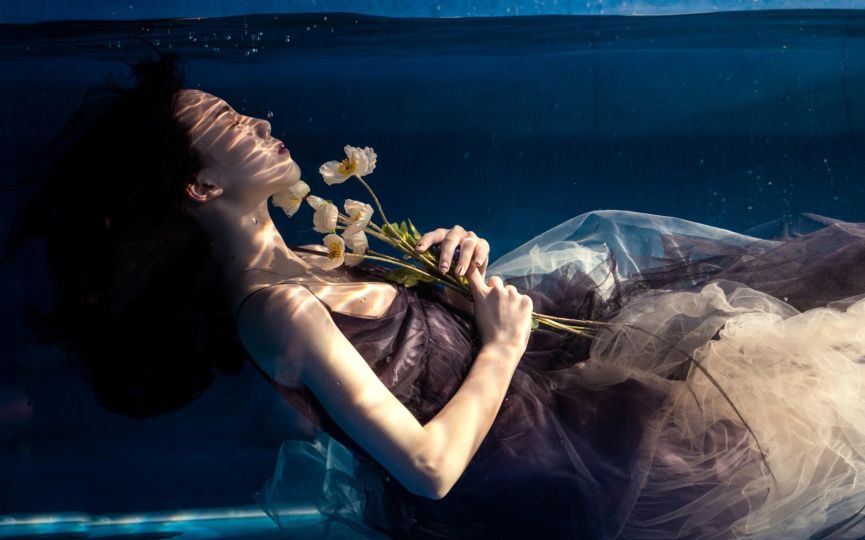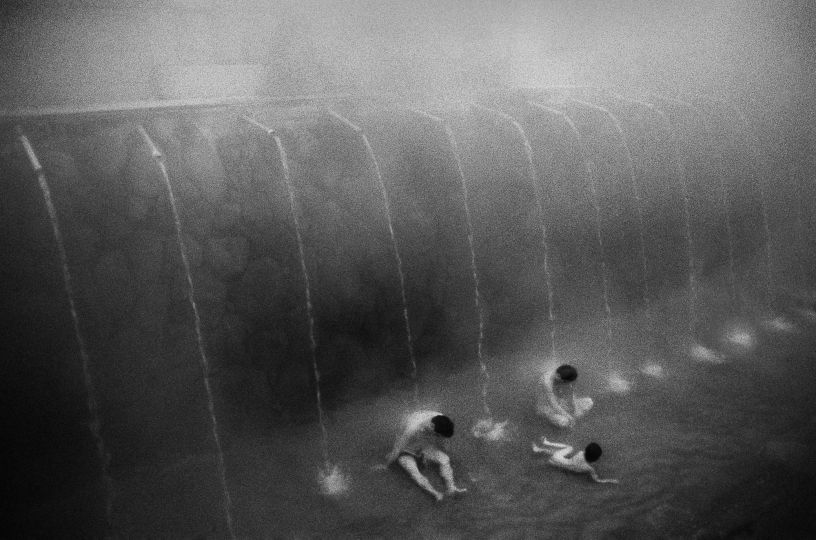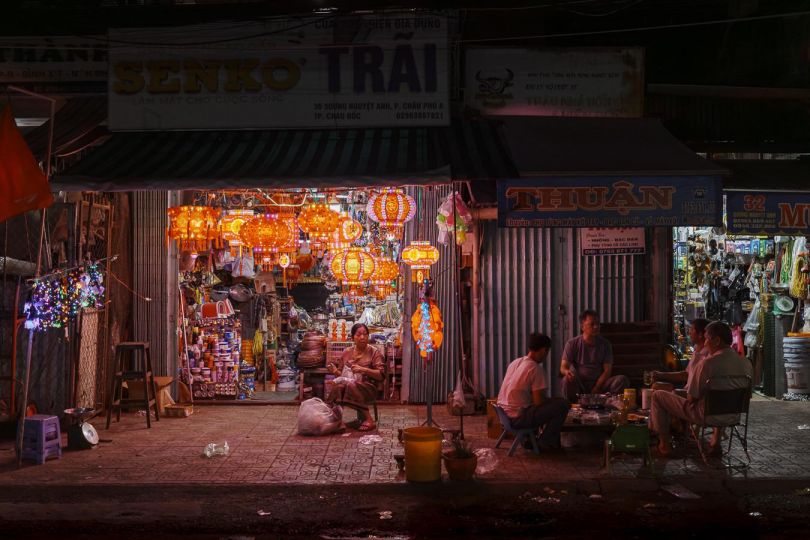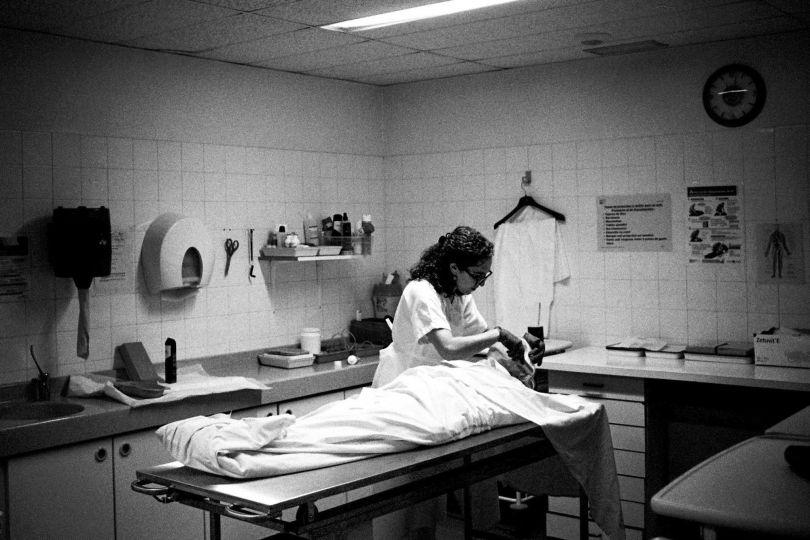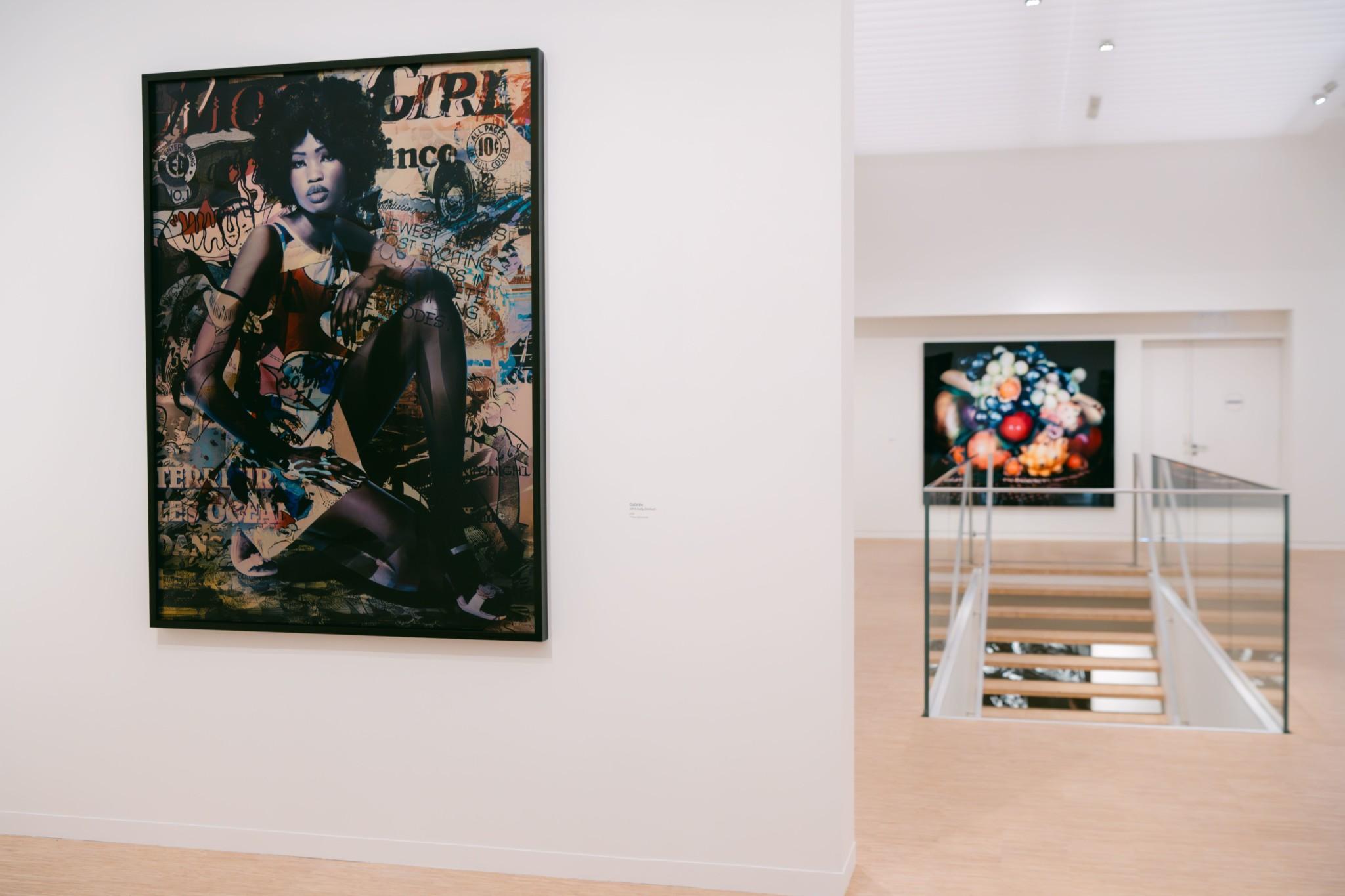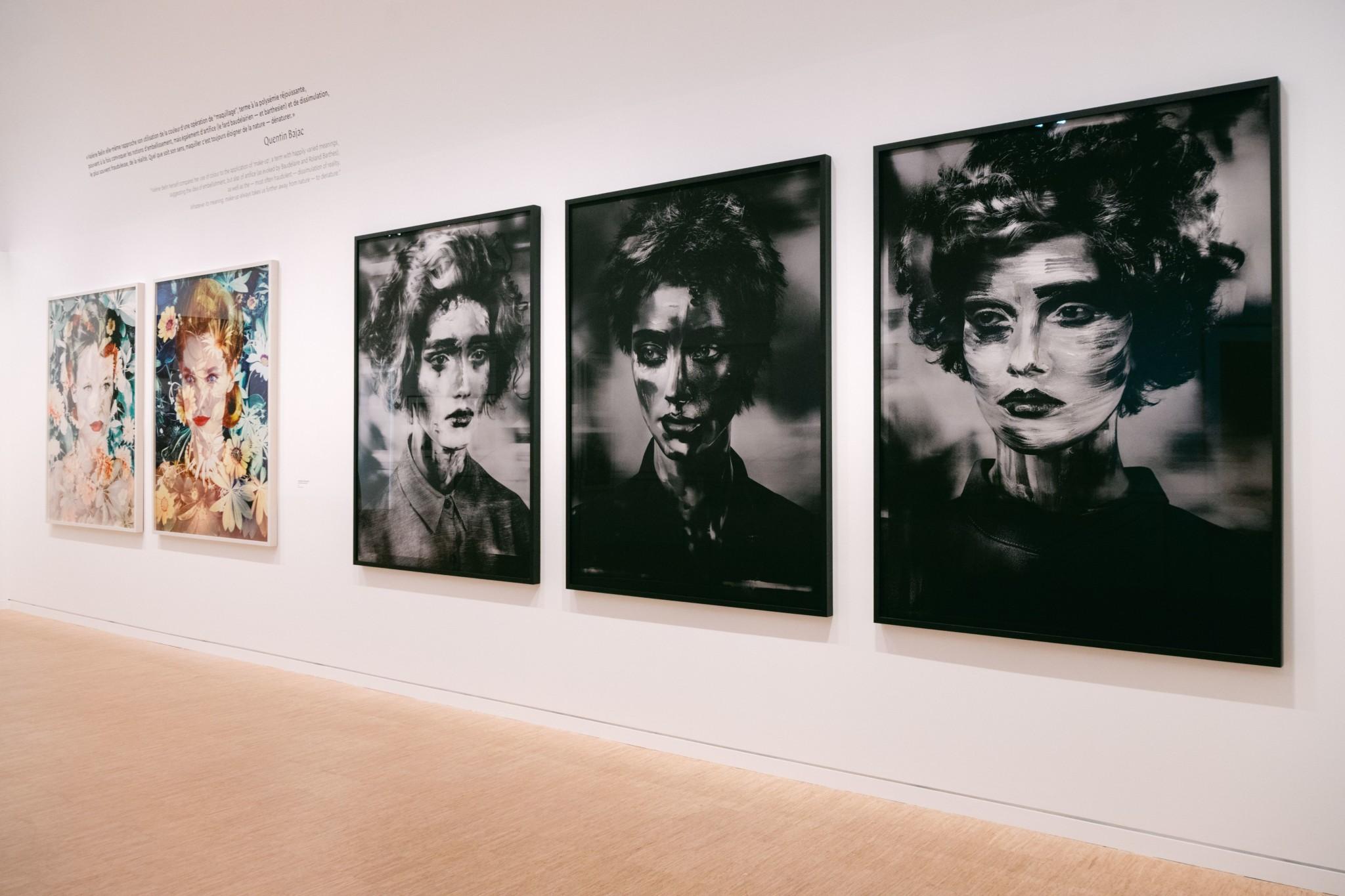


In Deauville, Les Franciscaines open their fifth exhibition season with the work of Valérie Belin, a singular exploration on the idea of beauty and the stereotypes that shape it. Entitled Les choses entre elles, this retrospective brings together around sixty photographs from her most emblematic series, including Cover Girls (2025), presented to the public for the first time. We met with the French visual artist and photographer to discuss the recurring threads in her practice.
You came to photography through Fine Arts. How does art history influence your current practice?
Art history influences my practice in a constant, everyday way. Through my training, I acquired foundations rooted in painting and sculpture, with a particular focus on American art. My work maintains a real lineage with a painting as an object, even in its making, since I am very far removed from instantaneous images or from the tradition of reportage. I belong to the generation of so-called “art” photography, meaning photography conceived, like other artistic practices, as a tool for creating forms. For me, the question of art is perhaps more important than that of testimony.
Through its reference to Italian filmmaker Michelangelo Antonioni, the title of your exhibition ” Things between themselves” elles also suggests a connection to cinema. Can you tell us more about this choice?
The title indeed refers to one of Antonioni’s early films, “AmongWomen Only”, which observes relationships between several women in the world of fashion and dressmaking. Transforming this title into Things between themselves allowed me to underline the equivalence that exists in my work between beings and things: I photograph people like sculptures, freezing them, removing their living presence in order to reify them and turn them into images. As for “The Women”, it of course evokes the omnipresence of the feminine in my work since the very beginning, along with this quest for beauty that runs through my subjects.
Art critic Régis Durand has described your work as a “ceremony of objects”. What does that evoke for you?
I have indeed photographed many moments of ceremony. Whether brides or bodybuilders, they are always paroxysmal moments. What I show is often exaggerated: either because the people themselves are excessive, or because of my own approach, which always involves a form of overstatement. The average or the everyday seems to lack scope in my work. I am constantly searching for something larger than life.
Does this idea of excess also interest you in relation to metamorphosis, which is very present in your work?
More generally, this need for transformation corresponds, for me, to a desire for sublimation: making something beautiful out of the banal. But my work also consists in magnifying what doesn’t quite work, a paradox that ultimately always returns. My subjects are generally people who wish to become someone else, relying on often stereotypical models. We need stereotypes to build ourselves, but where it goes wrong is the moment when we tip into excess. That is precisely where it becomes interesting for me.
In your photographs, women are often suffocated by a form of excess, which also manifests through formal strategies such as superimposition or extensive post-production work. Can you tell us more about the place of the feminine in your work?
Women remain the primary victims of the commodification of bodies and of this interpenetration between merchandise and human. Today, it feels as though commodities have as much value as human beings. There is no longer any hierarchy between things for sale and people. That is what my work reflects, in which women are undermined by an excess of décor, beauty or objects that absorb them to the point of sometimes making them disappear. I show them both in this situation of danger and as figures of resistance, for example in the series Lady Stardust (2023).
You long favoured a sculptural black and white before embracing highly saturated colour. What does colour allow that shades of grey could no longer express in your visual language?
Colour opened up significant possibilities for stylistic variation and undoubtedly brought greater artificiality to my subjects. While colour is generally associated with realism in photography, in my work it is the opposite. It allowed me to go even further into unreality. The way I use it is akin to make-up applied to things, as if I were painting photographs that were originally black and white. It led me towards forms of “artificial paradises”, or at least towards a reflection on the predominance of the artificial in our society.
The arrival of digital technology has had a strong impact on your practice, particularly through post-production work. How do you view the current revolution of artificial intelligence?
What is certain is that I will not use artificial intelligence to create photographs. With AI, you can both do everything and do nothing: it only reproduces what it has been fed. There is a very recognisable AI aesthetic, which we will grow tired of. Now, will the tool become powerful enough to keep moving forward and offer increasingly astonishing things? Probably. However, I think that for now it has very little to do with the act of creation. AI can be a tool, as Photoshop once was, to improve image quality or facilitate certain tasks. But truly integrating it into the creative process does not seem relevant to me today. On the other hand, it may have consequences for my work in the sense that I may want to return to much more realistic subjects, to printing processes where materiality is more present. There will inevitably be repercussions, but not in terms of direct use.
Your work maintains a particular relationship with beauty, sometimes perceived as deadly or imprisoning. Can beauty not also be an emancipatory force?
Yes, absolutely. Beauty can be a driving force, and there are different forms of beauty. The people I photograph have chosen models to which I do not necessarily subscribe, but which I respect. There is never any judgement in my photographs.
More information