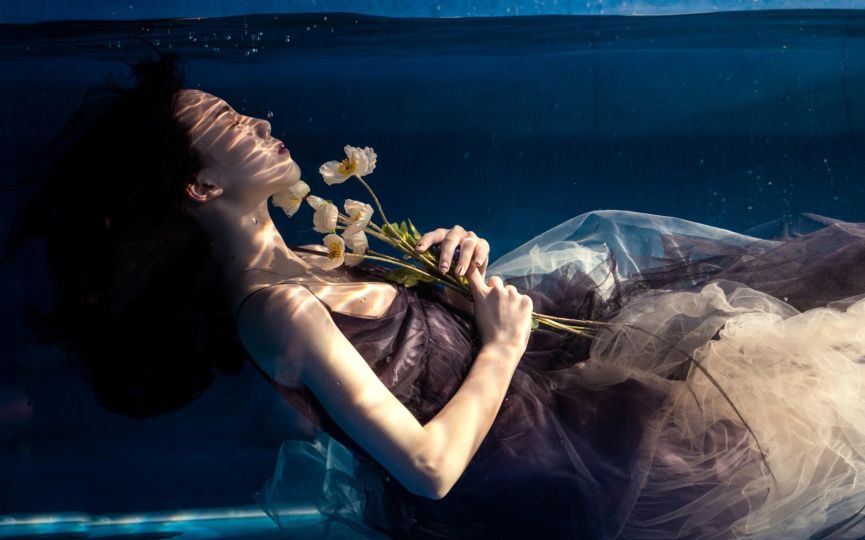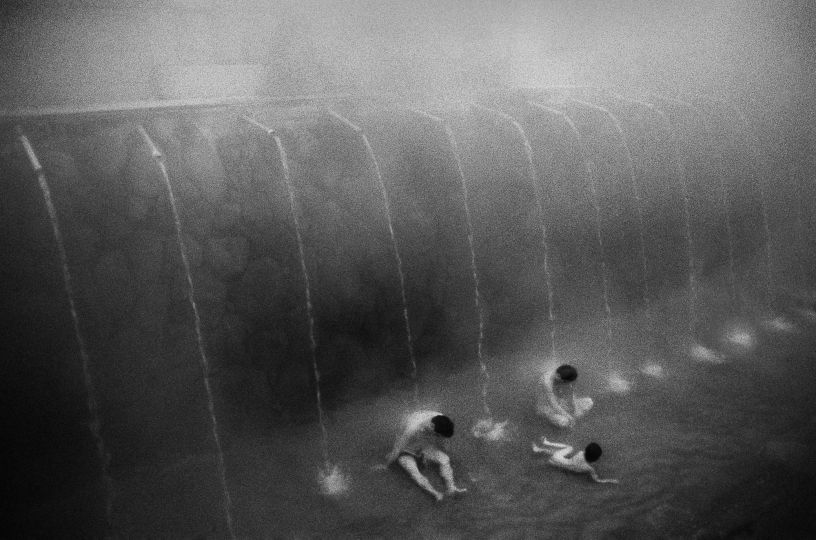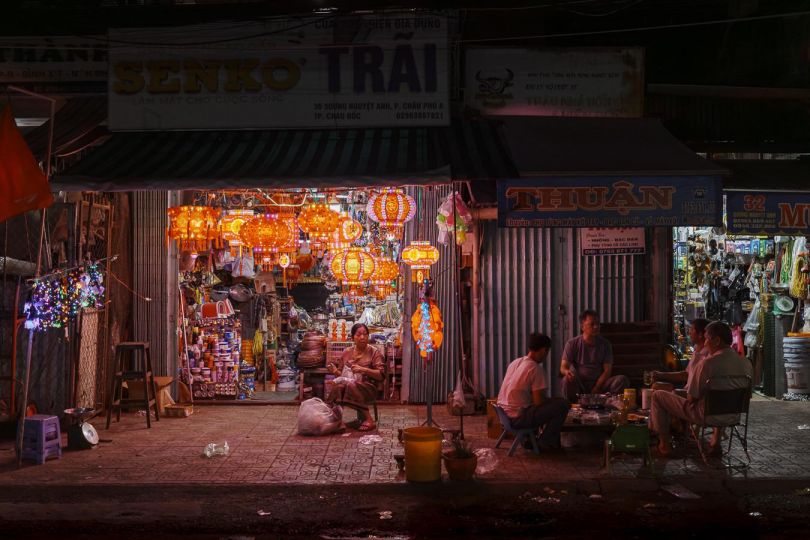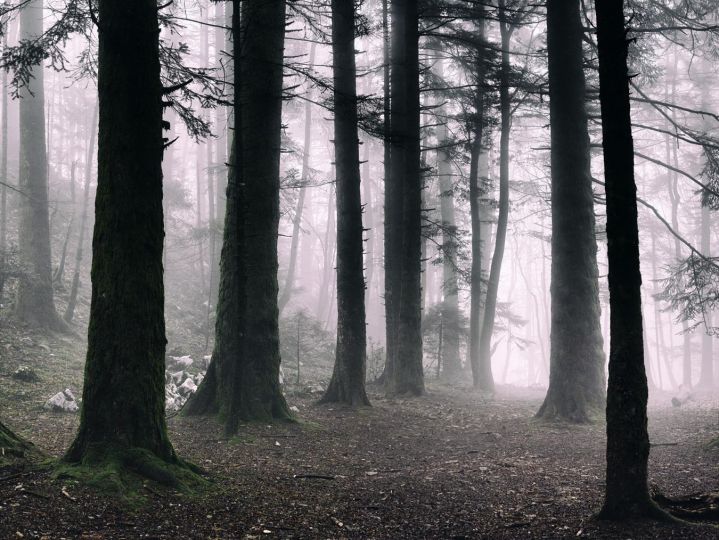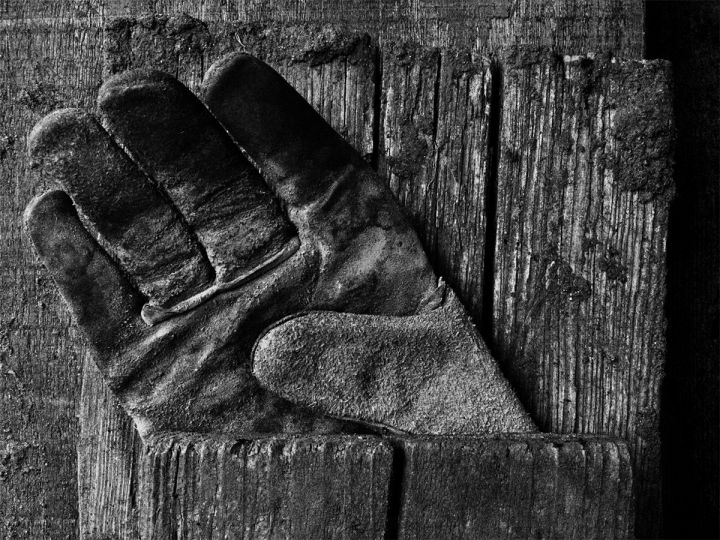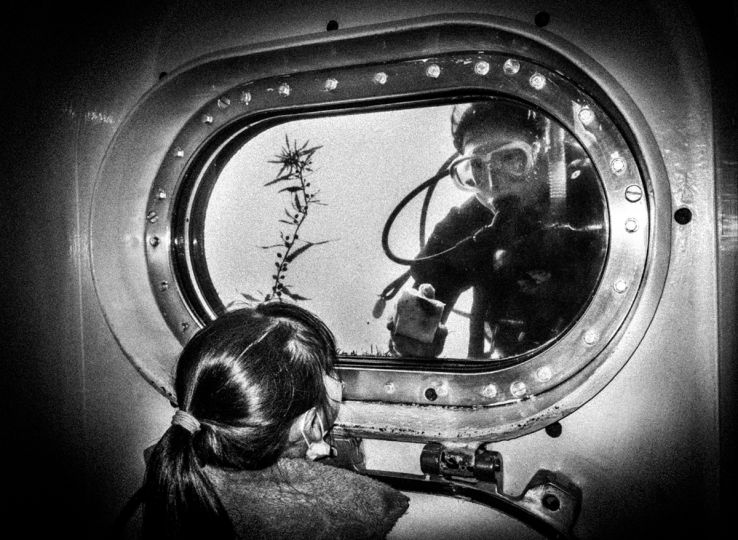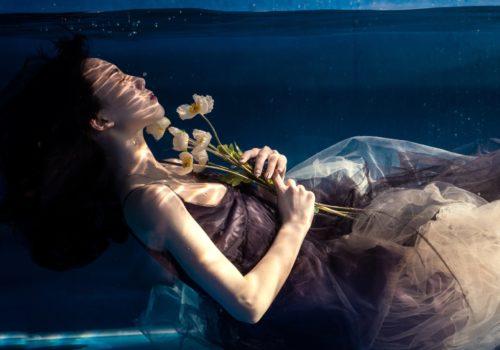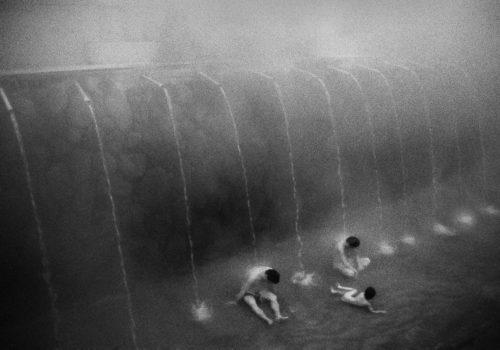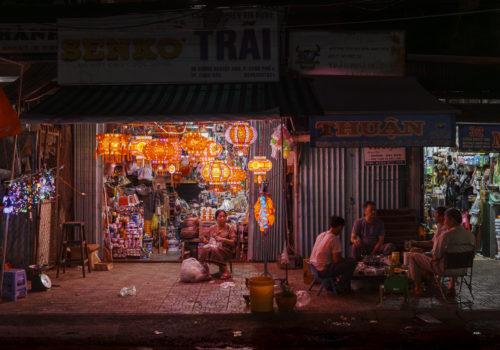
The Kyotographie International Photography Festival, founded by Lucille Reyboz and Yusuke Nakanishi, has returned to Japan’s former imperial capital. Until May 17, Kyoto becomes the setting for a bold and deeply committed visual journey.
On Friday 17 April, in front of the Kyoto City Budo Centre (a former martial arts venue), the 14th edition of Kyotographie opened with a kagami biraki, a ceremony involving the breaking of a barrel of sake. Under the theme of ‘Edge’, this edition brings together 13 artists from eight countries. Each explores the margins whether social or historical experiments, and questions the links between nature and humanity or the frictions of technology. Hidden away in the four corners of the Kansai city, in unusual venues, the exhibitions invite visitors to embark on sensitive, political and alternative journeys.
Spotlight on South Africa
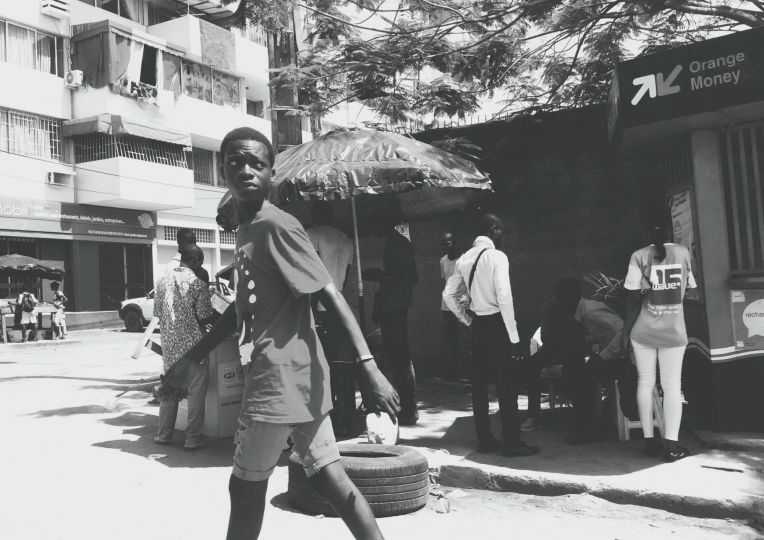
This year, the festival is putting South Africa in the spotlight, a theme introduced by activist Siyabulela Mandela, Nelson Mandela’s great-grandson. The centrepiece is Ernest Cole’s *House of Bondage*. A leading figure in the struggle against apartheid, the photographer documented every aspect of segregation. For its first presentation in Japan, the exhibition features a stark layout: upon entering, two corridors, ‘White’ and ‘Non-White’, followed by images displayed in sections on metal grids, creating an oppressive atmosphere.
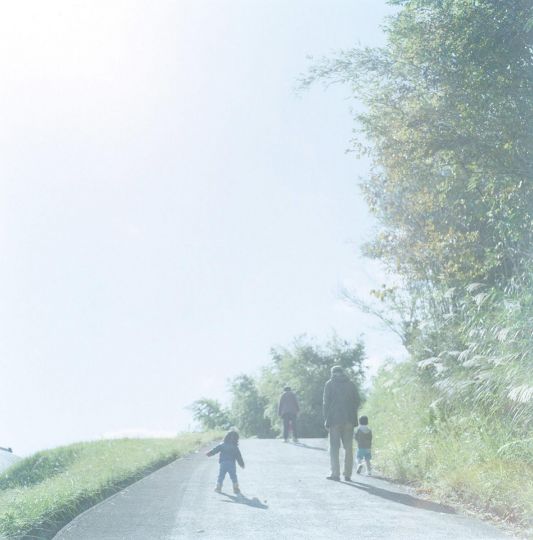
Meanwhile, at Higashi Hongan-ji Temple, Lebohang Kganye presents Rehearsal of Memory. The Johannesburg-based artist weaves together South African history, family memory and postcolonial realities in a multifaceted language comprising collages, photographs, shadow play and patchworks, where the personal engages with the political.
Echoes of Japan
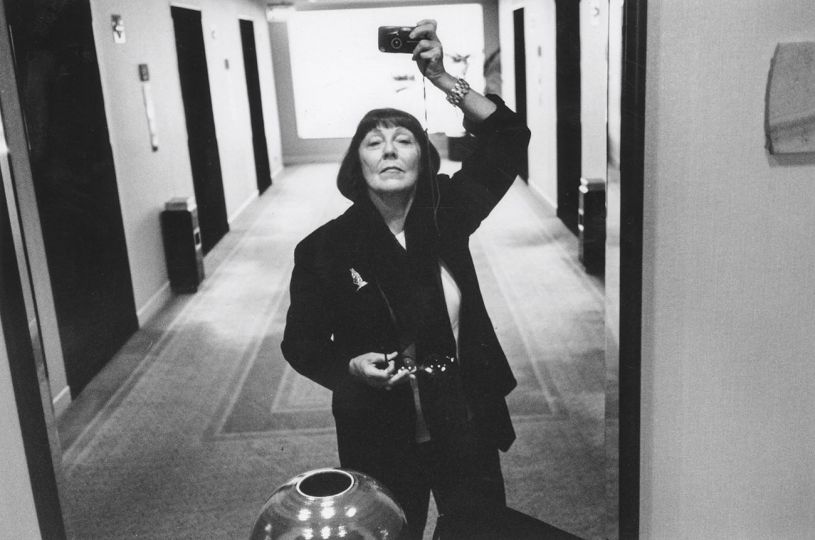
What would a photography festival in Japan be without a tribute to one of its leading figures? At the Kyoto City Kyocera Museum of Art, Kyotographie is dedicating a retrospective to Daido Moriyama. With bright yellow and crimson red picture rails, and walls covered in mosaics of images, the exhibition design immediately plunges visitors into a world that is both dark and pop. Curated by Thyago Nogueira, the exhibition traces over sixty years of creative output, from contributions to the magazines Camera Mainichi and Asahi Camera to the journal Provoke, via his critique of American-style consumerism, which flooded Japan after the war.
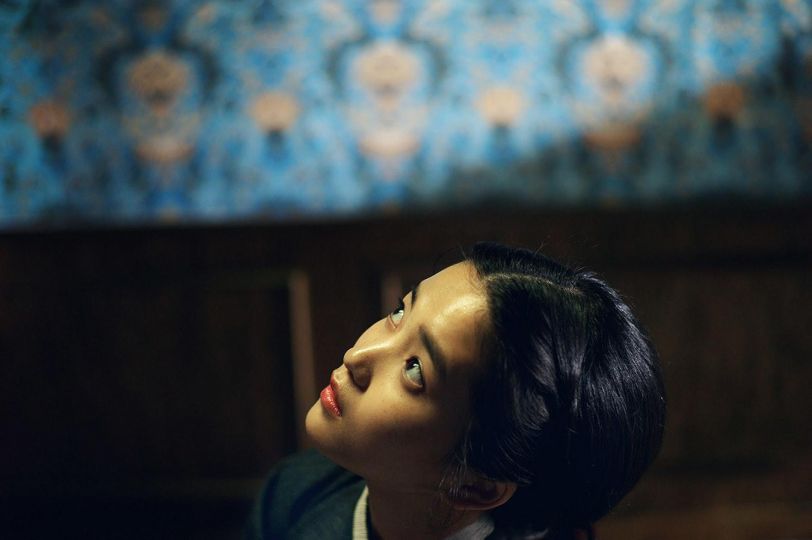
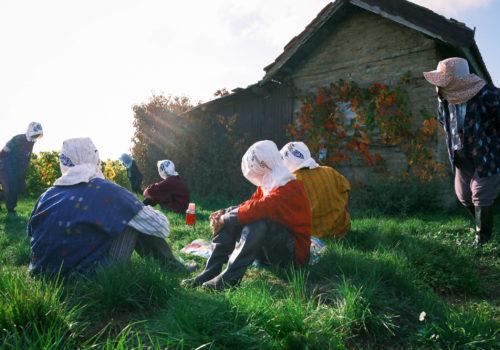
On a different note, Sari Shibata, winner of the 2025 Ruinart Japan Award, transports Japan to Champagne with Dotok Days. Inspired by the concept of ‘dotoku’ (‘virtue of the soil’), she weaves connections between art, agriculture and French and Japanese beliefs. “Before my residency, I spent a lot of time at the Louvre and the Musée d’Orsay. There I discovered many paintings of farmers,” she explains. Conceived in two chapters, the exhibition begins by focusing on the materiality of the soil, through vividly coloured installations that celebrate life and agricultural practices. Then, on the top floor of the white concrete building, the images become more ethereal, almost spectral. “We arrive in paradise, because religion and agriculture are intimately linked: we pray for good harvests, for rain and sunshine.”
Dialogue with the Living
“For me, ‘Edge’ evokes a transition between the visible and the invisible worlds, but also the boundaries between the different realms. I was wondering how to bring together several forms of life within a single image, and the answer came naturally with mosses, at the crossroads of several worlds,” says Juliette Agnel. At the Yuhisai Koudoukan, the French photographer presents a collection of three series exploring different states of life, in a minimalist setting designed by Seiichiro Takeuchi.
“The plants of Benin [from the Dahomey Spirit series] converse with the stones of Jussieu [from Susceptibility of Rocks], and this Japanese garden is now part of their encounter!” she enthuses. At the end of the exhibition, in the darkness, a Super 8 film dedicated to the mosses of Yakushima extends the experience. “Here, the camera was like a caress, a hand resting on each moss to feel its uniqueness, its quivering,” the artist continues.
Kyotographie invites visitors to slow down, to linger as much on the works as on the spaces that host them. The festival sketches a sensitive map of the contemporary world, navigating between experimentation, socio-political issues and the imagination. From one space to another, the images resonate with the past, the present and the future. A stroll to be experienced as much with the eyes as with the mind, until 17 May 2026.
Marie Baranger
« Kyotographie – Edge »
From April 18 to May 17, 2026
www.kyotographie.jp/en