Not only is Coustellet the best farmers’ market in the Vaucluse, but it also has one of the most wonderful photography bookstores in the department.
Its name, has a nice twist: John Doe Books.
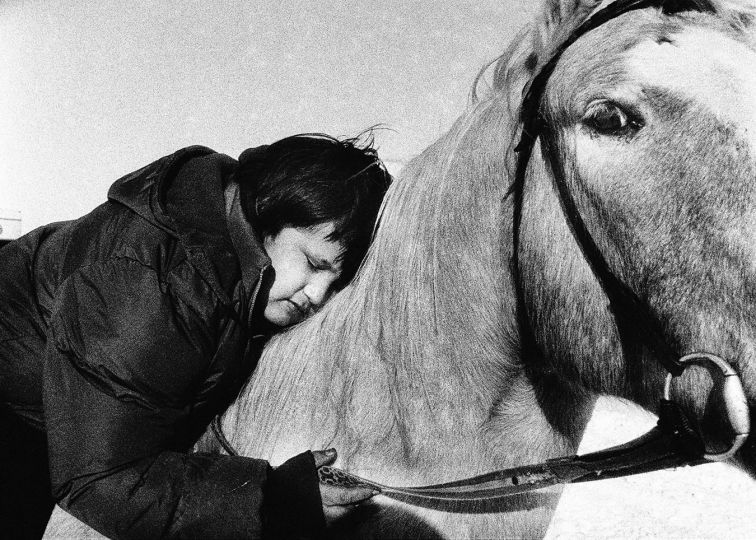
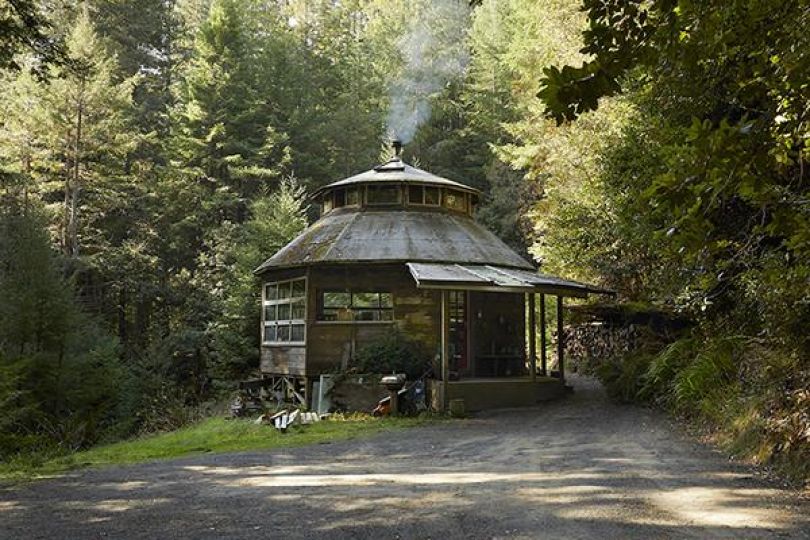
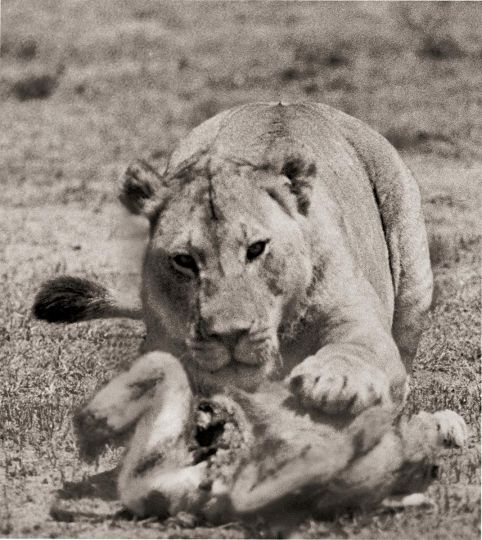
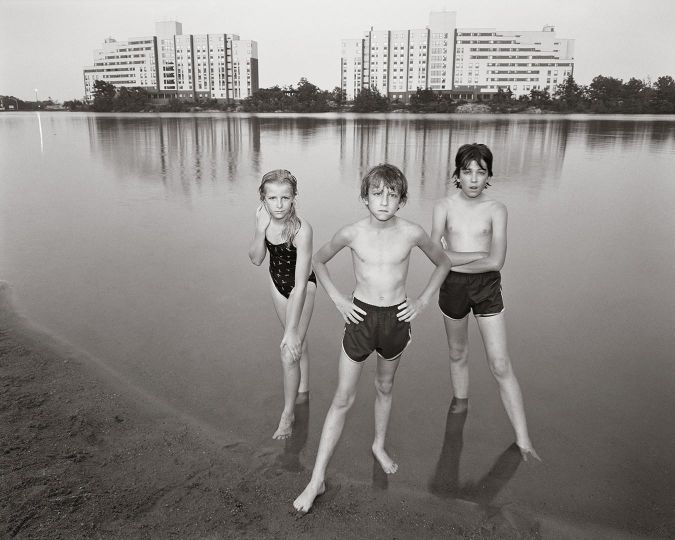
It’s currently housing an exhibition of a little-known American photographer: Robert Levy. Here is the accompanying text.
“Photography has been a part of my life for as long as I can remember. When I was seven, my father gave my brother and I a Brownie camera and taught us how to develop and print film. It was magical. Since then, I’ve tried never to be without a camera.”
After graduating from college, and inspired by the American Civil Rights Movement, I chose to study law and pursue a dual career in law and photography. As a photographer, I became interested in exploring vanishing cultures, ways of life that were isolated and preserved but faced enormous challenges in a rapidly changing world.
I completed my first project in 1973, during the summer of my first year of law school. I traveled to Turkey and discovered a neighborhood in Istanbul where metalworkers designed and forged propellers and other large metal objects in workshops located inside the old city walls, according to a strict master-apprentice system. To better know and understand the people who worked in these “hans,” as they were called, I studied Turkish and returned to Istanbul the following year. I then lived for several weeks with a Turkish family, during which time I was able to photograph the workers in these workshops.
A few years later, I began a second project in a small village in northern Romania. Like the Turkish metalworkers, these villagers possessed a culture that had remained unchanged for a very long time. But, unlike them, they were isolated in a remote part of the country. Despite very difficult living conditions, extreme poverty, and chronic food shortages, particularly during the reign of Nicolae Ceauşescu, they preserved their customs, traditions, and religion, and were always generous and welcoming. I made my first visits before the fall of Ceauşescu and returned several times over the years, learning enough of the language to converse with the villagers. During this time, I collaborated with the New York Civil Liberties Union, prioritizing respect for human rights, particularly those of people with disabilities. Since 1995, I have been a federal judge in New York.
More recently, I have photographed orphanages and institutions for people with intellectual disabilities in Eastern Europe and Kenya, as part of the missions of the organization “Disability Rights International”.
I love the rich tones of black and white photographs, the way they capture the subtlety of light and reveal textures and patterns in a way that is both abstract and realistic. For me, the urge to photograph is driven by curiosity, the feeling of being outdoors, and the urge to “crack the code.” For me, a photograph should create a connection with the subject, be it a person, landscape, or object and the viewer. This always involves what Dorothea Lange describes as “recognition,” an instinctive understanding of what I see, which often compels me to take a photograph long before my brain can understand why I took it. Surprisingly, I have found many of these techniques useful in my role as a judge.
Throughout my career, I have been inspired by several photographers – Gilles Peress, Lisette Model, and Ansel Adams – whose ideas and support have been essential to me.”
Robert Levy – NYC 2025.
Robert Levy is a curator at the Charles P. Sifton Gallery in New York City. His photographs are held in the collection of the Minneapolis Institute of Art and have been featured in Popular Photography Magazine and the New York Times.
John Doe Books
69 Rte d’Apt
84660 Maubec, France