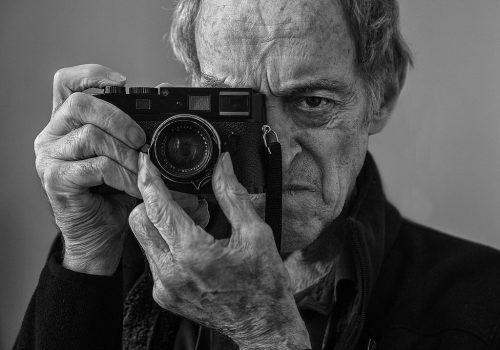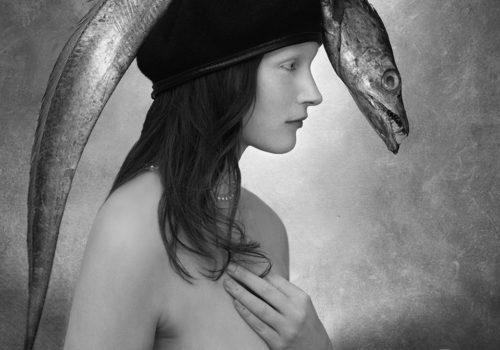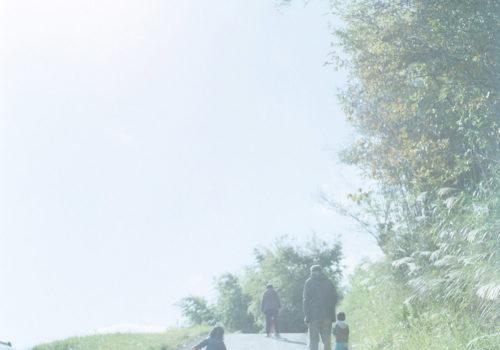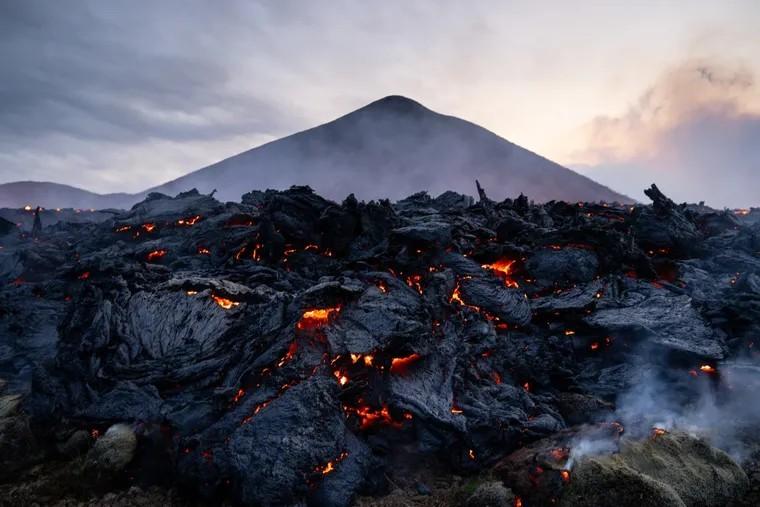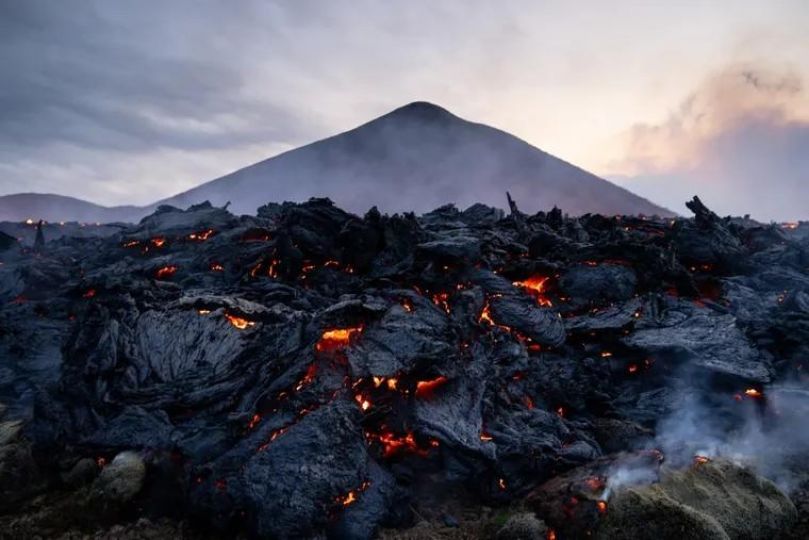


Le Prix international de photographie Hamdan Bin Mohammed Bin Rashid Al Maktoum (HIPA) a célébré la 14e édition de ses prix 2025 sur le thème « Le pouvoir ». American photographer Karim Iliya won the first place of the “Drone” categorie, as genre that underlooks nature and wildlife photography under the prism of new technology.
How did you begin taking photographs, and how did your interest in new imaging technologies develop?
I started photographing when I was 13. I was living in Abu Dhabi at the time and borrowed a small point-and-shoot camera. I photographed my surroundings as a way to create memories and show people interesting perspectives. I wasn’t very good at first—as with most things, it takes time and practice. I eventually got a bigger camera and began exploring all kinds of subjects: insects, sunsets, sports, wildlife, people. I continued through university, and after I graduated, I became curious about other worlds—underwater environments, for example. I wanted to know what it looked like to photograph turtles under waves or to capture the night sky through long exposures. I became interested in macro work and in getting close to animals to show what their ecosystems look like from within.
Did your upbringing influence your photographic interests?
I grew up moving between countries in the Middle East and Asia, but underwater photography started later, when I was spending time in Hawaii. Wherever I lived, I tried to photograph what was around me. I think that’s essential for photographers: your backyard may feel ordinary, but someone somewhere has never seen that bird or that insect. Photographing everyday subjects around me helped me develop my skills.
How did you start working with drones?
Before drones with cameras existed, I was flying small remote-control helicopters and drones just for fun. People kept asking whether they had cameras, which made me realise I should probably get one that did. Once I had a drone with a camera, I started photographing and filming with it. The toy drones without cameras are actually harder to fly—they can flip and roll, but if you let go of the controls, they fall. The larger camera drones have stabilisation systems and sensors that make flying much easier. I began filming with drones around 2015.
How has drone technology evolved since then?
The improvements have been significant: better battery life, smaller and more accessible designs, and far better low-light performance. That makes a big difference for subjects like volcanoes, where the most beautiful moments often happen in the dark.
Did drones allow you to capture things you hadn’t imagined before?
Yes. What I love about drones is the ability to move through a three-dimensional environment. Underwater photography works the same way: you can go up, down, left, right, and everything around you exists in three dimensions as well. That mindset translated directly to flying drones. The main difference is that with drones you’re sitting still, looking at a screen. It’s almost like playing a video game.
When photographing volcanoes, how close do you need to be to the drone—and the volcano itself?
You do have to stay close enough to maintain contact with the drone. When I photographed the eruption in Iceland, I was sitting near the volcano and could feel the heat. I was photographing and filming on the ground as well. I love volcanoes, so when that eruption started, I travelled there as quickly as I could. I planned to stay three weeks and ended up staying three months. I then decided to move to Iceland. Iceland has become home.
Which eruption were you photographing?
The recent one was Fagradalsfjall. Unlike the 2010 Eyjafjallajökull eruption, which disrupted air traffic across Europe, this one was much more accessible and friendly to photograph. Its name means “beautiful valley mountain.” Based on naming conventions, it theoretically could have been called “Geldingadalur,” meaning “castration valley,” but that name was avoided.
Has volcanic activity become an important part of your work?
In the past few years, yes. I’m drawn to extreme environments most people never experience: volcanoes, underwater ecosystems, humpback whales, sea creatures. I want to show people different sides of the world and move them away from seeing only cities and consumer environments. My goal is conservation. I also run a nonprofit focused on conservation-related media. It’s called Kogia. My cousin and I started it. It serves several purposes. First, it’s a free media library: photos and videos for conservation use—available to activists, scientists, educators, and others who don’t have funding for media. Second, we run workshops for young people. We provide camera equipment, teach them how to use it and how to tell stories, and they get to keep the gear. The idea is to support the next generation of filmmakers and storytellers. We piloted the first workshop in Wales and now we’re preparing new programs, including in the UAE and India.
Do you collaborate with scientists in your work?
As much as possible. Many scientists use the Kogia library for research, papers, fundraising and outreach. Photography and video are a bridge between science and the public. If you give people only scientific data, they disconnect. But images can make them care.
This is not your first time at HIPA.
It’s my third time here. I won second place last year, and another award the year before! More broadly, last year I spent time photographing nature here: oases, phantom frogs and other wildlife. I lived in the UAE for four years as a child, and I’m working on projects that will allow me to spend more time here, photographing the desert and the wildlife.
More information