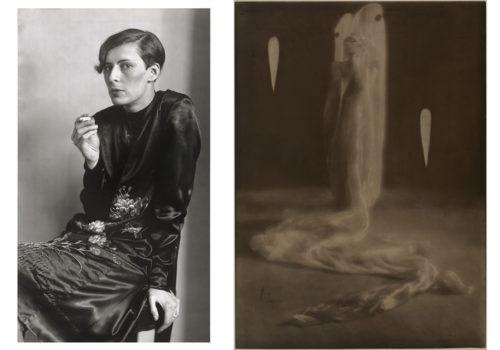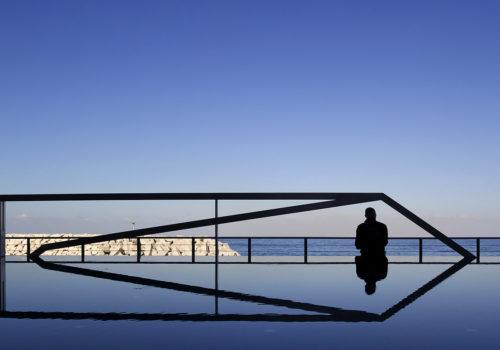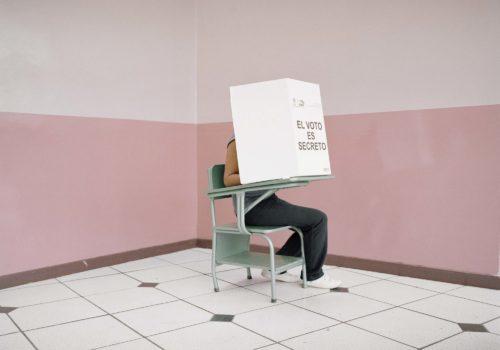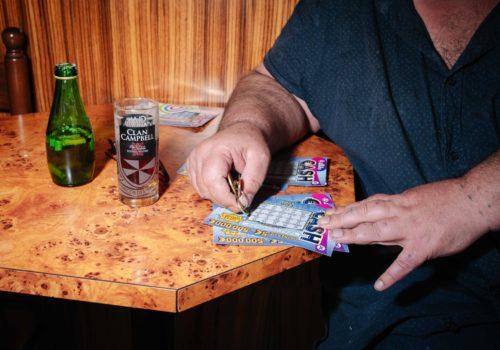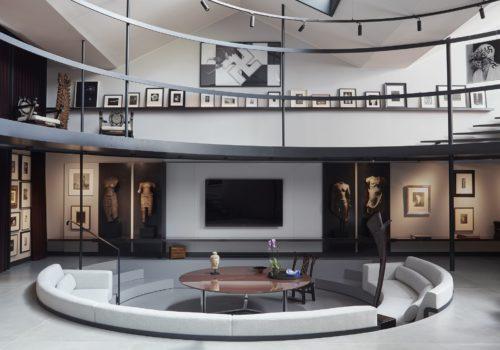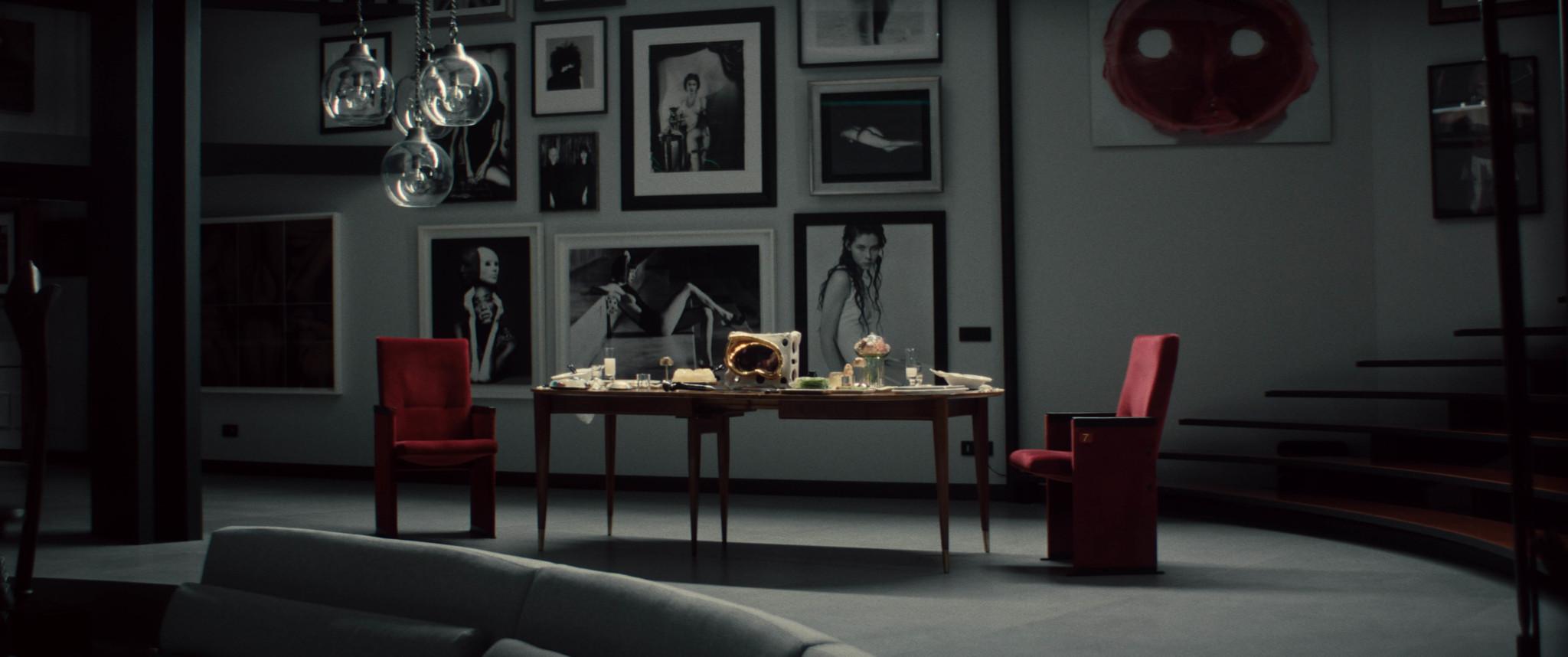
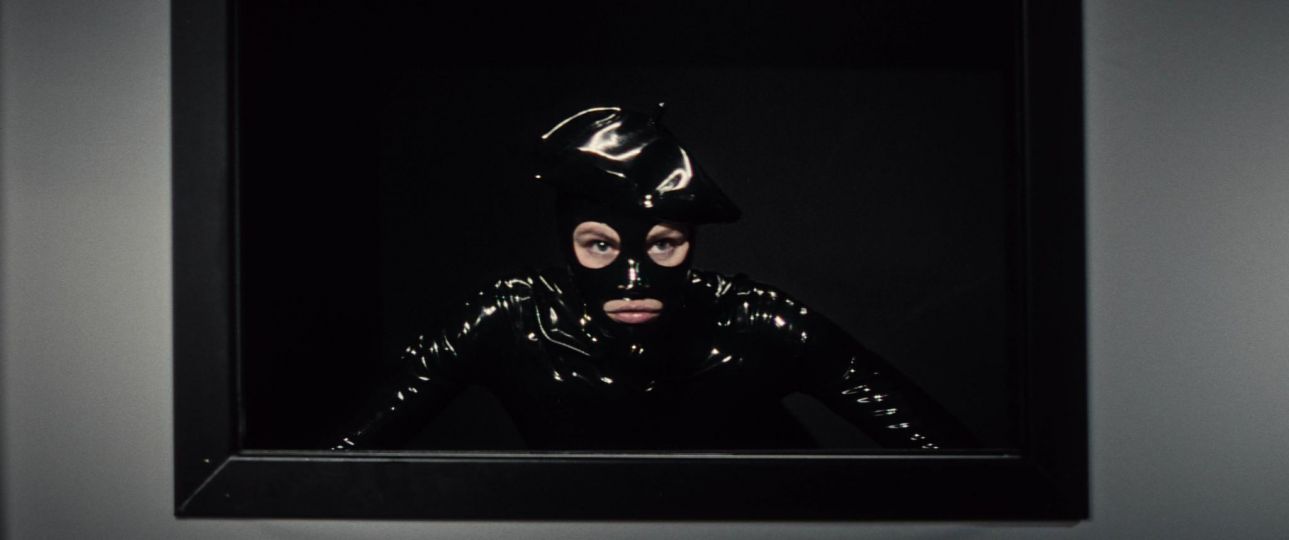


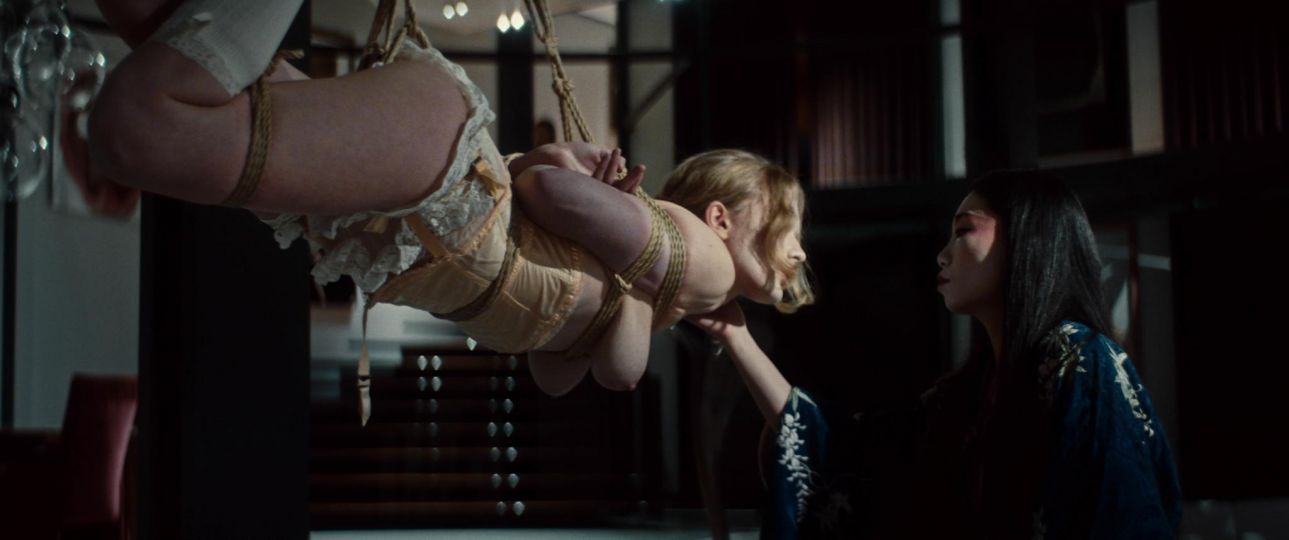

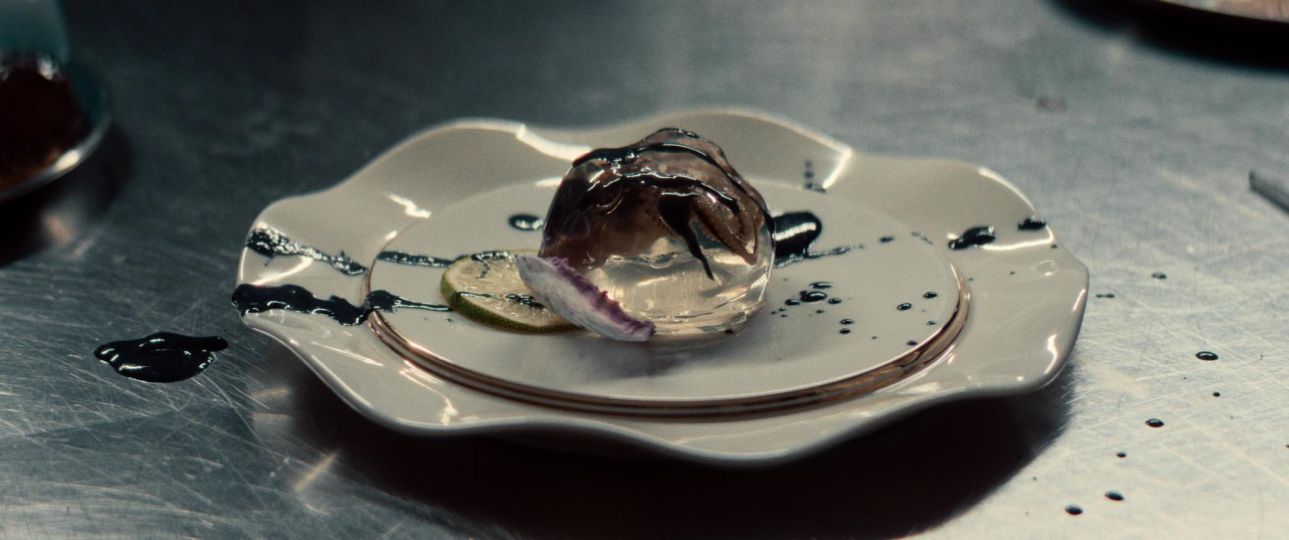

Firstly, we present the Casa Museo Molinario Colombari in Milano, which serves as a theatre for art and photography and is the protagonist of the short film Lezioni d’Abisso (Lessons from the Abyss), directed by Tommaso Ottomano. The Casa, a project born from the conversion of a former silver factory, combines residential and museum functions with those of a cultural and identity hub and a venue for cultural exchange. It is a stage where two complementary visions coexist: the Ettore Molinario Collection, the result of over thirty years of exploration of identity in the fields of photography and sculpture; and the multifaceted perspective of Rossella Colombari, gallery owner and expert in historical Italian design.
The images flowing across the screen literally bring the Ettore Molinario Collection to life and transform the Casa Museo Molinario Colombari into a fluid entity, endowed with a soul, memory, and desire. The architecture of this residence suggests a continuous narrative. The spaces, separated by velvet curtains, evoke a voyeuristic and cinematic atmosphere, transforming each room into a theatrical scene and drawing the visitor into a dialogue between presence and narrative. The Casa has a unique identity as a “cultural repository,” embodied by the Ettore Molinario Collection, a mosaic of images spanning from the origins of photography to contemporary forms of expression. It is conceived as a tool for immersion in the human experience, designed to explore themes of identity and the tensions between opposites: masculine and feminine, Eros and Thanatos, beauty and melancholy.
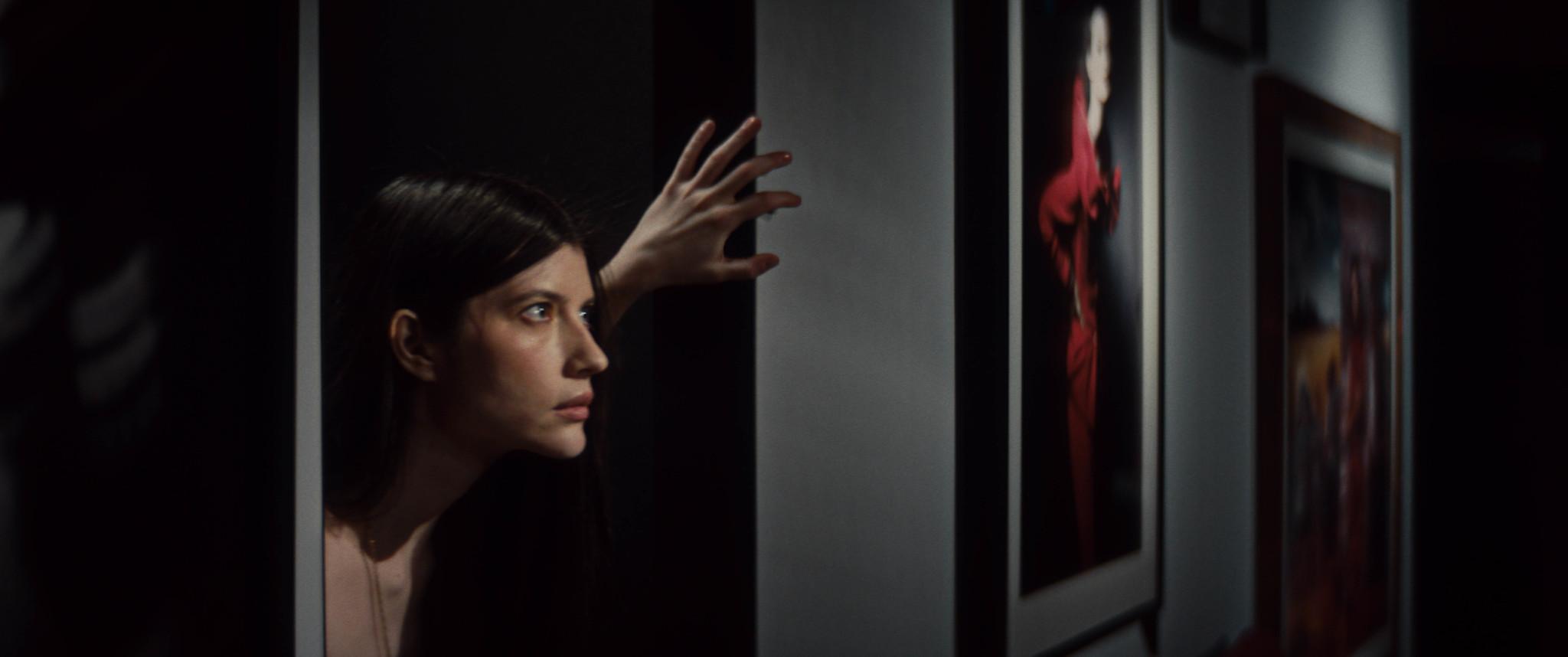
Lezioni d’Abisso brings the imagery within these walls to life. Structured as a three-act liturgy, it reflects the house’s pulsating life and transforms it into a symbolic journey into the unconscious. The short film allows for multiple levels of interpretation, with fluid forms and content: viewers can draw the elements that best resonate with their own sensibilities, life experiences and subconscious. It is only natural to think of the Italian writer Italo Calvino, who said he loved the ‘underground’ settings depicted by Jules Verne, such as those in Journey to the Centre of the Earth. These settings are an invitation to decipher the hidden labyrinths beneath the surface, mirroring the world above ground, and, in the case of the short film, is also psychological. References then turn to Freud and Jung.
In particular, Lezioni d’Abisso explores the concept of the uncanny (Unheimlich), as derived from Freud, as a liminal space of attraction and mystery. Here, what would usually inspire fear is revealed as familiar in a disconcerting way. And so, thanks to the animation of the inanimate, the Casa Museo Molinario Colombari is transformed from a physical space into a metaphor for the unconscious.
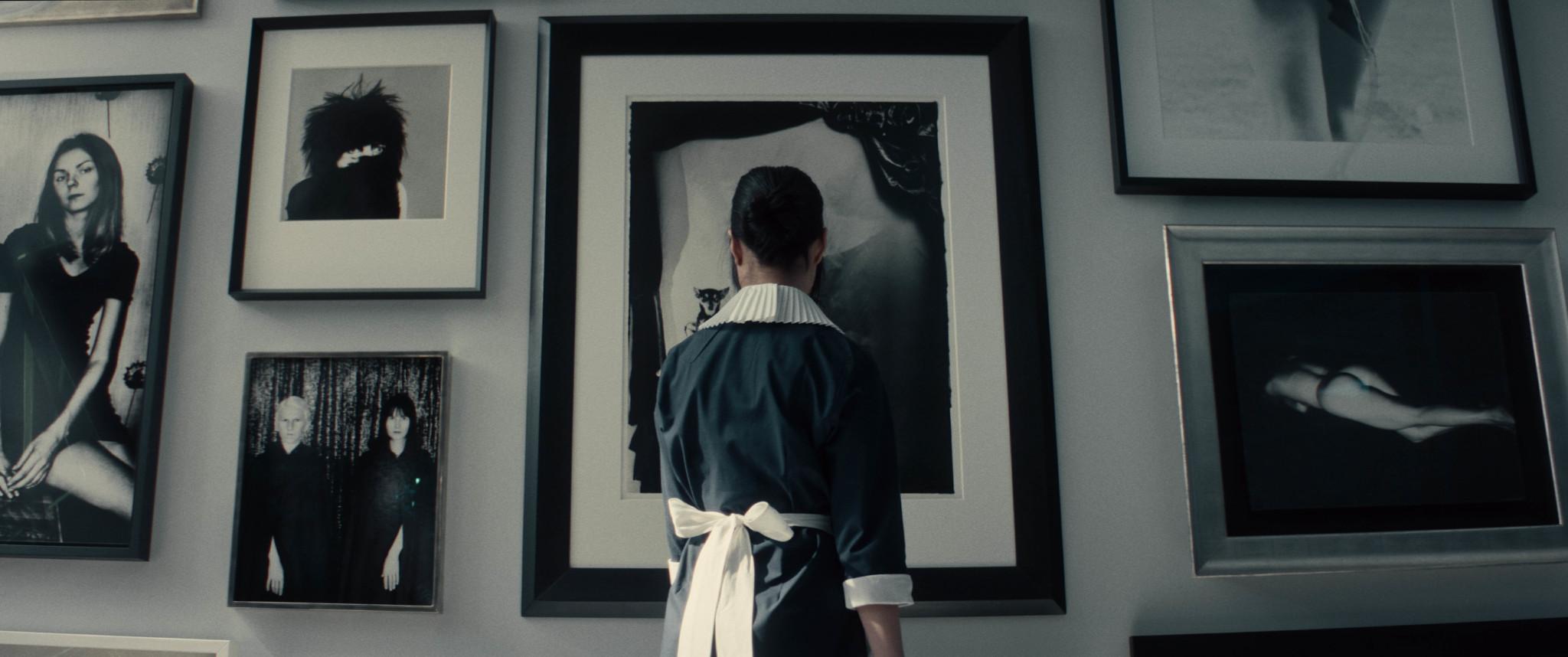
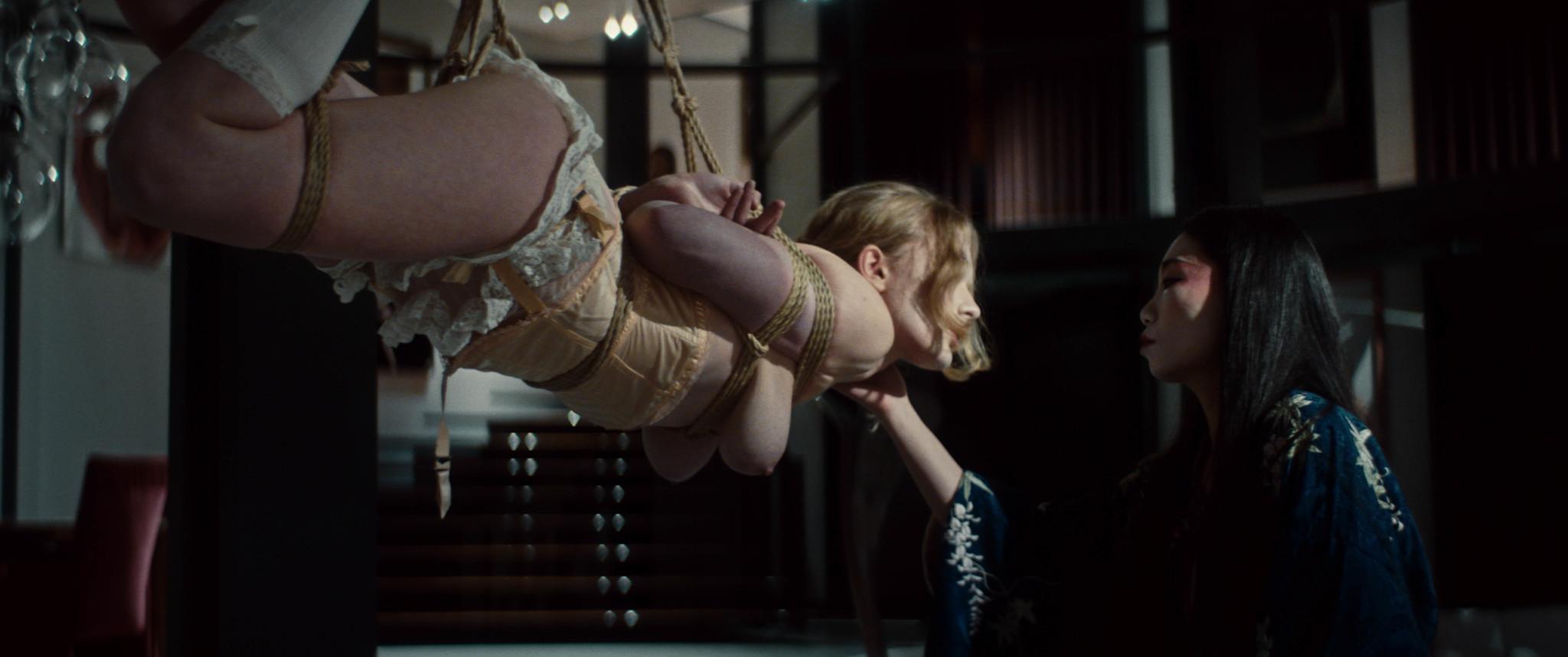
The house is presented as a fluid entity endowed with a soul, memory, and desire: in the first act of the short film (The Morning Ritual, in which the house awakens through an obsessive cleaning ritual), the servants’ almost erotic interaction with the statues in the collection transforms it into a space where the sacred and the profane coexist in an unsettling balance, and the works of art become living interlocutors.
The second act, Hunger, portrays the hunger of the soul. In a kitchen-laboratory, “organic” dishes are prepared, while Ettore Molinario and Rossella Colombari engage in a symbolic duel at the table. With gender roles reversed, the duel highlights the fluidity of identity and the tension and dialogue between the masculine and the feminine, and between inner chaos and the unconscious, themes that are characteristic of the photographic collection. In this context, every bite taken unleashes a whirlwind of images drawn from the photographic collection, elevating art to a source of nourishment for both the mind and desire. The collection’s depictions of Eros and Thanatos serve as coordinates for a map of the soul, inviting viewers to “look within and beyond themselves” and revealing its complexity. Organic dishes symbolise transcending material needs in favour of achieving spiritual and intellectual fulfilment through deep immersion in art and the unconscious.
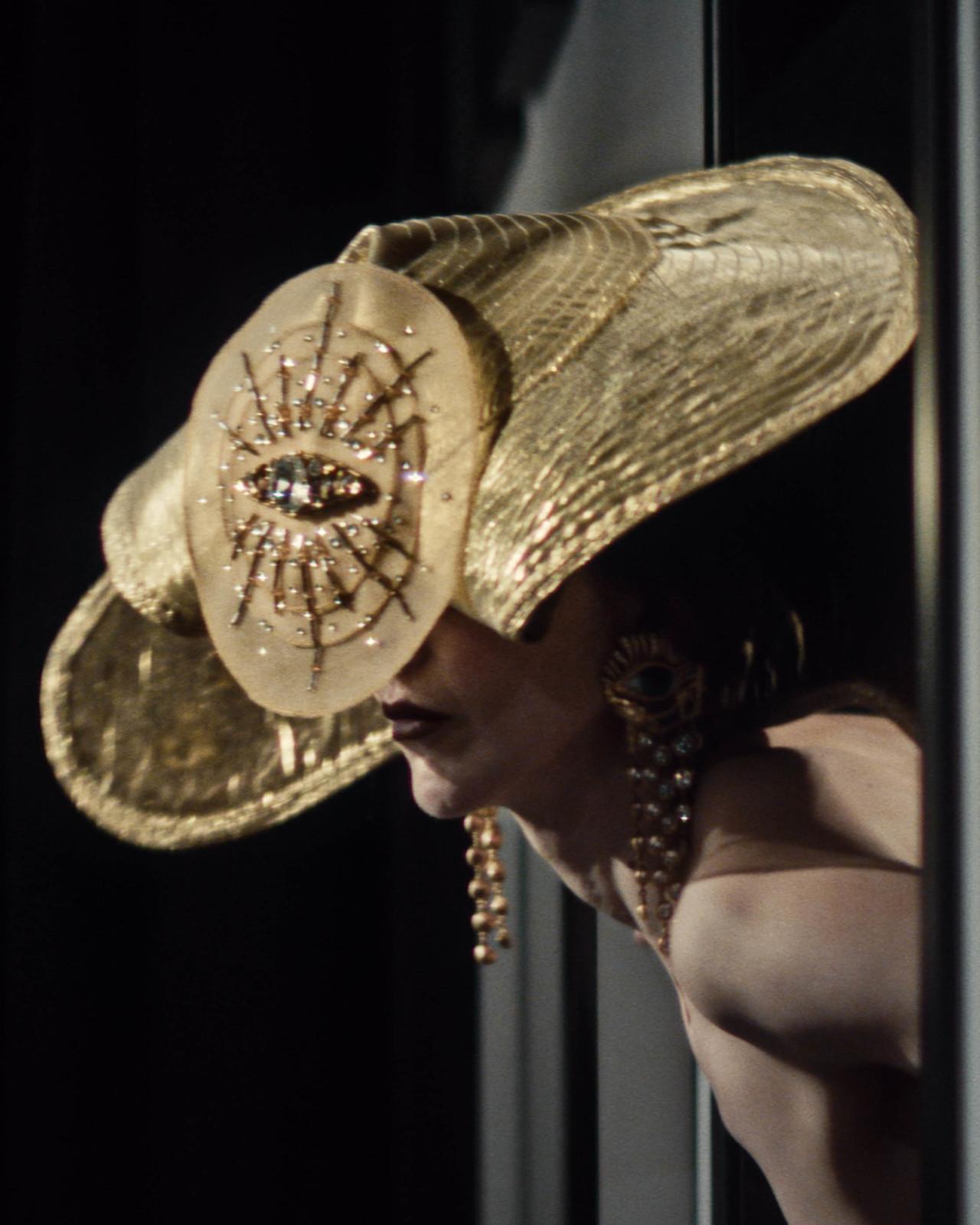
The third act, Bubbles, plunges into the abyss of the unconscious. Summoned by a primal voice, Ettore dives into the underground pool of the Casa on a journey that turns out to be a “reverse rebirth”, a return to memory, to his own perversions, and to the womb. Fantastical figures adorned with jewels and feathers come to life from the walls of the house, embodying the magic, beauty and melancholy of the human mind. After all, the images in the collection offer glimpses of light into the inner self, providing viewers with insights (or “lessons from the abyss”, if you will) through dialogue, discovery and reconciliation with their own shadow sides.
The Casa’s own narrative voice guides the viewer through a seamless immersion between reality and the dreamlike realm. Hoarse, ancient and creaking, yet cold and welcoming, it is the guardian of deep-seated memories. The visual language of the short, which is suspended between Fellini’s dreamlike surrealism and Lynch’s signature mystery, plays a central role in creating this feeling. Thus, the uncanny element of the film is the sense of nostalgia for something that may not be real. However, art and the domestic space manage to bring this feeling back to the surface, offering an intimate and shared experience.
Lezioni d’Abisso, filmed at the Casa Museo Molinario Colombari, is directed by Tommaso Ottomano and produced by Kitten Production, with artistic direction by Beatrice Papa and the music is from the CamSugar catalog. Marco De Pasquale is the director of photography, while the costume design is by Sara Costantini and the set design by Michela Croci.
Paola Sammartano
Lezioni d’Abisso is screened at the Casa Museo Molinario Colombari during the Milan Design Week 2026, from April 20 to April 24.
LEZIONI D’ABISSO
Film Screening
From April 20th to April 24th, 2026
11am to 7pm (last entry 6.30pm)
20159 Casa Museo Molinario Colombari
Via Alserio 17
Milano
https://casamuseomolinariocolombari.com
https://collezionemolinario.com/en