

The Baths of Caracalla in Rome host the exhibition “Frank Horvat”: a complex of 72 images divided into three significant moments exploring the work of the great photographer.
The exhibition is promoted by the Special Superintendency of Rome, directed by Daniela Porro, and organized by Electa. It is curated by Fiammetta Horvat and Mathilde Oudin (Studio Frank Horvat) and Nunzio Giustozzi, and will be open from 11 September 2026 to 10 January 2027.
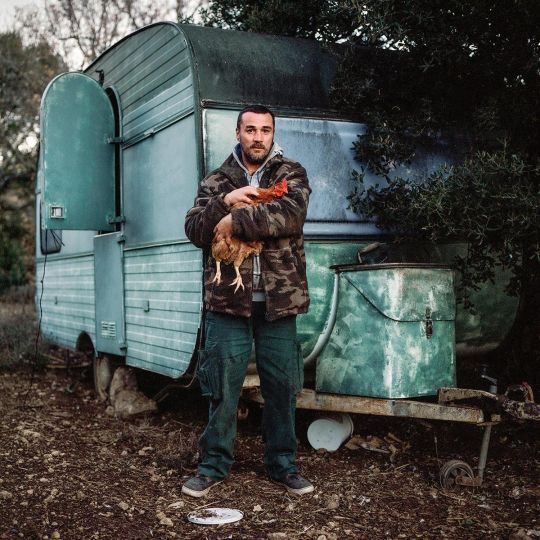
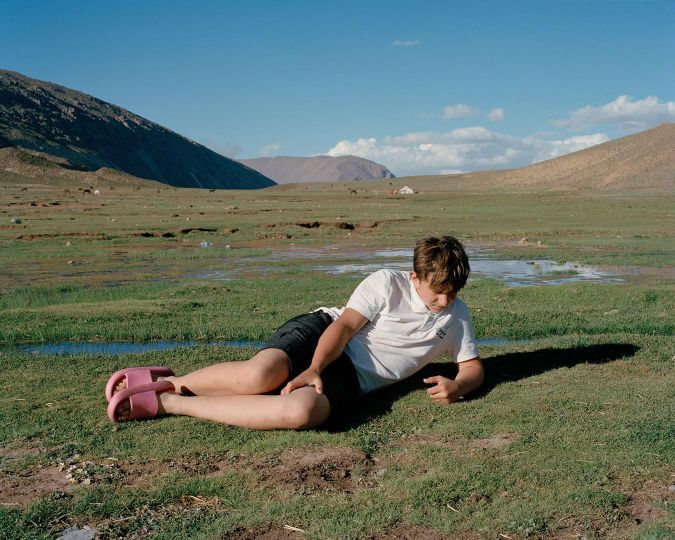
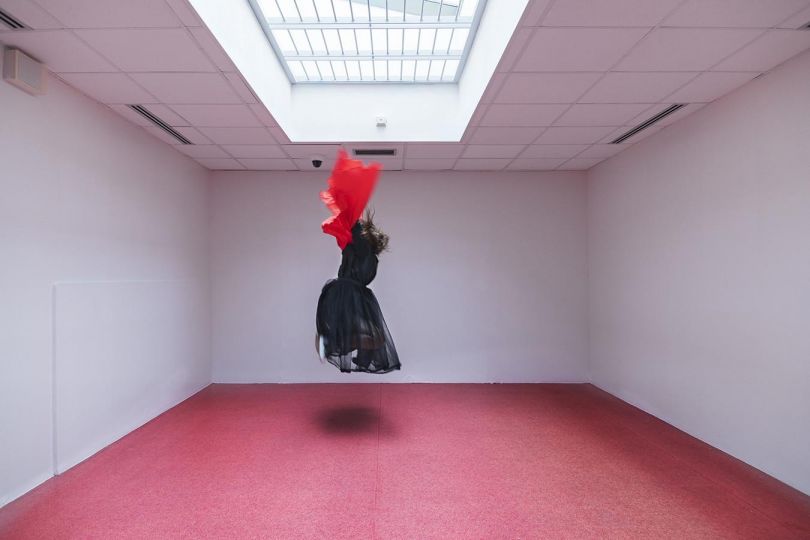
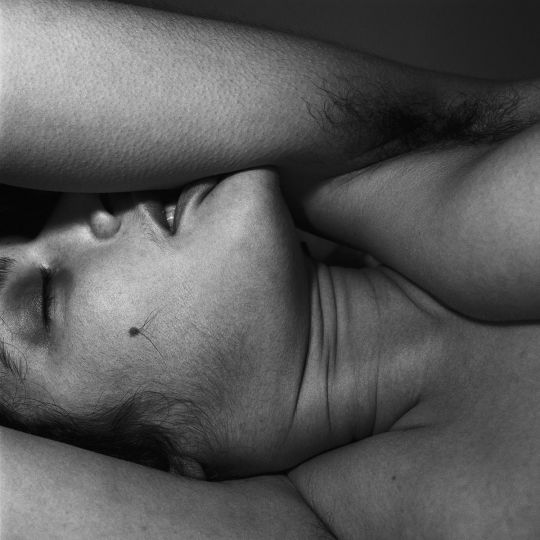
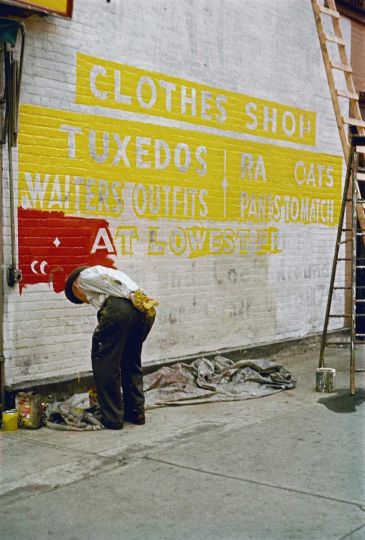
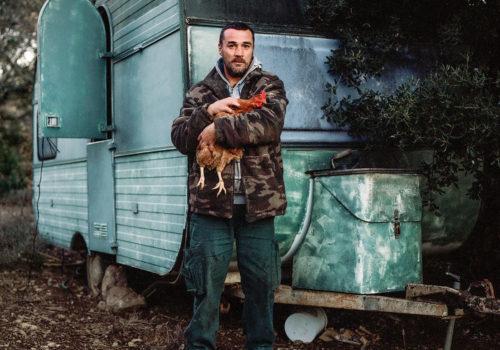
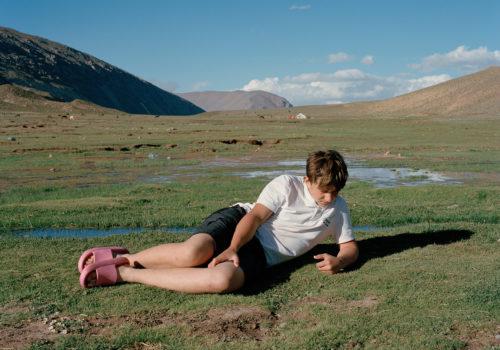
Frank Horvat (1928–2020) was an eclectic photographer who, over a career lasting more than seventy years, addressed a wide range of subjects with great intensity: certainly fashion, which made him famous, but also social reportage and travel, landscape, portraits, and his relationship with art — a constant pursuit marked by freedom and a delicate way of seeing.
“Horvat was a cosmopolitan personality,” says Daniela Porro, Special Superintendent of Rome, “an Italian born in Abbazia, now Opatija in Croatia, who lived in Lugano, Milan, London and Paris and travelled the world, refining his eye and his sense of timing. His images at the Baths of Caracalla pay tribute to an intellectual who traversed the entire universe of photography: from fashion and reportage to artistic research, the exploration of image processing with computers, and journeys to distant or nearby places, such as Sicily, to which one section of the exhibition is devoted.”
“We chose to exhibit three series that resemble Horvat,” explains his daughter Fiammetta Horvat, who manages the archive with Mathilde Oudin, the photographer’s former assistant, “and that illustrate his curiosity while fitting perfectly into this ancient site, created to celebrate the human body and beauty.”
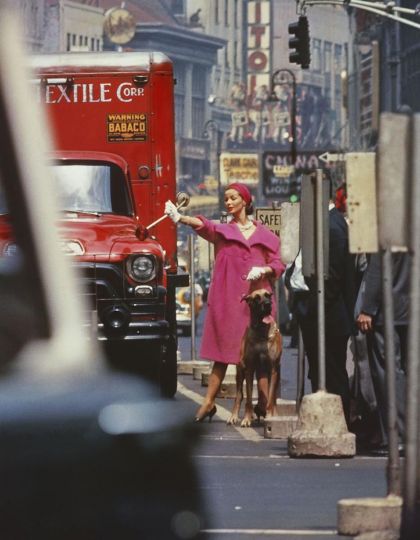
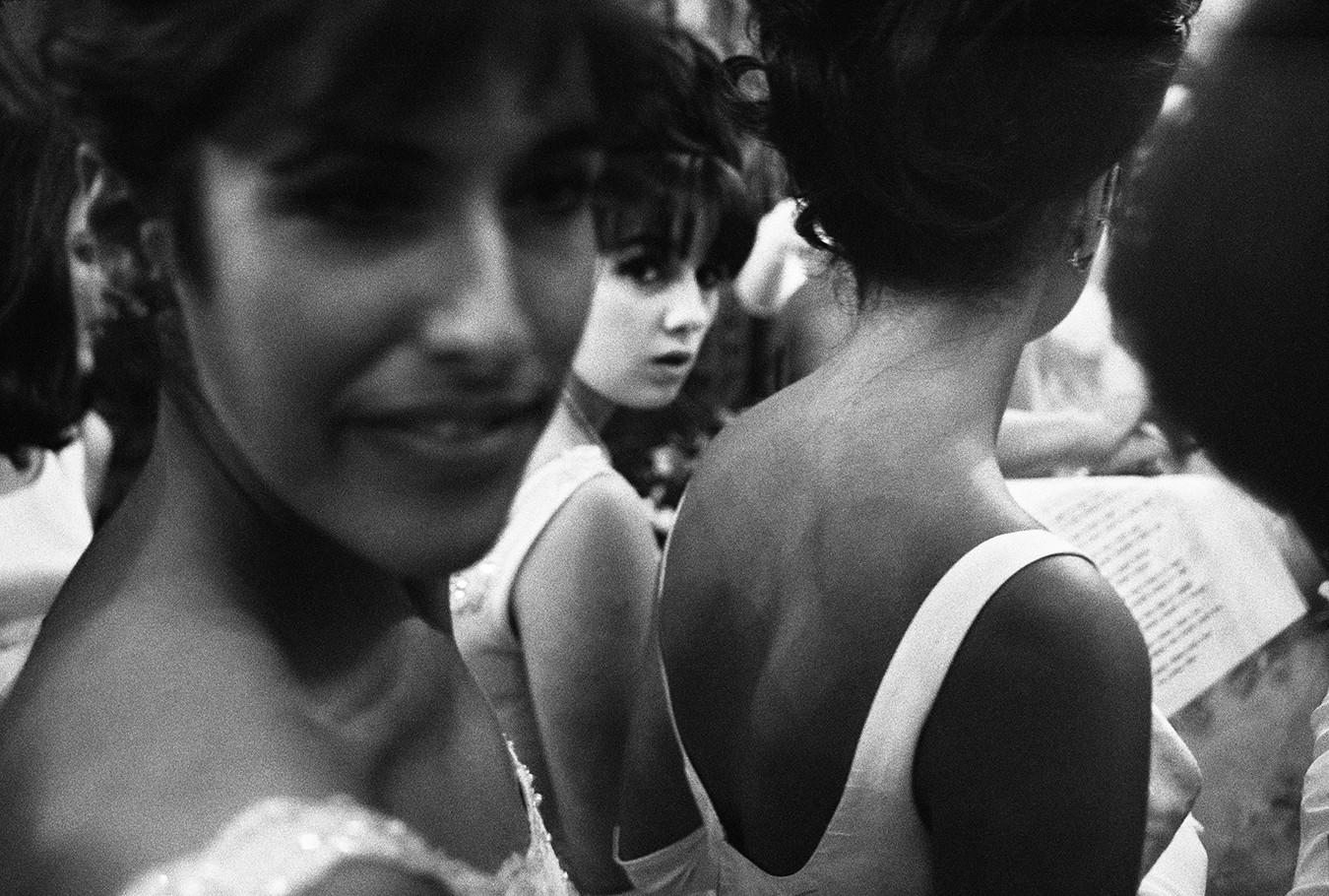
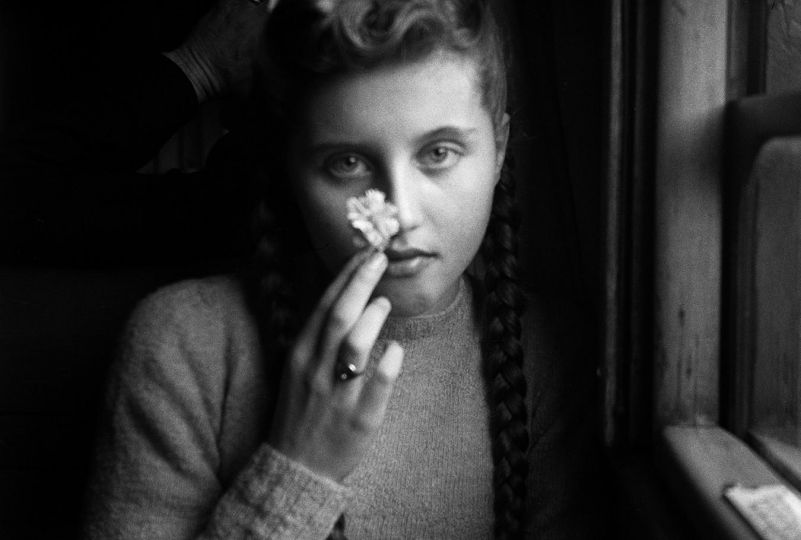
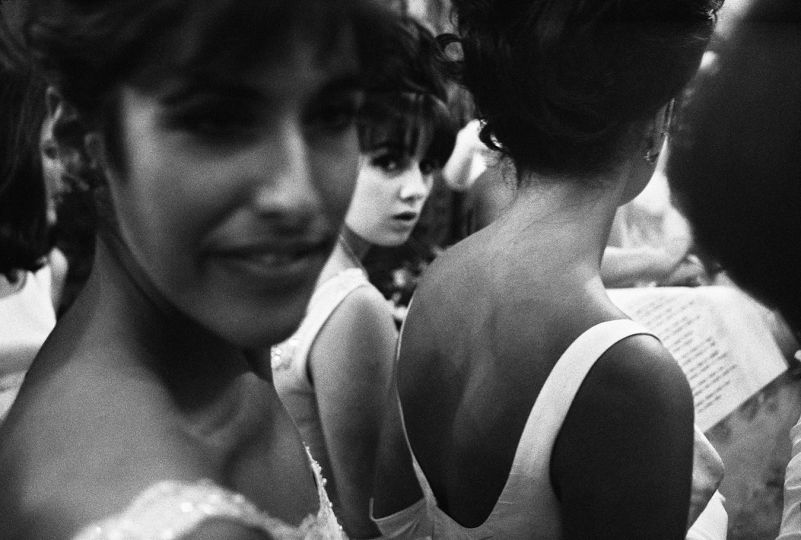
In one of the gymnasia of the Baths of Caracalla, an original itinerary brings together some of his finest portraits devoted to the female world — the subject that, more than any other, reveals the key to understanding the photographer’s work. With a personal approach, Horvat succeeded in overturning the codes of fashion photography, freeing models from conventional poses. He photographed them in the street with a Leica and natural light, often developing relationships of friendship and complicity with them. From the late 1950s onward, the changing idea of elegance, the rise of prêt-à-porter increasingly accessible to middle-class women and the evolution of women’s social status went hand in hand: they were no longer only actresses or dancers, writers or intellectuals, but also tender mothers and working women who were finally independent and demanding greater freedom and the right to be themselves.
What interested him, therefore, was the “real woman”, as also shown by the documentary assignments he made in many countries around the world, from Pakistan and India to Brazil, Senegal, Egypt and Japan.
A focus is devoted to the photographic assignments Horvat carried out in Rome in the early 1960s for Harper’s Bazaar, after being invited by Irene Brin and Gaspero del Corso of the Galleria L’Obelisco. In them, celebrated models of the period appear alongside figures from culture and cinema such as Alberto Moravia, Luigi Barzini and Marcello Mastroianni.
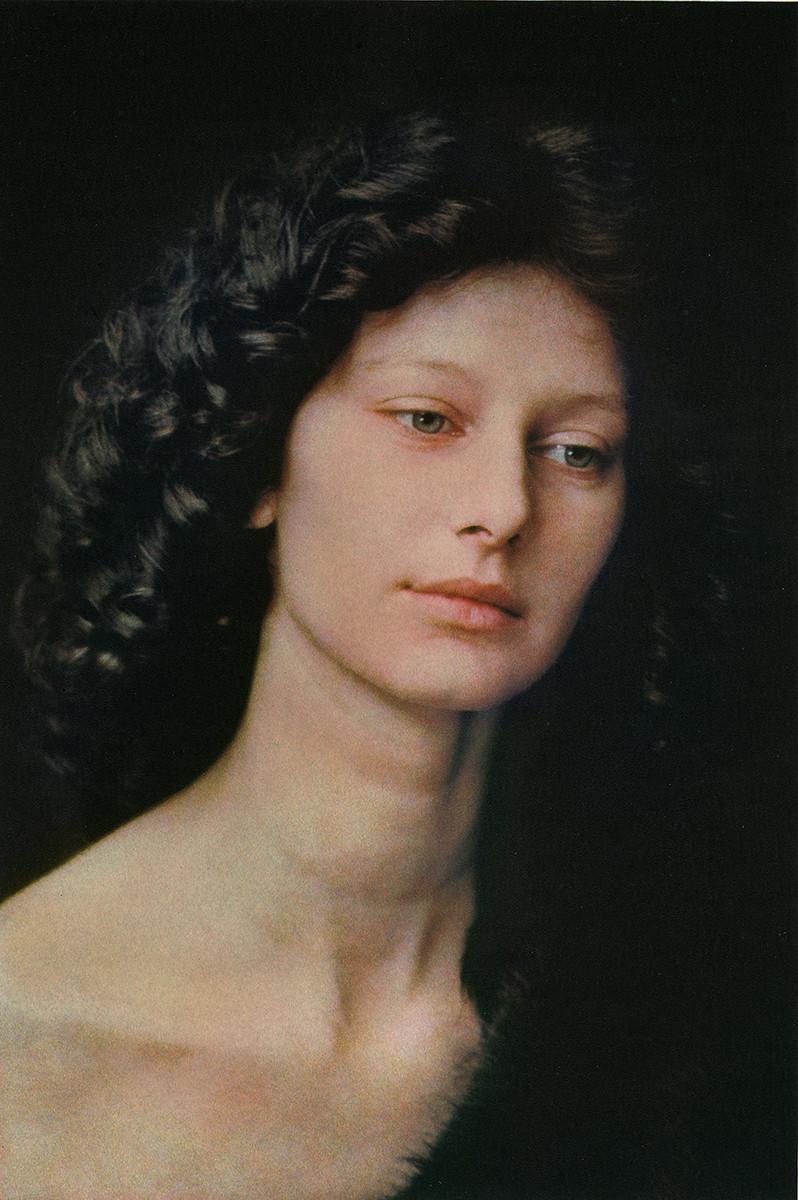
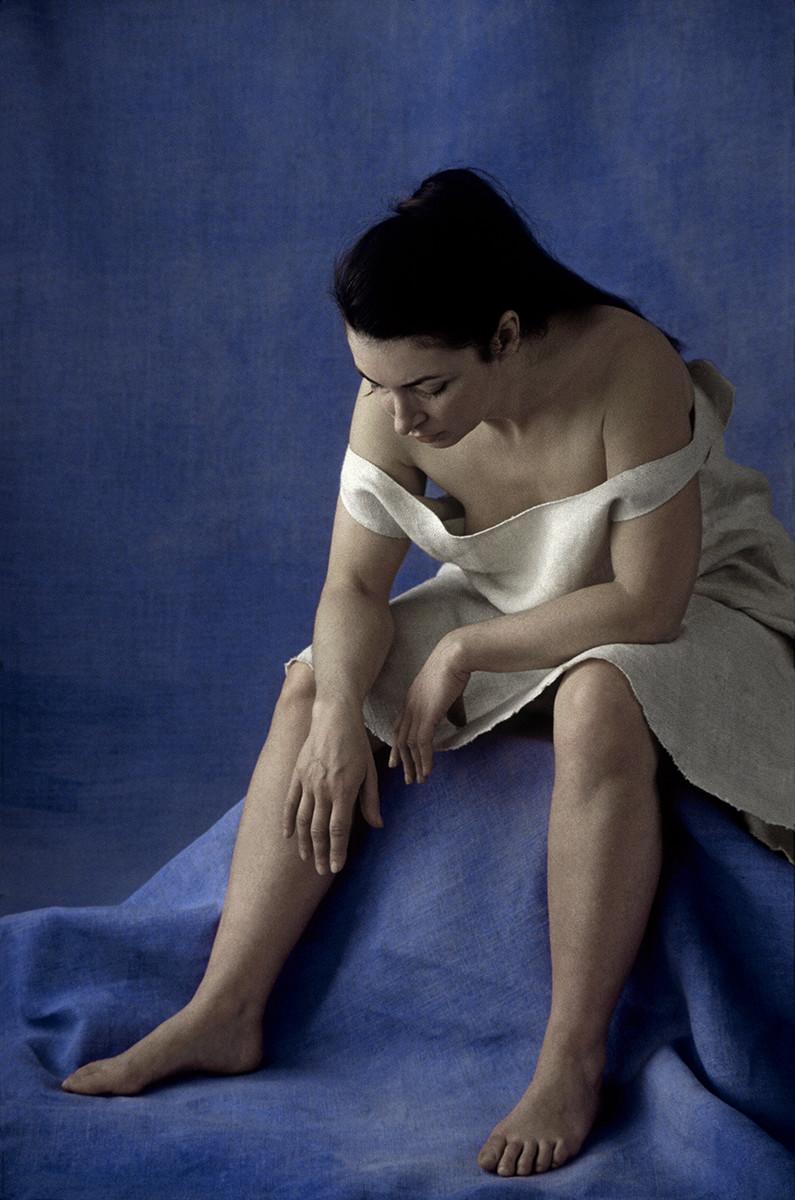
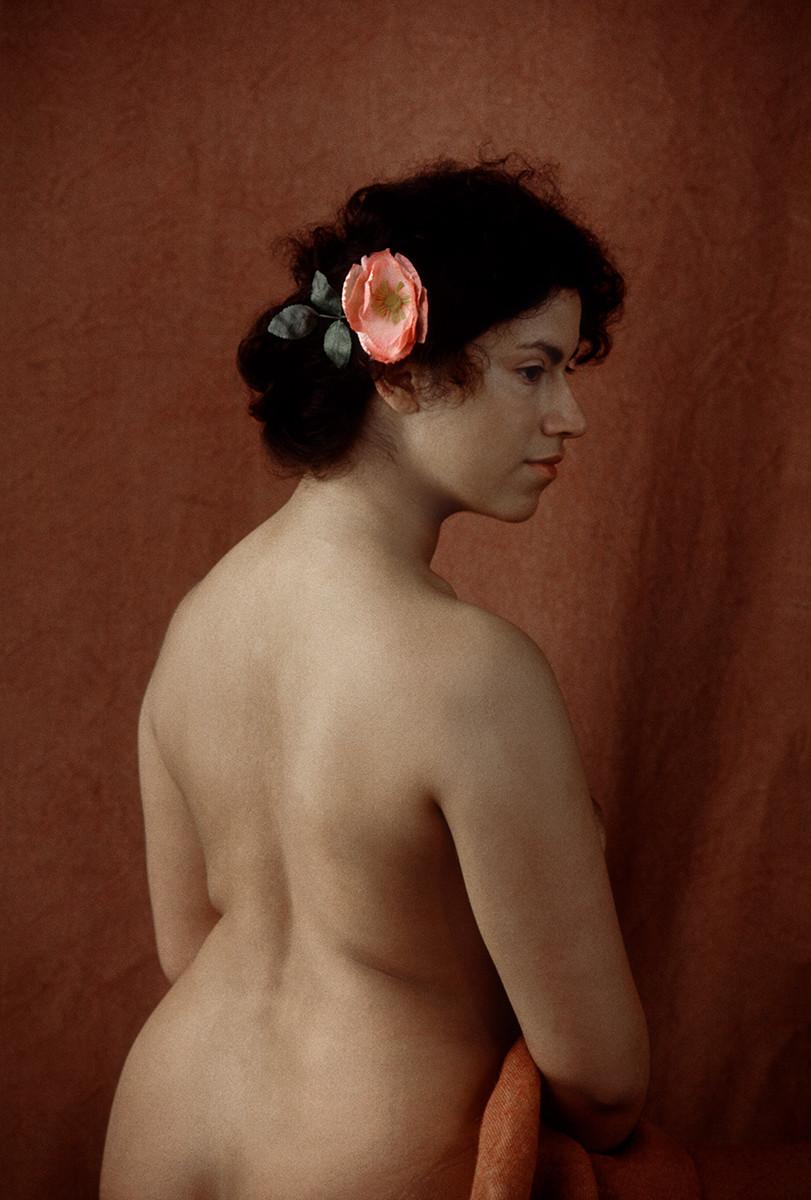
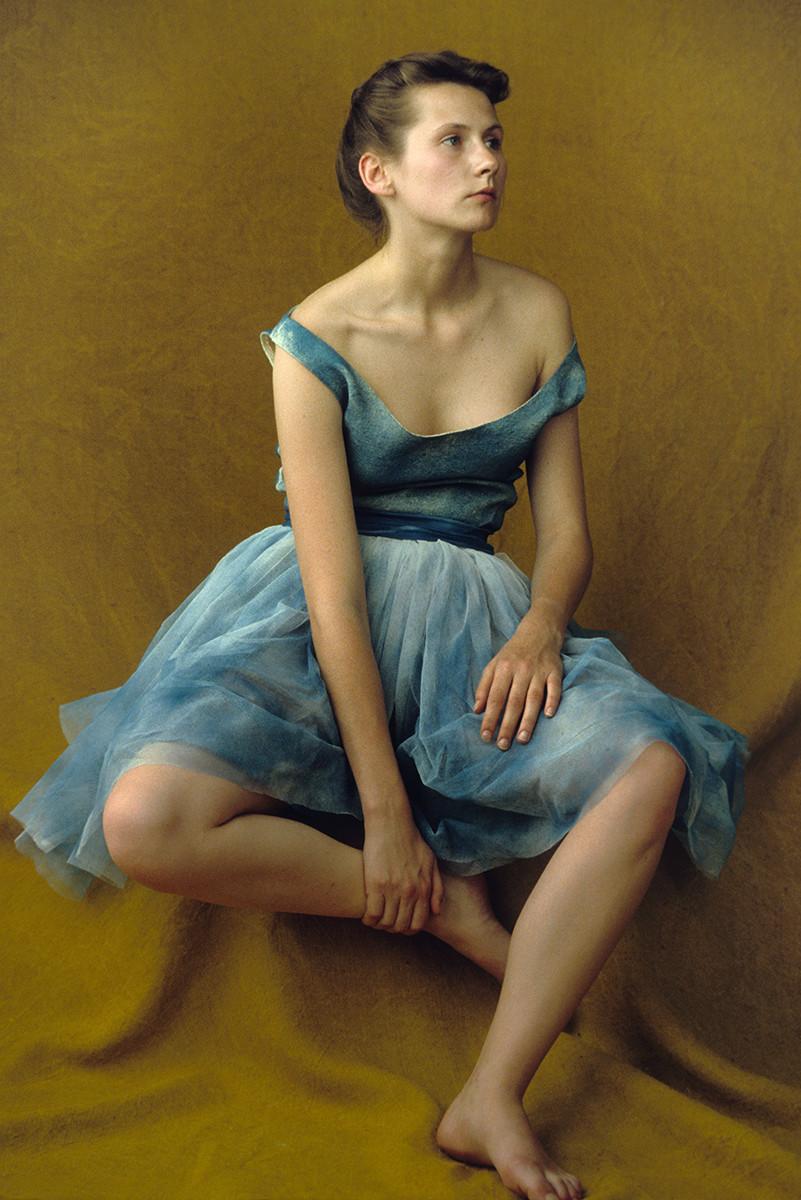
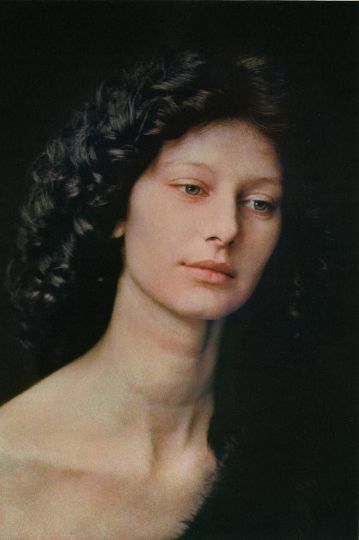
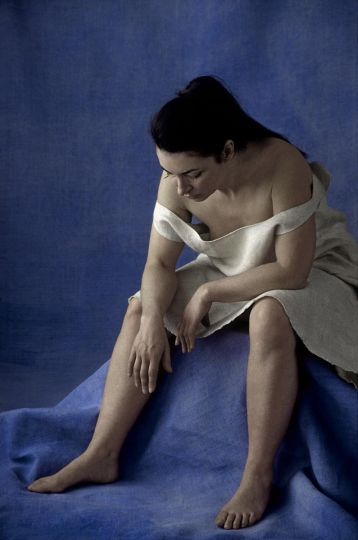
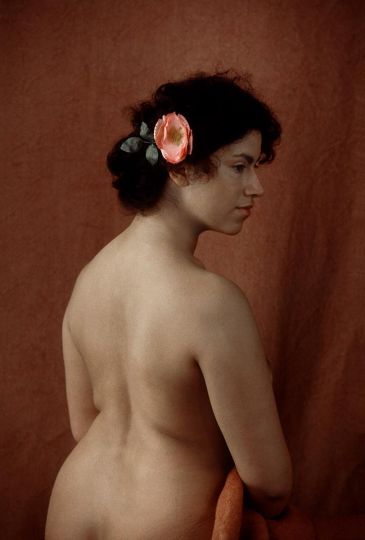
The female figure is also at the centre of the exhibition’s second section, with photographs from the series Vere sembianze, presented in the vaulted spaces of the monument. Here Horvat engages in a competition with painting, creating a dynamic aesthetic dialogue with the great portraitists of the past, while revealing the intimate truths of modern women.
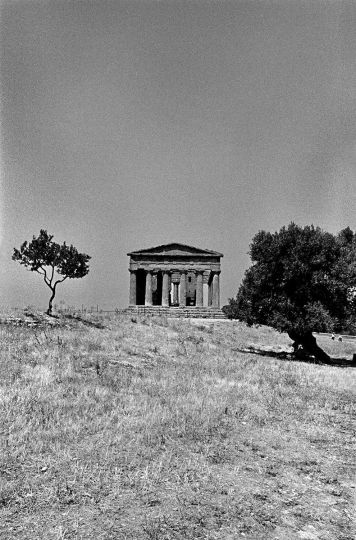
The final section, Goethe in Sicily, is extraordinarily consonant with the monumental remains of the Baths. In the early 1980s, Horvat measured himself against the memorable pages of Goethe’s Italian Journey, discovering a profound affinity with the German writer’s Romantic vision. Fascinated by the Greek culture of the temples, by Rococo traditions and by popular customs, Horvat focused on the island’s unmistakable nature and landscapes, places marked by timeless history.
The volume published by Electa follows and explores the exhibition’s three sections, also bringing together an anthology of the photographer’s writings that amounts to a genuine statement of his artistic poetics. The book opens with a heartfelt tribute by Ferdinando Scianna.
Institutional Text from the Catalogue
Between 1786 and 1787, during his journey through Italy, J. W. Goethe was in Rome, where he was fascinated by the imposing ruins of a past built by “men who worked for eternity”. Almost two hundred years later, a Palermo publisher gave Frank Horvat the opportunity to retrace the steps of the great German writer, illustrating in particular the Sicilian days of his Grand Tour.
For Horvat this was a unique opportunity to step away, for a while, from the world of fashion that had captivated him and turn his lens toward the places visited by the poet, pursuing the emotions that had inspired him. The resulting photographs, made with a single wide-angle lens to obtain a uniform perspective, can now be seen in one of the sections of the exhibition “Frank Horvat” at the Baths of Caracalla, organized by Electa from 11 September 2026 to 10 January 2027.
The vast, unmistakable structures of the monumental complex, defying the passage of time as evoked by Goethe’s words, form the perfect backdrop for Horvat’s works. The exhibition is not only devoted to ancient Sicilian remains, however, but above all to the female world. The other two sections, installed in the spaces around the western gymnasium, include some of the photographs that made him famous: fashion images published in prestigious magazines, in which Horvat sought to portray the “real woman” far from stereotyped poses, and refined female portraits which, thanks to his eclecticism and the influence of the great portrait painters, can be difficult to distinguish from the paintings that inspired him.
Horvat’s perspective is the latest in a series of artists whose work has been presented at the Baths of Caracalla as the site has increasingly opened itself to contemporary art and photography: after Antonio Biasiucci’s Molti in the underground spaces, Letizia Battaglia. Senza fine, Narciso. La fotografia allo specchio, and the Orbital Cultura 2026 prize awarded to Armin Linke, whose photographic documentation of the Baths was commissioned by the organizers, the archaeological site once again provides a setting for the work of a prolific and eclectic artist.
The exhibition takes place during a period of profound renewal at the Baths of Caracalla. Through the ongoing work of protection, research and enhancement by the Special Superintendency of Rome and a Masterplan conceived and coordinated by Mirella Serlorenzi, also financed through PNRR funds, the site is changing toward a new cultural vision and new forms of public engagement, with the aim of fully restoring understanding and enjoyment of the monument for visitors from around the world.
Daniela Porro — Special Superintendent of Rome
Rocco Bochicchio — Director of the Baths of Caracalla
The Baths of Horvat
“My father knew and told history like no one else. He read the events of the past as one observes a large family, identifying disagreements and family ties. He was fascinated by Republican and Imperial Rome, by the incomparable modernity of the Eternal City. As a child, confronted with school textbooks full of patriotic pride, he was captivated by the glorious Roman heritage.
We chose to exhibit three series that resemble him, that illustrate his curiosity and are in perfect harmony with this ancient site, created to celebrate the beauty of the body.
The series Goethe in Sicily is presented for the first time in its “natural habitat”. Frank retraces the splendour of classical antiquity described by the German author, whose writings his mother read to him as a child.
Vere sembianze is a study of feminine beauty through the ages: each period of history corresponds to an ideal of femininity. Long before Photoshop became widespread, through plays of tone and light, Frank drew inspiration from the masters of painting to embody the uniqueness of each woman in colour.
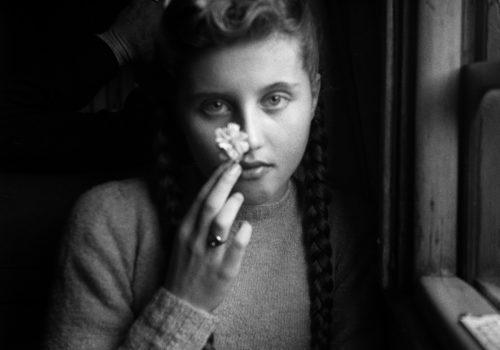
Ritratti di donne reali bears witness to his way of experiencing the world and relationships with women. These photographs capture moments of complicity, tenderness or shared wonder. Throughout his life, Horvat sought friendship and understanding from women. The memory of his mother, her intelligence and her rigour, guided him to the end.
And here he is at the Baths of Caracalla. I like to imagine that he knows about this gift — he loved the idea of exhibiting in unusual spaces and dreamed of filling car parks and forests with his photographs. I do not think he ever imagined Roman baths.
— Fiammetta Horvat
Portraits of Real Women
“A moment of truth is the moment when the model confronts her portrait. I would like her to find herself in it as in a mirror, but also to question herself and, in the best case, accept herself enough to be able to say: ‘Yes, that really is me; this is how I like to be seen.’”
Frank Horvat always said that he did not consider himself a fashion photographer, although his fashion photographs, published in the most prestigious international magazines and made in Milan, Rome, Paris, London and New York, remain among the most iconic of all time, alongside those of Jeanloup Sieff and Helmut Newton. Like them, he was a kindred iconoclast who broke the codes of the genre then in force, photographing models in the street with a Leica and natural light and freeing them from the stereotyped poses of the period.
His approach was personal but clearly connected to changes in fashion and the idea of elegance, with the rise of prêt-à-porter accessible to middle-class women. As Virginie Chardin has noted, this also corresponded to changes in women’s status at the end of the 1950s: they were not only actresses or dancers, writers or intellectuals, but also mothers and working women, independent and demanding greater freedom and the right to be themselves.
What mattered to him was therefore the “real woman”: the ability to capture personality and genuine sensitivity beneath the false eyelashes of his models. His fashion photographs can thus be considered female portraits in every sense. In photographing models, he established friendships and complicity that sometimes lasted a lifetime. He wanted his fashion photography to be spontaneous like street photography, as were the documentary assignments he made, with a certain shyness and delicate disillusionment, in countries around the world including Pakistan, India, Brazil, Senegal and Japan, published in important magazines such as Epoca and Life.
Goethe in Sicily
“Goethe drew everything; we take photographs.” — Erich Arendt
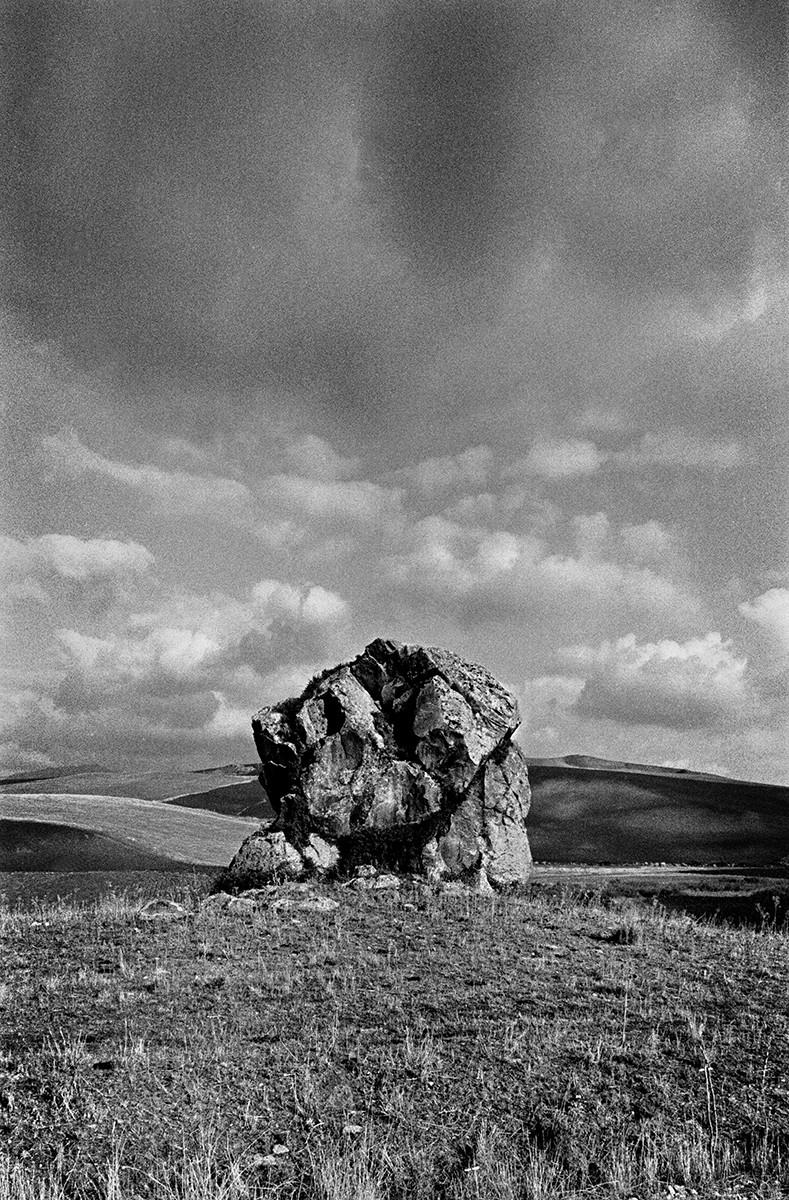
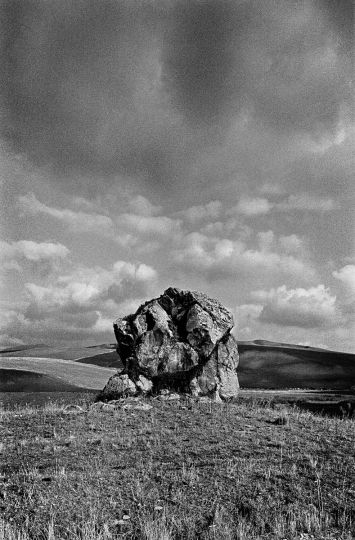
The twenty intense black-and-white images, accompanied in the exhibition by selected passages from Goethe’s Italian Journey, take the viewer back in time to discover the island visited by the German writer in 1787, which revealed itself to him as the key to his entire journey through Italy, the Arcadia he had dreamed of.
In 1981, at the initiative of a Palermo publisher, Frank Horvat travelled through Sicily in Goethe’s footsteps. He was driven by the intention of photographing the places visited by the poet and attempting to capture what Goethe must have seen — to grasp his vision and spirit: the Greek culture of the temples and the Rococo grotesques that, like “lashes of madness”, adorn the Villa Palagonia in Bagheria.
Horvat too concentrated on the island’s unmistakable nature, framing the bay dominated by Monte Pellegrino, fields sometimes barren and sometimes fertile, the Promethean horizons of Etna, and places whose historical enchantment seemed to have survived the ravages of the centuries.
“These are images without people, without action, without adventure; Horvat did not want to stage scenes or sequences of local life” (Willy Fleckhaus), nor did he like anecdotal details: no friendly fisherman, intrusive beggar or sun-baked peasant, the accessory figures of pictures that had quickly become classic souvenirs for Grand Tour travellers.
To obtain a uniform view, Horvat mounted a shift wide-angle lens on his Nikon, giving him constant control over perspective and allowing him to render precise detail while framing a wider field without distortion at the edges. He had therefore aligned himself in the viewfinder with Goethe’s mobile, restless eye, capable of grasping and recording details without losing sight of the whole.
Frank Horvat succeeded in interpreting the atmospheres and conveying the central constellations of Goethe’s journey through Sicily: the sensual quality of the landscape, the iridescent transparencies of sea and cloud-filled sky; geological and mineralogical observations among rocks, sands and granite; interest in religion, popular piety and ecstatic collective miracles; peculiar customs and survivals of pagan superstition; reflections on art and architecture and, above all, archaeology — reflections that sound particularly familiar in the grand vaulted halls of the Baths of Caracalla.
Vere sembianze
“References to famous paintings are merely a pretext, a framework I offered the models in order to make them even more like themselves.” — Frank Horvat
This seductive series of female portraits, begun in the 1980s, confirms how Horvat’s later research conceals beneath an aesthetically polished surface a depth that can only be explored through more than superficial admiration. Its inspiration comes from famous paintings: poses recreated with models in the studio, clothing and ornaments are echoed, but no one could mistake these works for reproductions rather than original photographs.
The variations from the models are subtle and carefully studied — a Raphael Madonna, Leonardo’s ambiguous Saint John the Baptist, a Velázquez menina, a Fayum portrait, an Ingres odalisque, a Goya Maja, even a Picasso from his Blue Period. His mastery of detail and ability to recreate the light, atmosphere and mood of an old painting temper the risk of producing hyper-realistic images that could be confused with oil paintings or read as postmodern reinterpretations.
He used the Fresson pigment-printing technique to soften tones and textures, seeking the desired effect through a secret of successive four-colour printing stages that echoed the methods of painting, in which colours are effectively applied one by one.
Equally essential was the scouting of faces that had to seem to come from another era: Degas’s dancers and the muses of the great masters come to mind, yet these were modern women with classical faces, dressed and composed as though seated in reverent silence before Rembrandt or Vermeer. Women of all ages and different, often unusual physiognomies, sometimes nude and photographed with respect, occasionally outside the beauty standards imposed by fashion photography — women who might never have appeared in the glossy magazines of the time.
But the photographer’s most interesting aim was to make classical references a device for involving the subject in a fiction that allowed her to reveal herself. If the model agreed to let her everyday life be breached so that every expression and gesture could be captured, then, as Horvat wrote, “this intrusion would be a false violence, the photographer a false voyeur, and intimacy only a deceptive appearance.”
Curators: Fiammetta Horvat, Mathilde Oudin and Nunzio Giustozzi.
Frank Horvat
11 September 2026 – 10 January 2027
Baths of Caracalla
Viale delle Terme di Caracalla
00153 Roma RM, Italy
https://www.turismoroma.it/it/luoghi/terme-di-caracalla