Katia Kameli
Born 1973 in Clermont-Ferrand, France. Lives and works in Paris, France.
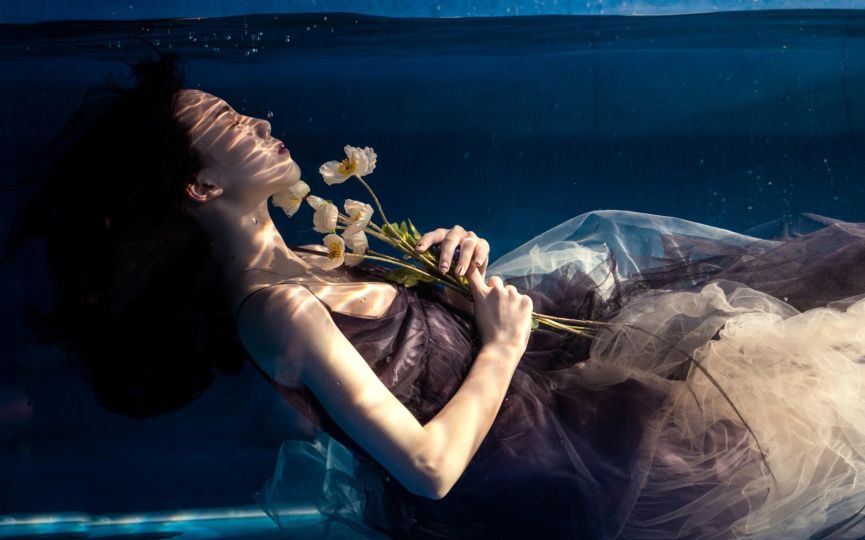
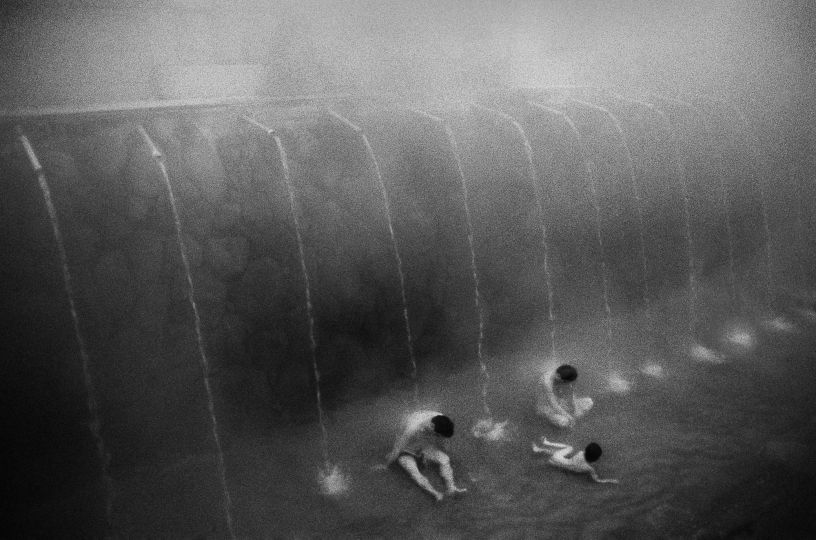
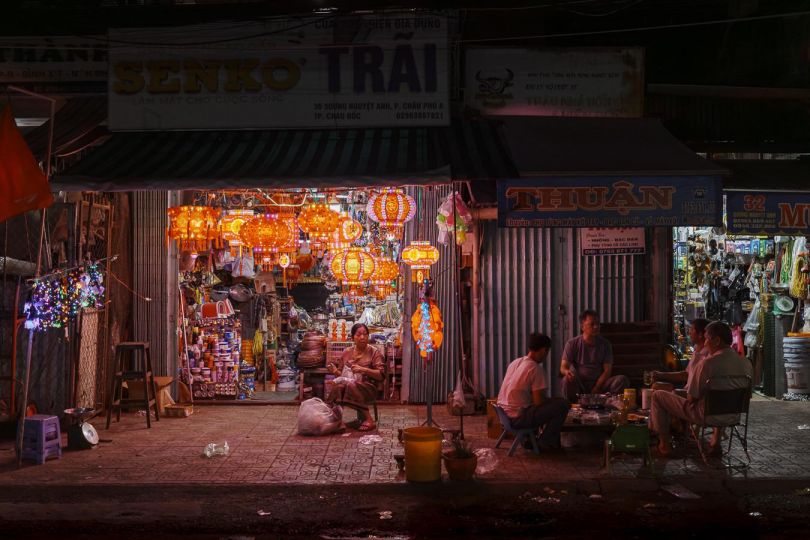
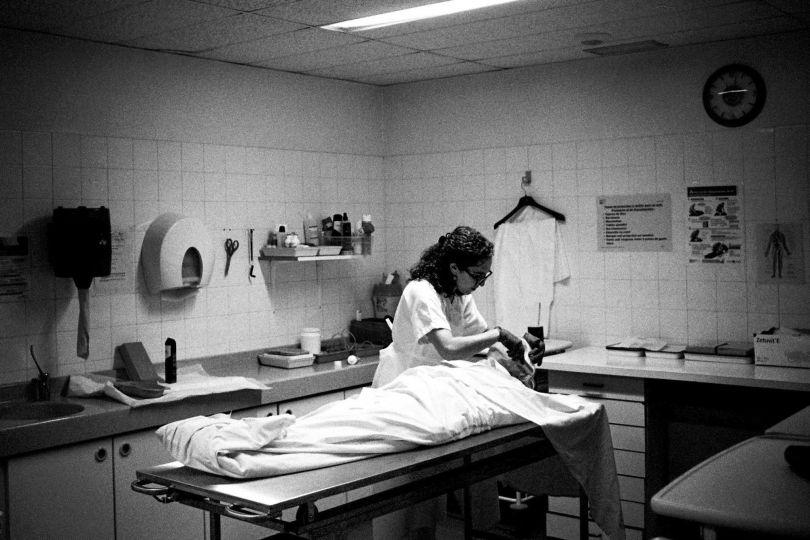
Katia Kameli is a Franco-Algerian filmmaker and visual artist. Raised between distinct social and cultural spheres, she challenges dominant narratives and explores the overlooked aspects of history. She describes herself as a translator, viewing translation not as a simple act of transmission between two cultures but as an extension of meaning and form. For the past twenty years, she has produced counter-narratives shaped by porous boundaries, and reciprocal influences. Her work combines film, installation and performance, alongside photography, sound, theatre, and drawing. In her work, research and historical sources give rise to a visual and poetic language.
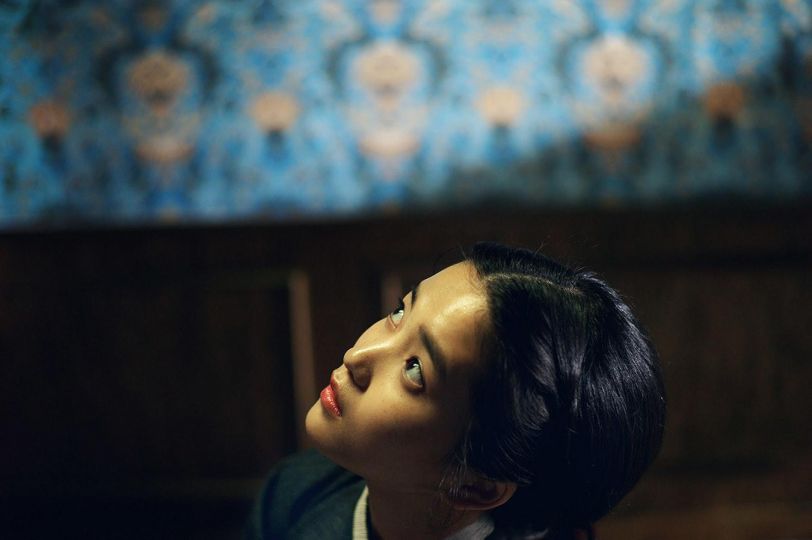
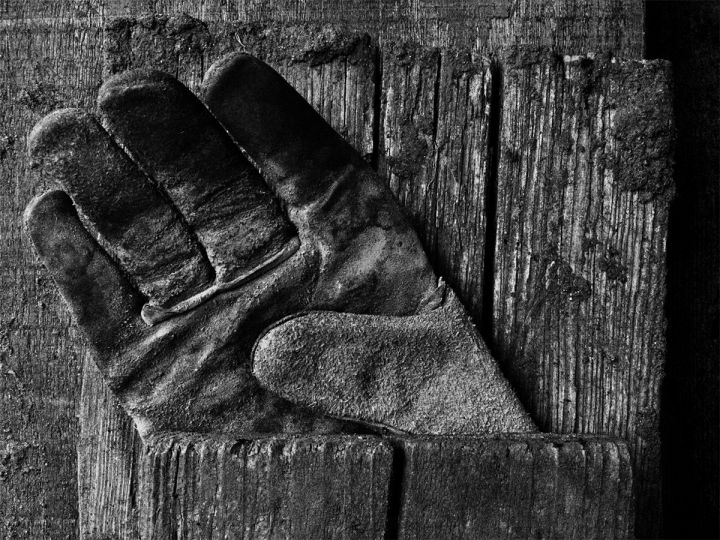
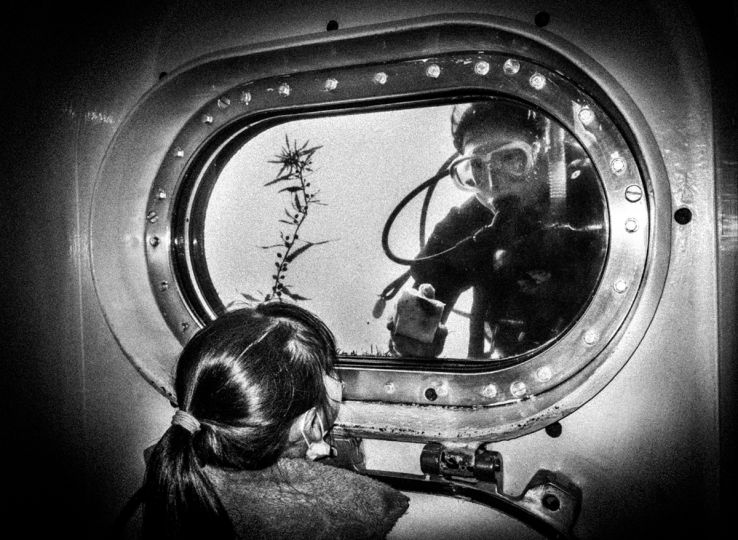
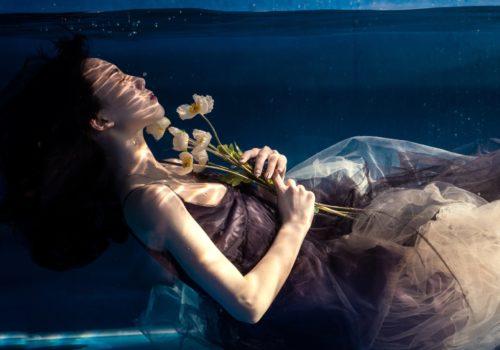
The Algerian Novel, the compelling iconographic investigation Katia Kameli has been developing since 2016, is neither a monument nor an anti‑monument: it is a work in motion, one that brings together voices, imaginaries, and historical and cultural moments to enrich Algeria’s history and collective memory. Chapter after chapter, this polyphonic essay film offers an embodied reflection on the making of images in all their diversity. Postcards, press photographs, artworks, and popular objects are examined and tested for what they reveal about the past and project into the future.
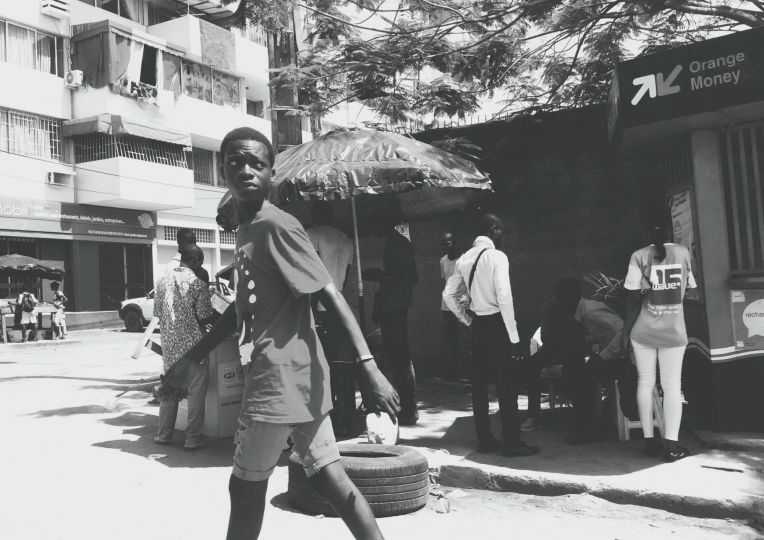
In 2016, the first chapter focuses on the “kiosque aux images” (a street stand displaying and selling photographs and printed images), one of the few public spaces in contemporary Algiers.
In 2017, Kameli invited theoretician of images Marie‑José Mondzain to bring her perspective to key visuals in Algerian history—from colonial imagery to the flag of independence. In 2019, the third chapter follows Mondzain in Algiers during the Hirak, where she meets Louiza Ammi, one of the few photojournalists of the Black Decade, and follows the path of writer and filmmaker Assia Djebar (1936‑2015) in Cherchell.
In The Algerian Novel (A New Chapter), Kameli continues to develop a visual narrative shaped by multiple female voices —where the narrators act as both transmitters and authors—and probes and extends the potential of Djebar’s film‑poem La Nouba des femmes du Mont Chenoua (1978). She engages in particular with its lead actress Sawsan Noweir, and captures the resurgences of iconic places and figures of La Nouba: from the caves located near Tipaza to Mount Chenoua, where potters carry on an ancestral craft that already fascinated Djebar. For the first time, Kameli also draws upon her own life and artistic journey, making the transmission of gestures and memories, as well as the back‑and‑forth between past, present, and future, clearly central topics.
Clément Dirié
Venue
Église Saint-Blaise
Curation
Clément Dirié
Exhibition produced by the Rencontres d’Arles.
Exhibition presented as part of the Saison
Practical Information
Festival dates: July 6 July – October 4, 2026
Opening Week: 6–12 July, 2026
All-exhibitions pass: €42 (reduced: €33)
www.rencontres-arles.com/en