The greatest Argentine photojournalist, Diego Goldberg, shares his thoughts on AI.
The first waves of the AI tsunami have arrived to our shores and we are, and should be, worried of its implications and how it will affect our lives. As with many innovations all along history they carry promises of a better future but with them many unknowns: accepting change requires time and a certain amount of effort and we do that slowly in the beginning until a critical mass is achieved and the new realities take hold. In the case of the arrival of AI and how it will impact in all aspects of our lives I would like to center my views specifically on our discipline: photojournalistic and documentary photography. It is not a subject to tread lightly: we should reflect, analyze, exchange ideas and see where that takes us. But my thesis is that dangers are overblown, we’ve lived similar situations, as we shall see, and fears were highly exaggerated.
There were several instances in history when we thought change would be for the worse but in the end those preoccupations proved to be unfounded. Some examples:
When writing was being adopted in ancient Greece some (apparently Socrates among others) expressed their concern that with the advent of the written word oral traditions would be lost and not only that, even human memory would be atrophied for the lack of use.
Didn’t happen.
This critique reflects a broader skepticism about the impact of new technologies on traditional practices. It is a timeless concern that echoes in debates about modern innovations like the internet and artificial intelligence.
With the arrival of phones with cameras the prevailing idea was that everybody could then become a photographer and professional photographers would soon be out of business. In particular in the press the idea was that journalists would carry cameras and do both jobs and save money. These mistaken ideas made me think of the advent of literacy. But nobody sounded the alarm then that with everybody being able to write, writers and poets would disappear.
Didn’t happen.
Then came Photoshop. And with it another catastrophe in the making. Now, nobody could really tell what was real and was created in the computer. Camels moved in a Geographic cover: the horror ! As was said then the manipulation of images was as old as photography itself. From people erased in soviet pictures to “creative retouching “ in some of Eugene Smith’s photographs. But after some hits and misses the antibodies in the community prevailed and today it is no longer an issue.
Didn’t happen.
With AI we now have Photoshop squared. The power to create believable images is so extraordinary that, again, deciding what is a representation of the “real” will no longer be possible.
But, then again, would that be any different with what is happening with the written word ? We never needed technological breakthroughs to manipulate information since the beginning of times. Examples are plentiful and I won’t mention them here because they are well known: from Goebells’ lies to fake news.
How do you know if what you are reading in your favorite newspaper is true or not. You don’t. You have a certain trust based on previous experience with the medium and also because of the famous confirmation bias. To really check the veracity of what you are reading you would need to read the same info in different outlets and then make an informed judgment. And not only the veracity related to facts but also how those facts are reinterpreted according to who is writing about them. The horrors of Gaza are seen very differently in the Israeli and the Palestinian press,
Why would photography be any different ? What is so special about the image that it has to be sacrosanct and unpolluted ? Photos were never synonymous with the truth and as a representation of the real also subjected to the point of view of the observer even though in the public sphere this was not understood.
And we don’t have to forget that photojournalism and documentary photography are used in different mediums – press, websites, books – and in those there are safeguards to prevent when possible the dissemination of fake images. There will always be bad actors but also antibodies that will fight the infection.
Writing didn’t kill human memory. Literature is alive and well even if almost everybody can write. Photography didn’t kill painting. Professional photographers still work in spite of a camera in every pocket.
And the advent of AI will not mean the demise of photojournalism or documentary photography.
Won’t happen.
Diego Goldberg
https://www.diegogoldberg.com/
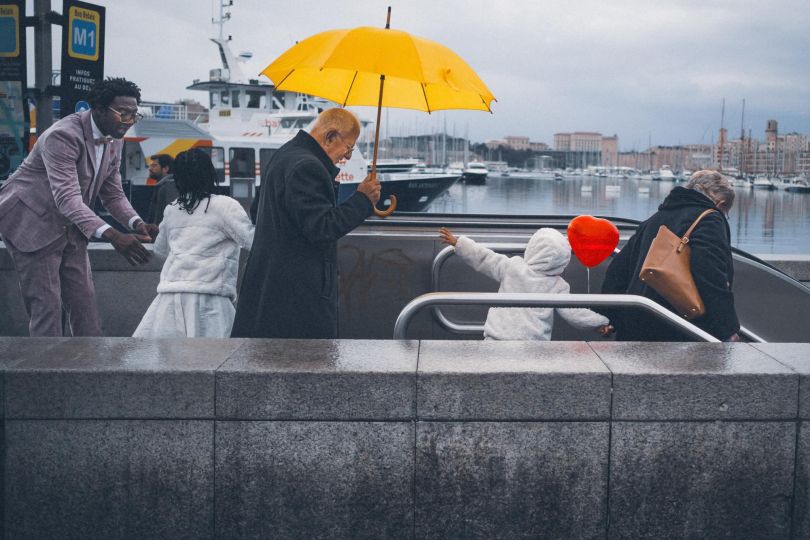
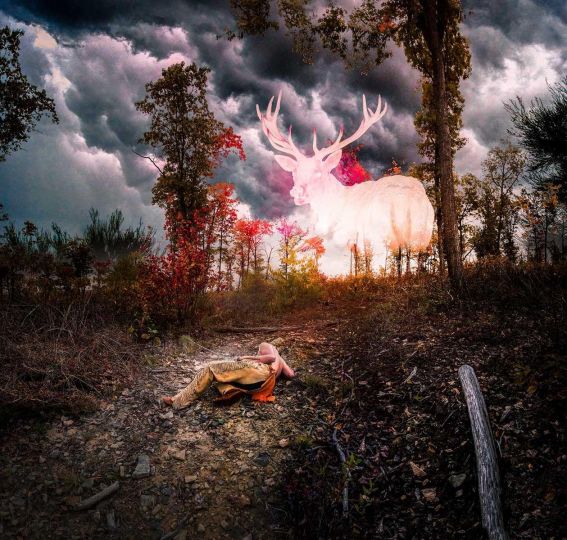
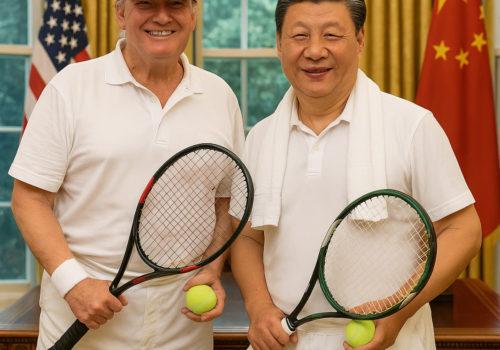
Image generated with ChatGPT