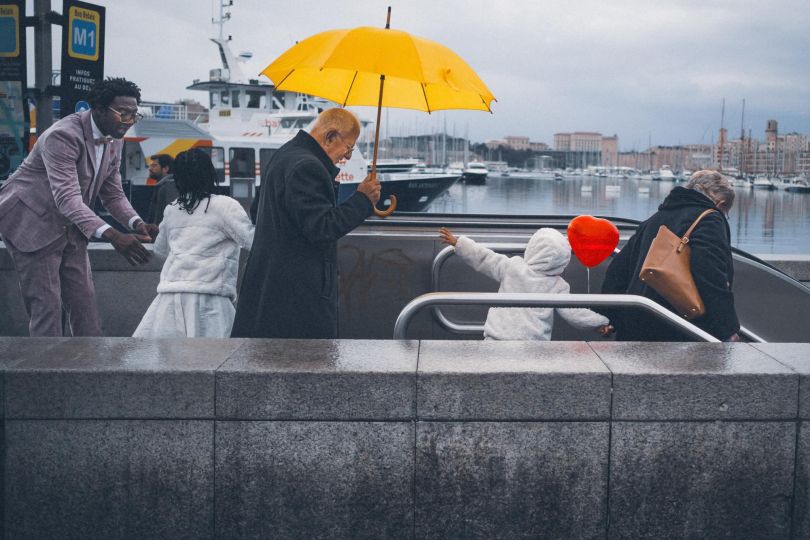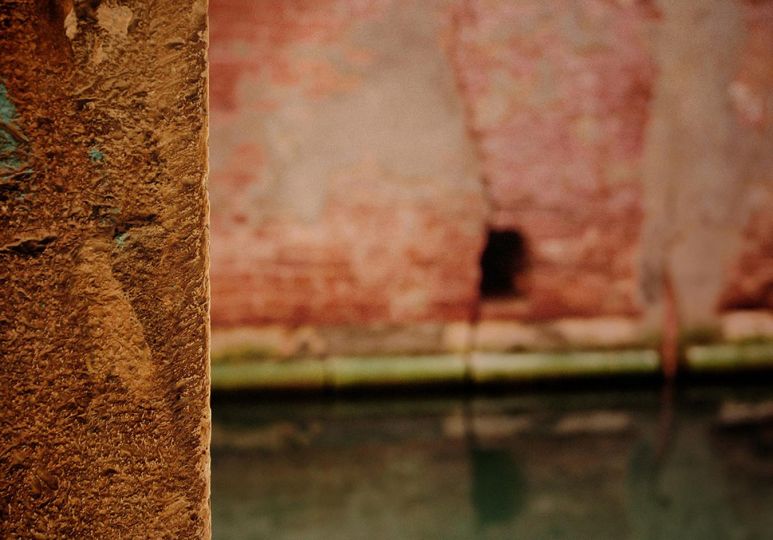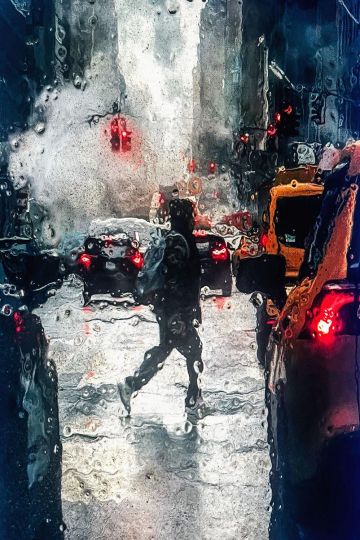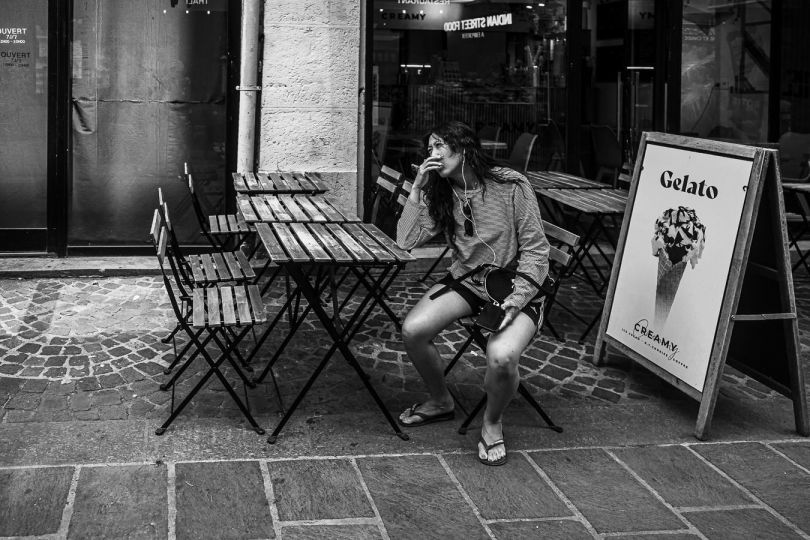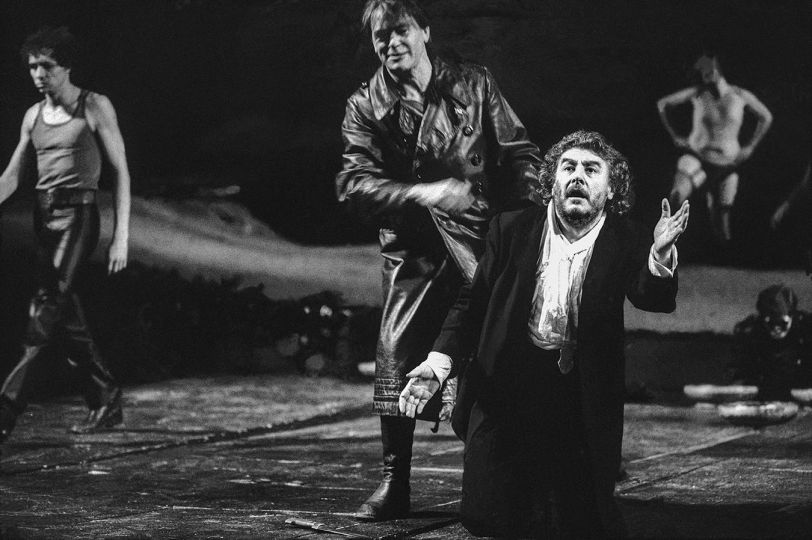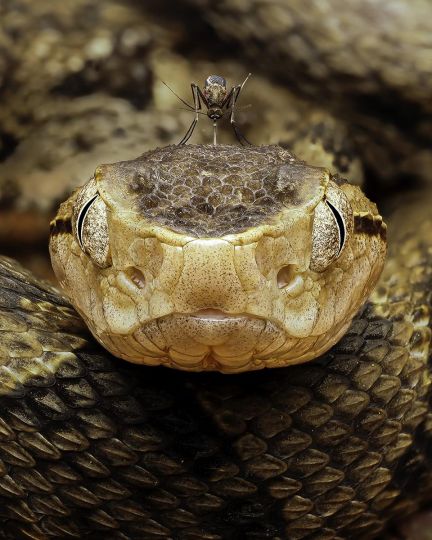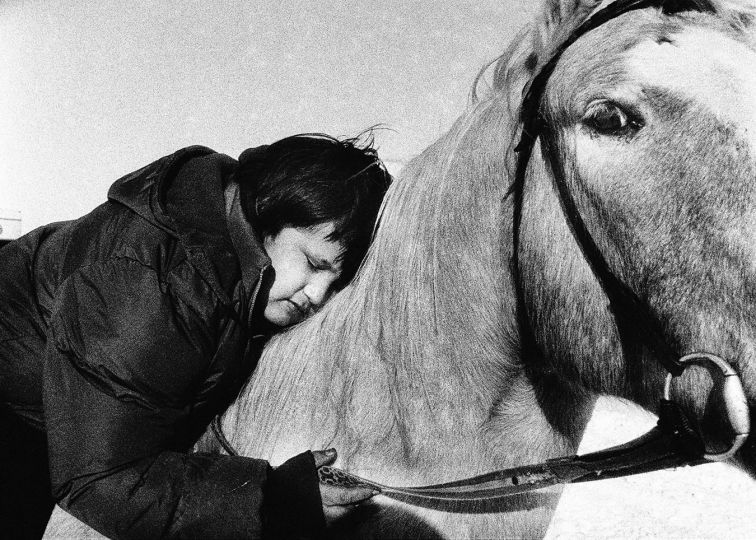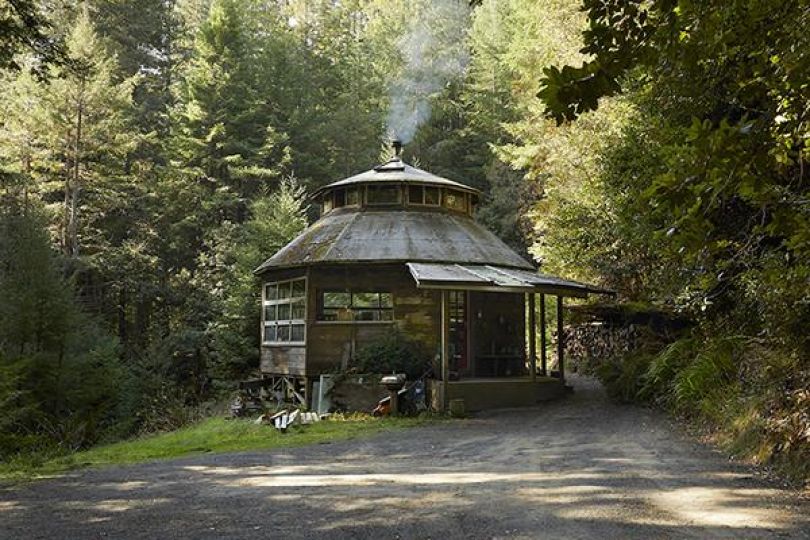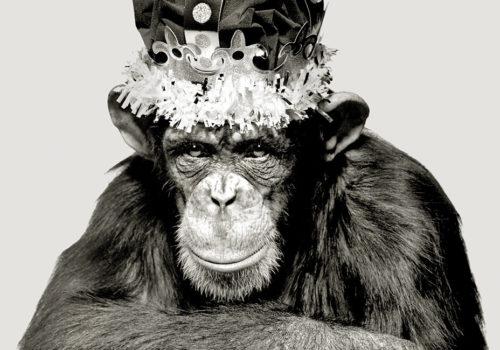
Albert Watson is not just a photographer: he is an explorer of reality, an architect of icons, and manipulator of aura. His portraits from David Bowie to Steve Jobs, from Kate Moss to Jack Nicholson do more than freeze faces: they dissect celebrity to reveal the intimate mechanics. Under his lens, the icon deconstructs and recombines, becoming enigmatic, oscillating between tension and poetry in an almost cruel balance.
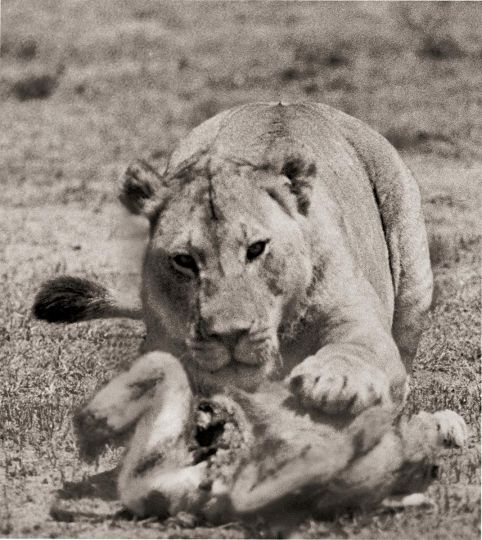
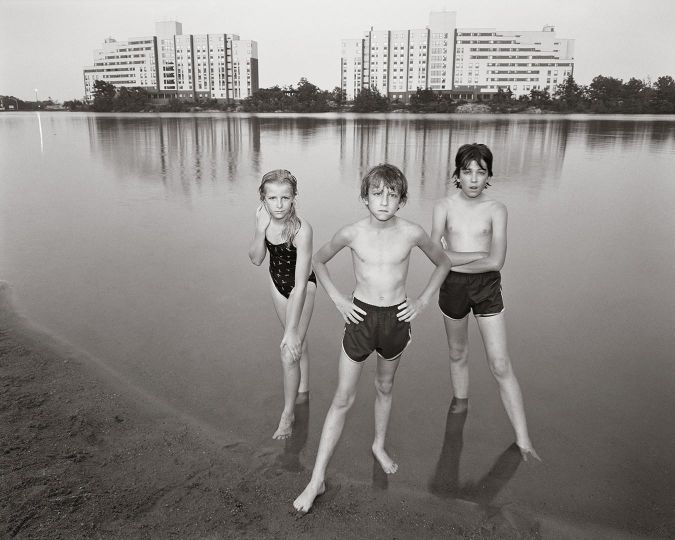
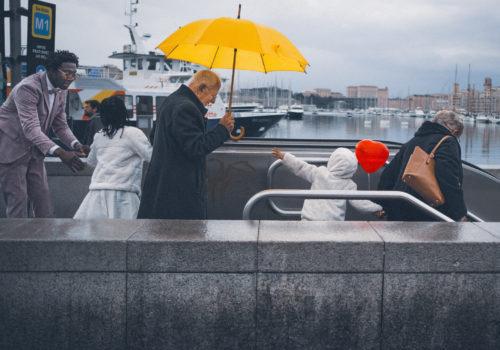
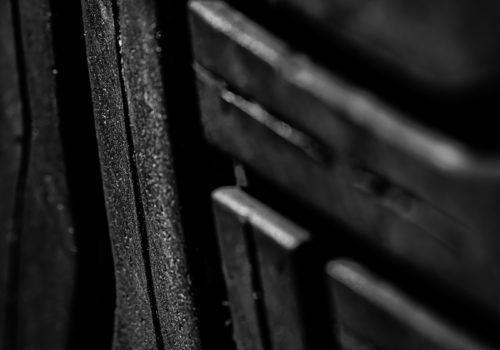
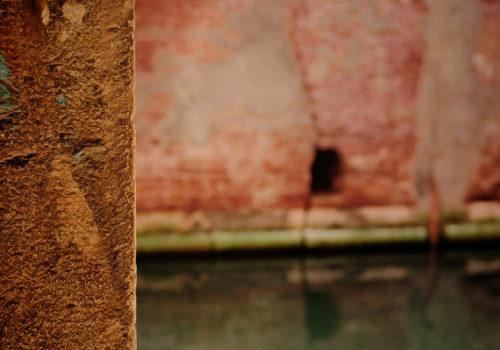
What fascinates about Watson is his ability to transcend the mere snapshot and achieve a visual totality. Portraits, fashion, landscapes, still lifes, street photography: every genre becomes a playground for graphic and cinematic experimentation. Textures are sculpted, light cuts and magnifies, and every scenes whether a Scottish landscape or the bustling streets of New York become a character in its own right.
In KAOS (Taschen), this retrospective unfolds like a demanding kaleidoscope. Unpublished Polaroids, the artist’s notes, and critical essays offer a unique insight into Watson’s creative process — a photographer who defies time and trends and continues to question what it truly means to “capture” a subject. Between graphic brilliance and psychological exploration, Watson shows that photography can be both an instrument of seduction and a precision weapon, a mirror of the world and of the soul.
Website : www.albertwatson.net
Albert Watson. KAOS : Multilingual edition, Taschen, 125 €
What sets this new edition of KAOS apart from the original?
Albert Watson: Very few differences. Only one photo was replaced with an image from my latest project in Rome. And the portrait of R. Kelly was removed for editorial reasons: since his conviction, it no longer aligned with the book’s ethics.
You’ve shot over 200 covers and countless iconic portraits. How did your training shape this journey?
A.W.: My path wasn’t linear. Seven years of study in Dundee, up to a PhD, taught me that every image must live on paper and on a wall. This demand for print quality is something I still uphold in my studio everything passes through me. That’s at the heart of KAOS.
Steve Jobs and Hitchcock: what were your intentions behind these portraits?
A.W.: For Steve Jobs: absolute minimalism, authority, and calm concentrated in a single image. And for Alfred Hitchcock: boldness and confidence. I dared to suggest the plucked duck to evoke his universe and it worked.
Does a photographer create the icon or reveal it?
A.W.: Both. The aura often already exists, but photography condenses it, makes it tangible. An image can capture what everyone feels but cannot express.
Can a powerful photograph escape time?
A.W.: It is always born in a specific era, but if it is simple and direct, it survives. Complex images age quickly.
Is photography a document or a construction?
A.W.: It’s a construction. Even the simplest portrait is a series of decisions light, distance, moment. Objectivity is a mirage; every image is an interpretation.
Your style mixes graphic design and cinema. How does this manifest?
A.W.: Every image combines my roots in graphic design, my interest in cinema, and my passion for the subject. Some photos are purely graphic, others narrative and cinematic, especially through tungsten lighting. This blend allows me to move from portrait to fashion, landscape to art with the same energy.
Your relationship with fashion photography and its evolution?
A.W.: Fashion has always attracted me: fabrics, design, women… I direct models like a filmmaker. But today, the fashion world feels frozen. In the past twenty-five years, stylistic breaks have almost disappeared. Technology has changed many things, often at the expense of creativity.
Technically, which tools do you favor?
A.W.: From 35mm to 4×5, sometimes 8×10. Light behaves differently depending on the format; the optical quality of large format is irreplaceable. Even a smartphone has its interest, but it cannot replace the expertise of printing.
Black & white or color?
A.W.: Both. Sometimes I want black & white, sometimes color. It’s like choosing between an apple and a peach: both have their taste.
Your thoughts on artificial intelligence in photography?
A.W.: Primitive but stimulating. AI interprets images differently, sometimes unexpectedly. It forces a new way of thinking and opens paths for curious photographers.
Advice for young photographers?
A.W.: Passion is everything. Love what you photograph, master technique, study your subjects. I’ve had 600 assistants; only one became a complete photographer. It’s all about discipline and obsession with photography.
Looking back, have you achieved all your goals?
A.W.: I’ve explored every terrain campaigns, editorials, music videos, stars worldwide and I continue. Photographers never retire!
How would you define your photography today?
A.W.: Three things: graphic rigor, cinematic approach, undiminished passion. The wonder of seeing an image appearing in the developing tray is still there. Curiosity, energy, and obsession run through my work across decades. Photography demands everything, and it is this total absorption that creates relevance.
Text and Interview by Carole Schmitz.