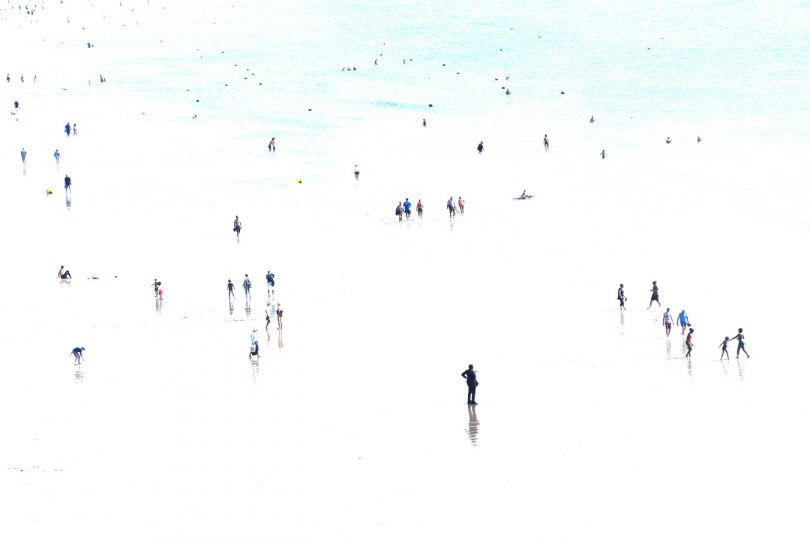
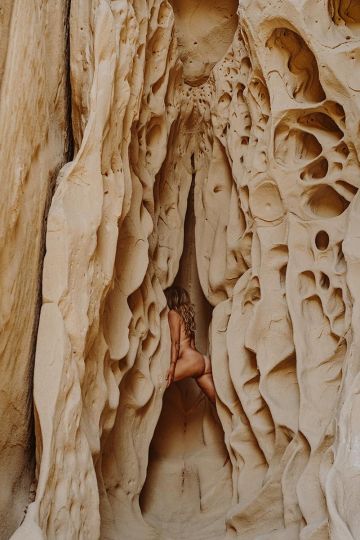
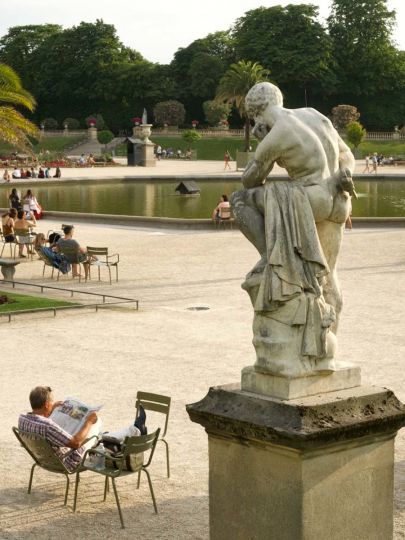
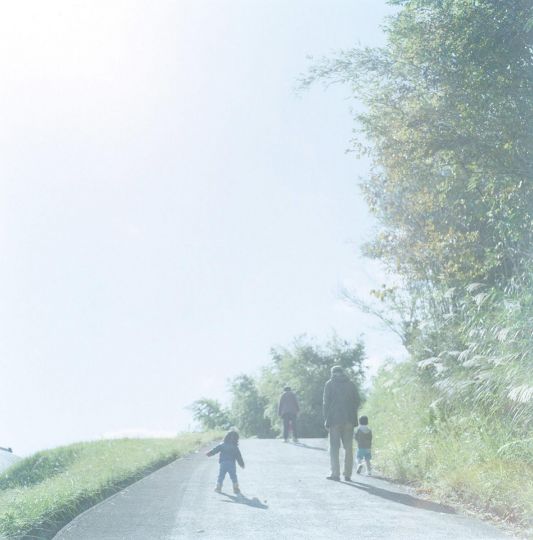
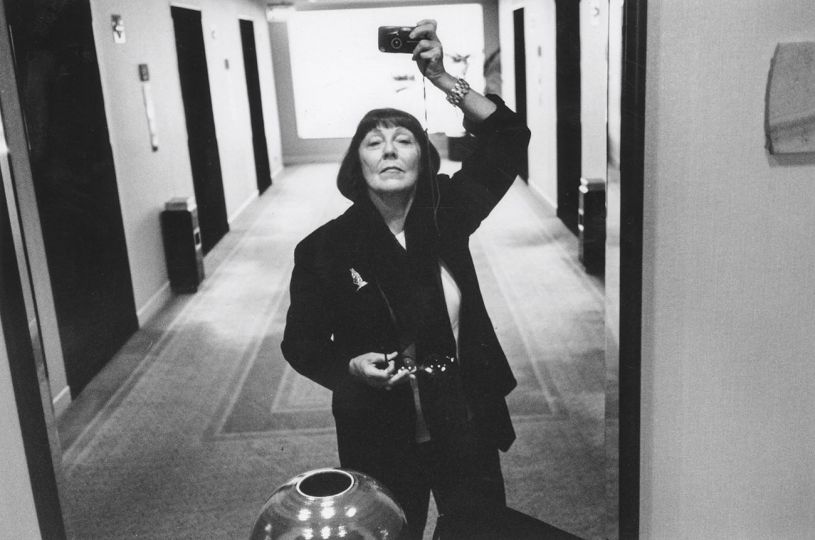
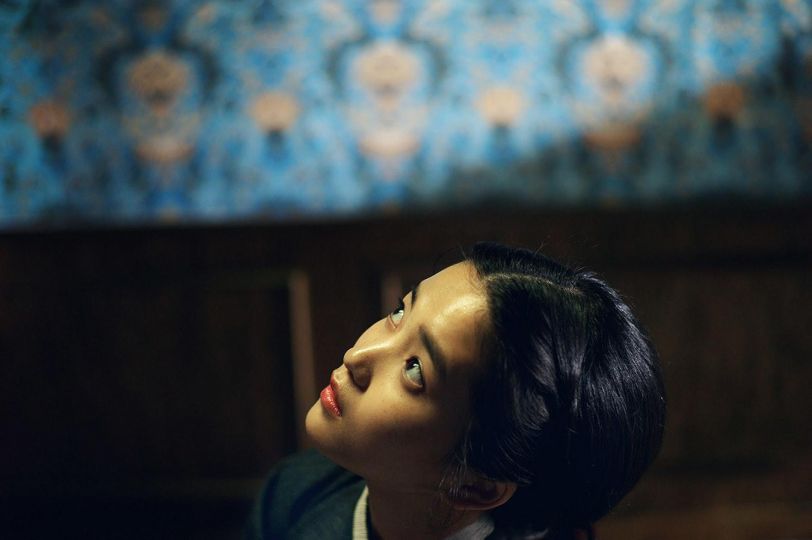
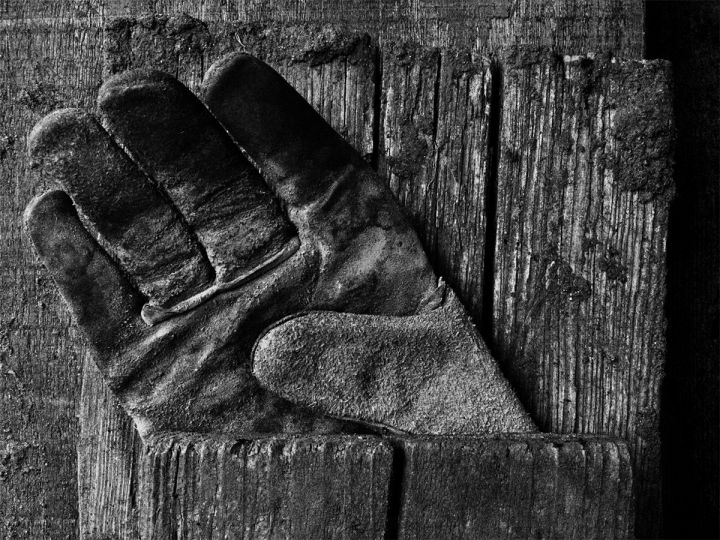
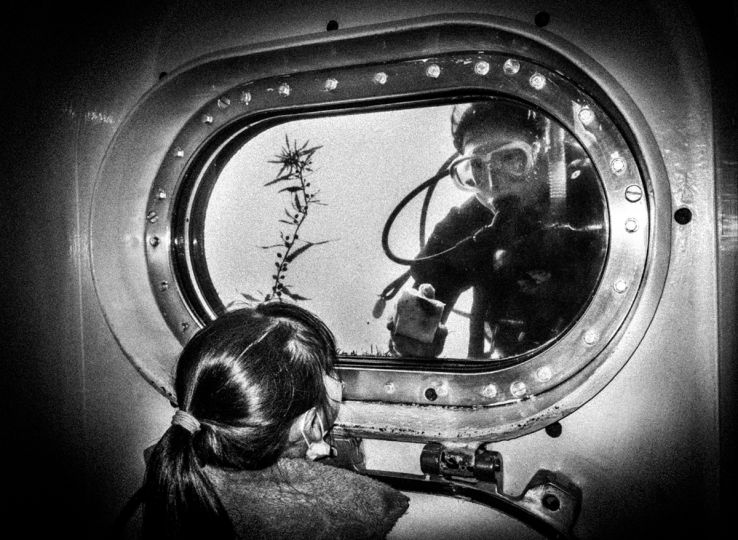
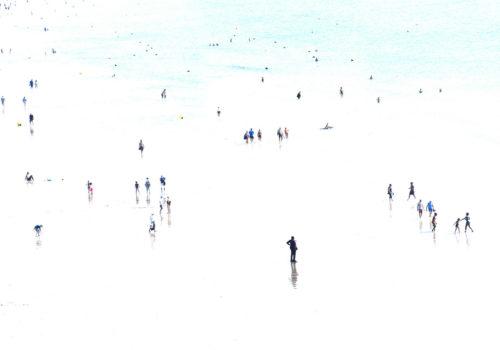
From May 9 to June 22, 2025, Fotografiska Shanghai presents A Brief History of the Ordinary, Yan Jiacheng‘s first solo exhibition. The exhibition brings together three series—Night in the Suburbs, Living in the Suburb, and The Long Picture Series—through which the artist constructs a visual archive of everyday life, revealing the silent epic unfolding on the margins of Chinese urbanization.
Born in Lianyungang, Jiangsu Province, Yan Jiacheng now lives in Guangzhou. A UI designer and image maker, he has been recognized as a “human observer” for his keen sensitivity to social realities since his photographic debut in 2018. With a delicate approach, he deploys a work of visual assembly and reconstruction, offering a subtle portrait of urban and rural transformations in China, as well as the lives that traverse them.
The artist lives in a “dormitory town” located about fifty kilometers from the center of Canton, on the border between city and countryside. His routine is simple: get up, work, go home, walk or study, then sleep. A seemingly repetitive life, but one that becomes, for him, a constant source of inspiration. It is in his neighborhood, around his office, or on his way to work, that he draws the material for his images, capturing with acuity these fragments of everyday life, both ordinary and singular.
Yan Jiacheng excels at revealing the latent theatricality in the most mundane situations. His neighborhood is bordered by a river on one side and wheat fields on the other. Due to the high construction density, public spaces are scarce. In the evening, residents gather to walk along the river. The riverbank consists of a cement path built on former muddy fields on one side, and a dimly lit rural landscape on the other—a microcosm of the reality of China’s urbanization process. In Night in the Suburbs, the characters stand beneath streetlights, like spotlights on a stage, lending a discreet drama to their ordinary lives.
For him, intervening in public space through walking is a way for people to explore the radius of their own lives. As Michel de Certeau points out, “walking” is one of the primary modes of producing everyday life. “Walking opens up new spaces (1), creates legends and stories, and welds the meaning of street numbers and architecture. (2)” By moving, people blur the boundaries of space and create their own stories.
A great lover of strolling, Yan also enjoys photographing passersby in motion. His lens remains focused on “people” – those often invisible figures of everyday life: office workers, garbage collectors, delivery drivers… His images are odes to these ordinary people, a gesture that resonates with the first part of L’invention du quotidien: “This essay is dedicated to the ordinary man. A common hero. A scattered character. A countless walker. By invoking, at the threshold of my stories, the absent one who gives them beginning and necessity, I question the desire of which he represents the impossible object. (3)”
For his Long Picture Series, the artist travels to Guangzhou Station each year during the Lunar New Year mass migration to photograph migrant workers. He is interested not only in portraiture, but also in the individual’s state within the community. The images, constructed through the horizontal juxtaposition of silhouettes, give flesh to these anonymous individuals often reduced to numbers. He also unfolds, in two dimensions, the complexity of reality, making tangible scenes that our gaze had learned to no longer see. Through this constant reflection on the photographic medium, he goes beyond the limits of the traditional viewfinder and offers new visual narratives.
Changing hybrid zones are his field of observation. Between demolition and reconstruction, the artist captures the ruptures of the suburban landscape. In Living in the Suburb, a house still standing in the morning ceases to exist in the evening. According to his memories, one day, he was crossing a gutted hill, where only a pile of yellow earth remained beneath his feet. When he turned around, he saw the ground furrowed with his own footprints, those of an animal, and the rut of a backhoe. The traces of humans, nature, and industry overlapped in the same space-time at that moment, forming a metaphorical freeze-frame. This moment condenses the reality of industrial expansion and ecological decline in Canton’s economic development, while revealing the complexity of the relationships between these three elements.
In the interstices between urban and rural areas, the artist’s practice echoes the concept of “proximity (附近)” proposed by Chinese anthropologist Xiang Biao. According to him, contemporary society is dominated by a “temporal anxiety” where abstract time compresses the links between individuals and space, causing this proximity to disappear. To escape this “tyranny of time,” it is necessary to reconstruct the individual perception of place and re-anchor the everyday. This is precisely what Yan Jiacheng proposes through his photography: by developing in his own environment an anthropology of experience, a personal cartography to observe, resist, and imagine from his living space. His work also reminds us that every place, however marginal, contains stories to tell.
Deng Qiwen
Yan Jiacheng, A Brief History of the Ordinary
May 9 to June 22, 2025
Fotografiska Shanghai
No. 127 Guangfu Road, Jing’an District, Shanghai
Exhibition open Tuesday to Sunday, 10:30 a.m. to 11:00 p.m.
https://shanghai.fotografiska.com/en
(1) According to Michel de Certeau’s theory, when an individual engages in subjective movement within a “place” (lieu), this engenders the production of a “space” (espace). In this way, the geometric streets defined by urban planning are transformed into space under the footsteps of the walker.
(2) Wu Fei, « Spatial Practice and Poetic Resistance: On Michel de Certeau’s theory of the practice of everyday life », Sociological Studies, n° 2, 2009, p. 177-199.
(3) Michel de Certeau, L’invention du quotidien. 1. Arts de faire, Paris, Gallimard, 1980, p.11.