The Phoenix Art Museum is presenting Muscle Memory: Lens on the Body, a new exhibition with more than 80 works by Diane Arbus, Richard Avedon, Graciela Iturbide, Nan Goldin, Zhang Huan, and Robert Mapplethorpe, among others.
Drawn primarily from the holdings of the Center for Creative Photography, along with select works from the PhxArt Collection and Arizona-based contemporary artists, the exhibition reflects on how the body performs identity, bears history, and negotiates visibility in front of the camera.
Spanning the nineteenth century to the present, the exhibition proposes the body as a site of tension between surface and interiority, discipline and freedom, endurance and fragility.
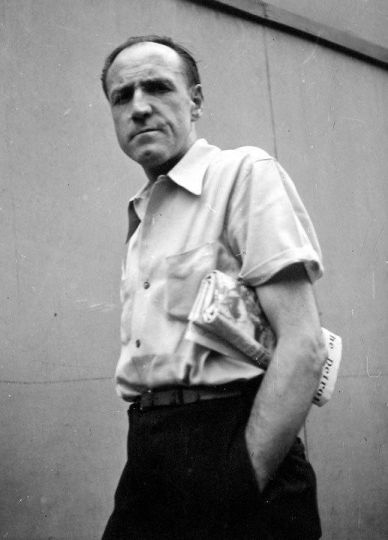
Curated around four thematic constellations, the exhibition opens with Surface Tension, a section that investigates skin as a tool of self-expression. Works by Diane Arbus, John Gutmann, and others foreground bodies marked by tattoos, makeup, or deliberate transformation, reminding us that the body is often used as a canvas. These images oscillate between exposure and self-fashioning and encourage us to question how much we can truly know from appearance alone.
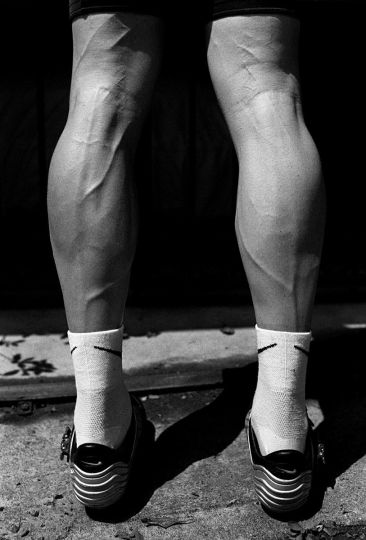
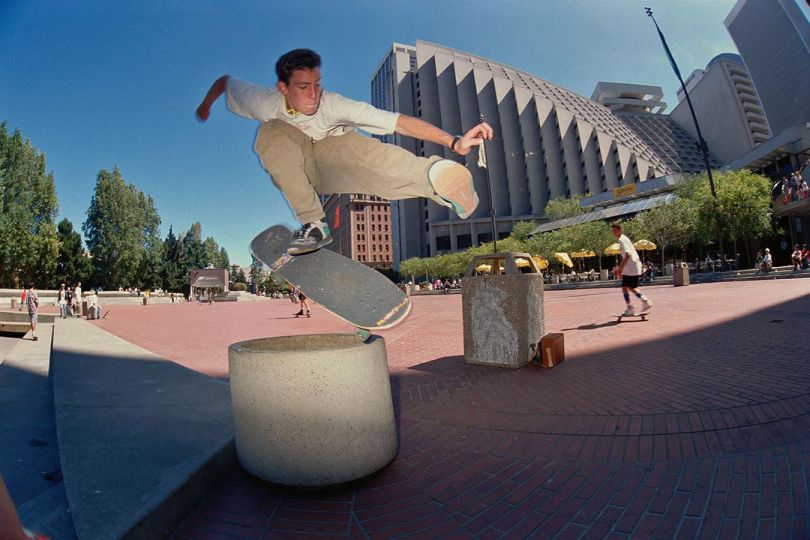
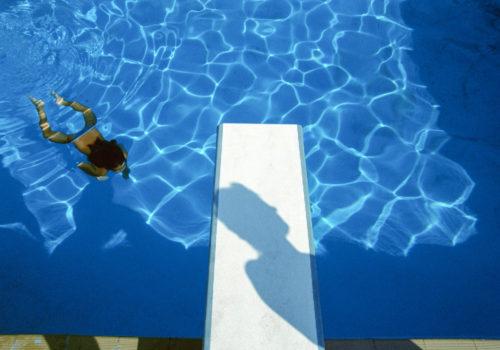
Kinetic Beauty shifts the focus from inscription to motion. Sports photography, bodybuilding, and studies of physical exertion reveal the body as a tool honed by repetition and desire. The camera freezes moments of tension with taut muscles, bodies mid-air. Whether in Robert Mapplethorpe’s sculptural examinations of strength or Walter Iooss’s iconic athletic imagery, the body appears at once powerful and finite, shaped by aspiration and discipline.
If exterior dominates the first half of the exhibition, introspection asserts itself in Know Thyself. Here, serial self-portraiture becomes an act of reckoning. Artists such as John Coplans, Anne Noggle, and Rosalind Fox Solomon turn the camera inward, using photography to confront aging, self-image, and the erosion of idealized beauty. These works present the body as a truth-teller, uncomfortable, changing, and irreducibly human.
The final section, Enduring, is perhaps the most poignant. Bodies appear at their limits: marked by illness, exhaustion, intimacy, or absence. Works by Nan Goldin, Marcus Chormicle and Ittetsu Morishita witness fragility and survival, reminding us that endurance is not always heroic. Sometimes it is quiet, cumulative, and unresolved.
Muscle Memory stages a dialogue across generations and suggests that the questions photographers ask of the body about identity, power, and representation are persistently reconfigured. At a time when images of the body are increasingly mediated, optimized, and abstracted, this exhibition asks us to acknowledge the body not as an object but as a lived experience. Beyond representation, photography in this exhibition becomes an instrument for tracing what the body remembers long after the moment has passed, serving as an archive. Muscle Memory ultimately reminds us that photography’s most enduring power lies in its capacity to hold space for vulnerability, presence, and our humanity.
Marie Audier D’Alessandris
Muscle Memory: Lens on the Body will be on view at PhxArt from January 24, 2026, through June 28, 2026.