Leica Camera AG is celebrating this year the fiftieth anniversary of Leica Galleries. By opening the first Leica Gallery in 1976 at the company’s headquarters in Wetzlar, the brand laid the foundation for its cultural commitment—an approach that remains successful today. Over the past five decades, an international network has emerged and now comprises 26 Leica Galleries. They all share a common idea: enabling visitors around the globe to discover photography and experience it through art and historical documentary work. With nearly 150 exhibitions per year, the galleries have found the delicate balance between presenting contemporary works and highlighting iconic images. This achievement has allowed them, for half a century, to embody photographic excellence and diversity.
Leica Camera AG is celebrating this anniversary in particular by organizing a major exhibition at the Leica Gallery in Wetzlar in June 2026. All Leica gallerists have been invited to propose photographers.
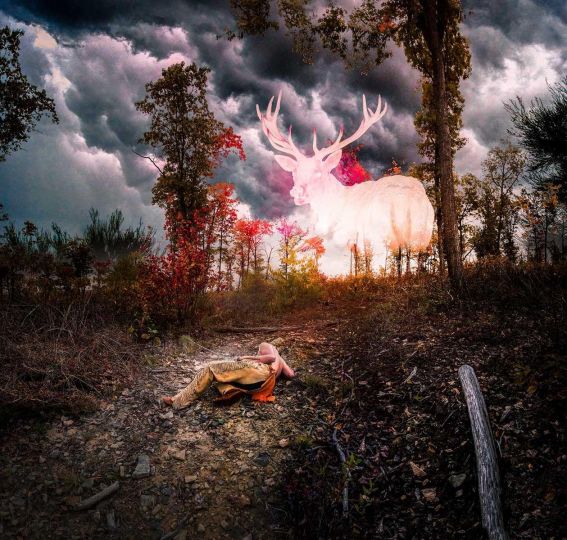
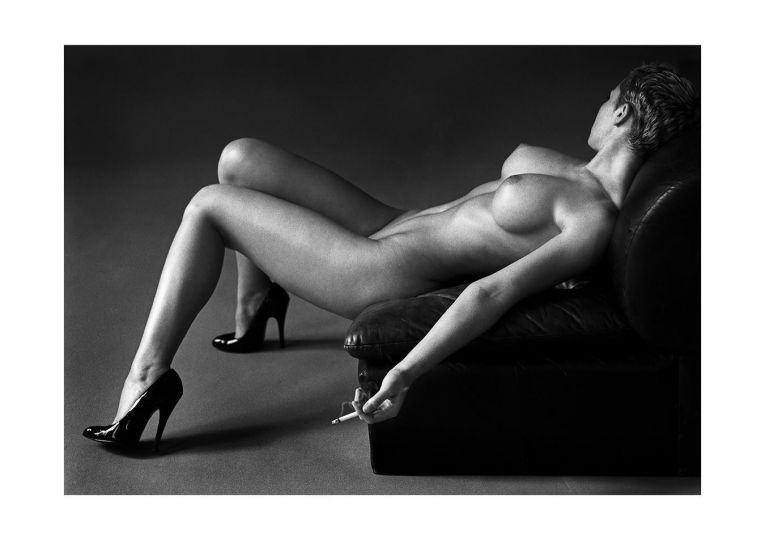
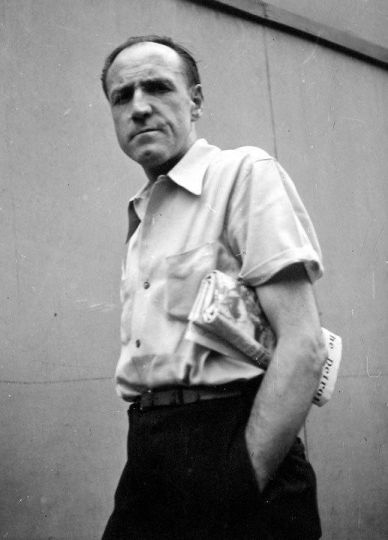
The exhibition features 50 photographs created by artists for the 50th anniversary of Leica Galleries, demonstrating the breadth of Leica photography—from intimate moments to fascinating stories and the artistic perspectives of talented photographers.
For more than 100 years, photographic culture has been a cornerstone of Leica’s corporate philosophy. By developing its network of Leica Galleries, the brand has expanded its cultural mission worldwide: to preserve, promote, and advance photography. Leica Galleries stand for outstanding images, cultural dialogue, and support for photography. They are places to meet, to reflect, and to exchange ideas between photographers and an international public.
They provide a space for visual narratives that address historical, political, and social themes and invite discussion.
“Our entire cultural program aims to share our passion for photography with a wide audience. The work of professional photographers is an essential element of the Leica Welt. Leica Galleries represent for us a fantastic international network—a Leica family in the best sense of the term. Photography is, to me, the most captivating artistic medium, because a large part of the population is exposed to it every day,” says Karin Rehn-Kaufmann, Art Director and Chief Representative of Leica Galleries International.
In April 1976, the Leica Gallery in Wetzlar is inaugurated. It is the first Leica cultural institution to present an international concept unique of its kind: exhibiting high-quality documentary and artistic photographs closely linked to the Leica tradition. What began as a single exhibition space in the lobby of the former headquarters of Ernst Leitz GmbH, with an exhibition by the German photographer Paul Gluske on the theme of travel, continued with the company’s move in 1988 and the opening of the Leica Gallery in Solms. In this new setting, the concept evolved into a program of monthly changing exhibitions and, over the decades, into an international network. New Leica Galleries subsequently opened in collaboration with partners and Leica subsidiaries in the respective countries in New York (1994), Prague (2002), Frankfurt (2004), as well as São Paulo and Melbourne (2005). The network expanded further in 2006 with the opening of a second Leica Gallery in Tokyo in the Leica Store in Ginza.
Today, Leica Galleries are represented in 26 cultural metropolises around the world. Germany alone counts seven galleries (in Frankfurt, Munich, Düsseldorf, Heidelberg, Konstanz, and Stuttgart, and since 2014 once again at the company headquarters in Wetzlar). Other key Leica cultural venues can be found in Amsterdam, Boston, Kyoto, London, Los Angeles, Madrid, Milan, Melbourne, Mexico City, New York, Omotesando, Paris, Porto, Prague, Salzburg, Sydney, Taipei, Tokyo, and Vienna. The network will expand further this year with Leica Galleries in Chicago and Shanghai.
Each new gallery not only extends geographical reach, but also the diversity of content. Leica Galleries are platforms for renowned works of photography as well as for new talents with great potential. Series from the Leica Oskar Barnack Award are a focal point of the annual exhibition program. Over 50 years, countless landmark exhibitions have taken place. They have presented, among others, the work of well-known photographers such as Inge Morath, Barbara Klemm, Herlinde Koelbl, Henri Cartier-Bresson, Sebastião Salgado, Elliott Erwitt, Thomas Hoepker, René Burri, Steve McCurry, and Ralph Gibson, as well as celebrities such as Bryan Adams, Lenny Kravitz, Andy Summers, and Jamie Cullum. Legendary reportages, intimate portraits, and impressive long-term projects have helped make Leica Galleries a recognized presence on the international photography scene.
In the future, Leica Galleries will remain places dedicated to change and inspiration. In addition to classic exhibition formats and presentations devoted to photography, new curatorial approaches and dialogue about AI in photography are gaining importance. In a time shaped by digital developments, the goal of Leica Galleries remains unchanged: to position authentic photography as a relevant medium in societal discourse—with openness, critical spirit, and global interconnectedness—while placing the truthfulness of the image at the center. So that people interested in photography have the opportunity to build a collection of striking Leica photographs, some images exhibited in Leica Galleries are available for sale. Each year, a “photo of the year” by the Leica Hall of Fame laureate is offered to collectors.
À propos de Leica Camera
Leica Camera AG is a premium manufacturer of cameras, lenses, and sports optics products. As part of its growth strategy, the company has expanded its activities into mobile imaging (smartphones) as well as the production of high-quality eyeglass lenses and watches, and it is present in the home cinema segment with its own projectors.
Leica Camera AG, headquartered in Wetzlar (Germany) and with a second production site in Vila Nova de Famalicão (Portugal), has a global network of distribution subsidiaries that includes around 120 Leica Stores.
The Leica brand stands for excellence, German craftsmanship, and industrial design combined with innovative technologies. Supporting photography is an integral part of the brand’s culture, with around thirty Leica Galleries and Leica Academies worldwide, as well as international awards such as the Leica Hall of Fame Award and the Leica Oskar Barnack Award (LOBA).